Rottweiler Ear Care Under a Drop Ear
If you're a Rottweiler parent, you've probably noticed those beautiful, expressive drop ears. While they add to their distinguished look, they can also be a real magnet for trouble, often trapping moisture and debris, leading to frustrating and sometimes painful ear infections. It’s a common struggle, and if you’ve dealt with a Rottie shaking its head or scratching at its ear, you know the worry it brings. This comprehensive guide will walk you through everything you need to know about keeping your Rottweiler’s ears healthy, from understanding their unique anatomy to preventing and addressing common issues.
Understanding the Rottweiler Ear Anatomy
The Rottweiler’s ear structure is both a blessing and a curse. Those wonderfully soft, triangular ears that frame their noble heads are called "drop ears" or "pendulous ears." Unlike breeds with erect ears, like German Shepherds, a Rottweiler's ear flaps hang down, covering the opening of the ear canal. This seemingly minor difference has significant implications for their ear health, creating a microclimate that can lead to recurrent problems.
The "Drop Ear" Conundrum
Think about it: an ear that hangs down naturally reduces air circulation within the ear canal. It’s like putting a lid on a pot – it keeps the warmth and moisture inside. For a Rottweiler, this means the ear canal, already dark and warm, becomes an even more inviting environment for pathogens to thrive. It’s not just about what gets in but also what stays in. Debris, dust, pollen, and even small bits of grass or dirt can easily enter the wide opening but then struggle to escape because the flap covers the exit.
This anatomical quirk is why many Rottweiler owners find themselves battling ear infections more frequently than owners of other breeds. It's not a sign of poor hygiene on your part, but rather a characteristic of the breed that requires proactive management. Understanding this fundamental difference is the first step in effective ear care, setting the stage for preventing those uncomfortable, itchy, and sometimes smelly ear problems.
How Airflow (or Lack Thereof) Creates Problems
The lack of consistent airflow is the primary culprit behind many Rottweiler ear issues. When air can't circulate freely, humidity levels inside the ear canal rise. This moist, warm environment is exactly what yeast and bacteria love. They flourish in such conditions, multiplying rapidly and leading to infections. Moreover, any wax or natural debris that might normally dry out and flake away can become sticky and accumulate, creating further blockages and a perfect breeding ground.
Imagine if you wore a tight, sealed hat all day, every day, especially after exercise or a shower. Your scalp would quickly become damp and prone to skin issues. It's a similar scenario for your Rottweiler's ears. The natural shape of their ear canal, which also often has a bend, further exacerbates the issue by creating nooks and crannies where moisture and microorganisms can hide. This combination means that Rottweiler ears aren't just susceptible; they almost invite certain types of infections if not properly cared for.
Common Ear Issues in Rottweilers
Because of their unique ear structure, Rottweilers are particularly prone to specific types of ear infections and problems. Knowing what to look for and understanding the culprits can help you address issues quickly, minimizing your dog’s discomfort and potentially saving you a trip to the emergency vet. It's a sad reality that what starts as a mild itch can escalate into severe pain if left untreated.
Yeast Infections and Their Distinct Signs
Yeast infections, primarily caused by the Malassezia pachydermatis fungus, are incredibly common in Rottweilers. This yeast is naturally present on a dog's skin and in their ears, but when conditions are ripe – typically warm, moist, and lacking airflow – it can overgrow. The hallmark of a yeast infection is often a very distinct, sweet, yet pungent, yeasty odor, sometimes described as smelling like stale bread or corn chips. If you lean in close to your Rottie's ear and catch that smell, a yeast infection is highly probable.
Visually, you might see reddish-brown or black discharge, which can be greasy or waxy in texture. The skin inside the earflap and canal may appear red, inflamed, and even thickened. Your dog will likely show signs of discomfort, such as persistent scratching, head shaking, or rubbing their ear against furniture or the floor. They might even whine or react negatively when you try to touch their ear. These infections are often extremely itchy, driving your dog to an almost frantic level of scratching.
Bacterial Infections Requiring Prompt Attention
Bacterial ear infections, often caused by staphylococci or pseudomonas, are another frequent visitor to Rottweiler ears. Unlike yeast, which often has a distinct odor, bacterial infections can present with a foul, purulent smell – think rotten or cheesy. The discharge might be yellow, green, or thick and pus-like. The ear canal will usually be very red, swollen, and extremely painful to the touch. Your Rottweiler might even hold their head tilted to one side to alleviate pressure.
These infections can be more serious and progress rapidly, sometimes leading to more severe conditions if not treated quickly with the right antibiotics. Untreated bacterial infections can cause damage to the eardrum, leading to hearing loss or even spreading deeper into the inner ear. If you suspect a bacterial infection, especially if you see pus or your dog is in significant pain, a vet visit is absolutely crucial. They might need to identify the specific bacteria through a culture to prescribe the most effective antibiotic.
Ear Mites and Other Parasitic Invaders
While less common in well-cared-for adult Rottweilers, especially those on regular parasite prevention, ear mites can certainly still be a problem, particularly in puppies or dogs rescued from less-than-ideal conditions. Ear mites, tiny spider-like parasites, live on the surface of the ear canal and feed on skin debris. The most tell-tale sign of ear mites is a dark, dry, crumbly discharge that looks a lot like coffee grounds. This discharge is actually a mixture of blood, wax, and mite debris.
The itching associated with ear mites is intense, often causing a dog to scratch so vigorously that they break the skin, leading to secondary bacterial infections. Beyond mites, ticks can occasionally latch onto the outer ear or within the folds of the earflap, though they are usually easier to spot. If your Rottie isn't on year-round flea and tick prevention, or if you're dealing with a new puppy, always consider parasites as a potential cause of ear irritation. A vet can quickly diagnose mites with an otoscope and a simple ear swab examination.
Establishing a Regular Ear Care Routine
Given the Rottweiler’s predisposition to ear problems, a consistent and gentle ear care routine isn't just a suggestion; it's a vital part of responsible ownership. Regular cleaning and inspection can prevent minor issues from escalating and help you catch problems early. It’s all about creating habits that keep those ears healthy and happy, and it’s much easier to clean a healthy ear than treat an infected one.
When and How Often to Clean Those Ears
The frequency of ear cleaning for your Rottweiler depends largely on the individual dog and their lifestyle. For many Rottweilers, a quick check and clean once a week is a good baseline. However, if your dog loves to swim, gets dirty frequently, or has a history of recurrent infections, you might need to clean them two to three times a week. After any activity that involves water, like a bath or a dip in the lake, a thorough drying and cleaning should be a priority. Moisture is the enemy here.
It’s also important to observe your dog. If you notice them shaking their head more often, scratching, or if there's any visible dirt or odor, it’s time for a cleaning, regardless of your schedule. The key is consistency, but also flexibility based on your Rottie’s needs. Don't wait until there's a full-blown infection; proactive care is always better. For some Rottweilers who are prone to issues, setting a reminder on your phone can be a helpful way to stay on top of their routine.
Choosing the Right Ear Cleaning Solutions
Not all ear cleaners are created equal, and using the wrong one can actually do more harm than good. When selecting an ear cleaner for your Rottweiler, look for veterinary-approved solutions specifically designed for dogs. Many good quality cleaners contain ingredients like salicylic acid, boric acid, or witch hazel, which help to dry, acidify, and gently break down wax without irritating the sensitive skin. Avoid products containing alcohol or hydrogen peroxide, as these can be too harsh, sting inflamed ears, and cause excessive dryness.
Always read the label carefully and, if in doubt, ask your veterinarian for a recommendation. They can suggest a product best suited for your dog's specific ear health needs, especially if they have sensitive skin or a history of certain types of infections. Brands like Epi-Otic, MalAcetic, and Zymox are often recommended by vets for their gentle yet effective formulations. Remember, the goal is to gently flush and dry the ear canal, not to scrub or irritate it.
Step-by-Step Ear Cleaning Techniques
Cleaning your Rottweiler's ears can seem daunting, especially with a strong, large dog, but with patience and positive reinforcement, it can become a routine they tolerate, or even enjoy. Here’s a breakdown of the steps:
- Gather your supplies: You'll need your vet-approved ear cleaner, plenty of cotton balls or gauze squares (avoid Q-tips, as they can push debris further into the ear canal), and some high-value treats.
- Position your Rottie: Find a calm, comfortable spot. If your dog is large, you might need someone to help hold them steady, or have them lie down. Praise them for staying calm.
- Apply the cleaner: Gently lift the ear flap to expose the ear canal. Hold the bottle of cleaner near the ear opening and generously squeeze the solution directly into the ear canal until it's full. Don't be shy; you need enough to flush things out.
- Massage the base of the ear: With the cleaner in, gently massage the base of your Rottweiler's ear for about 20-30 seconds. You should hear a squishing sound, indicating the cleaner is working its way down the canal. This helps break up wax and debris.
- Let them shake: Step back and let your Rottweiler shake their head. This is a natural instinct and helps bring a lot of the loosened gunk to the surface. Be prepared for some spray!
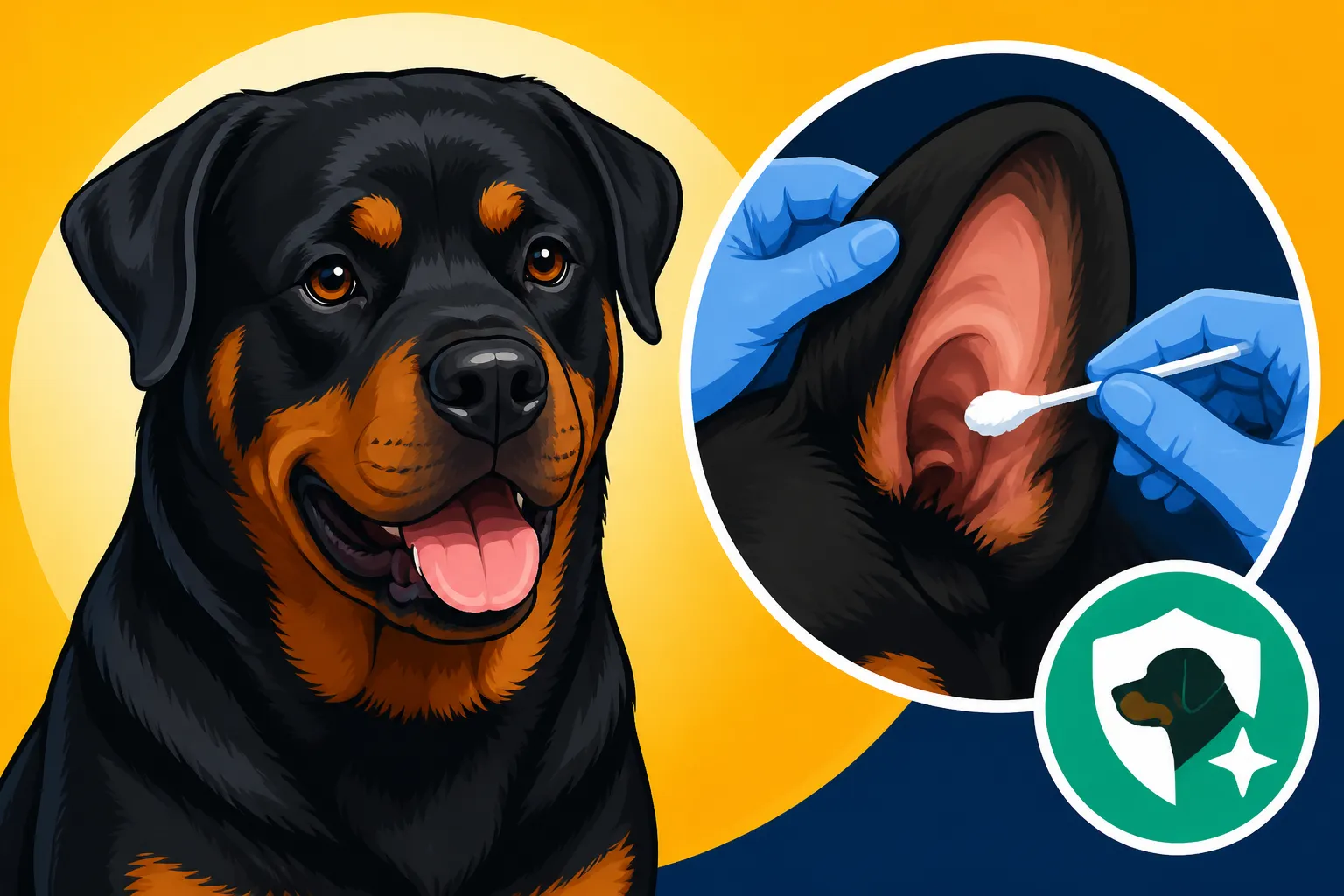
- Wipe and repeat: Use a cotton ball or gauze to gently wipe away any visible cleaner, wax, or debris from the inner ear flap and the opening of the ear canal. Don't go deep into the canal with the cotton swab. You can repeat steps 3-6 if the ear is particularly dirty.
- Reward generously: Finish with lots of praise and treats. Make it a positive experience so they associate ear cleaning with good things.
Consistency and a gentle touch are key. Over time, your Rottweiler will get used to the process, making it less stressful for both of you.
Recognizing the Early Warning Signs of Trouble
Being proactive means being observant. Rottweilers, like many dogs, can be stoic about pain, so recognizing subtle shifts in their behavior or the appearance of their ears can make all the difference in catching an infection before it becomes severe. Early detection can prevent prolonged discomfort and more intensive, costly treatments down the line.
Visual Cues of Ear Discomfort
Your eyes are your first line of defense. Regularly lift your Rottweiler's ear flaps and take a good look inside. What you're looking for is anything that deviates from a healthy, pale pink, clean ear. Redness or inflammation anywhere on the ear flap or within the visible ear canal is a clear sign of irritation. You might also notice swelling, making the ear tissue appear puffy or thickened.
Another major visual cue is discharge. Healthy ears should have very little, if any, visible discharge. If you see brown, black, yellow, or green discharge, or if it appears excessive, waxy, or pus-like, it's a problem. A strong, unusual odor emanating from the ear is also a huge red flag – whether it’s yeasty, foul, or sweet. Sometimes, you might even see crusting or scabs, especially if your dog has been scratching aggressively. Don't forget to check for any visible foreign objects, like foxtails or grass awns, which can embed themselves deep within the ear. If you ever see Lumps on a Rottweiler That Need Testing, even in the ear canal, it's vital to get them checked by your vet.
Behavioral Indicators of Ear Pain
Dogs often communicate discomfort through their actions. If your Rottweiler is frequently shaking their head, more than just a casual shake, it’s a strong indicator of ear irritation. Persistent scratching at their ears with a back paw, or rubbing their head along the carpet or furniture, also suggests they’re trying to relieve an itch or pain. You might observe them holding their head tilted to one side, favoring the unaffected ear.
Beyond these specific ear-related behaviors, look for general changes in temperament. A dog in pain might become more withdrawn, less playful, or even exhibit signs of aggression if you try to touch their head or ears. They might whimper or cry out when you approach them or attempt to pet their head. A decreased appetite or lethargy can also accompany more severe ear infections. Pay close attention to these subtle cues; your Rottie is trying to tell you something is wrong.
The Importance of Timely Veterinary Intervention
When you notice any of these signs, don't play the waiting game. Timely veterinary intervention is critical for ear infections. What might seem like a minor irritation can quickly escalate into a painful and complex problem if left untreated. Delaying treatment can lead to deeper infections, damage to the eardrum, chronic ear problems, and even spread to the middle or inner ear, potentially causing balance issues or hearing loss.
A vet can properly diagnose the type of infection (yeast, bacterial, or mites) through an otoscopic exam and often a microscopic examination of an ear swab. This allows them to prescribe the correct medication – whether it's antifungal drops, antibiotics, or antiparasitic treatments. Sometimes, a deep flush under sedation might be necessary, especially for severe cases with significant debris, which brings up the topic of Anesthesia Risk for a Dog a Rottweiler's Size. Early intervention means faster relief for your dog, a quicker recovery, and less chance of the infection becoming a chronic, recurring nightmare.
Dietary and Environmental Factors Affecting Ear Health
You might not immediately connect what your Rottweiler eats or where they play with their ear health, but these factors can play a significant role. Understanding these connections allows you to address potential underlying causes of recurrent ear issues, going beyond just treating the symptoms.
The Link Between Allergies and Ear Infections
Did you know that ear infections are often a secondary symptom of allergies in dogs? It's true. Just like humans can get hives or asthma from allergies, dogs often manifest their allergic reactions as skin irritations, which frequently include the ears. Both environmental allergies (like pollen, dust mites, or molds) and food allergies can cause inflammation throughout a dog's body, including the delicate skin lining the ear canals. This inflammation makes the ear canal itchy, leading your Rottweiler to scratch and further irritate the area. The inflamed, itchy, and sometimes moist environment then becomes an ideal breeding ground for secondary yeast or bacterial infections.
If your Rottweiler experiences recurrent ear infections, despite consistent cleaning and appropriate treatment, allergies should be high on your list of suspects. Your vet might suggest trying an elimination diet to rule out food allergies or discuss allergy testing and management strategies for environmental allergens. Addressing the underlying allergy is crucial for breaking the cycle of chronic ear infections. Consider reading up on Rottweiler Skin Allergies and Summer Hot Spots for more related information, as often, skin and ear issues go hand-in-hand.
Managing Moisture After Baths or Swims
The Rottweiler's drop ears are a natural trap for moisture, and any added dampness can quickly create the perfect breeding ground for infections. This is especially true after baths, swimming, or even walks in heavy rain or dewy grass. Water can easily become trapped in the ear canal, leading to increased humidity and a proliferation of yeast and bacteria.
After any wet activity, it is absolutely paramount to thoroughly dry your Rottweiler's ears. Gently blot the outer ear flap and the visible part of the ear canal with a soft towel or cotton ball. You can also use a canine-specific ear drying solution, which typically contains ingredients that help evaporate moisture. If using a hair dryer, always use the cool setting and keep it at a safe distance to avoid burning the delicate ear tissues. Never blast hot air directly into their ears. Preventing moisture buildup is one of the simplest yet most effective ways to reduce the risk of ear infections in your Rottweiler.
When to Seek Professional Veterinary Help
While a good home care routine is essential, there are times when your Rottweiler's ear problems demand professional attention. Knowing when to call the vet and what to expect during a visit can help you advocate for your dog's health and ensure they get the best possible care.
Persistent Symptoms and Worsening Conditions
If you've been cleaning your Rottweiler's ears diligently, perhaps even using an over-the-counter ear wash, but the symptoms persist or worsen, it's a clear sign that you need to schedule a vet appointment. This includes ongoing head shaking, scratching, redness, swelling, discharge, or odor. If your dog seems to be in increasing pain, yelps when their ear is touched, or becomes withdrawn and lethargic, do not delay.
These worsening signs often indicate a more severe infection, a resistant strain of bacteria or yeast, or an underlying issue that requires prescription medication. Trying to "wait it out" or repeatedly using inappropriate home remedies can lead to chronic inflammation, pain, and more difficult-to-treat infections. Your vet has the tools and expertise to properly diagnose the problem and prescribe the most effective course of treatment. Regular Vet Visit Frequency for a Senior Rottweiler is important for preventative care, but acute symptoms warrant immediate attention at any age.
Advanced Diagnostics and Treatment Options
When you visit the vet for ear problems, they will typically perform a thorough physical exam, focusing on the ears. This usually involves:
- Otoscopic Examination: Using an otoscope, the vet will look deep into the ear canal to assess the severity of inflammation, check for foreign bodies, and inspect the eardrum.
- Ear Swab/Cytology: A swab of the ear discharge will be taken and examined under a microscope. This helps determine whether yeast, bacteria, or mites are present, and in what quantities. This crucial step guides the choice of medication.
- Culture and Sensitivity: For persistent or severe bacterial infections, a culture might be sent to a lab to identify the specific type of bacteria and determine which antibiotics will be most effective against it. This prevents prescribing antibiotics that won't work, which can prolong suffering and contribute to antibiotic resistance.
Treatment options can range from prescription ear drops (antibiotic, antifungal, or a combination) to oral medications. In some cases, if the ear canal is severely swollen or filled with debris, a deep ear flush performed under sedation might be necessary to properly clean the canal and allow medications to penetrate. Your vet will also discuss strategies for managing any underlying conditions, such as allergies, to prevent future recurrences. Working closely with your veterinarian is the best way to ensure your Rottweiler's ear health is maintained.
| Type of Ear Issue | Common Signs | Initial Actions You Can Take | When to See a Vet |
|---|---|---|---|
| Yeast Infection | Yeasty/sweet odor, reddish-brown/black discharge, itching, redness | Clean with vet-approved antifungal cleaner | If odor/discharge persists after 1-2 days of cleaning, severe itching/pain |
| Bacterial Infection | Foul/purulent odor, yellow/green pus-like discharge, intense pain, swelling, head tilt | Do NOT clean vigorously, gentle wipe if possible | IMMEDIATELY – any signs of pus, severe pain, or rapid worsening |
| Ear Mites | "Coffee ground" discharge, intense itching, head shaking | Gentle cleaning (will likely not resolve) | IMMEDIATELY – confirmation and specific mite treatment needed |
| Allergies (underlying) | Recurrent infections despite treatment, generalized itching/skin issues | Discuss allergy management with your vet | If infections are chronic/recurrent without clear resolution |
| Foreign Body | Sudden, severe pain, pawing at ear, head shaking, often one-sided | Do NOT attempt to remove yourself | IMMEDIATELY – can cause severe damage or go deeper |
Disclaimer
This article is intended for informational purposes only and does not constitute medical advice for your pet. Always consult with a qualified veterinarian for any health concerns or before making any decisions about your Rottweiler's care.