Panosteitis in a Growing Rottweiler Puppy
That sudden limp in your strapping Rottweiler puppy can send a wave of panic through any dog owner. One day they're charging around the yard, a blur of black and rust, and the next they're favoring a leg, looking miserable. It's truly heartbreaking to see your strong, energetic puppy suddenly struggling. Often, these mysterious growing pains turn out to be a condition called panosteitis, an inflammatory issue of the long bones that's common in rapidly growing large breeds. This guide will walk you through what panosteitis is, how to spot it, how your vet diagnoses it, and how to best manage it to get your pup back on all four paws comfortably.
Understanding Panosteitis in Young Rottweilers
When you have a Rottweiler puppy, you're signing up for an incredible growth spurt. They go from tiny bundles of fur to substantial dogs in what feels like mere months. This rapid development, while amazing to watch, can sometimes lead to growing pains, literally. Panosteitis is one of the most common causes of lameness in large and giant breed puppies, and it's a condition often misunderstood by even seasoned dog owners.
What Exactly is Panosteitis?
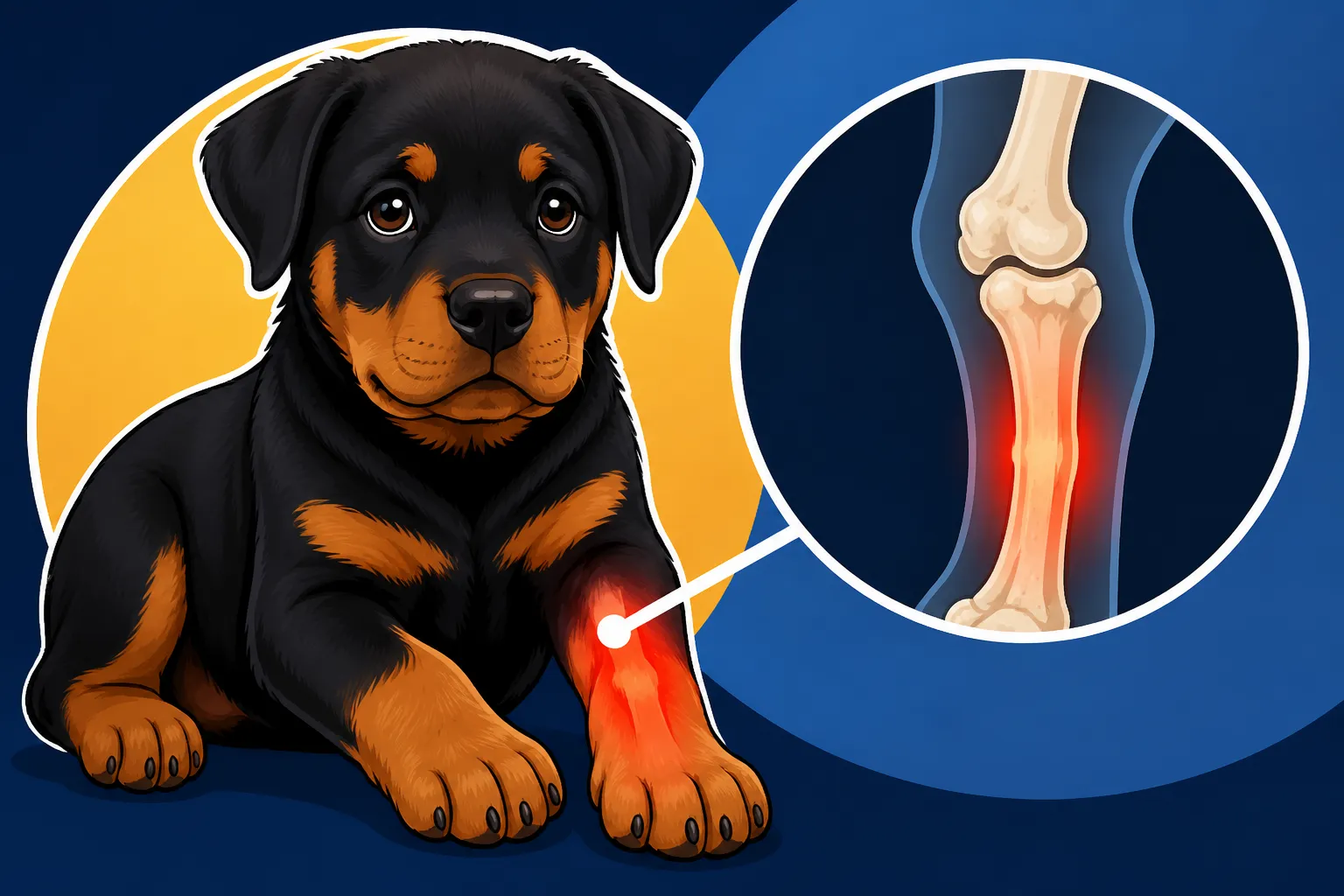
Panosteitis, affectionately shortened to "pano" by many veterinarians, is an inflammatory condition affecting the long bones of growing dogs. Think of the long bones in their legs – the humerus in the front leg, the radius and ulna below that, and the femur in the hind leg, with the tibia and fibula lower down. With pano, the inflammation occurs primarily in the marrow cavity (the center of the bone) and the outer covering of the bone, known as the periosteum. It’s important to understand that this isn’t an infection, nor is it caused by trauma in most cases. Instead, it’s a sterile inflammation, meaning no bacteria or fungi are involved.
The exact cause of panosteitis isn't fully understood, but it's strongly linked to the rapid bone development seen in large breeds. During periods of fast growth, there can be a disturbance in the bone formation process, leading to the painful inflammation. The bone literally grows too fast for its own good in some areas, causing microscopic changes and irritation within the bone itself. It’s a self-limiting condition, meaning it almost always resolves on its own once the puppy matures and their rapid growth phases slow down, typically by the time they reach 18 to 20 months of age, or sometimes even up to 2 years old.
Why Rottweilers Are Prone to Pano
Rottweilers, being a large and robust breed, are unfortunately prime candidates for panosteitis. Their genetic predisposition for rapid, substantial growth puts them squarely in the risk category. It’s not uncommon to see a Rottweiler puppy put on several pounds a week during their peak growth phases, and this accelerated development can sometimes trigger pano. While genetics certainly play a role, it’s not strictly inherited in the same way some other orthopedic conditions might be. Rather, it’s the trait of fast growth that is passed down.
Beyond genetics, other factors are thought to contribute to a Rottweiler's susceptibility. Nutrition, specifically diets too high in calories or protein, which can accelerate growth even further, might increase the risk. Over-supplementation, especially with calcium, can also be detrimental, as it can disrupt the delicate balance required for healthy bone development. We'll delve deeper into appropriate nutrition for growing Rottweilers later in this guide. Excessive or inappropriate exercise during critical growth periods can also place undue stress on developing bones. It’s a delicate balance to strike, providing enough activity for a high-energy breed without overdoing it. Other breeds commonly affected include German Shepherds, Basset Hounds, Great Danes, and Saint Bernards – all breeds known for their impressive size and swift development.
Recognizing the Signs of Panosteitis
One of the trickiest things about panosteitis is how its symptoms can appear and disappear, sometimes leaving owners baffled. It's often referred to as "shifting leg lameness" because the pain doesn't necessarily stay in one place, making it hard to pin down.
The Classic Shifting Lameness
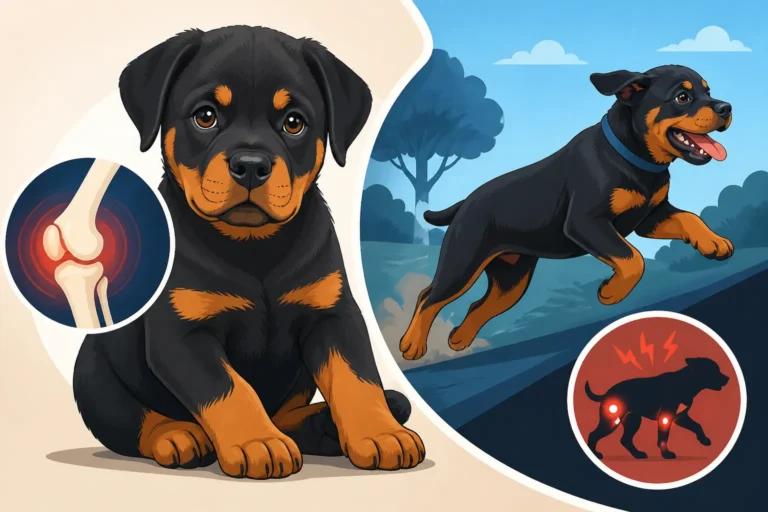
The hallmark symptom of panosteitis is indeed a "shifting lameness." This means your Rottweiler puppy might limp on one front leg for a few days, then seemingly recover, only to start limping on a hind leg a week later. Or, even more confusingly, they might limp on multiple legs at once, or alternate between a front and a back leg. This unpredictable nature is a key indicator that differentiates pano from a singular injury or a more fixed orthopedic problem like hip or elbow dysplasia.
The lameness itself can vary widely in intensity. Sometimes it's a very subtle limp, barely noticeable unless you're watching them closely during play. Other times, it can be quite severe, causing your puppy to refuse to put weight on the affected leg at all, leading to significant distress for both you and your dog. The onset can be sudden, seemingly overnight, with your pup waking up sore and unwilling to bear weight. This waxing and waning nature, coupled with the "shifting" aspect, is what often leads owners to suspect something more serious, when in fact, it might just be pano. It’s important to keep a close eye on your puppy and note down which leg seems affected and for how long, as this information will be invaluable to your vet.
Other Observable Symptoms
While shifting lameness is the most prominent sign, other symptoms can accompany panosteitis, giving you further clues. One of the most telling signs is pain on palpation. If you gently but firmly press along the long bones of your puppy’s legs – specifically the shaft of the bone – and they yelp, pull away, or show signs of discomfort, this strongly points to pano. It's often a deep, aching pain, and your pup will likely make it very clear that they don’t appreciate you touching the affected area.
Beyond localized pain, your Rottweiler puppy might also exhibit more generalized signs of discomfort. They may become lethargic, less enthusiastic about playing, or generally more subdued. A normally boisterous puppy might suddenly prefer to just lie down. In more severe or prolonged cases, you might notice a decreased appetite, which is always a concern in a growing puppy. Though less common, a low-grade fever can also sometimes accompany the inflammation. It's worth remembering that these symptoms can also come and go, mirroring the fluctuating nature of the lameness itself. It's never a bad idea to reach out to your veterinarian if your puppy shows any signs of pain or discomfort, as early diagnosis can lead to quicker relief for your furry friend.
Diagnosing Panosteitis in Your Rottweiler
When your Rottweiler puppy starts limping, the first call should always be to your veterinarian. Distinguishing panosteitis from other, more serious conditions is crucial, and a proper diagnosis will ensure your pup gets the right treatment and care.
The Veterinary Examination and History
Your vet will start with a comprehensive physical examination. This isn't just a quick look; it involves a thorough palpation of all your puppy's long bones, from the shoulders and elbows down to the wrists, and from the hips and stifles down to the ankles. The vet will be looking for specific points of pain, swelling, or heat along the bone shafts. They'll also observe your puppy's gait, both at a walk and trot, to assess the degree and nature of the lameness. It's helpful if you can describe the history of the lameness in detail: when it started, which legs have been affected, if it shifts, how long each episode lasts, and what, if anything, seems to make it better or worse.
Providing a detailed history of your puppy’s age, breed, growth rate, current diet (including any supplements), and exercise regimen is incredibly important. This information helps the vet rule out other potential causes of lameness in growing dogs. For instance, a very young puppy might have a growth plate injury from a fall, while an older, heavier puppy might be showing early signs of conditions like Rottweiler Hip Dysplasia Symptoms Before Age Two or Rottweiler Elbow Dysplasia and Front Leg Lameness. The vet's clinical experience, combined with your detailed observations, forms the first critical step in narrowing down the possibilities.
The Role of X-rays
While a thorough physical exam provides strong clues, X-rays are often necessary to definitively diagnose panosteitis and rule out other bone conditions. The vet will typically take radiographs of the long bones, especially those where pain has been localized. What they're looking for on the X-rays are characteristic changes within the bone marrow cavity. These can appear as patchy, cloudy areas of increased density (sclerosis) or a blurring of the normal bone architecture. These changes indicate the inflammation and increased bone production associated with pano.
However, there's a catch: X-ray changes can sometimes lag behind the clinical symptoms. This means a puppy could be experiencing significant pain from panosteitis, but the X-rays might still appear normal in the early stages. If your vet strongly suspects pano based on the exam and history, but the initial X-rays are clear, they might recommend a course of pain medication and then repeat the X-rays in a few weeks if the symptoms persist. This allows time for the bone changes to become more visible. It's also important to X-ray all affected limbs, as the condition can be present in multiple bones, even if only one seems overtly painful at a given moment. In some cases, a good pet insurance plan, like those offered by Healthy Paws, can be incredibly beneficial in covering the costs associated with diagnostic imaging and repeat visits, alleviating financial stress during these uncertain times.
Managing Panosteitis and Alleviating Discomfort
The good news about panosteitis is that it's typically self-limiting. However, during the active phases, your Rottweiler puppy will be in pain, and effective management is key to their comfort and well-being.
Pain Management Strategies
The cornerstone of treating panosteitis is pain management. Non-Steroidal Anti-Inflammatory Drugs (NSAIDs) are usually prescribed to reduce both pain and inflammation. Common veterinary NSAIDs include carprofen (Rimadyl), meloxicam (Metacam), or firocoxib (Previcox). Your vet will carefully calculate the correct dosage based on your Rottweiler puppy's weight and may monitor them for any potential side effects, such as gastrointestinal upset or kidney issues, especially with long-term use. It's crucial to never give human NSAIDs like ibuprofen or naproxen, as these can be toxic to dogs. Always stick to the medication prescribed by your veterinarian.
For puppies experiencing more severe pain, or those who don't tolerate NSAIDs well, your vet might consider adding other pain relievers. Gabapentin, for example, is sometimes used as an adjunctive therapy, particularly for nerve-related pain, although its role in pano is primarily for general discomfort. These medications won't cure panosteitis, as it needs to run its course, but they will significantly improve your puppy's quality of life during the painful episodes. Always discuss any changes in your puppy's pain level or response to medication with your vet.
Supportive Care and Lifestyle Adjustments
Beyond medication, supportive care and temporary lifestyle adjustments are vital for a comfortable recovery. Rest is paramount during active flare-ups. This doesn't necessarily mean crate rest 24/7, but it does mean limiting strenuous activity. No long runs, no jumping off furniture, and generally keeping playtime gentle and supervised. Short, leashed walks for potty breaks are usually fine, but avoid anything that causes your pup to limp more. As your Rottweiler grows, remembering guidelines like A Growing Rottweiler's Joints and Overexercise can help prevent future issues, even after pano resolves.
Some owners find that warm compresses or gentle massage over the affected areas can provide temporary relief, if your puppy tolerates it. Just be sure not to apply too much pressure or cause additional pain. Perhaps the most important long-term supportive measure is maintaining a lean body condition. Extra weight places undue stress on growing bones and joints, potentially exacerbating pain or prolonging recovery. This is a critical factor for Rottweilers throughout their lives, as Rottweiler Obesity and the Load It Adds can impact overall joint health. Remember, panosteitis is a self-limiting condition. While it can be frustrating and worrying, most Rottweiler puppies make a full recovery as they mature, typically by 18-20 months of age, with no lasting effects. Patience and consistent care are your best tools.
Nutritional and Exercise Considerations for Prevention
While panosteitis can't always be entirely prevented, especially in genetically predisposed breeds like Rottweilers, careful attention to diet and exercise during their rapid growth phase can significantly reduce the risk and severity.
Appropriate Large Breed Puppy Nutrition
Feeding a Rottweiler puppy correctly is paramount, as their unique growth needs differ significantly from smaller breeds. The goal is controlled growth, not accelerated growth. You want them to reach their genetic potential for size, but to do so steadily and safely, allowing their bones to mature properly. This means choosing a high-quality, large-breed specific puppy food. These formulas are specifically designed with lower calorie density and carefully controlled calcium-to-phosphorus ratios.
Many well-meaning owners think "more is better" when it comes to feeding a growing puppy, but with Rottweilers, this can backfire. Overfeeding can lead to excessively rapid growth, increasing the likelihood of developmental orthopedic diseases, including panosteitis. It's also crucial to avoid over-supplementation, especially with calcium. While calcium is vital for bone health, too much can be detrimental, disrupting the delicate balance needed for proper bone development. For a deeper dive, read about Rottweiler Calcium Limits and Why Supplements Hurt. Always measure your puppy's food according to the manufacturer's guidelines for their target adult weight and current age, adjusting as needed to maintain a lean body condition. As discussed in Feeding a Rottweiler Puppy That Grows for Two Years, their nutritional needs are complex and require careful management.
Mindful Exercise and Activity
Just like nutrition, exercise needs to be carefully managed during your Rottweiler's puppyhood and adolescence. Their growth plates, which are areas of cartilage at the ends of long bones where bone growth occurs, remain open and vulnerable for a surprisingly long time – often until they are 18 to 24 months old. This means that while they might look like sturdy adults, their skeletal system is still very much a work in progress. For a full understanding, check out Rottweiler Growth Plates and Why They Close So Late.
Strenuous or prolonged exercise, such as forced running, jumping from high places, or excessive play on hard surfaces, can put undue stress on these developing bones and joints. A good rule of thumb is the "five-minute rule" for walks: no more than five minutes of structured exercise per month of age, twice a day. So, a four-month-old Rottweiler puppy would get two 20-minute walks a day. This allows for mental stimulation and some physical activity without overtaxing their fragile growth plates. While playing is natural, avoid roughhousing or activities that involve repeated jumping or hard landings. Prioritizing structured, moderate activity will support healthy development and minimize the risk of conditions like panosteitis, ultimately leading to a more robust adult Rottweiler. Even seemingly innocuous activities, like letting a Why a Rottweiler Should Not Jump Down From the Car can cause problems.
Long-Term Outlook and What to Expect
Hearing your puppy has panosteitis can be alarming, but understanding the long-term prognosis can provide much-needed reassurance. While it's certainly painful for your Rottweiler in the short term, it's generally not a cause for lasting worry.
Full Recovery and No Lasting Effects
The most reassuring aspect of panosteitis is its self-limiting nature. This means that it will eventually resolve on its own, typically by the time your Rottweiler puppy reaches skeletal maturity, usually around 18 to 20 months of age, or sometimes up to 24 months. What's even better is that it generally resolves without any long-term lameness, chronic pain, or predisposition to conditions like arthritis later in life. Once the growth plates close and the rapid growth slows down, the inflammation subsides, and the bone remodels back to normal.
The bone changes seen on X-rays, which might have initially confirmed the diagnosis, will often disappear completely as the puppy matures. You might still have to manage occasional flare-ups during their growth phase, but each one is typically a temporary hurdle. The key is consistent pain management and supportive care during these episodes. Many owners, especially with the help of pet insurance providers like Healthy Paws, find that managing these intermittent episodes becomes more predictable over time, allowing them to provide prompt relief for their growing pup. Ultimately, your Rottweiler should grow into a healthy adult with no lingering issues from their bout with pano.
Differentiating from More Serious Conditions
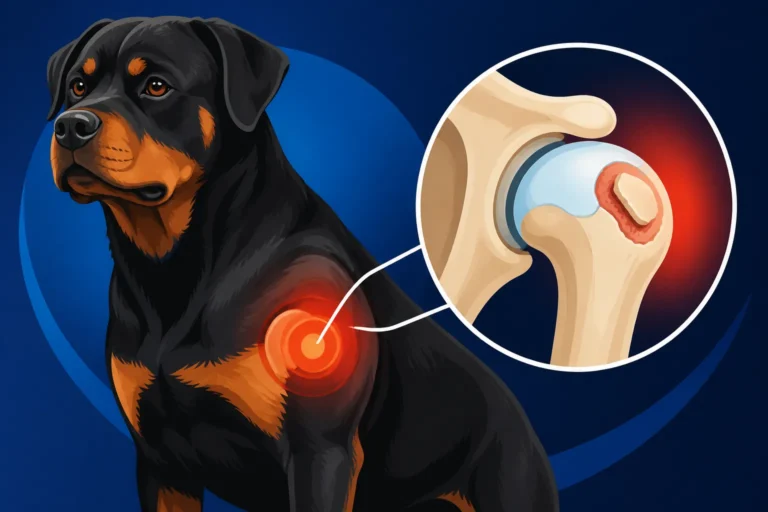
While panosteitis has a good prognosis, it’s vital that any persistent lameness in a growing Rottweiler puppy is properly evaluated by a veterinarian. This is because several other orthopedic conditions can present with similar symptoms, and some of these can have much more serious long-term consequences. For instance, conditions like Osteochondritis Dissecans in a Rottweiler Shoulder (OCD), a condition where cartilage doesn't form correctly and can detach from the bone, or true Rottweiler Hip Dysplasia and the OFA Grade, can also cause lameness in young, large breed dogs. These conditions often require different, sometimes surgical, interventions and can lead to chronic arthritis if not managed appropriately.
Another frightening possibility is something like The First Limp That Turns Out to Be Bone Cancer. While exceedingly rare in puppies, this is why a vet's thorough examination and diagnostics, including X-rays, are non-negotiable. The age of onset, the pattern of lameness (shifting versus consistent), and the specific findings on physical examination and radiographs are what allow your veterinarian to make an accurate diagnosis. If your vet confirms panosteitis, you can breathe a sigh of relief knowing it’s a temporary, albeit painful, phase in your Rottweiler's journey to adulthood. If symptoms persist or worsen despite treatment, it's always worth a follow-up conversation with your vet to re-evaluate the diagnosis and ensure no other issues are at play.
Here's a quick comparison of common limping causes in Rottweiler puppies:
| Condition | Typical Onset Age | Lameness Pattern | Pain Location | X-ray Findings (General) | Prognosis (Generally) |
|---|---|---|---|---|---|
| Panosteitis | 5-18 months | Shifting, intermittent | Long bone shafts | Increased bone density | Excellent, self-limiting |
| Hip Dysplasia | 4-12 months (can be later) | Consistent or worsening in hind | Hip joint | Joint laxity, degenerative changes | Variable, can lead to arthritis |
| Elbow Dysplasia | 4-12 months | Consistent or worsening in front | Elbow joint | Cartilage defects, bone fragments | Variable, can lead to arthritis |
| OCD | 4-12 months | Consistent, often in shoulder | Shoulder, elbow, stifle | Cartilage flap, bone defect | Variable, often needs surgery |
| Trauma | Any age | Sudden, localized | Specific injury site | Fracture, sprain, soft tissue | Varies with injury type |
Disclaimer
The information provided in this guide is for general informational purposes only and is not intended as a substitute for professional veterinary advice, diagnosis, or treatment. Always seek the advice of your veterinarian or other qualified animal health provider with any questions you may have regarding a medical condition or the health and welfare of your pet.