How the Rottweiler Standard Has Shifted Over Time
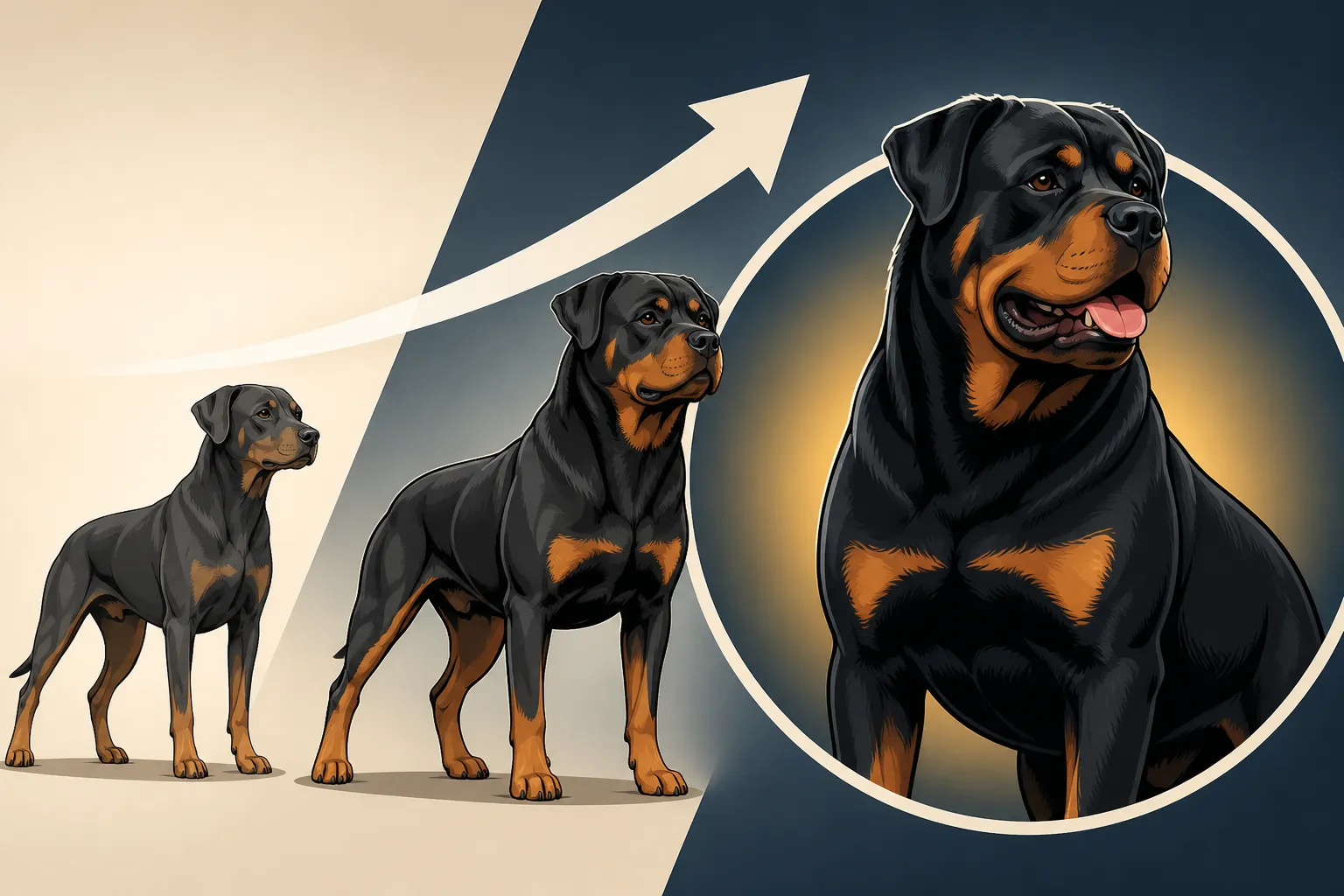
Many of us have a picture in our heads when we hear "Rottweiler," a powerful, self-assured companion. But that very image, from its physical traits to its deeper character, hasn't always been set in stone. The official breed standard, the blueprint that guides breeders and judges, has actually been shaped by centuries of purpose, near extinction, and the dedicated efforts of fanciers. It's a living document, reflecting how our understanding and appreciation of this magnificent dog have evolved. This guide will walk you through the fascinating journey of how the Rottweiler breed standard has shifted over time, clearing up common misconceptions and highlighting the enduring qualities that truly define the breed.
From Working Dog to Written Document: The Genesis of the Rottweiler Standard
Before there were official clubs, fancy pedigrees, or even ink on paper defining what a Rottweiler should be, there was simply a job to be done. The earliest "standards" for these dogs were purely functional, dictated by the rugged demands of a life spent droving cattle and guarding valuable goods in the bustling markets of southern Germany.
The Butcher's Dog and its Informal Demands
Imagine the old Roman drover dogs, descendants of the Molossus type, making their way into the Germanic region around the town of Rottweil. These were not pets; they were essential members of a working team. Their purpose was clear: move large, often unruly, herds of cattle across vast distances and protect the drover's earnings from bandits. The qualities that made a dog excel at this were its very "standard." A dog needed immense physical strength to control a bull, unwavering courage to face down threats, and incredible stamina for long journeys. A dog that couldn't handle the physical rigors, or lacked the protective instinct, simply wouldn't have been kept or bred.
The local butchers, or Metzger, in Rottweil eventually adopted these dogs, relying on them heavily. This gave the breed its original name: "Rottweiler Metzgerhund," or Rottweil Butcher's Dog. Their job expanded to pulling small carts laden with meat, guarding stalls, and even keeping money in a pouch around their necks. So, an effective "Metzgerhund" implicitly needed a powerful build, a strong guarding instinct, and a calm but watchful demeanor in a busy environment. These were the unwritten rules of the breed, shaped by necessity rather than aesthetics. If you want to dive deeper into their ancient lineage, check out The Roman Drover Dogs Behind the Rottweiler and What a Metzgerhund Did in a Day's Work.
Rescuing a Breed: Early Formalization Efforts
The arrival of railways in the 19th century dramatically changed the Rottweiler's fortunes. Suddenly, cattle could be transported by train, rendering the droving dog largely obsolete. Without their traditional job, the breed faced a severe decline, almost to the point of extinction. It was a terrifying time for any breed fancier, seeing these magnificent dogs disappear before their eyes.
Thankfully, a few dedicated individuals recognized the Rottweiler's inherent value and began efforts to save it. This period, around the turn of the 20th century, marked the very first attempts to create a written breed standard. The goal was to preserve the essential characteristics that made the Rottweiler unique. These early standards were a compromise: they acknowledged the breed's working heritage but also began to codify its physical appearance, ensuring that future generations would consistently display the traits deemed important. Early clubs like the Deutscher Rottweiler-Klub (DRK) and eventually the Allgemeiner Deutscher Rottweiler-Klub (ADRK) in Germany played a crucial role. This was a pivotal moment, shifting from an informal, utility-driven "standard" to a formal, documented one. It was literally a fight to keep the breed alive, and you can learn more about this challenging period in How Few Rottweilers Were Left by 1900 and how The German Clubs That Set the Rottweiler Standard formalized the breed.
Defining the Rottweiler: Key Shifts in Appearance and Temperament
Once the Rottweiler breed was formally recognized and written standards began to emerge, certain aspects of its appearance and temperament became codified. Over the decades, these descriptions have been refined, sometimes subtly, sometimes dramatically, reflecting changes in societal views, breeding practices, and a deeper understanding of the breed itself.
The Evolving Rottweiler Physique: Head, Body, and Tail
Historically, the Rottweiler was bred for robustness and strength. Early standards focused on a powerful, rectangular build, a broad chest, and a strong, muscular frame capable of demanding physical work. The head was always important, described as broad between the ears, with a strong muzzle. The bite, naturally, had to be a strong scissor bite, perfectly suited for gripping.
Perhaps one of the most visible and controversial shifts in the Rottweiler standard concerns the tail. For centuries, Rottweilers had their tails docked. The original purpose was practical: to prevent injury during cattle droving or cart pulling. A long, wagging tail could easily get stepped on, caught, or injured in a fight. As Rottweilers moved from farms to homes, the docking continued, largely out of tradition and a belief that it was "part of the breed." However, as animal welfare concerns grew and the breed's primary function changed, many countries and kennel clubs around the world began to ban or discourage tail docking. Today, in many places, a natural, undocked tail is not only accepted but preferred, or even mandated by law, for show dogs. This is a significant shift, altering the silhouette of the Rottweiler dramatically. You can explore the full history of this change in Rottweiler Tail Docking and Where It Stands Now.
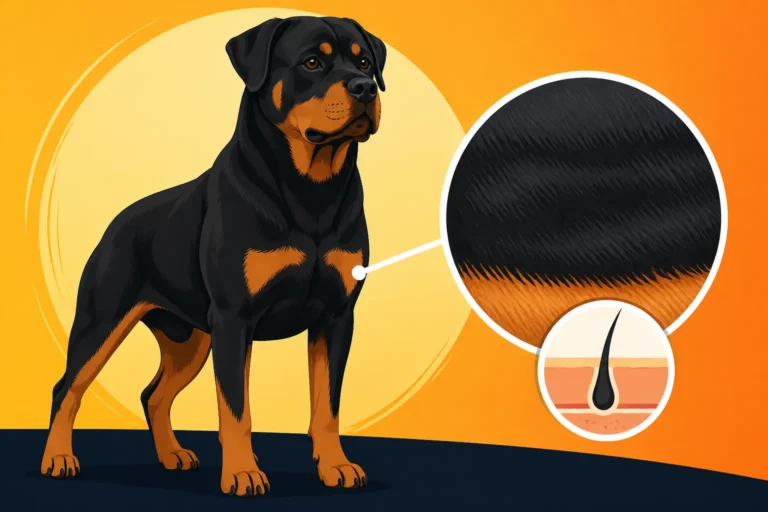
Other physical descriptions have seen minor refinements, aiming for clarity and consistency. The standard specifies everything from eye color (dark brown) to the exact placement of the rust markings, and the desired coat (short, coarse, and dense). Over time, there's been an emphasis on a strong, masculine or feminine head, appropriate for the dog's sex, and movement that is powerful and ground-covering. The desire for a perfectly proportioned dog, where the length of the body is slightly longer than the height at the shoulder, remains a constant goal for breeders. Details about the head are fascinating; read more about them in The Rottweiler Skull and Stop in the Standard.
Temperament: More Than Just a Guard Dog
Beyond its imposing physical presence, the Rottweiler's temperament is arguably its most defining characteristic, and its description in the standard has also evolved, though its core essence remains. Early standards implicitly understood the temperament required for a working dog: fearless, confident, intelligent, and fiercely protective.
Modern standards refine this, emphasizing a "calm, confident, and courageous dog with a self-assured aloofness." This "aloofness" is key – it's not shyness or aggression, but a discerning nature. A true Rottweiler doesn't rush to greet every stranger with effusive enthusiasm. Instead, it takes a moment, assesses the situation, and then decides how to respond. This careful observation is part of its working heritage; a drover's dog couldn't be easily distracted or overly friendly with every passerby. It needed to be focused on its task and its charges. This innate guarding instinct is still celebrated, but it's always paired with the demand for stability and good nature with its own family. The standard stresses that aggression or shyness are serious faults. A well-bred Rottweiler should be steadfast and dependable, not volatile. The phrase "even-tempered" often appears, highlighting the importance of a dog that can remain composed under various circumstances. Understanding this subtle distinction is crucial for appreciating the breed's true character. Dive deeper into this aspect with The Calm Confidence a Rottweiler Standard Asks For and Rottweiler Temperament and That Self-Assumed Aloofness.
Modern Interpretations and International Variations of the Standard
Today, the Rottweiler standard is a detailed document, meticulously describing the ideal dog. However, even with formal written standards, interpretation can vary, and geographical differences lead to distinct lines and preferences. This ongoing evolution ensures the breed remains sound and fit for purpose, even as "purpose" itself adapts.
The Role of Health and Function in Today's Standard
While the physical description of a Rottweiler makes up the bulk of any breed standard, the underlying commitment to health and functionality has become an increasingly integral part of responsible breeding, even if not explicitly listed as a "physical trait." Modern standards implicitly demand a dog that is structurally sound enough to perform its duties, whether that's working as a police dog, participating in protection sports, or simply being a healthy, active family companion.
This emphasis manifests in the requirement for various health clearances before breeding. Dogs intended for breeding should be screened for genetic conditions common in the breed, such as hip and elbow dysplasia, cardiac issues, and certain eye diseases. For example, in the United States, the Orthopedic Foundation for Animals (OFA) and the Canine Health Information Center (CHIC) programs encourage extensive health testing. While a specific hip score isn't part of the written standard's physical description, breeders striving for the ideal Rottweiler will absolutely prioritize parents with excellent hip and elbow scores, knowing that structural soundness is fundamental to the breed's ability to move powerfully and remain active throughout its life. This commitment to health ensures that the "ideal" Rottweiler is not just aesthetically pleasing but also a functional, long-lived companion. You can read all about these crucial tests in The Five Clearances a Rottweiler Breeder Must Have and The Five Evaluations a Rottweiler Needs for CHIC.
When you're looking for supplements to support joint health or high-quality food to maintain that powerful physique and lean body condition, considering reputable retailers like Chewy can help you find products that align with these health-conscious breeding goals. They often carry the large-breed specific formulas and joint support options that a Rottweiler requires.
German vs. American Standards: Subtle Yet Significant Differences
While there's a general understanding of what a Rottweiler should be, subtle differences have emerged between national standards, most notably between the German ADRK (Allgemeiner Deutscher Rottweiler-Klub) standard and the American Kennel Club (AKC) standard. These variations often reflect different priorities or historical interpretations.
The ADRK standard, for instance, is often seen as placing a slightly heavier emphasis on working ability and stricter adherence to original breed type. They have very specific requirements for breeding, including working titles, physical evaluations, and temperament tests, all before a dog can be approved for breeding. The focus is very much on maintaining the Rottweiler as a true working dog.
The AKC standard, while comprehensive, tends to be more focused on conformational aspects for the show ring, though it still demands a sound temperament. American Rottweilers might sometimes appear slightly heavier in bone or have subtle differences in head shape compared to their German counterparts, though these are often debated and can be quite nuanced.
Here's a simplified comparison of some key points where standards might show slight variations:
| Aspect | Early Functional "Standard" (Metzgerhund) | German ADRK Standard (Modern) | American AKC Standard (Modern) |
|---|---|---|---|
| Purpose | Cattle droving, guarding, cart pulling | Working dog (schutzhund, police), companion, show | Companion, show, various dog sports |
| Temperament | Fearless, protective, stable, strong-willed | Confident, calm, courageous, discerning, high working drive | Calm, confident, courageous, self-assured, aloof but good-natured |
| Build | Robust, powerful, strong, good stamina | Powerful, rectangular, muscular, agile, well-proportioned | Powerful, massive, muscular, substantial bone, noble appearance |
| Tail | Docked (for practical reasons) | Natural tail preferred/required in many regions | Docked or natural (natural increasingly accepted/preferred) |
| Breeding | Based on working ability, health not documented | Strict health, temperament, and working requirements | Health clearances encouraged, conformation focused |
These differences, while subtle to the untrained eye, can lead to different breeding goals and preferences among fanciers. However, the overarching goal for both remains the same: to produce a healthy, stable, and true-to-type Rottweiler. How German and American Rottweiler Type Diverged offers a deeper look into this fascinating topic.
Why Understanding the Standard Matters for Owners
For prospective and current Rottweiler owners, understanding the breed standard isn't just about winning ribbons in the show ring. It's about appreciating the historical context of your dog, setting realistic expectations for its behavior and physical needs, and ensuring you can advocate for its health and well-being.
Navigating the Breed's Reputation
The Rottweiler, unfortunately, has carried a reputation that sometimes doesn't align with its true nature. Part of this comes from a misunderstanding of its temperament as described in the standard. An owner who understands that "aloofness" means a calm assessment rather than immediate friendliness, or that a deep protective instinct requires responsible socialization and training, is better equipped to manage their dog in public and counter negative stereotypes.
Knowing the standard helps you understand why your Rottweiler might be reserved with strangers, or why it leans into you with its full weight (a classic Rottweiler behavior rooted in trust and herding instincts). It allows you to educate others and be a responsible ambassador for the breed. When you understand the breed's historical function and the traits it was bred to possess, you can better anticipate its needs and provide appropriate outlets for its energy and intelligence. The media often exaggerates, but knowing the standard helps you differentiate between fact and sensationalism when it comes to your dog. Learning more about this can be eye-opening; consider Why Rottweiler Reputation and Reality Diverge.
Supporting a Sound and Healthy Rottweiler
The standard is a guide not just for looks, but for a dog's overall soundness. A Rottweiler bred to standard should be structurally capable of a long, active life. As an owner, this means you have a responsibility to support that soundness. This involves providing proper nutrition, ensuring adequate exercise without overdoing it, and staying on top of preventative veterinary care.
For example, the standard describes a powerful, muscular build. This means your Rottweiler needs appropriate large-breed dog food throughout its life to support healthy growth and maintain an ideal body weight as an adult. Overfeeding a Rottweiler can lead to obesity, which puts undue strain on those powerful joints that the standard envisions. Finding reliable sources for quality food, supplements, and durable gear (like heavy-duty leashes or beds that can withstand a big dog's weight) is crucial. Stores like Chewy are great for this, offering a wide selection of products designed for large, active breeds. By consciously making choices that align with supporting the health and functionality inherent in the breed standard, you're not just caring for your pet; you're upholding the legacy of the Rottweiler Metzgerhund.
The shifts in the Rottweiler standard over time tell a story of a breed's journey from a humble working dog to a beloved companion and show dog. It's a testament to the dedication of breeders and fanciers who have worked to preserve its core essence while adapting to a changing world. For us, as owners, understanding this history deepens our bond with these incredible dogs and empowers us to give them the best possible life.
Disclaimer
This article is for general informational purposes only and does not constitute professional advice. Laws, prices and regulations vary by location and change over time. Consult a qualified professional for guidance on your specific situation.