Osteosarcoma Signs in a Rottweiler Leg
It’s a heart-stopping moment for any Rottweiler owner: that first subtle limp, the one that makes you wonder if it’s just a clumsy step, a bit of soreness, or something far more sinister. The fear of what that limp could mean, especially as our beloved, powerful dogs age, is a heavy burden. This guide is dedicated to helping you recognize the often-subtle signs of osteosarcoma in your Rottweiler’s leg, empowering you to seek timely veterinary care when every moment counts.
Understanding the Early Warning Signs of Osteosarcoma
Osteosarcoma, an aggressive bone cancer, often presents with insidious symptoms that can be easy to dismiss at first. Because Rottweilers are known for their stoicism and high pain tolerance, you might not see obvious distress until the disease has progressed significantly. Learning to spot these early, often nuanced, indicators is absolutely crucial.
The Persistent or Intermittent Limp
The most common initial sign of osteosarcoma is a limp, or lameness, in one of your Rottweiler's legs. What makes this so tricky is that it often doesn't start as a dramatic, non-weight-bearing injury. Instead, it might appear intermittently, perhaps after a strenuous walk or a burst of play, and then seem to disappear for a few days, only to return with greater intensity. You might initially write it off as a sprain, a minor muscle pull, or even just general stiffness associated with age or breed-specific joint issues.
However, unlike a typical soft tissue injury that tends to improve with rest, a limp caused by osteosarcoma usually worsens over time. It progresses from a subtle favoring of the limb to a noticeable, consistent limp, and eventually, the dog may refuse to put any weight on the leg at all. This deep, gnawing bone pain is relentless, and while your Rottweiler might try to hide it, the physical manifestation of trying to alleviate that pressure becomes evident. This is often the first symptom that sends owners scrambling to the vet, and it's vital not to delay once it becomes consistent. Owners often describe the initial limp as subtle, perhaps just a slight head bob while walking or a slower pace.
Swelling and Warmth at the Affected Site
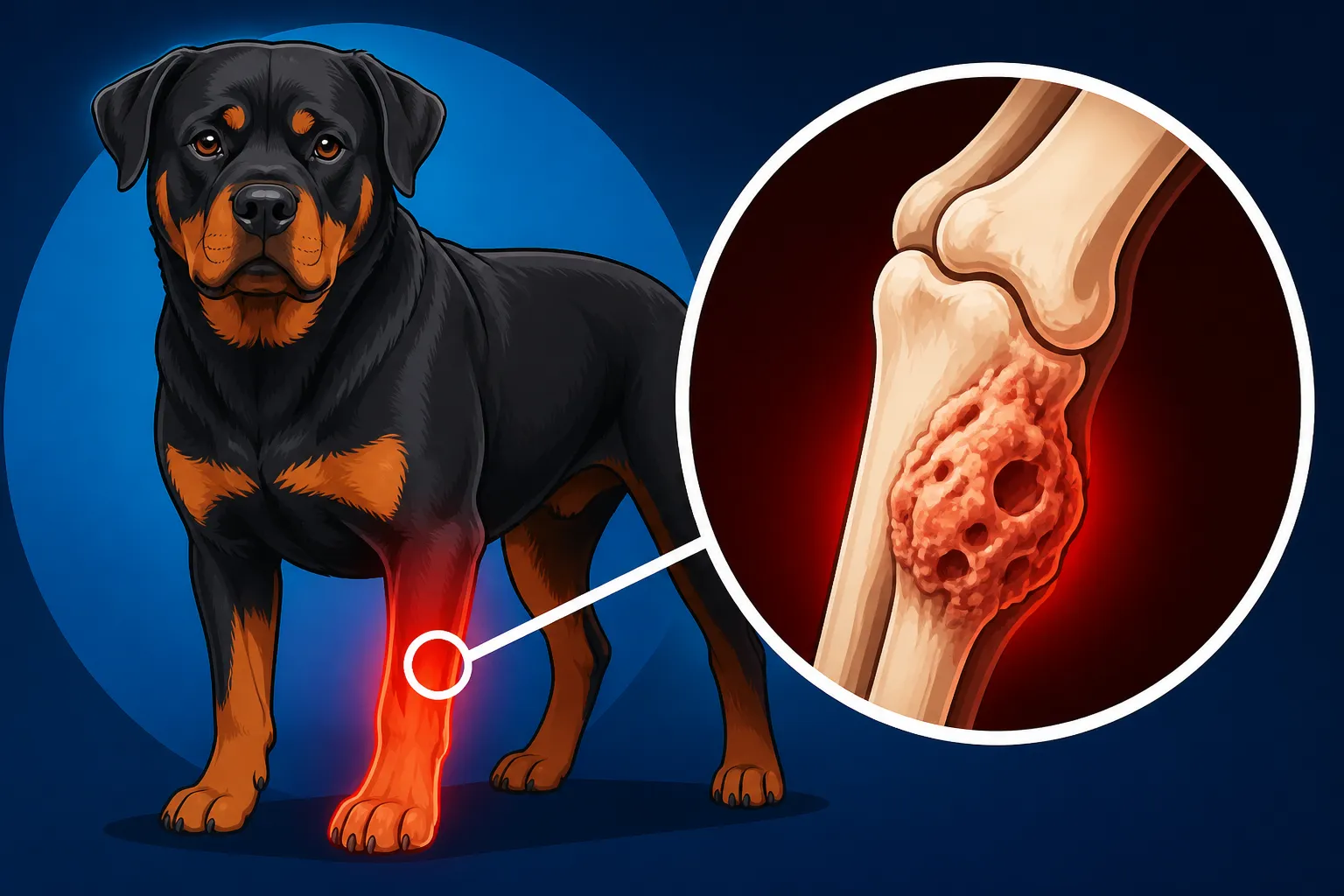
As the tumor grows, it begins to invade and destroy the surrounding bone tissue, which can lead to visible changes in the leg itself. Swelling is a hallmark sign, typically appearing as a hard, firm lump around the affected bone. This isn't the soft, squishy swelling you might see with a fluid buildup or a localized infection; rather, it feels like an unnatural bony enlargement. It's often found around the "growth plates" or the ends of the long bones, which are common sites for this type of cancer. For a deeper understanding of where these tumors usually appear, you might find our article on Where Osteosarcoma Usually Appears on a Rottweiler helpful.
Accompanying this swelling, you might also notice that the area feels warm to the touch. This warmth is due to the increased blood flow to the rapidly growing tumor and the inflammatory response occurring within the bone. Imagine the body trying to fight off an invader; the local temperature often rises. If you gently palpate your Rottweiler’s leg and feel a firm, warm swelling that wasn't there before, especially if combined with a limp, it's a serious red flag that warrants immediate veterinary investigation. This kind of swelling can be quite distinctive once it starts, making the limb look noticeably thicker or misshapen compared to the unaffected leg.
Behavioral Changes Indicating Pain
Rottweilers are incredibly resilient and often attempt to mask their pain, a trait likely inherited from their working dog ancestors. This can make diagnosing subtle discomfort a real challenge for even the most observant owner. However, chronic pain, especially from an aggressive cancer like osteosarcoma, will eventually manifest in behavioral shifts.
Reluctance to Exercise or Play
A tell-tale sign that something serious is wrong is a marked change in your Rottweiler's willingness to engage in their usual activities. If your dog, who normally bounds with enthusiasm at the mention of a walk or a game of fetch, suddenly seems hesitant, slow to get up, or completely uninterested, pay close attention. This isn't just a dog being lazy; it's a dog trying to avoid the intense pain that movement exacerbates. You might notice them choosing to lie down more frequently, struggling to climb stairs, or even hesitating before jumping into the car, something they once did with ease.
This reluctance isn't typically sudden; it often creeps in gradually, mirroring the progressive nature of the tumor. It’s different from the occasional stiffness you might see in a senior Rottweiler with arthritis; this is a deeper, more persistent unwillingness to move the affected limb. Keep a close eye on their gait when they do move; you might see them shifting their weight, taking shorter strides, or placing the painful leg down carefully. This avoidance behavior is a clear communication from your dog that they are in significant discomfort and need help.
Licking, Chewing, or Guarding the Leg
When a dog is experiencing deep, chronic pain, they will often try to self-soothe or alleviate the discomfort in various ways. One common manifestation is an obsessive focus on the painful limb. You might notice your Rottweiler constantly licking, chewing, or even gnawing at the affected area. This can sometimes lead to secondary issues like skin irritation, hair loss, or even open sores, which can further complicate diagnosis if those are the primary visible signs you notice first.
Beyond self-soothing, a Rottweiler experiencing severe bone pain might begin to guard the leg. This means they might pull it away if you try to touch it, vocalize (whine, yelp, or growl) when the area is approached or accidentally bumped, or even show a defensive snap if the pain is acute and unexpected. This guarding is a natural protective instinct. Your normally affectionate Rottweiler might suddenly become sensitive or even irritable if you inadvertently cause them pain. Understanding these behavioral cues, especially the subtle ones, is paramount, as they are often your Rottweiler's only way of telling you "this hurts." For managing the pain your Rottweiler may experience with bone cancer, our resource on Pain Control for a Rottweiler With Bone Cancer offers valuable insights.
Subtle Physical and Systemic Clues
Beyond the obvious limping and swelling, osteosarcoma can trigger a cascade of systemic responses in your Rottweiler's body. These less obvious signs can often be overlooked or attributed to other issues, but when viewed in conjunction with limb pain, they paint a clearer picture of a serious underlying condition.
Changes in Appetite and Weight Loss
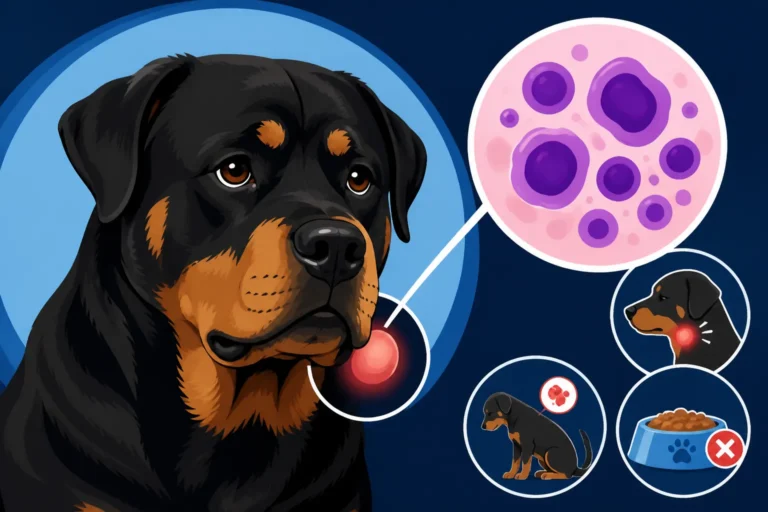
Battling an aggressive disease like cancer takes an immense toll on a dog's body. The constant pain from the tumor, coupled with the systemic effects of the cancer itself, can lead to a noticeable decrease in appetite. Your Rottweiler might start turning their nose up at meals they once loved, eat only a small portion, or take a much longer time to finish their food. This reduced food intake, combined with the body's increased metabolic demands to fight the disease, often results in gradual but significant weight loss.
This isn't typically a sudden, dramatic drop in weight, but rather a slow decline that can be hard to notice day-to-day, especially in a heavily-built dog like a Rottweiler. You might start to feel their ribs more easily, or notice their waist tucking in more than usual. This weight loss can also contribute to a general decline in muscle mass, further exacerbating any lameness. It's crucial to differentiate this from other causes of weight loss, but in the context of a limping Rottweiler, it becomes a concerning piece of the puzzle. Monitoring your Rottweiler's weight and appetite regularly can provide vital early indicators of internal struggles.
Lethargy and General Malaise
A dog dealing with chronic pain and a serious illness will rarely display the same vibrant energy they once did. Lethargy, or a general lack of energy and enthusiasm, is a common systemic sign of osteosarcoma. Your Rottweiler might sleep more than usual, seem less interested in daily walks or interactions, and generally appear subdued or "not themselves." They might take longer to respond to commands, or simply prefer to rest quietly rather than engaging with the family.
This general malaise stems from a combination of factors: the persistent pain draining their energy, the body allocating resources to fight the cancer, and potentially early signs of the cancer spreading (metastasis). While a certain amount of slowing down is normal as a Rottweiler enters its senior years, particularly when considering the Rottweiler Lifespan and the Eight to Ten Year Average, a sudden or marked increase in lethargy, especially when paired with a limp, should never be ignored. It's a sign that their body is under significant stress and requires immediate veterinary assessment. This feeling of being constantly unwell can greatly impact their quality of life, making prompt diagnosis and intervention even more critical.
Where Osteosarcoma Typically Appears in Rottweilers
Understanding the common sites for osteosarcoma in Rottweilers can help you be more vigilant in your observations and discussions with your veterinarian. This aggressive cancer isn't random in its chosen locations.
Common Sites in the Limbs
Osteosarcoma has a notorious preference for specific long bones in large and giant breed dogs like Rottweilers. Veterinarians often use the mnemonic "away from the elbow, towards the knee" to describe these common locations. Specifically, you should be aware of these areas:
- Distal Radius: This is the bone in the lower part of the foreleg, just above the wrist joint (carpus). It's one of the most frequent sites for osteosarcoma. A swelling here can be quite prominent.
- Proximal Humerus: Located in the upper part of the foreleg, near the shoulder joint. Tumors here can sometimes be harder to spot visually due to the musculature, but lameness and pain will be evident.
- Distal Femur: Found in the lower part of the thigh bone, just above the knee joint (stifle).
- Proximal Tibia: This is in the upper part of the shin bone, below the knee joint.
These regions, rich in growth plate activity during development, seem to be more susceptible to the abnormal cell growth characteristic of osteosarcoma. When examining your Rottweiler, gently palpate these areas, feeling for any lumps, warmth, or tenderness, especially if they are limping. Any abnormality in these locations, paired with lameness, should immediately raise a high level of suspicion. For more in-depth information on how quickly this type of cancer can progress, read our article How Fast Rottweiler Bone Cancer Progresses.
Distinguishing from Other Musculoskeletal Issues
The challenge with diagnosing osteosarcoma lies in the fact that its early signs can mimic many other, less severe, musculoskeletal problems common in Rottweilers. This breed is prone to various joint issues, such as Rottweiler Hip Dysplasia and the OFA Grade, elbow dysplasia, and arthritis, especially as they age. A limp could also be due to a sprain, a torn ligament, or even a condition like panosteitis in younger dogs.
Here's a quick comparison to highlight the differences:
| Symptom Feature | Osteosarcoma (Likely) | Common Joint Pain (Likely) |
|---|---|---|
| Onset | Often gradual, intermittent, then persistent | Can be sudden (injury) or gradual (arthritis) |
| Limp Progression | Worsens steadily over weeks, often very severe | May improve with rest/medication, fluctuates with activity |
| Swelling | Hard, firm, bony enlargement; often warm | Softer, diffuse swelling (fluid); sometimes warm |
| Pain Level | Intense, deep bone pain; often unyielding | Variable, often relieved by anti-inflammatories |
| Location | Typically ends of long bones (radius, femur, humerus) | Specific joint regions (hips, elbows, knees) |
| Systemic Signs | Lethargy, appetite loss, weight loss (later stages) | Less common unless pain is severe or other illness present |
| Palpation | Extremely painful when pressure applied to tumor site | Pain focused on joint movement or specific ligament attachment |
While arthritis might cause stiffness and a reluctance to move, it typically doesn't present with the specific, rock-hard swelling or the relentless, worsening pain of osteosarcoma. A cruciate tear, while causing severe lameness, usually has a distinct history of injury and localized pain within the knee joint. The key takeaway is this: never assume a persistent limp in a Rottweiler is "just arthritis" or a minor sprain. Always get it thoroughly checked out. Your veterinarian will consider all possibilities, but ruling out osteosarcoma should be a priority given its aggressive nature in this breed.
The Critical Need for Early Diagnosis
When it comes to osteosarcoma, time is truly of the essence. This aggressive cancer, unfortunately, is known for its rapid progression and tendency to metastasize (spread) quickly to other parts of the body, most commonly the lungs. Early detection doesn't guarantee a cure, but it significantly expands the treatment options available and can improve your Rottweiler's prognosis and quality of life.
The Urgency of Veterinary Consultation
If you observe any of the signs discussed – a persistent or worsening limp, unexplained swelling and warmth on a limb, or notable behavioral changes – do not delay. Schedule an appointment with your veterinarian immediately. While your vet may initially suspect a less serious issue, they should be well-versed in the breed-specific risks for Rottweilers and the aggressive nature of osteosarcoma. They will typically start with a thorough physical examination, focusing on palpating the affected limb and assessing your dog's gait.
The next critical step is almost always X-rays of the affected area. Bone cancer often shows a characteristic appearance on radiographs, including bone lysis (destruction) and periosteal reaction (new bone formation in response to the tumor). Our article on The X-Rays That Confirm Rottweiler Osteosarcoma can give you more context on what to expect. While X-rays can be highly indicative, a definitive diagnosis usually requires a bone biopsy. This is where a small sample of the bone is taken and sent to a pathologist for microscopic examination. Facing these diagnostic costs can be daunting, but many pet insurance providers, such as Healthy Paws, offer coverage for diagnostic tests, which can be a lifeline in such urgent situations. Having a good pet insurance policy can alleviate the financial stress, allowing you to focus on getting your Rottweiler the best care without hesitation.
Prognosis and Treatment Considerations
Sadly, osteosarcoma is an extremely aggressive cancer. Without intervention, the prognosis is often grim, with survival times typically measured in a few short months. However, with prompt diagnosis and treatment, we can often significantly extend a Rottweiler's quality lifespan. The most common and effective treatment often involves amputation of the affected limb, followed by chemotherapy to target any microscopic cancer cells that may have already spread.
While the thought of amputation can be terrifying for an owner of a large dog, many Rottweilers adapt remarkably well to life on three legs, especially when they are relieved of the excruciating pain of the tumor. You might be surprised to learn how well a dog can cope, as discussed in Whether a Three-Legged Rottweiler Copes at That Size. Chemotherapy protocols for dogs are generally well-tolerated and aim to improve survival without causing the severe side effects often seen in human chemotherapy. Other treatment options might include radiation therapy or palliative care focused solely on pain management, particularly if the cancer has spread extensively. The costs associated with these treatments – surgery, chemotherapy, and long-term pain medication – can be substantial. Again, this is where a comprehensive pet insurance plan from a provider like Healthy Paws can be incredibly valuable, covering a significant portion of these expenses and allowing you to pursue the best possible care for your cherished companion. Early action gives your Rottweiler the best possible chance at extending their time with you, filled with as much comfort and joy as possible.
Disclaimer
The information provided in this article is for informational purposes only and does not constitute veterinary advice. Always consult with a qualified veterinarian for any health concerns or before making any decisions about your pet's medical care.