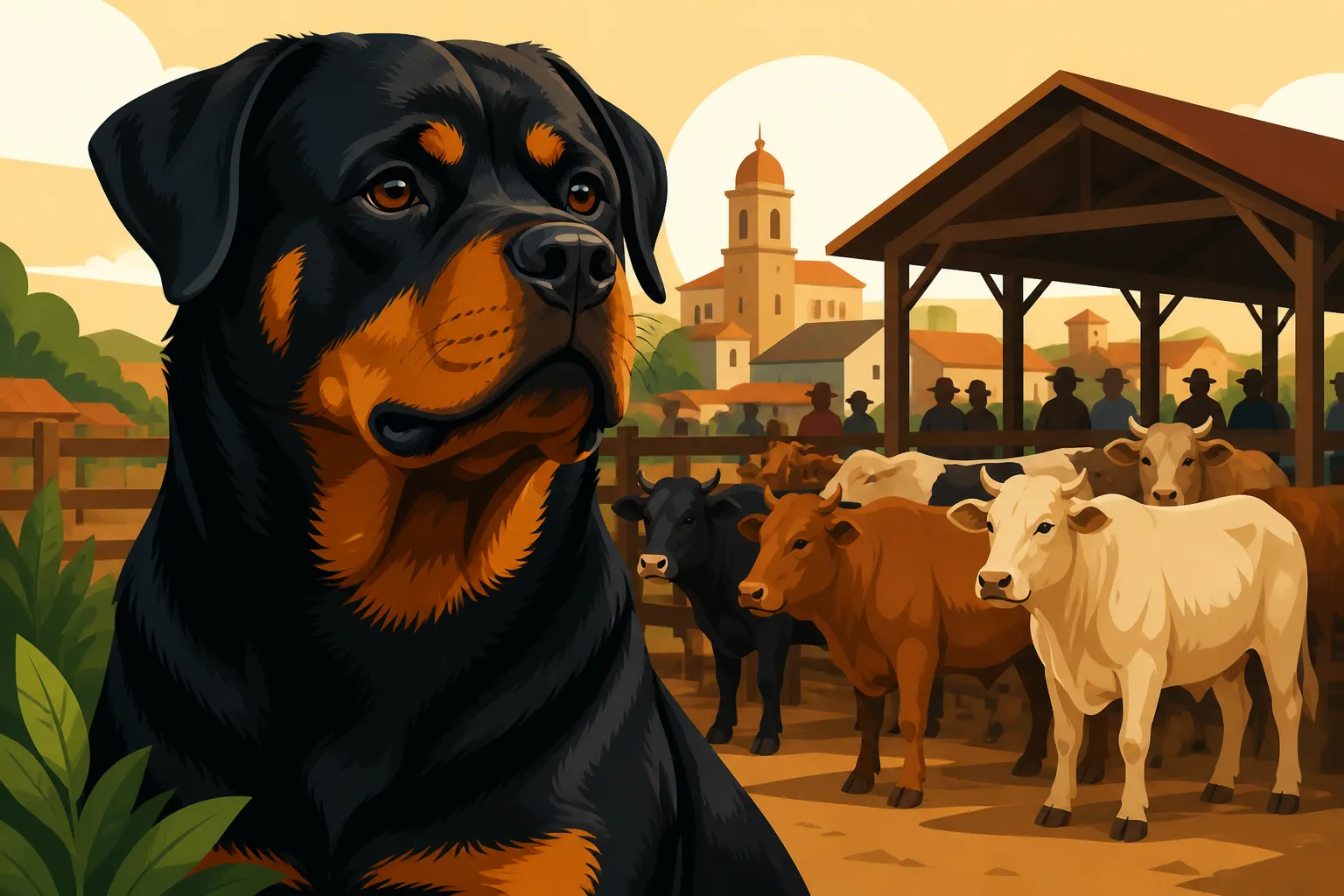
The Rottweiler’s Home Town as a Cattle Market
For anyone who has ever gazed into the deep, intelligent eyes of a Rottweiler, it’s easy to feel the weight of history behind them. But what many people don't realize is just how deeply the breed's origins are rooted in a specific place and a specific purpose that utterly shaped the dogs we know and love today. This guide will take you on a journey back to Rottweil, the bustling market town that not only gave the breed its name but also provided the very crucible in which the magnificent Rottweiler was forged, destined to be much more than just a pet.
The Ancient Roots of Rottweil: A Roman Legacy
Imagine a world before paved roads and refrigerated trucks, a time when communities relied heavily on their local livestock. This is the world that gave birth to the Rottweiler. The story of their home town, Rottweil, isn't just about a city; it's about an economic and cultural hub that laid the groundwork for a working dog unlike any other.
The Roman Drover Dogs That Arrived
Long before Rottweil became a thriving medieval market, it was a strategic Roman settlement. Roman legions, ever practical and self-sufficient, didn't just march with soldiers; they marched with their food source. This meant vast herds of cattle accompanied them on their conquests, providing sustenance for the troops. And where there are cattle, there are dogs to manage them.
These Roman drover dogs were no dainty lapdogs. They were large, powerful, and courageous animals, often mastiff-like in their build, bred for strength and endurance. Their job was to keep the herds together, guide them along arduous routes, and protect them from both human raiders and wild predators. These formidable canines journeyed with the Roman armies across Europe, eventually settling in the area that would become southern Germany. They were the original genetic blueprint, the distant ancestors who brought their incredible work ethic and physical prowess to the region. It’s fascinating to think that the very foundation of our modern Rottweiler descends from these ancient, iron-willed companions of legionnaires, proving that a working dog's heritage is deeply ingrained. If you're curious to learn more about these early ancestors, you might find The Roman Drover Dogs Behind the Rottweiler an interesting read.
How the Town Grew from a Roman Settlement
The location of Rottweil was no accident. It sat on a strategically important crossroads, connecting various Roman trade routes and close to vital rivers. What started as Arae Flaviae, a Roman military base and administrative center, slowly but surely transformed. As the Roman Empire eventually receded, the groundwork they laid remained.
The fertile lands around Rottweil, coupled with its excellent connectivity, made it a natural magnet for agriculture and commerce. Local populations continued to raise livestock, and the skills of the Roman drover dogs were passed down through generations, adapting to the needs of the emerging communities. The town gradually grew, evolving from a Roman outpost into a burgeoning hub of trade. The echoes of its Roman past can still be seen in archaeological finds and in the very layout of its older sections, hinting at a long history intertwined with the movement of goods and animals. This deep-rooted history, stretching back millennia, explains why Rottweil was so well-positioned to become the epicenter of a thriving cattle market, fueling the need for the very dogs we celebrate today.
Rottweil's Rise as a Major Cattle Market
By the Middle Ages, Rottweil wasn't just a town; it was a phenomenon. It had become the cattle market for much of Europe, a bustling, noisy, and absolutely essential hub where fortunes were made and lost.
The Economic Engine of the Region
Imagine the scene: hundreds, sometimes thousands, of cattle being driven from distant pastures, converging on Rottweil. These were massive undertakings, involving drovers, traders, and their indispensable canine companions. Rottweil's central location in what is now Baden-Württemberg made it the perfect nexus for this trade. It wasn't just a place where cattle were bought and sold; it was a logistical marvel, a collection point, a distribution center, and a place for drovers to rest and resupply before the next leg of their journey.
The sheer volume of livestock passing through Rottweil was staggering. Farmers from across the region would bring their animals, and buyers from cities far and wide would come to procure meat for their populations. This constant influx and outflow of animals created an immense demand for dogs capable of managing these large herds. Without these powerful and intelligent animals, the cattle market, and indeed the entire economy built around it, simply couldn't have functioned. The dogs were not just helpers; they were critical infrastructure. To understand the scale of this historical trade, you might find What Was Traded in Rottweil's Cattle Market a revealing article.
Why Butchers and Drovers Needed Strong Dogs
The work of a medieval drover or butcher was incredibly arduous and often dangerous. Herding hundreds of cattle across miles of varied terrain, through forests, across rivers, and past towns, required immense strength, stamina, and control. A single unruly bull could throw an entire operation into chaos, and a stampede could be disastrous.
This is where the Rottweiler's ancestors truly shined. They were employed to keep the herds moving in the right direction, to prevent strays, and to intervene when an animal became too difficult to manage. Their powerful builds and fearless dispositions made them ideal for moving large animals. Beyond the open road, within the confines of the market itself, the dogs were indispensable. They helped guide animals into pens, separate them for sale or slaughter, and maintain order in the chaotic environment. Moreover, they were the primary defense against rustlers and opportunistic predators that might target the valuable livestock. A drover's entire livelihood, and indeed his life, could depend on the vigilance and courage of his dogs. Their role was not just physical; it was one of constant protection and management, a legacy that lives on in the Rottweiler's innate protective instincts.
The Metzgerhund: Butcher's Dog to Breed Standard
The term "Metzgerhund," or "butcher's dog," became synonymous with the Rottweiler in its hometown. It wasn't just a nickname; it was a job description, an honorific that spoke to the dog's irreplaceable role in the community.
The Original Purpose of the "Butcher's Dog"
The Metzgerhund was the ultimate all-rounder for the butchers and drovers of Rottweil. Their days were filled with a variety of demanding tasks. First and foremost, they were incredible herders, using their imposing presence and sharp intelligence to control vast herds of cattle. This wasn't delicate sheep herding; this was strong-arm control of powerful, stubborn animals. They were also protectors, guarding the valuable livestock, often overnight, in open fields or market pens.
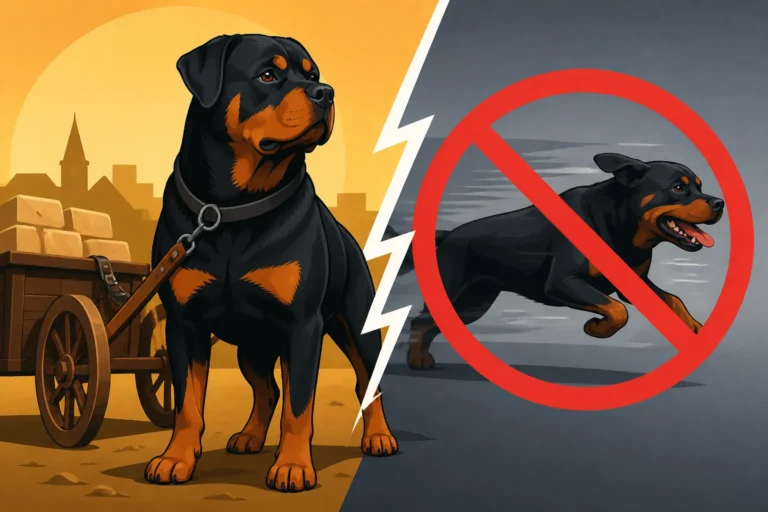
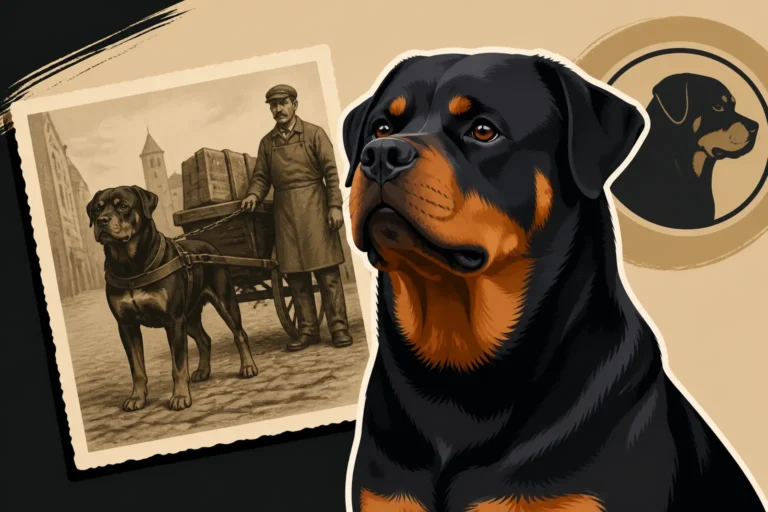
But perhaps one of the most famous roles, and one that speaks volumes about the trust placed in these dogs, was guarding the butcher's money bag. After a long day of trading at the market, the butcher would often tie his earnings, sometimes a substantial sum in gold coins, around his Rottweiler's neck. The dog would then accompany him home, an unassailable security system. No one dared approach a Rottweiler with a money bag around its neck. This specific task highlights their unwavering loyalty and formidable presence. Beyond herding and guarding, these dogs also served as draft animals, pulling small carts laden with butchered meat or supplies to and from market. Their powerful shoulders and robust build made them perfect for this demanding work. This diverse set of responsibilities truly forged the Rottweiler's core temperament: loyal, protective, intelligent, and incredibly strong-willed, yet biddable to its master. You can read more about this specific role in How a Rottweiler Guarded a Butcher's Takings.
The Decline and Revival of the Rottweiler
The advent of the railway system in the 19th century dramatically altered the landscape of cattle transport. Suddenly, it was faster, safer, and more efficient to move livestock by rail rather than by drover and dog. This technological leap, while a boon for commerce, spelled near disaster for the Metzgerhund. Their primary job, the very reason for their existence, began to evaporate.
As the need for drover dogs diminished, the Rottweiler population plummeted. There was a very real fear that the breed, once so essential, would simply vanish. By the turn of the 20th century, the number of Rottweilers had dwindled to alarmingly low levels. It was only through the dedication of a few passionate fanciers in Germany that efforts began to preserve and revive the breed. They recognized the unique qualities of the Metzgerhund – their intelligence, loyalty, and protective nature – and sought to ensure their survival. Breed clubs were formed, standards were established, and careful breeding programs began to rebuild the population. This period marked a crucial transition for the Rottweiler, from a purely utilitarian working dog to a recognized and cherished breed, valued for its inherent characteristics beyond its original job. It’s a testament to their enduring spirit that they pulled through this difficult time. For more on this critical period, consider reading How Few Rottweilers Were Left by 1900. The journey of Rottweilers Pulling Carts Before the Railways is also a compelling part of their history.
Enduring Traits from a Market Town Past
The traits that made the Rottweiler invaluable in the cattle markets of Rottweil are the very same traits that define the breed today. Their history isn't just a footnote; it's the bedrock of their character, influencing everything from their protective instincts to their physical prowess.
The Guarding Instinct Today
That ingrained instinct to protect valuable livestock and a butcher’s earnings didn't just disappear with the railways. It morphed into the Rottweiler's natural guarding instinct we see today. They are inherently vigilant, keenly aware of their surroundings, and possess a strong desire to keep their family and home safe. This isn't aggression; it's a deep-seated sense of responsibility.
A well-bred and properly socialized Rottweiler is not typically the dog that greets every stranger with a wagging tail and an open invitation. Instead, they observe, assess, and make a judgment. They are discerning, reserving their warmth for those they trust and remaining aloof, though polite, with others. This "wait-and-see" approach is a direct echo of their past, where hasty judgments could be dangerous. This natural inclination to guard means that early and consistent socialization, coupled with clear training, is paramount. You want to channel this powerful instinct into appropriate behaviors, ensuring your Rottweiler understands when to be alert and when to relax. Without proper guidance, this instinct can become problematic, so it’s something every Rottweiler owner needs to understand from day one. To delve deeper into how this instinct is managed, check out The Rottweiler Guarding Instinct and How to Shape It. Socializing a Rottweiler Puppy Properly is also a crucial topic.
Strength and Stamina for Modern Life
Just as their ancestors needed the physical capability to move heavy cattle and pull carts all day, modern Rottweilers retain that impressive strength and stamina. They are robust, powerful dogs with dense bone structure and formidable musculature. This isn't just for show; it's a functional build, a legacy of their working heritage.
This enduring physical prowess means that Rottweilers aren't content to be couch potatoes. They thrive on activity, needing regular exercise to keep them physically fit and mentally engaged. Long walks, hikes, or structured play sessions are crucial. Their substantial size also means that selecting appropriate gear is important. A flimsy leash or harness simply won't do for a dog that can easily outweigh many adults. Brands like Chewy offer a wide range of durable, large-breed appropriate equipment, from sturdy leashes and collars to heavy-duty crates, ensuring you have the right tools to manage your powerful companion safely and comfortably. Ignoring their need for activity can lead to boredom and destructive behaviors, which no one wants with a dog of this size. Their powerful build also means owners need to be mindful of their joints, especially during their growth phases. Knowing about Rottweiler Growth Plates Closing at Eighteen to Twenty-Four Months can help guide your exercise routines.
Managing the Modern Rottweiler with Ancient Instincts
Bringing a Rottweiler into your home today means embracing a dog whose very DNA is steeped in centuries of working alongside humans. Understanding this history is key to successful ownership.
Training That Honors Their Heritage
Because of their intelligence and strong will, which were once necessary for controlling livestock and guarding assets, Rottweilers require consistent, firm, and positive training from a very young age. They are intelligent and eager to please their trusted people, but they will also test boundaries. Their ancestors had to make decisions on their own while out with herds, so they're not always looking for micromanagement.
Early puppy classes are not just about commands; they're about building a strong bond and establishing you as the benevolent leader. Puppy kindergarten helps with early socialization, exposing them to new sights, sounds, and other dogs in a controlled environment. This is vital to prevent fear-based reactions later on. As they grow, obedience classes become essential. Teaching a Rottweiler Leash Manners at a Hundred Pounds is non-negotiable for safety and enjoyment. Their size and strength mean that polite behavior isn't just a nicety; it's a necessity. From basic commands like sit, stay, and come, to more advanced tasks, a Rottweiler thrives on having a "job" to do, which satisfies that deep-seated working dog instinct. Neglecting their training means you'll have a large, powerful dog making its own decisions, and that rarely ends well for anyone. Rottweiler Puppy Training Through the First Year is an investment that pays dividends.
Providing the Right Environment for a Working Dog
Even if your Rottweiler isn't herding cattle or guarding a butcher's purse, their innate drive for purpose and protection still needs an outlet. They are not dogs that do well simply being relegated to the backyard or left alone for extended periods without mental engagement.
A Rottweiler thrives when it's an integral part of the family, involved in daily activities and given opportunities to use its brain. This could mean training for obedience competitions, trying out nose work, or simply engaging in regular puzzle feeders and interactive toys from a retailer like Chewy. Their protective nature also means they need a secure environment, whether it's a well-fenced yard or a home where they feel safe and confident. They are naturally watchful, and a home where they can observe their territory (without being allowed to bark excessively at every passerby) often satisfies their guarding instinct. Providing a consistent routine, clear expectations, and plenty of love and attention will help your Rottweiler feel secure and fulfilled. Remember, you're living with a direct descendant of the "Metzgerhund," a dog that was trusted with immense responsibility, and they still carry that sense of purpose today. Ultimately, understanding What a Rottweiler Was Actually Bred to Be is paramount for successful ownership.
The Modern Rottweiler: A Legacy of Loyalty
The journey from the Roman drover dog to the butcher's dog of Rottweil, and then to the cherished family companion or working dog of today, is a testament to the Rottweiler's remarkable adaptability and enduring character.
From Cattle Driver to Canine Citizen
The Rottweiler's story is one of evolution and resilience. From ensuring the survival of Roman legions and driving the economy of a medieval town, to almost disappearing and then being revived by dedicated enthusiasts, the breed has consistently proven its worth. Today, they excel in diverse roles, from search and rescue to therapy work, police K9 units, and, most commonly, as devoted family members. Their intelligence, strength, and unwavering loyalty make them capable of almost anything when properly trained and guided.
While the cattle markets of Rottweil are no longer the bustling centers of droving they once were, their legacy lives on in every Rottweiler. That calm confidence, the watchful eye, the powerful build, and the deep bond they form with their people – these are all direct inheritances from their "Metzgerhund" ancestors. It's a powerful reminder that when we bring a Rottweiler into our lives, we are not just getting a pet; we are welcoming a piece of living history, a dog whose entire being was shaped by purpose and trust. Understanding this background helps us to appreciate their unique qualities and to provide them with the best possible life, one that honors their incredible past. The breed's journey through history is truly captivating; The Rottweiler From Roman Cattle Drives to the AKC offers more insights into their progression.
Historical Roles and Modern Traits
Here's a quick look at how the Rottweiler's historical roles in its hometown shaped the traits we see and appreciate in the breed today:
| Historical Role in Rottweil's Cattle Market | Corresponding Modern Trait | How it Manifests Today |
|---|---|---|
| Cattle Herder/Driver | Strong Drive to Control | Natural leadership, desire for structure, can be pushy if not properly trained, excels in obedience, sometimes "bumps" people or other pets. |
| Guardian of Herds/Property | Protective Instinct | Aloof with strangers, watchful, territorial, devoted to family, needs early socialization to distinguish friend from foe, makes excellent alarm/guard dogs. |
| Guarding Butcher's Money Bag | Loyalty and Trust | Forms deep, unwavering bonds with family members, highly trustworthy when properly bonded, thrives on being part of the family unit, needs to feel secure in its "pack." |
| Drafting (Pulling Carts) | Strength & Stamina | Robust build, muscular, requires significant physical exercise, enjoys activities like hiking or carting, needs durable gear (e.g., from Chewy) to match its power, prone to obesity if under-exercised. |
| Decision-Making in Chaotic Markets | Intelligence & Independence | Capable of learning complex tasks, can be self-willed and independent thinkers, responds best to consistent and fair training, requires mental stimulation to prevent boredom and destructive behaviors. |
This article is for general informational purposes only and does not constitute professional advice. Laws, prices and regulations vary by location and change over time. Consult a qualified professional for guidance on your specific situation.