Chews That Do Not Crack a Rottweiler Molar
The sound of your Rottweiler happily gnawing on a chew toy is one of those comforting household noises, isn't it? But then comes the sudden dread: a chipped tooth, or worse, a fractured molar. For us Rottweiler owners, whose dogs have incredibly powerful jaws, finding chews that satisfy their instinct without risking a costly and painful dental emergency is a constant challenge. This guide will walk you through safe, durable options that keep those magnificent teeth intact.
The Hidden Dangers of "Too Hard" Chews for a Rottweiler's Jaw
Rottweilers were originally bred to drive cattle and protect property, and their jaws are built for serious work. We're talking about a bite force that can crush bones. While this strength is impressive, it also means that what might be a perfectly safe chew for a smaller, less powerful dog can be a significant hazard for a Rottweiler. Many owners, myself included, have learned this the hard way, facing vet bills for fractured molars that could have been avoided. It's a frustrating situation because you want to give your dog something they'll love and that will last, but safety has to come first.
Common Culprits Behind Dental Fractures
When we talk about chews that are "too hard," we're often looking at items that don't give at all under pressure. Think about the texture of a rock – that's essentially what some of these chews are to a powerful jaw. The problem isn't just a tiny chip; it's often a slab fracture, where a piece of the tooth, usually a large molar, breaks off vertically. This exposes the sensitive pulp inside the tooth, leading to intense pain, infection, and often necessitates a root canal or extraction.
Items commonly implicated in these kinds of injuries include:
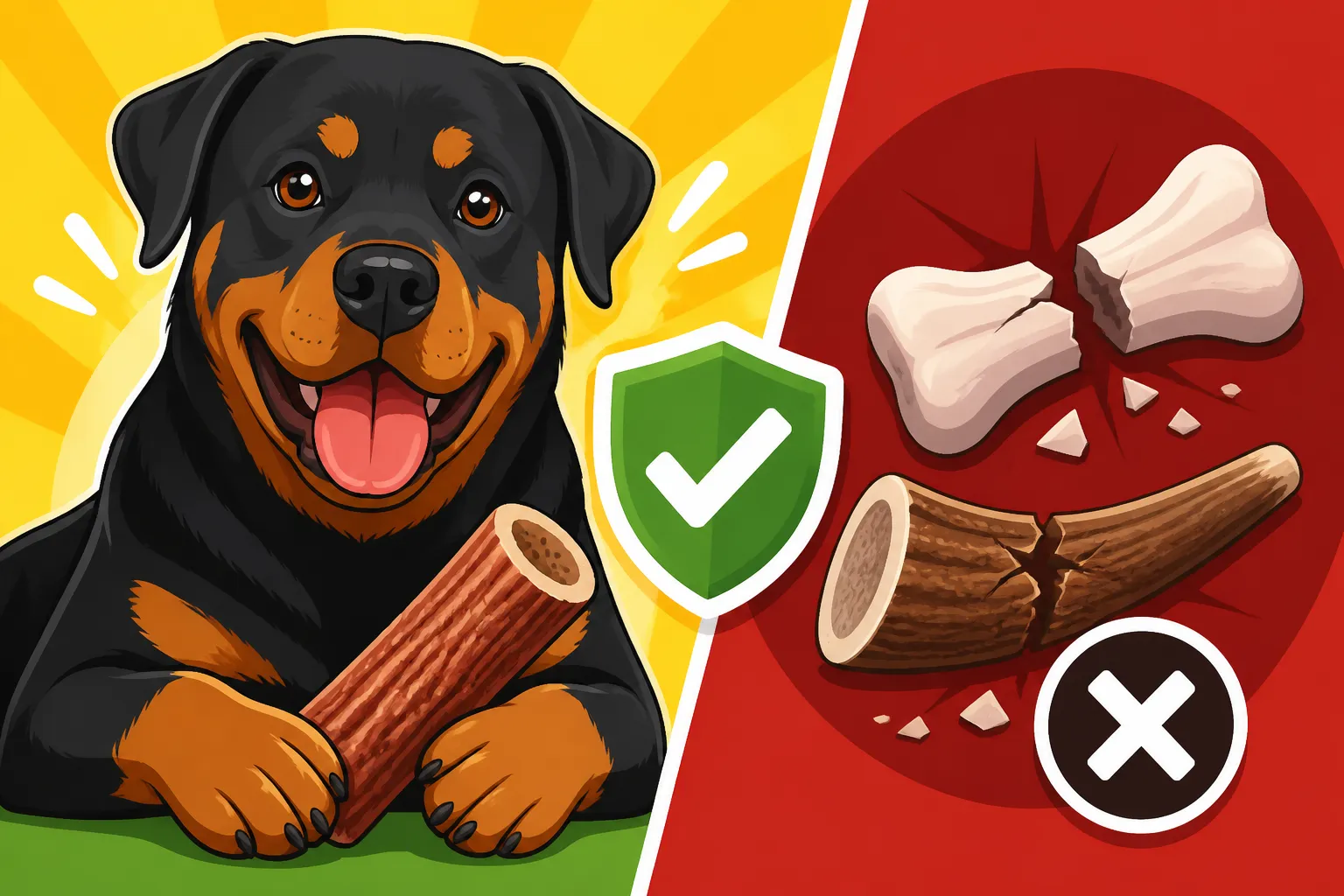
- Real bones (cooked or raw, especially weight-bearing bones): While "natural" sounds good, cooked bones can splinter, and even raw weight-bearing bones (like femurs) are incredibly dense and can cause slab fractures. Your dog might break a tooth long before they actually consume the bone. This is a common point of confusion for new owners, who think bones are a natural fit for strong jaws.
- Antlers: These are another favorite for "long-lasting" chews, but they are notoriously hard. Many a Rottweiler owner has seen their dog spend hours on an antler only to discover a fractured tooth afterward. They simply don't have enough give.
- Nylon bones (some types): While some nylon chews are designed to be safer, many are still too rigid. Always check the flexibility. If you can't make a dent with your thumbnail, neither can your dog's tooth without potential damage.
- Hooves: These can be very hard and brittle. They can splinter into sharp pieces that cause oral injuries or even internal damage if swallowed.
- Ice cubes or frozen items: While a refreshing treat on a hot day, giving a large block of ice or a toy frozen solid can put immense, sudden stress on teeth. Small ice cubes in water are usually fine, but never offer large, unyielding chunks.
It's tempting to think that a strong dog like a Rottweiler needs something extremely tough, but that's precisely why we need to be more cautious. Their strength works against them when it comes to unforgiving materials. Cracked Teeth in a Rottweiler That Chews Hard are no laughing matter, and they always seem to happen at the most inconvenient times, usually right before a holiday weekend.
The Real Cost of a Fractured Tooth
Beyond the immediate pain and discomfort for your beloved Rottweiler, a fractured tooth often means a trip to a veterinary dentist. This isn't your regular check-up. These procedures are specialized and can be quite involved. Dental X-rays are crucial to assess the extent of the damage, and then the treatment itself, whether it's an extraction or a root canal, will require general anesthesia. Why a Rottweiler Dental Costs More to Anesthetise is mainly due to their size, requiring higher doses and longer monitoring.
The financial impact can be significant, easily running into hundreds or even thousands of dollars depending on the severity and the veterinary practice's pricing structure. This doesn't even account for potential complications or follow-up care. Prevention, in this case, is truly worth more than a pound of cure. It's why taking the time to understand safe chew options is so important. Rottweiler Dental Disease and Cracked Teeth can often be prevented with careful chew selection.
Applying the "Give" Test: How to Assess Chew Safety
So, how do you actually tell if a chew is safe for your Rottweiler without a chemistry lab or a dental degree? There's a simple, widely recommended guideline known as the "thumbnail test" or the "give test." It's your best friend in the pet store aisle.
The Thumbnail Test Explained
The principle is straightforward: if you can't make an indentation in the chew with your thumbnail, then it's likely too hard for your dog's teeth. Your thumbnail simulates the pressure a dog's tooth might exert. If it's too hard for your relatively soft thumbnail to make a mark, it's too hard for your dog's enamel without risking a fracture.
Here’s how to do it:
- Pick up the chew: Hold it firmly in your hand.
- Press your thumbnail into the surface: Apply moderate, firm pressure.
- Observe:
- If your thumbnail leaves a slight indentation: This chew probably has enough "give" to be considered safe. The material is yielding enough that it's less likely to cause a sudden fracture.
- If your thumbnail slides off or makes no mark at all: This chew is likely too hard and poses a significant risk of dental damage for a powerful chewer like a Rottweiler. Put it back.
This test applies to natural chews, synthetic chews, and everything in between. It's a quick, practical way to filter out the most dangerous options right there in the store. While not foolproof for all risks (some soft chews can still be choking hazards), it's excellent for assessing hardness.
Other Factors for Chew Safety
Beyond hardness, there are a few other critical considerations when choosing chews for your Rottweiler. A chew might pass the "give test" but still present other problems.
- Digestibility: Some chews are indigestible, or only partially digestible, leading to potential gastrointestinal blockages. Rawhides, for example, can be a contentious issue. While some dogs digest them without a problem, others can swallow large, softened pieces that then expand and cause an obstruction. If you do choose rawhide, look for highly digestible, single-ingredient options, and always supervise.
- Splintering and Choking Hazards: Any chew that can break off into sharp pieces or be swallowed whole once softened becomes a choking hazard. This is particularly relevant for large dogs who tend to gulp rather than meticulously chew smaller pieces. Always choose chews that are appropriately sized for your Rottweiler – too small and it's a choking risk, too big and they might not be able to get their mouth around it comfortably. Even with safe chews, supervision is key, especially as they get smaller.
- Calorie Content: Some edible chews, especially dental treats or thicker edible bones, can contribute significantly to your dog's daily calorie intake. This is especially important for Rottweilers, who are prone to weight gain and the associated joint issues. Always factor these into their daily food ration to prevent Rottweiler Obesity and the Load It Adds. Check the calorie count on the packaging, if available, and adjust their meals accordingly.
- Ingredients and Allergies: Be mindful of the ingredients. Many Rottweilers can have sensitivities or allergies. Stick to simpler, fewer-ingredient options if your dog has a sensitive stomach or known allergies. You want to avoid any chews that cause stomach upset, diarrhea, or skin reactions.
By combining the "give test" with these additional considerations, you can make much more informed decisions about what enters your Rottweiler's mouth. It gives you a sense of control over preventing those scary dental emergencies.
Recommended Safe Chews for Your Power Chewer Rottweiler
Now that we understand what to avoid, let's talk about what works! Finding truly safe and satisfying chews for a Rottweiler can feel like a quest, but there are excellent options out there that balance durability with dental safety. The goal is to provide mental stimulation and satisfy that natural urge to chew without turning your dog's mouth into a demolition site.
Durable Rubber or Silicone Toys
These are often my go-to recommendation because they are designed to be tough, yet flexible. Brands like Kong are famous for their durable rubber toys. The beauty of these is that they aren't meant to be consumed, reducing the risk of ingestion-related issues.
- Pros: Extremely durable, designed for heavy chewers, can often be stuffed with treats or peanut butter for extended engagement, easy to clean, non-toxic. They provide a satisfying mouthfeel without the risk of splintering or fracturing teeth.
- Cons: Not edible, so they don't offer dental cleaning benefits from abrasion (though some have ridges for this purpose). Your dog won't "finish" it.
- How to use: Choose the "extreme" or "heavy chewer" versions. You can stuff them with appropriate food or treats and freeze them to make them last even longer. This is fantastic mental enrichment for a Rottweiler, keeping them occupied for a good chunk of time. You can find a huge variety of these types of toys on retailers like Amazon or Chewy. They're also great for general play, not just chewing. Rottweiler Chew Toys That Survive the Jaw often come in this category.
Edible Chews with "Give"
The trick here is finding edible chews that are tough enough to last but soft enough not to damage teeth. This often means carefully processed natural ingredients or specific formulations.
- Bully Sticks (Pizzle Sticks): These are a perennial favorite for good reason. They are made from a single ingredient (beef pizzle), are highly digestible for most dogs, and soften as the dog chews, making them less likely to cause fractures. They can last a decent amount of time for a Rottweiler, though a really dedicated chewer might still go through one quickly.
- Pros: Single ingredient, digestible, long-lasting for an edible chew, generally safe for teeth.
- Cons: Can be expensive, some can have a strong odor, can still become a choking hazard when they get very small (always supervise and remove small nubs). Always look for reputable brands.
- How to use: Purchase the thickest, longest bully sticks you can find for your Rottweiler. Always supervise, especially as the stick gets shorter. Many owners use a "bully stick holder" that secures the last inch or two to prevent accidental swallowing.
- Dental Chews (specific brands/types): Not all dental chews are created equal. Look for those that are approved by the Veterinary Oral Health Council (VOHC) seal, as these have been scientifically proven to reduce plaque and tartar. Even then, apply the "thumbnail test" for hardness. Many of these are designed to be somewhat pliable.
- Pros: Can genuinely help with dental hygiene, palatable, come in various sizes.
- Cons: Can be high in calories, some dogs consume them too quickly for maximum benefit, still need to check for hardness.
- How to use: Integrate them into your dog's routine, remembering to adjust their food portions. Offer them as part of your Rottweiler Dental Care for a Jaw That Cracks Bone regimen, alongside regular brushing.
- Yak Cheese Chews (Himalayan Dog Chews): These are made from hardened yak and cow milk and become softer and chewier with the dog's saliva. They are very long-lasting and generally digestible.
- Pros: Extremely durable, single ingredient (lactose-free), softens over time, minimal odor.
- Cons: Can still be quite hard initially, so always perform the thumbnail test. Can be expensive. Like bully sticks, they can become a choking hazard when they are very small.
- How to use: Supervise closely. When the chew becomes a small piece, you can microwave it briefly to puff it up into a softer, safer "cheese puff" for your dog to finish. Many owners have found good quality yak chews available through Chewy.
Puzzle Toys and Slow Feeders
While not traditional "chews," these are fantastic for satisfying a Rottweiler's chewing and problem-solving urges. They make your dog work for their food or treats, turning mealtime into a mental exercise. This can divert attention from inappropriate chewing.
- Pros: Excellent mental stimulation, prevents rapid eating, satisfies foraging instincts, reduces boredom.
- Cons: Doesn't directly address the physical need to chew on something for long periods, requires owner involvement for stuffing/setting up.
- How to use: Use Puzzle Feeders Built for a Rottweiler to feed a portion of their regular kibble or safe, low-calorie treats. Rotating different types of puzzle toys keeps things interesting. This can be a great way to manage a Rottweiler's energy, especially on a rainy day.
| Chew Type | Perceived Benefit | Actual Risk for Rottweilers | Safety Assessment (Thumbnail Test) |
|---|---|---|---|
| Real Bones (Cooked/Raw) | Natural, long-lasting | Splintering (cooked), slab fractures (raw weight-bearing) | Fails (too hard, brittle, or unyielding) |
| Antlers | Extremely long-lasting | Severe slab fractures, tooth wear | Fails (no give at all) |
| Hard Nylon Bones | Durable, promotes dental health | Slab fractures, gum irritation | Fails (too rigid for many varieties) |
| Hooves | Natural, long-lasting | Splintering into sharp pieces, choking hazards | Fails (too brittle/hard) |
| Ice Cubes/Frozen Blocks | Refreshing, mentally stimulating | Sudden impact fractures (large chunks) | Fails (unyielding when frozen solid) |
| Durable Rubber Toys (e.g., Kong Extreme) | Indestructible, treat-dispensing | Minimal to none (not meant for consumption) | Passes (has give, not meant to break) |
| Bully Sticks | Single ingredient, digestible | Choking hazard when small (requires supervision/holder) | Passes (softens with chewing, has give) |
| VOHC Dental Chews (Pliable types) | Reduces plaque/tartar, palatable | High calorie count, some might still be too hard if not VOHC | Pass/Fail (test individually, look for VOHC) |
| Yak Cheese Chews | Very long-lasting, digestible | Can be hard initially, choking hazard when small | Pass/Fail (test initially, softens later) |
Remember that even with the safest chews, supervision is critical. A chew that is perfectly safe for one Rottweiler might still pose an unexpected risk for another due to individual chewing styles or existing dental issues. Always be present and ready to intervene, especially when a chew gets down to a small, swallowable size. It's also vital to teach your Rottweiler to voluntarily give up items, which is a key part of responsible ownership and can save their life in an emergency. Taking a Bone Back From a Rottweiler Safely is a skill every Rottweiler owner needs.
Supporting Your Rottweiler's Chewing Instinct Safely
The truth is, Rottweilers need to chew. It's a fundamental part of their canine behavior, a way to relieve stress, clean their teeth (with the right chews!), and simply pass the time. Denying this instinct can lead to destructive chewing on furniture, shoes, or even doorframes. So, the goal isn't to stop the chewing, but to channel it safely and constructively.
A Rotation of Safe and Engaging Options
Variety truly is the spice of life, even for your Rottweiler's chew toys. Offering a rotation of different textures, shapes, and types of safe chews keeps interest high and prevents boredom. If your dog always has access to the same few chews, they might lose interest and start looking for more "exciting" (read: destructive) alternatives around the house.
Consider having a few different categories of chews on hand:
- Long-lasting, non-edible: Your durable rubber or nylon options (that pass the thumbnail test!) for extended, supervised chewing sessions. These are great for when you need a quiet activity.
- Edible, digestible, medium-duration: Bully sticks, safe dental chews, or yak chews that offer the satisfaction of being consumed over time. These are often high-value rewards or special treats.
- Interactive puzzle toys: For mental stimulation and to make mealtime last longer.
By rotating these options, you keep your Rottweiler engaged and satisfied. Think of it like a carefully curated toy box for their powerful jaws. You can stock up on a good variety from large pet retailers like Chewy or peruse the offerings on Amazon for different brands. Even some of the fresh food companies, like Ollie, might offer specific safe treat options that can complement your chew rotation, though their primary focus is usually on food.
Teaching Appropriate Chewing Habits
Training plays a huge role in safe chewing. From the moment you bring your Rottweiler puppy home, you're teaching them what is and isn't acceptable to chew.
- Start early: Introduce appropriate chews from day one. When your puppy mouths something inappropriate, redirect them immediately to their designated chew. Consistency is key.
- Supervise: Always supervise chewing sessions, especially with new chews. This allows you to intervene if a chew is breaking down dangerously, or if your dog is trying to eat something they shouldn't.
- Enrichment beyond chewing: Remember that chewing is often a symptom of boredom or excess energy. Ensure your Rottweiler gets plenty of appropriate physical exercise and mental stimulation through training, walks, and playtime. A tired Rottweiler is less likely to be a destructive chewer.
- No "human" items: Never give your dog old shoes, socks, or clothing as chew toys. This blurs the lines and teaches them that your items are fair game for chewing. Stick to purpose-built dog chews.
By combining safe chew selection with consistent training and ample enrichment, you can help your Rottweiler enjoy their natural chewing instincts without risking their dental health. It’s a small investment of time and thought that can save you a lot of heartache and money down the line. Remember, The Rottweiler Bite and Jaw Under the Standard speaks to their power, and with great power comes the responsibility to protect it.
Disclaimer
This article is for general informational purposes only and does not constitute professional advice. Laws, prices and regulations vary by location and change over time. Consult a qualified professional for guidance on your specific situation.