Why a Black Rottweiler Coat Absorbs More Heat
If you've ever spent a summer day out with your beloved Rottweiler, you've probably noticed how quickly they seem to heat up, panting heavily even when you feel just warm. It's a real frustration when you want your dog to enjoy the outdoors but are constantly worrying about their comfort and safety. This guide will dive deep into why a Rottweiler's striking black coat absorbs so much more heat than lighter colors, and what you can do to proactively protect your big, beautiful companion from overheating.
The Science Behind Black Coats and Heat Absorption
It’s not just your imagination; there’s a distinct scientific reason why your black-coated Rottweiler seems to soak up every ray of sunshine. Understanding this principle is the first step in effectively managing their comfort, especially during warmer months.
Understanding Light Absorption and Reflection
Think about wearing a black t-shirt on a blazing hot summer day compared to a white one. The black shirt feels significantly hotter, right? The same principle applies directly to your Rottweiler’s coat. Colors aren't inherent properties of an object; rather, they are how our eyes perceive different wavelengths of light being reflected or absorbed.
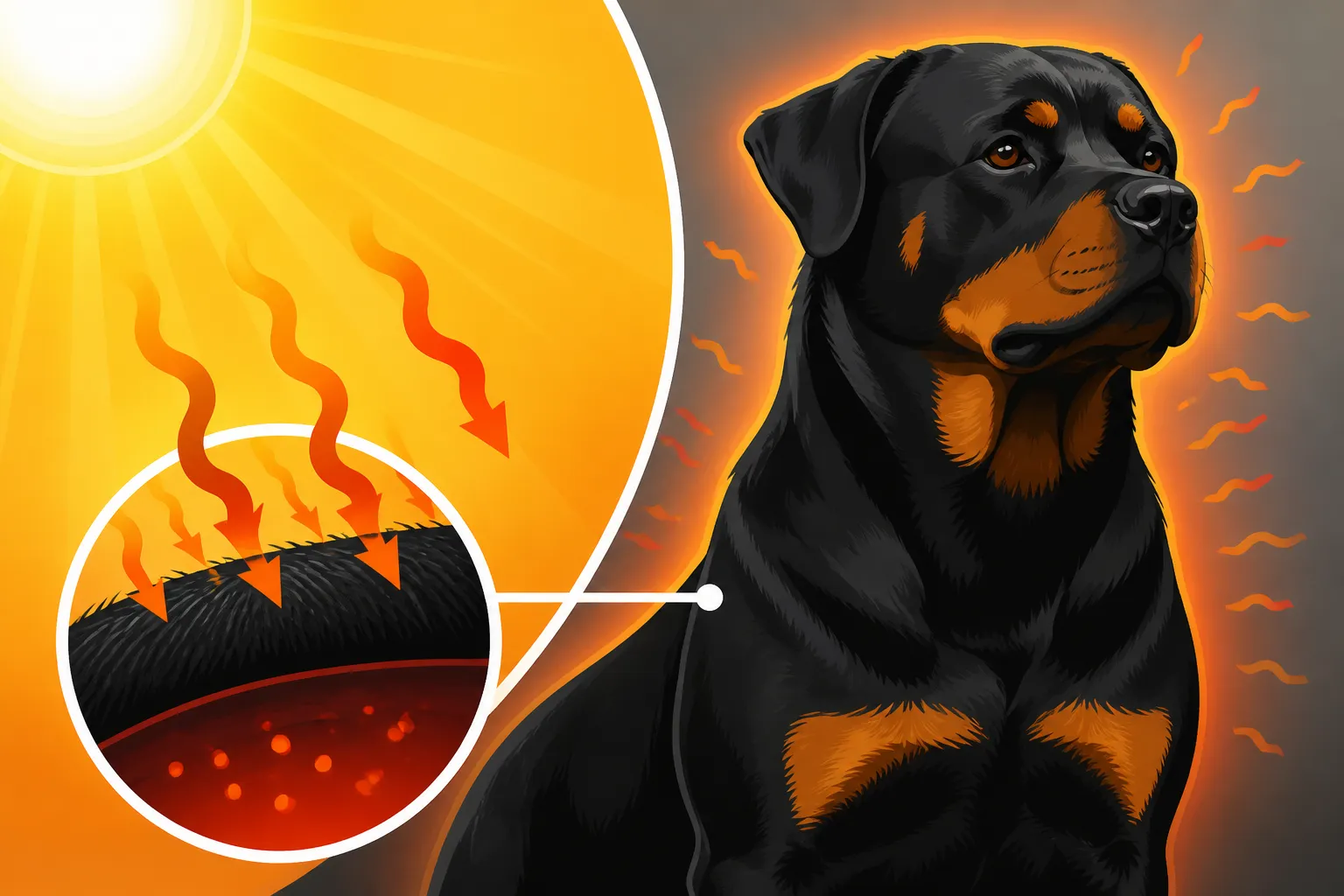
A black surface absorbs nearly all visible light wavelengths that hit it. When light energy is absorbed, it doesn't just disappear; it's converted into thermal energy, which is essentially heat. This means that every photon of sunlight hitting your Rottweiler’s dark fur is being trapped and turned into warmth that directly impacts their body temperature. In stark contrast, white or lighter-colored coats reflect most of the light wavelengths, sending that energy away from the body and keeping the surface cooler. This fundamental difference in how black and white interact with light is the primary reason why your Rottie can become uncomfortably hot so quickly. It's a constant, passive process, and it explains why even on a moderately warm, sunny day, your dog might be seeking shade long before a lighter-coated breed would.
The Role of the Rottweiler's Coat Structure
Beyond just the color, the specific structure of a Rottweiler’s coat plays a significant role in how well they manage heat. Rottweilers have a distinctive double coat: a dense, coarse outer coat of straight, short hair, and a soft, thick undercoat. While this double coat is fantastic for providing insulation against cold weather, it can become a liability in the heat, especially when combined with the black coloration.
The outer guard hairs are the ones responsible for that deep, rich black color that absorbs so much solar radiation. Beneath this outer layer lies the undercoat, which is typically softer and provides insulation. In colder climates, this undercoat traps a layer of warm air close to the body, keeping the dog warm. However, when the outside temperature is high, and the black outer coat is actively generating heat, this same undercoat can trap a layer of hot air close to the body, preventing efficient cooling. It acts like a thermal blanket, holding the absorbed heat in. This is why regular grooming, particularly during shedding seasons, is crucial. Removing excess Rottweiler Undercoat Shedding Twice Twice a Year can help improve air circulation through the coat, making it a little easier for your dog to dissipate heat. While the coat isn't long and flowing like some breeds, its density and the dark color create a formidable heat trap.
How Heat Absorption Impacts Your Rottweiler
The efficient heat absorption of a black coat isn't just a matter of discomfort; it directly impacts your Rottweiler's health and ability to function, significantly elevating risks that all dog owners should be aware of.
Increased Risk of Overheating and Heatstroke
For a black-coated Rottweiler, the rapid accumulation of heat can quickly escalate from simple discomfort to a dangerous health crisis. Overheating, if not addressed promptly, can swiftly progress to heatstroke, a life-threatening condition. The darker coat means they are absorbing more radiant heat from the sun, but their internal cooling mechanisms (primarily panting) have a limit. They can only pant so fast and so effectively before their core body temperature starts to rise dangerously.
You might notice signs like heavy, exaggerated panting, drooling excessively, or even a sudden change in energy levels, moving from playful to lethargic within minutes. Their gums might appear bright red, indicating increased blood flow as their body tries desperately to cool itself. As heatstroke progresses, these signs worsen, potentially including staggering, vomiting, diarrhea, confusion, or even collapse. What begins as a warm walk can turn into an emergency faster for a black Rottweiler than for a lighter-colored dog, simply because their coat is working against them. Understanding Heat Tolerance in a Black-Coated Rottweiler is not just academic; it's critical for their survival.
Discomfort and Reduced Activity Levels
Beyond the immediate threat of heatstroke, chronic overheating due to their black coat leads to significant discomfort and a marked reduction in your Rottweiler's quality of life during warmer periods. Imagine trying to run a marathon in a full winter coat on a hot day – it's simply not feasible or enjoyable. Your Rottie feels a similar burden.
When your dog is constantly warm, they’ll naturally become less inclined to engage in their usual activities. Their desire to play fetch, go for longer walks, or even just romp in the backyard diminishes. You might observe them seeking shade more frequently, lying down more often, or moving with a general sluggishness. This isn't laziness; it's their body trying to conserve energy and avoid generating more heat. Over time, this reduction in activity can lead to other issues, such as weight gain, muscle deconditioning, and even boredom or behavioral problems if their mental and physical stimulation needs aren't met. It forces owners to be extremely mindful of Exercising a Rottweiler in Summer Heat, often having to adjust routines significantly to accommodate their dog's unique needs. Ensuring they are comfortable isn't just about kindness; it's about maintaining their overall health and happiness.
Practical Strategies for Keeping Your Black Rottweiler Cool
Knowing why your Rottweiler gets hot is only half the battle. The real victory lies in implementing practical, effective strategies to keep them cool and safe. These tips are crucial for preventing discomfort and dangerous situations.
Timing Walks and Outdoor Activities
One of the simplest yet most effective ways to manage your black Rottweiler's heat exposure is by carefully planning when you go outside. The midday sun, roughly from 10 AM to 4 PM, is typically the hottest and most intense part of the day, making it the riskiest time for any prolonged outdoor activity.
Instead, shift your walks and play sessions to the cooler parts of the day. Early morning, just as the sun is coming up, often offers the lowest temperatures and softer light. Evening walks, after the sun has begun to set and the pavement has had a chance to cool down, are another excellent option. It's not just about the air temperature, but also the ground temperature. Asphalt and concrete can absorb and radiate heat for hours after the sun goes down, making it scorching hot for paw pads. Always check the pavement with your hand – if it's too hot for you to hold your palm on for five seconds, it's too hot for your dog's paws. For extended periods of heat, consider alternative, low-impact exercises like swimming in a safe, supervised environment, which can be a fantastic way for a Rottweiler to burn energy without overheating. Remember, their dark coats absorb heat even on seemingly mild days, so vigilance is key. Think about how crucial Rottweiler Paw Protection on Hot Pavement is when planning outdoor excursions.
Providing Ample Shade and Water
Your Rottweiler needs reliable access to shade and fresh water at all times, both indoors and out. Shade acts as a natural barrier against direct sunlight, significantly reducing the amount of radiant heat their black coat can absorb.
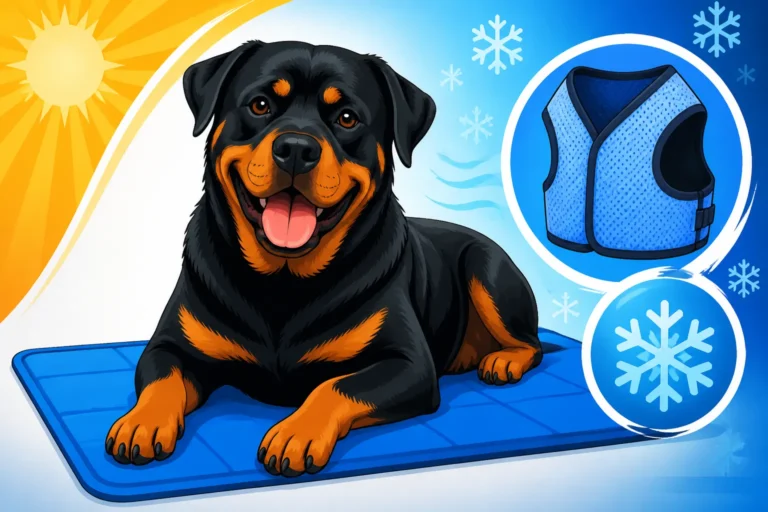
Outdoors, ensure your yard has natural shade trees, or provide artificial shade with a tarp, umbrella, or a well-ventilated dog house. Indoors, keep curtains closed on sun-facing windows to prevent direct sunlight from streaming onto their favorite napping spots. Beyond shade, hydration is paramount. Always have multiple bowls of fresh, cool water available around the house and yard. Consider adding ice cubes to their water bowl to keep it cooler longer, or invest in a large, spill-proof water dispenser. For outdoor adventures, a portable water bottle and collapsible bowl are absolute must-haves. Look for elevated cooling beds, which allow air to circulate underneath, or cooling mats which can draw heat away from their body. Brands like Chewy and Amazon offer a wide variety of these products. Even a small kiddy pool with a few inches of water can be a delightful way for your Rottweiler to cool off their paws and belly on a hot day. These simple provisions make a huge difference in your dog's ability to regulate their temperature. You might also want to look into products like Cooling Mats and Vests for a Rottweiler for extra comfort.
Grooming and Coat Management
While you might be tempted to shave your black-coated Rottweiler in the summer, resist the urge! Their double coat, even though it's black, actually provides a degree of insulation against the heat and protection from sunburn. Shaving can disrupt this natural barrier, making them more susceptible to both heat and UV radiation.
Instead of shaving, focus on regular and thorough grooming. Consistent brushing, especially with a good undercoat rake, helps to remove dead or shedding undercoat. This action thins out the insulating layer, allowing better air circulation closer to the skin and making it easier for heat to escape. You'll be amazed at how much fur comes off, especially during seasonal shedding cycles. An undercoat rake, like those found on Amazon or Chewy, is an invaluable tool for this purpose. A cool bath can also provide temporary relief, just make sure to dry them thoroughly afterward, especially if they have a dense coat, to prevent skin issues. Think about maintaining, not removing, their natural coat. Understanding how to use Undercoat Rakes for a Short Rottweiler Coat effectively can make a real difference. And when bath time rolls around, ensure you know how to give your dog Bathing a Rottweiler Without Stripping the Coat Oil.
Monitoring for Heat Stress and Emergency Preparedness
Even with the best preventative measures, it’s crucial to know how to spot the early signs of heat stress in your black Rottweiler and what to do if an emergency arises. Their dark coats can make them more vulnerable, so your quick action can literally save their life.
Recognizing Early Warning Signs
Your Rottweiler might not always tell you they’re overheating until it's become quite severe, which is why your keen observation is so vital. The earliest signs of heat stress are often subtle, but they intensify quickly. Look for excessive panting that seems more labored or faster than usual for the level of activity. Their breathing might sound more raspy or strained. You might notice heavy drooling, with thick, ropey saliva. Check their gums – if they are bright red or dark pink instead of a healthy pale pink, it’s a strong indicator of overheating.
Other behavioral changes include seeking shade constantly, moving more slowly, appearing lethargic, or showing signs of discomfort such as restlessness or an inability to settle. They might refuse to eat or drink, or they could become dizzy and stumble. Some dogs might even try to vomit or have diarrhea. It’s important to remember that these signs can escalate rapidly in a black-coated dog due to their increased heat absorption. Don't wait for extreme symptoms; if you see any of these early warning signs, act immediately. Staying informed about Rottweiler Heat Exhaustion Warning Signs is key to early intervention.
First Aid and When to Seek Veterinary Care
If you suspect your Rottweiler is overheating, immediate action is paramount. Heatstroke is a medical emergency where every minute counts.
Here’s what you need to do right away:
- Move to a Cooler Area: Get your dog out of the sun and into the coolest environment possible – air conditioning is ideal.
- Offer Water: Provide small amounts of cool (not ice cold, as this can cause shock) water. Don't force them to drink, and be cautious if they are gulping rapidly.
- Start Cooling: Use cool water to wet down their body, focusing on the ears, paws, and groin area. You can use a hose, wet towels, or even a spray bottle. Do NOT use ice water, as this can constrict blood vessels and hinder cooling, or even cause shock. Aim for cool, circulating air (a fan can help).
- Monitor Temperature (if possible): If you have a rectal thermometer, you can take their temperature. A temperature above 104°F (40°C) is dangerous. Stop active cooling when their temperature drops to around 103°F (39.4°C) to avoid over-cooling.
Even if your dog seems to recover quickly, it is always best to contact your veterinarian immediately for advice. Heatstroke can cause internal organ damage that isn't visible on the surface, and a vet visit can ensure there are no lasting complications. Time is of the essence, and swift veterinary care can make the difference between a full recovery and serious, life-threatening complications. Always have your emergency vet's number easily accessible, especially during warmer seasons. Remember, your black Rottweiler is beautiful, but their coat demands extra vigilance and care to keep them safe in the sun.
| Condition Stage | Symptoms to Watch For | Immediate Actions | When to Call the Vet |
|---|---|---|---|
| Mild Overheating | Excessive panting, increased thirst, seeking shade, lethargy, slightly red gums. | Move to shade, offer cool water, rest. | If symptoms don't improve within 10-15 minutes of resting and cooling. |
| Moderate Heat Stress | Very heavy panting, profuse drooling, bright red gums, staggering, weakness, vomiting. | Move to cool area, wet down with cool water, offer small amounts of water. | Immediately. This is an emergency. |
| Severe Heatstroke | Collapse, seizures, disorientation, dark red/purple gums, shallow breathing, unconsciousness. | Move to cool area, intensive cooling (wet towels, fan), ensure open airway. | Immediately, while en route to emergency vet. |
Disclaimer
This article is for general informational purposes only and does not constitute professional advice. Laws, prices and regulations vary by location and change over time. Consult a qualified professional for guidance on your specific situation.