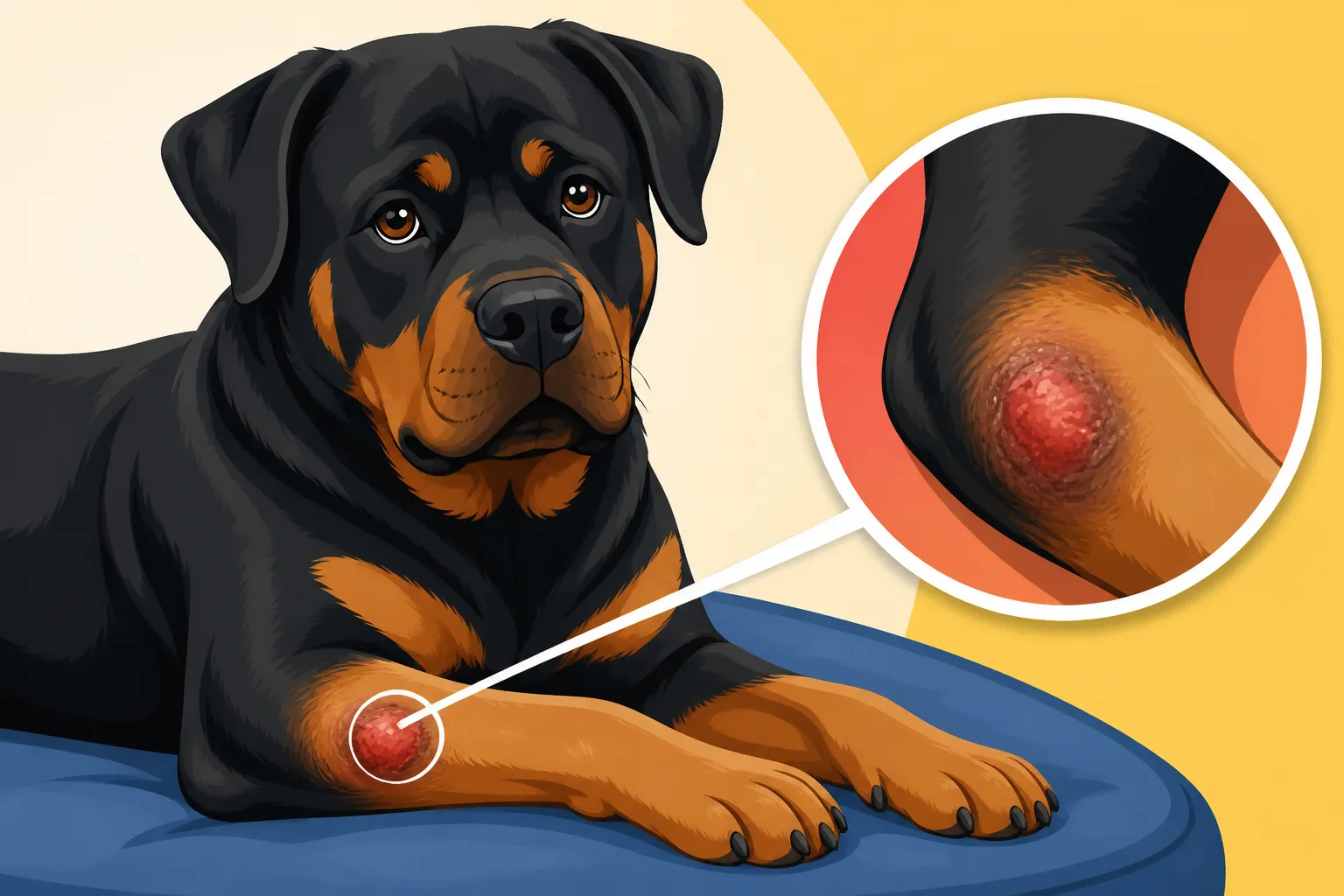
Pressure Sores on a Rottweiler’s Elbows
There’s a common moment many Rottweiler owners experience: you’re petting your majestic dog, and your hand brushes against an elbow that feels… different. Rough. Callused. Maybe even a little bald. It’s often the first sign of a pressure sore, a frustratingly common issue for our big, beloved giants. These aren't just cosmetic flaws; they can become painful problems if left unchecked. This guide will walk you through what these elbow sores are, why Rottweilers are so prone to them, and most importantly, how to prevent and manage them effectively to keep your companion comfortable and healthy.
Understanding Pressure Sores: What They Are and Why Rottweilers Get Them
Pressure sores on a Rottweiler's elbows, often referred to as hygromas or simply elbow calluses, are more than just a rough patch of skin. They're a direct result of the immense weight and pressure our big dogs put on their joints, especially their elbows, every time they lie down. It’s a common frustration for many owners, seeing these develop despite their best efforts, but understanding the mechanics behind them is the first step toward effective management.
The Mechanics of an Elbow Sore
Think of a pressure sore like a highly localized, extreme form of a callus. When your Rottweiler repeatedly lies down on a hard surface, the skin over those bony prominences – the elbows, in this case – experiences consistent friction and pressure. This repeated trauma doesn't happen just once; it's the cumulative effect of hundreds, if not thousands, of times your dog settles onto the floor throughout the day and night.
Initially, the body's natural response is protective. The skin thickens, producing extra layers of tough, dead skin cells to create a sort of armor. The hair in the area often thins or disappears entirely because the follicles are under constant stress and abrasion. This leads to that characteristic bald, leathery patch. In some cases, if the trauma is significant or prolonged, a fluid-filled sac can develop under the skin, which is what we call a hygroma. This sac is essentially the body's attempt to cushion the joint, but it can unfortunately become quite large and, if not managed, can rupture or become infected, transforming a simple callus into a painful, open wound. It’s a classic example of the body trying to help, but sometimes overdoing it.
Factors That Increase Risk in Rottweilers
Rottweilers, by their very nature, are predisposed to elbow sores due to a combination of breed-specific traits and common lifestyle factors. It's not a flaw in their care; it's just part of owning such a magnificent, heavy-boned dog.
First and foremost is their impressive weight and size. An average adult male Rottweiler can easily weigh over 100 pounds, and some females aren't far behind. Every time that weight settles, it's concentrating on a relatively small surface area – those prominent elbow joints. This is compounded if your Rottweiler carries extra weight; Rottweiler Obesity and the Load It Adds places even more stress on those pressure points, not just the elbows, but also the hips and hocks. Imagine wearing a heavy backpack all day and feeling the straps dig in; it's a similar, albeit internal, pressure effect.
Another major culprit is hard surfaces. We all love a clean, easy-to-maintain home, but hard flooring like tile, hardwood, concrete, or even thin-pile carpets can be brutal on a Rottweiler's elbows. If your dog spends most of their time lounging on these types of surfaces, the likelihood of developing pressure sores skyrockets. They might seem comfortable sprawling out on the cool tile on a hot day, but that immediate comfort can lead to long-term skin issues.
Finally, a Rottweiler's activity level and overall mobility play a significant role. Younger, more active dogs might develop calluses, but they tend to move around more, shifting their weight and reducing continuous pressure. However, as Rottweilers age, or if they suffer from conditions like Managing Arthritis in an Older Rottweiler or other orthopedic issues, they naturally spend more time resting. This increased duration of lying down, especially on one side or in one position, means prolonged pressure on those vulnerable elbows, allowing less time for the skin to recover. It's a sad irony that the very act of resting to relieve joint pain can lead to other problems.
Identifying and Treating Elbow Sores
Catching elbow sores early can make a huge difference in their management and prevent them from escalating into more serious issues. As a Rottweiler owner, it's essential to regularly check your dog, especially those areas prone to pressure. Don't wait for a noticeable limp or open wound to act.
Early Signs and Progression
When you're routinely petting and grooming your Rottweiler, make it a habit to feel their elbows. In the initial stages, you might notice:
- Thinning Hair: The hair over the elbow joint may become sparse, or you might see a completely bald patch forming. This is often the very first indicator that friction is occurring.
- Rough Texture: The skin itself will start to feel coarser and thicker than the surrounding skin. It might feel dry, almost like sandpaper.
- Slight Reddening or Darkening: Depending on your dog's skin pigmentation, the area might appear a bit redder or, more commonly in Rottweilers, develop a darker, almost grey or black pigmentation as the skin thickens and toughens.
As the condition progresses, if the pressure isn't alleviated, the changes become more pronounced:
- Thick, Leathery Skin: The callus becomes denser and more prominent. It might feel like a tough, rubbery knob on the elbow.
- Swelling or Fluid Accumulation (Hygroma): This is where it gets more concerning. A soft, sometimes warm, fluid-filled swelling may develop under the skin. This hygroma is the body’s attempt to create a protective bursa, but it can grow quite large.
- Open Sores and Infection: The most serious stage occurs if the thickened skin cracks, the hygroma ruptures, or constant friction creates an open wound. Once the skin barrier is compromised, bacteria can enter, leading to infection. This will manifest as redness, warmth, pain, discharge (pus), and a foul odor. At this point, your dog will likely show signs of discomfort, possibly even a mild limp or reluctance to lie down on that side. While a completely different issue, any unexplained limping, like The First Limp That Turns Out to Be Bone Cancer, always warrants immediate veterinary attention, so don't delay.
Home Care and When to Consult Your Vet
For mild calluses and early-stage thinning hair, proactive home care can be very effective:
- Cleanliness is Crucial: Gently clean the affected area daily with a mild, pet-safe antiseptic solution or warm water and a soft cloth. Pat dry thoroughly. This helps prevent bacterial buildup in the thickened skin.
- Moisturize Regularly: Apply a thick, dog-safe balm or emollient to the callused area. Ingredients like shea butter, coconut oil, or specific paw balms (often found on Chewy or Amazon) can help soften the skin and restore elasticity. Do this daily, or even twice a day, ensuring your dog doesn't immediately lick it off. You want to avoid dry, cracked skin that can open up to infection.
- Soft Bandaging (with caution): For existing calluses that need extra protection, you might consider a soft, padded bandage or an elbow sleeve. However, this must be done carefully to avoid cutting off circulation or irritating the skin further. Most dogs don't tolerate bandages well on their elbows and will try to chew them off, which can cause more problems. Always consult your vet before attempting to bandage at home.
When to Consult Your Veterinarian:
It's vital to seek professional veterinary care immediately if you notice any of the following:
- Open Sores or Bleeding: Any break in the skin barrier is an invitation for infection.
- Oozing or Discharge: This strongly suggests an infection.
- Significant Swelling or Warmth: Especially if it's accompanied by pain when touched.
- Limping or Reluctance to Move: Your dog is clearly in pain.
- Foul Odor: Another classic sign of infection.
- Rapid Growth of a Hygroma: If the fluid sac appears suddenly or grows very quickly, it needs assessment.
- Any sign that your dog is generally unwell: Lethargy, loss of appetite, fever.
Your vet will assess the severity, check for infection, and may drain a hygroma (though draining is often a temporary fix, as they tend to refill). They might prescribe antibiotics for infection, anti-inflammatory medications for swelling, or discuss surgical options for severe, recurring cases. Don't try to drain a hygroma yourself; it carries a high risk of infection.
Prevention is Key: Protecting Your Rottweiler's Elbows
When it comes to elbow sores on a Rottweiler, an ounce of prevention is truly worth a pound of cure. Once calluses form, they are difficult to eliminate entirely, but with consistent effort, you can prevent them from worsening and keep your dog comfortable. The goal is to minimize friction and pressure on those vulnerable joints.
Optimal Bedding Choices
This is, without a doubt, the most impactful change you can make. If your Rottweiler doesn't have adequately soft and supportive bedding, everything else is just a band-aid. Our big dogs need serious cushioning.
- Orthopedic and Memory Foam Beds: These are the gold standard. A high-quality memory foam or orthopedic bed will contour to your Rottweiler’s body, distributing their weight evenly and drastically reducing pressure on elbows and other joints. Look for beds with a dense foam core that won't flatten out quickly under a 100+ pound dog. Brands found on Chewy or Amazon often carry excellent options specifically designed for large breeds. You want something substantial enough that when your dog lies on it, their elbows don't touch the floor. Consider how much a mattress costs for a human; a good dog bed is an investment in their long-term health. We have an article dedicated to Rottweiler Beds That Survive the Weight that dives deeper into options suitable for our powerful companions.
- Elevated Cots: While not offering the same cushioning as memory foam, elevated cots can be a good option, especially in warmer climates, as they promote airflow and get your dog off the hard floor entirely. Some dogs love the slight give of the fabric. However, ensure the fabric is taut and supportive, not flimsy.
- Location, Location, Location: Place these beds in all your Rottweiler’s favorite resting spots. If they love to nap in the living room, kitchen, and your bedroom, they need comfortable options in all those places. A dog will instinctively choose the coolest or most convenient spot, even if it’s a hard floor, so you need to make the right choice the easy choice. Sometimes, it takes a little coaxing, perhaps with a favorite blanket or a special treat, to encourage them to use their new, luxurious bed.
Lifestyle Adjustments and Environmental Management
Beyond bedding, several other factors in your Rottweiler's daily life can contribute to or alleviate elbow pressure sores.
- Soft Surfaces Everywhere: Take a look at your home from your Rottweiler's perspective. Are there large expanses of tile, hardwood, or concrete? Consider adding rugs, carpets, or even inexpensive runners in high-traffic or favorite lounging areas. Even a thin rug offers more cushion than a bare floor. This creates a softer, more forgiving environment for those brief moments when they might not choose their designated bed.
- Weight Management: Keeping your Rottweiler at a healthy, lean weight is crucial not just for their overall lifespan and joint health, but also specifically for preventing pressure sores. Every extra pound your dog carries means more pressure on those bony prominations. A lean dog has less mass to press down, reducing the intensity of friction and impact. We've discussed this extensively in Rottweiler Obesity and the Load It Adds, highlighting how crucial it is. Even as a puppy, Why a Chubby Rottweiler Puppy Is a Problem can predispose them to joint issues that increase sedentary behavior later, further increasing pressure sore risk.
- Appropriate Exercise: Regular, moderate exercise helps maintain good muscle tone and encourages your dog to move and shift positions more frequently. This natural movement helps distribute weight and reduces prolonged pressure on any single point. Of course, always tailor exercise to your Rottweiler's age and physical condition. For senior dogs, gentle walks or swimming can be wonderful low-impact options.
- Protecting Other Vulnerable Areas: While we're focusing on elbows, remember that other bony areas like hips and hocks can also develop calluses. The same principles of soft bedding and weight management apply. Thinking about preventative care for all their pressure points, like Rottweiler Paw Pad Care on Rough Ground, can help you develop a holistic approach to their comfort.
- Support for Senior Rottweilers: As our Rottweilers enter their golden years, their mobility might decline, and they'll naturally spend more time resting. This makes them even more susceptible. Extra soft bedding, perhaps even in multiple rooms, becomes paramount. Mobility aids like ramps or slings (see Helping a Senior Rottweiler Up the Stairs) can also reduce the impact on their joints, and generally improve their comfort, making them less likely to seek out hard floors for support. The age at which The Age at Which a Rottweiler Counts as Senior is often when these issues become more pronounced, so proactive measures are vital.
Long-Term Management and Advanced Care
Even with the best preventative measures, some Rottweilers may still develop chronic elbow sores, especially if they have underlying conditions that limit their mobility or if the sores were already established when prevention began. This isn't a sign of failure but an indication that a more intensive, long-term strategy is required.
Dealing with Chronic or Recurring Sores
When elbow sores become a persistent problem, it's time to elevate your management strategy. Regular veterinary check-ups are non-negotiable, as your vet can monitor the sores, check for subtle signs of infection, and recommend specific treatments.
One of the most effective tools for chronic sores is specialized protective gear. Just like you might wear knee pads for certain activities, your Rottweiler can benefit from elbow pads or sleeves. These are designed to cushion the elbow joint directly, providing a barrier against hard surfaces and reducing friction. You can find various options online, often from pet supply retailers like Chewy or Amazon. Look for sleeves that are durable, breathable, and designed specifically for dog elbows, with adjustable straps to ensure a snug, comfortable fit without restricting movement or circulation. It might take a few tries to find a style your Rottweiler tolerates well, but the protection they offer can be invaluable.
It's also crucial to address any underlying causes contributing to your dog's increased resting time. If your Rottweiler has severe arthritis, for example, optimizing their pain management with your vet can improve their comfort and potentially encourage more movement, indirectly reducing the time spent pressing on their elbows. This might involve joint supplements, anti-inflammatory medications, or even physical therapy. Remember, joint health is deeply interconnected with mobility and pressure points. Investing in supplements like those mentioned in Joint Supplements Started Early in a Rottweiler can contribute to overall joint resilience, which indirectly supports skin health at pressure points.
Sometimes, despite all efforts, a hygroma might recur or a callus might become deeply problematic. This table offers a quick comparison of common bedding types, a cornerstone of prevention and management:
| Bedding Type | Pros | Cons | Ideal For |
|---|---|---|---|
| Memory Foam | Excellent pressure relief, superior joint support, adapts to body contours | Can be expensive, some dogs chew through them, may retain heat | Senior dogs, large breeds, orthopedic issues, preventing new sores |
| Orthopedic Foam | Firm, consistent support, durable, often water-resistant covers | Heavier, can retain heat, may not be as plush as memory foam | Active large breeds, outdoor/kennel use, easy cleaning |
| Elevated Cot | Promotes airflow, keeps dog off floor, easy to clean, lightweight | Less direct cushioning, some dogs dislike height/instability | Hot climates, outdoor use, easy access for senior dogs, dogs with severe skin issues needing ventilation |
| Thick Crate Mat | Versatile, fits crates, often washable, portable | Less thickness for heavy dogs, may compress over time quickly | Crate training, travel, temporary solutions, supplementing other beds |
| Shredded Foam | Conforms well to body, cozy, good for burrowers | Can be lumpy, hard to clean if not in a cover, filling can be messy | Dogs who like to nest, deep sleepers, temporary sleeping spots |
Surgical Intervention and Prognosis
For the vast majority of pressure sores, especially calluses, surgery is not the first or even second line of defense. However, in severe cases, particularly with large, chronically infected, or non-healing hygromas, surgical intervention might become necessary.
When Surgery Might Be Considered:
- Chronic Infection: If a hygroma repeatedly becomes infected, leading to pain, discomfort, and a risk to overall health, surgical removal might be recommended to eliminate the source of recurrent infection.
- Non-Healing Ulcers: A pressure sore that has progressed to an open, ulcerated wound and simply won't heal despite diligent medical and environmental management may require surgical debridement (removal of dead tissue) and repair.
- Massive Hygromas: Extremely large hygromas can impede movement, cause discomfort, or be prone to repeated trauma and rupture. In such cases, surgical drainage and removal of the fibrous lining that causes them to refill may be performed.
Types of Surgery and Recovery:
Surgery typically involves carefully draining the hygroma, removing the thick, fibrous capsule that surrounds it, and sometimes performing plastic surgery techniques, like skin flap procedures, to bring healthy skin over the area. This can be complex, especially on a weight-bearing joint like the elbow.
Recovery after elbow surgery for a Rottweiler can be challenging. It often requires strict activity restriction, pain management, and diligent wound care. Your dog might need to wear an Elizabethan collar to prevent licking, and you’ll need to keep the incision site clean and dry. Physical therapy might be recommended to restore full mobility. The prognosis generally depends on the severity of the initial sore, the presence of infection, and the owner's commitment to post-operative care and rigorous preventative measures. While surgery can resolve an acute problem, it's crucial to understand that without addressing the underlying causes (like hard surfaces or excessive weight), new sores can form. It’s a significant financial commitment as well, a part of the overall cost considerations we discuss in What a Rottweiler Costs Across Its Whole Short Life.
Ultimately, managing pressure sores on a Rottweiler's elbows is a lifelong commitment for many owners. It requires vigilance, consistent care, and a willingness to adapt their environment to best support their large, heavy bodies. By understanding the causes, recognizing the signs, and implementing preventative strategies, you can ensure your beloved companion remains comfortable and healthy for as many years as possible.
Disclaimer
This article is for general informational purposes only and does not constitute professional advice. Laws, prices and regulations vary by location and change over time. Consult a qualified professional for guidance on your specific situation.