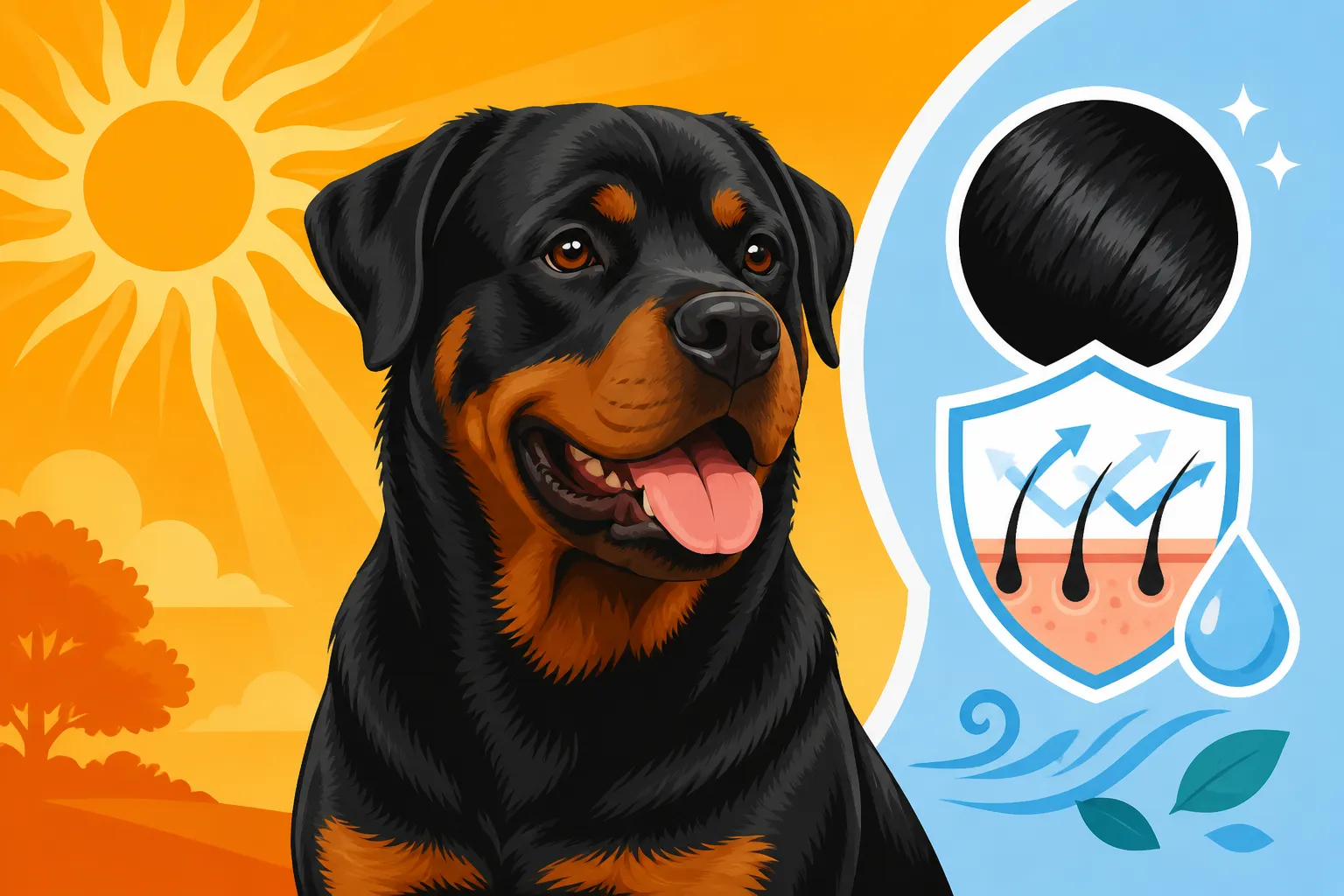
Summer Heat and a Black Rottweiler Coat
The sweltering summer months bring a unique set of challenges for our beloved Rottweilers, especially with their striking black coats acting like heat magnets. That deep, dark fur, while beautiful, absorbs an incredible amount of solar radiation, putting these powerful dogs at a higher risk for overheating and heatstroke. This guide is here to walk you through everything you need to know about keeping your Rottweiler safe, comfortable, and healthy when the temperatures climb, from recognizing subtle signs of distress to proactive cooling strategies and emergency responses.
The Unique Challenge of a Black Rottweiler Coat in Summer
It's no secret that black cars get hotter in the sun than white ones, and the same principle applies directly to your Rottweiler's magnificent, dense black coat. While their short, double coat offers some insulation against both heat and cold, its primary color makes summer an uphill battle for regulating body temperature. Understanding this fundamental challenge is the first step in ensuring their safety.
Why Dark Coats Absorb More Heat
Imagine wearing a dark wool sweater on a scorching summer day. That's essentially what your Rottweiler's black coat is doing for them, at least when it comes to solar radiation. Dark colors absorb nearly all wavelengths of visible light, converting that light energy into heat. When the sun beats down on your Rottie's black fur, that energy is absorbed much more efficiently than it would be by a lighter-colored coat. This means their core body temperature can rise more rapidly, even if the ambient air temperature isn't excessively high, simply because they're soaking up all that radiant heat directly from the sun. It's a fundamental physics issue that we, as their guardians, need to actively mitigate.
Beyond the visible light, the dense undercoat of a Rottweiler, while fantastic for winter, can trap warm air close to their body, further hindering their ability to dissipate heat. This combination of heat absorption and trapped air creates a significant thermal load that their bodies have to work extra hard to manage. It's not just about how hot the air feels; it's about the cumulative effect of sun exposure on that dark fur.
The Rottweiler's Natural Heat Regulation
Dogs, including Rottweilers, regulate their body temperature primarily through panting, which works by evaporating moisture from their respiratory tract. They also dissipate some heat through their paw pads. Unlike humans, they don't sweat effectively across their entire body surface. While this system works well for moderate temperatures, it can quickly become overwhelmed when a large, dark-coated dog like a Rottweiler is exposed to high heat and humidity. Their large muscle mass also generates internal heat during activity, adding to the burden.
A healthy Rottweiler's body is a remarkable engine, designed for strength and endurance. However, this powerful physique also means they have a higher metabolic rate, which naturally produces more body heat. Combine that with a coat that struggles to reflect solar radiation, and their natural cooling mechanisms can be pushed to their limits much faster than, say, a lightly colored, lean dog. This is why even a short walk in direct sunlight on a warm day can be risky for them.
Beyond the Coat: Other Factors Increasing Risk
While the black coat is a significant factor, it's not the only one that makes a Rottweiler vulnerable to summer heat. Their sheer size and muscle mass contribute to internal heat generation, especially during exercise. A larger body simply has more mass to heat up and more metabolic activity occurring. Older Rottweilers, or those who are overweight, face an even greater challenge. Rottweiler Obesity and the Load It Adds is a serious concern year-round, but it becomes particularly dangerous in hot weather, as excess fat acts as additional insulation, and their cardiovascular system works harder to support the extra weight.
Brachycephalic (short-nosed) breeds are famously susceptible to heatstroke due to their compromised airways, but even though Rottweilers have a more proportional muzzle, their overall build, combined with potential underlying health issues like Rottweiler Heart Disease and Subaortic Stenosis, can make them less efficient at cooling themselves. Any pre-existing conditions or certain medications can also reduce their tolerance to heat. It's vital to consider your individual Rottweiler's health status when assessing their risk in warm weather.
Recognizing the Early Signs of Heat Stress
Your Rottweiler can't tell you in words when they're feeling too hot, so it's entirely up to you to be a vigilant observer. Recognizing the subtle, early signs of heat stress is critical, as quick intervention can prevent a life-threatening situation like heatstroke. Don't wait for extreme symptoms; by then, it might be too late.
Subtle Cues You Might Miss
Often, the first signs of heat stress are easily dismissed or mistaken for normal behavior. Your Rottweiler might become less playful, seeming a bit sluggish or less enthusiastic about their usual activities. They might seek shade more persistently, even indoors by lying on cool tile floors. Keep an eye out for increased panting that seems a little heavier or more continuous than usual, even if it's not frantic. Their gums might appear slightly redder than normal, and their tongue might hang out a bit more than usual.
Another subtle cue is a shift in their desire for water. While increased water intake is good, an excessive, almost desperate thirst, coupled with difficulty settling, could indicate that their body is struggling to cool down. They might also appear restless, trying to find a cooler spot, shifting positions frequently, or even pacing. These aren't just quirks; they're your dog's way of telling you they're uncomfortable and need help. Check their ears; if they feel unusually warm to the touch, it's another sign.
Escalating Symptoms and What They Indicate
If early signs are missed, the situation can quickly escalate into more serious distress. As a Rottweiler's body temperature rises further, their panting will become more rapid and frantic, often accompanied by noisy breathing, almost a gasping sound. Their gums might turn a bright cherry red or even dark brick red, and their tongue could appear swollen. You might notice thick, ropy saliva as they try desperately to cool themselves.
At this stage, you could see signs of ataxia, which is a wobbly, uncoordinated gait, or even stumbling. Their eyes might appear glazed or unfocused. Vomiting and diarrhea are also common as the internal organs start to shut down. Muscle tremors or weakness can set in, and in severe cases, they might collapse or even have seizures. These are critical emergency signs. If you see any of these, especially Rottweiler Heat Exhaustion Warning Signs, immediate action is needed, and veterinary help is non-negotiable.
Differentiating Normal Panting from Distress
Panting is a completely normal and necessary cooling mechanism for dogs. After a vigorous play session or a brisk walk, a healthy Rottweiler will pant to bring their body temperature back down. This normal panting usually subsides fairly quickly once they rest in a cool spot. Their breathing will remain relatively controlled, and their gums will be a healthy pink.
However, panting due to heat distress is different. It's often much more intense, rapid, and sustained. The sound might change from a gentle "ha-ha" to a deeper, more labored "huh-huh-huh" or even a wheezing noise. If your Rottweiler is panting heavily even when at rest in a relatively cool area, or if their panting doesn't decrease within a few minutes of stopping activity, that's a red flag. Pay close attention to the color of their gums – very red, pale, or bluish gums are immediate causes for concern. Understanding this distinction is vital for Recognizing Bloat in a Rottweiler as well, which can sometimes present with similar signs of distress, though the abdominal distension is usually a key differentiator for bloat.
| Symptom Category | Mild Heat Stress | Moderate Heat Stress | Severe Heatstroke (Emergency!) |
|---|---|---|---|
| Panting | Increased, continuous, but not frantic | Rapid, heavy, loud, labored, doesn't subside | Extreme, gasping, struggling to breathe |
| Gums/Tongue | Slightly redder, moist, tongue extended slightly | Bright cherry red, possibly dry, swollen tongue | Dark brick red, pale, or bluish; thick, sticky saliva |
| Energy | Sluggish, less playful, seeking shade | Restless, anxious, wobbly, stumbling, disoriented | Collapse, seizures, unconsciousness, tremors |
| Other | Excessive thirst, warm ears, tries to lie on cool surfaces | Vomiting, diarrhea, muscle weakness, elevated heart rate | Organ failure, internal bleeding, coma, death |
| Action | Move to cool area, offer water, monitor closely | Immediately cool dog, contact vet, prepare for visit | URGENT VET CARE! Immediate transport to clinic |
Proactive Strategies to Keep Your Rottweiler Cool
Prevention is always better than cure, especially when it comes to heat stress. Implementing proactive measures during the warmer months can make all the difference in keeping your Rottweiler comfortable and safe. It's about adjusting your lifestyle and their environment to suit their needs.
Adjusting Daily Routines and Exercise
The most impactful change you can make is altering your daily schedule. During summer, walks and vigorous play should be limited to the very early morning hours or late evening, well after sunset. Avoid the hottest parts of the day completely, typically between 10 AM and 4 PM. Even on overcast days, the humidity and residual heat can be dangerous. Think about when the pavement feels cool to your bare hand; if it's too hot for your hand, it's definitely too hot for their paw pads. Rottweiler Paw Protection on Hot Pavement is essential if you must walk them during warmer times.
When you do exercise your Rottweiler, keep sessions shorter and less intense. Instead of a long jog, opt for a slow sniff walk in a shady park. Focus on mental stimulation indoors during the peak heat. Games like hide-and-seek with treats, puzzle toys, or training sessions in an air-conditioned space can keep them engaged without overheating. Remember, Exercising a Rottweiler in Summer Heat needs careful consideration; their enthusiasm can sometimes override their discomfort, making them push themselves too hard if not managed carefully.
Creating a Cool Environment Indoors and Out
Your home needs to be a refuge from the heat. If you have air conditioning, keep it running at a comfortable temperature for your dog. If not, fans can help circulate air, especially if placed near an open window to draw in cooler night air or exhaust warm air. Close curtains or blinds on sun-facing windows during the day to prevent solar gain. Tiled floors or a basement can be naturally cooler spots for them to rest.
Outdoors, access to shade is non-negotiable. If your yard doesn't have natural shade trees, create some with tarps, canopies, or shade cloths. A kiddie pool filled with a few inches of water can be a fantastic way for many Rottweilers to cool off, allowing them to wade or lie down. Just ensure the water is fresh and the pool isn't left in direct sun to become bathwater. Remember, Yard Shade a Black-Coated Rottweiler Needs is constant, not just during their active times outside.
Hydration and Feeding Adjustments
Constant access to fresh, cool water is paramount. Place multiple bowls around the house and yard, and consider adding ice cubes to their water to keep it colder for longer. A large water dispenser can be a good investment to ensure a continuous supply. On walks, always carry water and a collapsible bowl for your dog; never assume public water sources will be available or safe. Water Intake for a Rottweiler on a Hot Day significantly increases, so be prepared.
Some owners find that splitting their Rottweiler's daily food ration into two or three smaller meals, instead of one large one, can reduce the metabolic heat generated during digestion. Splitting a Rottweiler's Ration Across the Day is also a known strategy to potentially lower the risk of bloat, which is an additional benefit. Avoid feeding immediately before or after exercise during hot weather. How Long to Wait After a Rottweiler Meal Before Exercise is important to prevent bloat, and even more so in the heat when the body is already under stress. Foods with higher moisture content, such as certain wet foods or fresh dog food brands like Ollie, might be more appealing and contribute to hydration. However, always introduce new foods gradually to avoid stomach upset.
Essential Cooling Gear and Tools for Rottweilers
Beyond simply adjusting routines, there are many products designed to help keep your Rottweiler cool. Investing in a few key pieces of gear can make a big difference in their comfort and safety during the hotter months.
Portable Cooling Aids and Apparel
Cooling vests and bandanas are excellent tools. These items typically work by evaporation; you soak them in water, wring them out, and then put them on your dog. As the water evaporates, it draws heat away from their body. Brands available on Chewy or Amazon offer various sizes and designs, so you can find one that fits your large Rottweiler comfortably. Look for vests that cover a good portion of their back and chest for maximum effect.
Another useful item is a cooling mat. These mats contain a gel that activates with pressure, providing a cool surface for your dog to lie on without needing refrigeration or water. They are perfect for indoor use or even in the car. Just make sure to choose a durable one that can withstand a Rottweiler's weight and claws. Handheld misting fans can also provide immediate, albeit temporary, relief on extremely hot days or during short outdoor excursions. Remember that Cooling Mats and Vests for a Rottweiler are aids, not solutions, and should always be used in conjunction with other preventative measures.
Specialized Beds and Water Options
Elevated dog beds are a game-changer for summer. These beds lift your Rottweiler off the hot ground or floor, allowing air to circulate underneath them, which helps in heat dissipation. Many are made with breathable mesh fabrics, making them much cooler than traditional cushioned beds. You can find robust, large-sized elevated beds on Amazon or Chewy that are built to support a Rottweiler's substantial weight.
For water, consider a large, stable water bowl that won't tip over easily, or a gravity-fed waterer to ensure a constant supply. Outdoor fountains or lick-activated water dispensers can also encourage more frequent drinking, especially if your dog finds running water appealing. Some portable water bottles come with integrated bowls, making it easy to offer water on the go.
Paw Protection on Hot Surfaces
The pavement, asphalt, and even sand can reach searing temperatures that can quickly burn your Rottweiler's paw pads. This is not just uncomfortable; it can lead to painful blisters and infections. Dog boots or paw protectors are essential if you plan to walk your Rottweiler on any potentially hot surface. It might take some time and positive reinforcement to get your Rottie used to wearing them, but it's well worth the effort to prevent injury.
If boots aren't an option, or as an added layer of protection, consider paw balms or waxes specifically designed to create a protective barrier. While these won't prevent burns on truly scorching surfaces, they can help moisturize and strengthen paw pads over time, making them slightly more resilient to general wear and tear in warmer conditions. Always test the pavement with your bare hand; if you can't hold it there for five seconds, it's too hot for their paws.
What to Do in a Heat Emergency
Even with the best precautions, accidents happen, or temperatures can spike unexpectedly. Knowing how to react quickly and effectively if your Rottweiler shows signs of severe heat stress or heatstroke is vital. This is an emergency that demands immediate action.
Immediate First Aid for Overheating
If you suspect your Rottweiler is overheating, the very first step is to get them out of the heat immediately. Move them to the coolest spot available – an air-conditioned room, a shady area, or even in front of a fan. Begin actively cooling them down without delay. Wet their body with cool (not ice cold) water. Focus on areas with good blood flow, like their belly, armpits, and groin. You can use a hose on a gentle setting, wet towels, or even just pour water over them.
Continuously monitor their temperature if you have a rectal thermometer. The goal is to bring their temperature down to about 103°F (39.4°C) before heading to the vet. Do not overcool them below this point, as it can cause its own set of problems. Offer small amounts of cool water to drink, but don't force it, especially if they are disoriented or vomiting, as they could aspirate it. Apply alcohol to their paw pads (a small amount, it helps with evaporation). Keep them calm and speak in soothing tones.
When to Seek Veterinary Attention Urgently
Heatstroke is a medical emergency. If your Rottweiler exhibits any of the severe symptoms described earlier – collapse, seizures, heavy gasping, discolored gums, or uncontrollable vomiting – you need to get them to an emergency veterinarian immediately. Even if you've managed to bring their temperature down with first aid, an overheated dog can suffer internal organ damage that isn't immediately visible. Kidney failure, liver damage, and blood clotting disorders are serious potential complications.
Call ahead to the veterinary clinic or emergency hospital while you are en route. This allows them to prepare for your arrival and begin treatment without delay. Provide them with details of your dog's symptoms and what first aid you've administered. Time is absolutely critical in cases of heatstroke; every minute counts. Don't delay or try to manage severe symptoms solely at home. The vet will perform diagnostics to assess organ function and provide supportive care, which may include IV fluids, medications, and close monitoring. The emergency signs that send a Rottweiler in are often far past when owners realize they're critical.
Post-Emergency Care and Prevention
After a heatstroke incident, your Rottweiler will need time to recover fully, and their veterinarian will provide specific instructions. This might include special diets, medications, and strict rest. Even after they seem to have bounced back, be aware that they may be more susceptible to future heat-related issues. Their body's ability to regulate temperature might be compromised long-term.
Moving forward, preventing a recurrence becomes your top priority. This means being even more diligent with all the proactive strategies: stricter adherence to morning/evening exercise, continuous access to cooling environments, and vigilant monitoring. It might also involve a re-evaluation of their overall health with your vet to rule out any underlying conditions that could exacerbate their heat intolerance. Some Rottweiler owners find that even small changes to their yard's sun exposure or adding an outdoor misting system can make a significant difference. Being extra cautious and consistent with preventative measures can help ensure your Rottweiler enjoys many more summers safely by your side.
Disclaimer
This article is for general informational purposes only and does not constitute professional advice. Laws, prices and regulations vary by location and change over time. Consult a qualified professional for guidance on your specific situation.