Rottweiler Nail Trimming at Size
One of the most common struggles for Rottweiler owners, especially new ones, is getting a handle on nail trimming. Those nails aren't just thick and dark, making the quick almost invisible, but they also grow incredibly fast. Neglect them, and suddenly your big, powerful companion is walking on overgrown claws, leading to discomfort, pain, and even long-term joint damage. This guide is here to walk you through everything you need to know about keeping your Rottweiler's nails healthy, manageable, and preventing those unnecessary aches and pains.
The Critical Importance of Nail Care for Your Rottweiler
Let's be honest, nail trims often get pushed to the bottom of the grooming list. It's not a fun job, and with a Rottweiler's substantial size and sometimes even more substantial opinions, it can feel like a wrestling match you're destined to lose. But I cannot stress enough how vital regular, proper nail care is for the overall health, comfort, and longevity of your beloved Rottie. This isn't just about aesthetics; it's about their entire skeletal structure and quality of life.
Why Long Nails Spell Trouble for Large Breeds
Imagine trying to walk around all day in shoes that are three sizes too small, constantly pushing your toes back into your foot. That's a bit like what it's like for a Rottweiler with overgrown nails. Their nails hit the ground long before their paw pads do, pushing their toes upwards and back, which puts unnatural pressure on their toe joints. Over time, this constant, subtle shift in weight distribution and posture can have devastating effects on their entire musculoskeletal system.
For a heavy breed like a Rottweiler, whose joints already bear a significant load, this is particularly problematic. Long nails force their feet to splay out, compromising the natural grip and stability of their paws. This can exacerbate conditions like Rottweiler Hip Dysplasia and the OFA Grade or Rottweiler Elbow Dysplasia and Front Leg Lameness, putting additional strain on hips, elbows, and even their spine. It can also lead to a higher risk of injuries, such as Cruciate Tears in a Heavy Rottweiler, because their gait becomes unbalanced. When a Rottweiler walks on overgrown nails, their foot mechanics are completely thrown off, leading to discomfort that might manifest as a subtle limp or a reluctance to engage in their usual activities. They might not even show obvious signs of pain until the problem is quite advanced, which is why preventive care is so crucial.
The Anatomy of a Rottweiler's Nail: Quick and All
Understanding the basic anatomy of a dog's nail is your first step to confident trimming, and with a Rottweiler, it comes with a few extra challenges. Each nail consists of a hard, outer shell (the nail itself) and an inner core called the "quick." The quick is essentially living tissue, containing blood vessels and nerves. If you cut into the quick, it will bleed and be painful for your dog, which is precisely why so many owners dread nail trims and why many dogs develop a fear of the process.
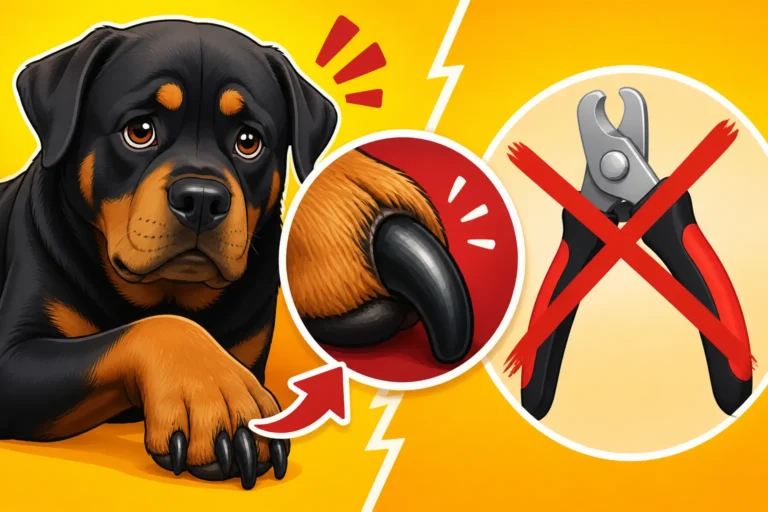
The big hurdle with most Rottweilers is that their nails are predominantly dark, often black. This makes the quick incredibly difficult to see. In a light-colored nail, you can usually spot the pink quick through the translucent nail. With a dark nail, it's a guessing game, which naturally makes owners hesitant to trim too short. This hesitation, while understandable, often leads to nails that are trimmed infrequently or not short enough, allowing the quick to grow longer along with the nail. The longer the nail remains, the longer the quick becomes, making it even harder to trim back without causing pain. It’s a vicious cycle that requires a proactive and consistent approach. You're not just trimming the nail; you're encouraging the quick to recede over time, which can only happen with regular, short trims.
Choosing the Right Tools for the Job
Stepping into the world of dog nail care can feel overwhelming with the sheer number of tools available. For a Rottweiler, selecting the right equipment isn't just a matter of preference; it's a necessity given the thickness and strength of their nails. Skimping on quality here can make the task even harder and more frustrating for both you and your dog.
Clippers Versus Grinders: Pros and Cons
When it comes to the actual act of shortening your Rottweiler's nails, you generally have two main options: clippers or a dremel-style grinder. Each has its own set of advantages and disadvantages, and what works best often comes down to individual preference, your dog's temperament, and your confidence level.
Clippers:
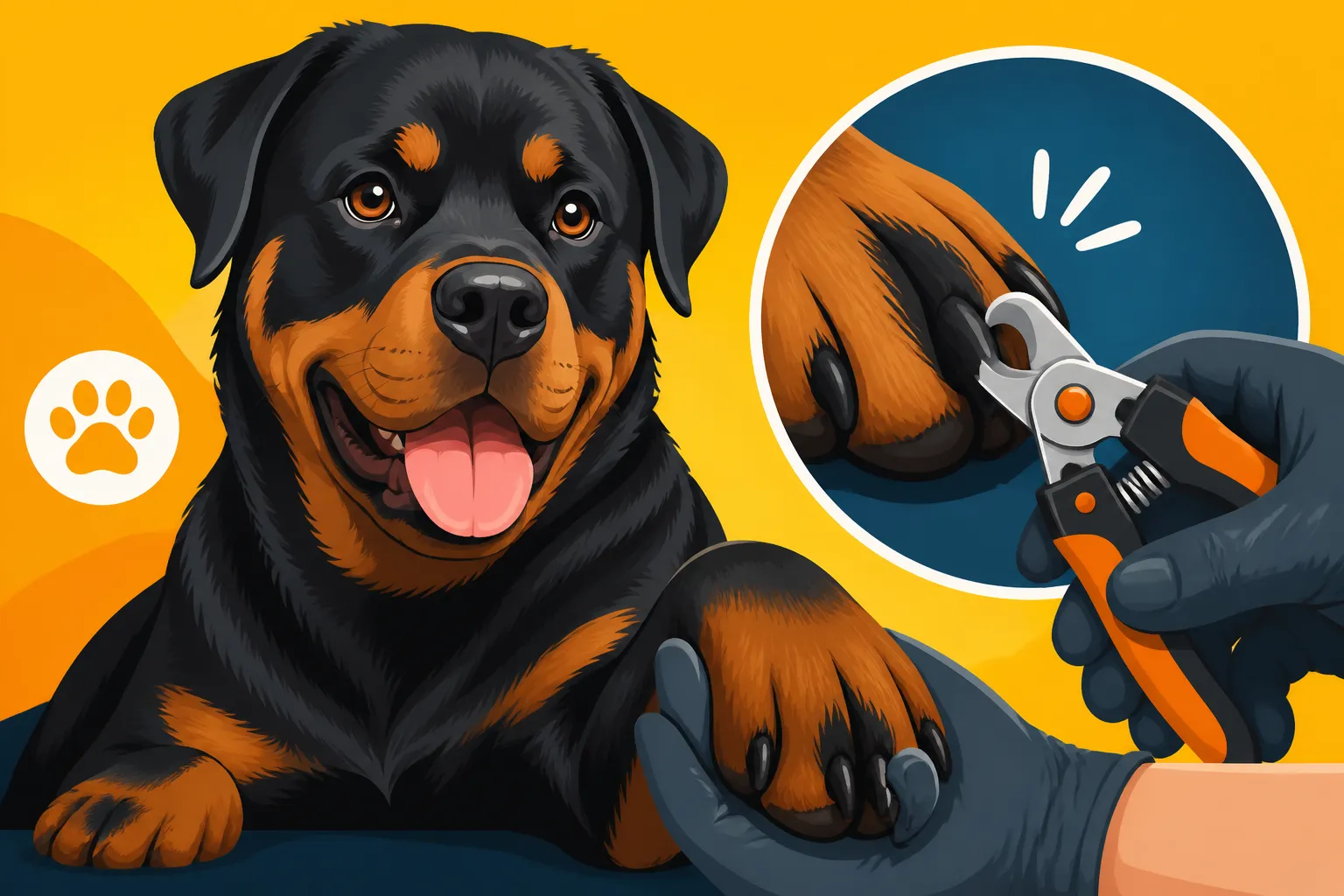
There are two main types of clippers: guillotine-style and scissor-style. For a Rottweiler, I generally recommend a high-quality, large, scissor-style clipper. These clippers, like those you might find on Chewy or Amazon, offer a sturdy grip and leverage, which is essential for cleanly cutting through a Rottie's thick nails. Guillotine clippers, while popular for smaller breeds, can sometimes struggle with the sheer bulk of a Rottweiler's nail and might not provide as clean a cut, potentially leading to splintering or crushing.
- Pros of Clippers:
- Speed: A quick snip and you're done, especially if your dog is cooperative.
- Cost-effective: Generally less expensive than grinders upfront.
- Portability: Easy to grab and go, no charging needed.
- Cons of Clippers:
- Risk of Quicking: Higher chance of cutting too deep if you can't see the quick clearly.
- Can Cause Fear: Some dogs really dislike the sensation or sound of the clip.
- Sharp Edges: Nails often have sharper edges post-clipping, which might need filing down.
Grinders (Dremel-style tools):
These electric tools, also readily available on platforms like Amazon, use a rotating abrasive bit to gradually file down the nail. Many professional groomers and vets prefer grinders for larger breeds like Rottweilers because they offer more control and reduce the risk of hitting the quick.
- Pros of Grinders:
- Precision: Allows you to remove very small amounts of nail at a time, minimizing the risk of hitting the quick.
- Smooth Finish: Leaves a smooth, rounded nail edge, preventing scratches and snags.
- Recedes the Quick: With regular use, the vibration and consistent pressure can encourage the quick to recede further back, allowing for shorter nails over time.
- Less Traumatic: For some dogs, the vibration is less alarming than the sudden "snip" of clippers.
- Cons of Grinders:
- Noise and Vibration: Some dogs are initially scared by the sound and sensation.
- Time-Consuming: It takes longer to grind down nails than to clip them, especially if you have to go slowly.
- Heat Buildup: The friction can generate heat, so you need to be careful not to stay on one nail too long.
- Cost: Higher initial investment and requires batteries or charging.
Many owners find a combination approach works best: clipping the bulk off with a scissor-style clipper, then finishing and smoothing with a grinder. Experiment to see what your Rottweiler tolerates best and what you feel most confident using.
Essential Supporting Supplies
Beyond the main cutting or grinding tool, a few other items are absolute must-haves for a successful and safe nail trimming session with your Rottweiler. Think of these as your indispensable support crew.
Firstly, Styptic powder (often sold under brand names like Kwik Stop) is non-negotiable. No matter how careful you are, accidents happen, especially with dark nails. Having styptic powder immediately on hand means you can quickly stop any bleeding if you accidentally nick the quick. Don't rely on flour or cornstarch; styptic powder is designed for this exact purpose and works much faster and more effectively. Just a tiny pinch applied with pressure can save both you and your dog a lot of stress.
Secondly, good lighting is crucial. Trying to trim dark nails in a dimly lit room is a recipe for disaster. Position yourself and your Rottweiler in an area with excellent light, perhaps even using a headlamp or a bright desk lamp to get a clearer view of the nail's end. The goal is to identify the chalky white or grey ring that indicates you're close to the quick.
Thirdly, and perhaps most importantly for your Rottweiler, are high-value treats. We're talking about the good stuff: small pieces of cheese, boiled chicken, liverwurst, or even a few dollops of a fresh pet food like Ollie. These aren't just bribes; they're critical tools for positive reinforcement, helping your dog associate nail trims with something wonderful. You'll be using these constantly throughout the process to reward calm behavior.
Finally, consider a non-slip mat or rug. A Rottweiler is a large, powerful dog, and if they feel unstable or nervous, they're more likely to pull away or resist. Providing a secure, non-slip surface where they can stand comfortably will make them feel more confident and less likely to shift their weight suddenly. This also helps you maintain a steady hand. These small details contribute immensely to making the experience as stress-free as possible for your big companion.
| Feature | Nail Clippers (Scissor-style) | Nail Grinder (Dremel-style) |
|---|---|---|
| Primary Use | Quickly trim length | Gradually file and shape |
| Speed | Faster, quick snips | Slower, gradual filing |
| Risk of Quicking | Higher, especially with dark nails | Lower, more precise control |
| Nail Finish | Can leave sharper edges | Smooth, rounded edges |
| Dog Tolerance | Some dogs dislike the "snip" sensation and sound | Some dogs dislike the vibration and motor sound |
| Learning Curve | Requires practice to judge depth, especially with dark nails | Requires desensitization to sound/vibration, controlled pressure |
| Cost | Lower initial cost (quality large ones still recommended) | Higher initial cost (requires batteries/charging) |
| Maintenance | Keep blades sharp | Keep abrasive bits clean, replace as they wear |
| Effect on Quick | Can recede quick with consistent short trims | Excellent for encouraging quick recession with regular use |
Mastering the Art of Rottweiler Nail Trimming
Successfully trimming a Rottweiler's nails isn't just about having the right tools; it's a blend of technique, patience, and creating a positive emotional experience. Given their size and strength, trying to force the issue will only backfire, creating a dog that fears the process and makes future trims even more challenging.
Setting Up for Success: Environment and Mentality
Before you even pick up a clipper or grinder, the environment and your own mindset are paramount. Think of this as laying the groundwork for a calm, cooperative experience rather than a battle. Choose a quiet time of day when your Rottweiler is relaxed, perhaps after a good walk or a play session when they're a bit tired. A peaceful setting, free from distractions like other pets, children, or loud noises, will help keep their focus (and yours) on the task at hand.
Good lighting, as mentioned earlier, is absolutely essential. You want to clearly see what you're doing. Position your Rottie in a way that's comfortable for both of you – perhaps with them lying down on their side, or standing on a non-slip mat while you kneel. The key is comfort and stability. Your mentality is just as important: approach the task with a calm, confident, and patient attitude. Dogs are incredibly attuned to our emotions. If you're stressed or anxious, your Rottweiler will pick up on it and likely become anxious themselves. Speak in a soothing voice, offer praise, and keep the energy positive. It’s not about rushing through it; it’s about making each session a step towards building trust and tolerance. Remember, even if you only manage one or two nails in a session, that's a win, especially in the beginning. Consistent positive exposure is more valuable than completing all nails in one stressful go. This aligns perfectly with Rottweiler Handling Practice for Grooming, where positive association and gradual exposure are key.
The Step-by-Step Trimming Process
Once you have your Rottweiler comfortable and your tools ready, it's time to get to work. Remember, slow and steady wins the race, especially with dark nails where the quick is hidden.
- Introduce the Tools: Before you start cutting, let your Rottweiler sniff and investigate the clippers or grinder. Turn the grinder on briefly away from them so they hear the sound. Reward calm curiosity with treats. This desensitization is critical.
- Handle the Paws Gently: Pick up a paw and gently massage it. Touch each toe, run your fingers over the nails. If your dog is new to this, do this several times a day for a few days without any trimming, just giving treats for acceptance.
- Identify Where to Cut (The "Dust Ring"): This is the tricky part with dark nails. Instead of looking for a pink quick, look at the very end of the nail head-on. You'll typically see a solid, dark center. As you trim thin slices, you'll eventually see a greyish or whitish oval appear in the center of the dark nail. This is the entrance to the quick. Stop immediately when you see this. If you continue past this, you will hit the quick. If you're using a grinder, you'll see a white powder and then a darker, softer material in the center as you get closer to the quick.
- Make Small Snips/Grinds: Whether using clippers or a grinder, remove only tiny amounts of the nail at a time. It’s always better to take off too little than too much. For clippers, angle the cut slightly up, aiming to keep the underside of the nail shorter. For grinders, touch the nail lightly with the tool, moving it from side to side to shape and shorten without generating too much heat.
- Reward Constantly: After each successful snip or grind, give your Rottweiler a treat and praise. Make them understand that calm behavior equals delicious rewards. If they pull away or show signs of stress, take a break, reassure them, and try again when they're settled.
- What to Do if You Hit the Quick: If you do accidentally cut too far, don't panic. You'll see a drop of blood and your dog will likely yelp or pull away. Immediately apply styptic powder with firm pressure to the bleeding nail. Hold it there for at least 30 seconds. Reassure your dog with a calm voice and a treat. Don't scold them. This is an accident, and your reaction will dictate how they feel about future trims. Take a break, and try another nail another day.
- Frequency: For a Rottweiler, especially one with dark nails, weekly trims are often ideal. This consistent schedule helps to gradually push the quick back, allowing you to achieve shorter, healthier nails over time. If weekly isn't feasible, aim for every two weeks at minimum. The more often you do it, the shorter the quick will become, and the easier the whole process gets.
Dealing with the Dewclaws
Don't forget those dewclaws! Rottweilers typically have dewclaws on their front legs, and sometimes (though less common and often removed by breeders) on their hind legs. These are located higher up on the leg, not touching the ground, and therefore do not wear down naturally.
Because they don't make contact with walking surfaces, dewclaws can quickly become overgrown and curl around, eventually growing into the pad of the leg. This is incredibly painful and can lead to serious infections. Trimming the dewclaws is often easier than the other nails because they are typically lighter in color and have a more visible quick. However, the same principles apply: use good lighting, take small amounts off, and reward your dog for their cooperation. Many owners, especially those using clippers, find they can easily incorporate dewclaw trimming into their regular routine, ensuring this often-overlooked nail doesn't cause their Rottweiler unnecessary suffering.
Overcoming Fear and Resistance
It’s completely understandable if your Rottweiler isn't thrilled about getting their nails trimmed. Many dogs develop an aversion to it, either due to previous negative experiences (like getting quicked) or simply because it’s an unusual sensation they haven’t learned to tolerate. The good news is, with patience, positive reinforcement, and sometimes professional help, you can turn nail trimming into a manageable, or even tolerable, routine.
Starting Early: A Puppy's First Experience
The absolute best defense against a fearful adult Rottweiler at nail trimming time is to start early, and I mean really early. As soon as you bring your Rottweiler puppy home, begin a gentle desensitization routine. This isn't about trimming their nails right away, but about making paw handling and the presence of the tools a normal, positive experience.
During cuddles or quiet time, gently touch their paws. Stroke their legs, handle their toes, and briefly touch each nail. After each touch, immediately give a tiny, high-value treat and soft praise. Do this multiple times a day, every day. Once they're comfortable with their paws being handled, introduce the clippers or grinder. Let them sniff the tool, place it on the ground next to them, then turn the grinder on briefly at a distance, always paired with treats. Don't pressure them. Over days and weeks, gradually increase the intensity – touching the clippers to their nail, gently tapping the grinder against it (while off). This teaches them that the tools are not scary and that paw handling leads to wonderful things. Even if you only manage to lightly touch one nail with the clippers or grinder and give a treat, it's progress. Think of it as part of their Rottweiler Puppy Training Through the First Year curriculum. The goal is to build a positive association before any actual trimming takes place, making the transition to actual trims much smoother and less likely to cause lasting fear.
Positive Reinforcement and Desensitization for Older Dogs
If you have an older Rottweiler who already has a strong aversion to nail trims, you're not alone. It’s a common challenge, but it’s far from hopeless. The key here is gradual desensitization and counter-conditioning, always using positive reinforcement. This process requires significant patience and commitment, but it’s worth it for your dog’s comfort and your peace of mind.
Here’s how you can approach it:
- Identify the Threshold: Figure out what your dog can tolerate without showing signs of stress (lip licking, yawning, turning head away, trying to pull paw back, tail tucked). Is it just seeing the clippers? Hearing the grinder? You want to work below that threshold.
- Baby Steps with High-Value Rewards: Start with the absolute easiest step. For example, if your dog gets nervous when the clippers come out, simply show them the clippers from across the room, immediately give a fantastic treat (like a piece of cheese or a dollop of a high-value paste from Ollie), and put the clippers away. Repeat this several times a day for a few days.
- Gradually Increase Proximity: Once they're relaxed with the clippers across the room, move them a bit closer, treat, put away. Slowly, over days or weeks, work up to them being comfortable with the clippers resting on their paw, then gently touching a nail, all while dispensing those incredible treats.
- Simulate the Action: Once they tolerate the clippers touching a nail, you can practice the "squeeze" motion without actually clipping (or turn the grinder on for a split second, away from the nail). Treat, then stop. This helps them get used to the sensation.
- The Actual Trim (Tiny Amounts): When you finally get to an actual trim, aim for just one tiny snip or a quick touch with the grinder. Make it incredibly fast, then immediately follow with a jackpot of treats and praise. The goal is to finish before they get stressed. If you can only do one nail per day, that's perfectly fine! It’s better to have 14 positive, one-nail sessions over two weeks than one traumatic, forced session where you try to do all of them. Consistency and keeping it positive will slowly chip away at their fear. If your Rottweiler shows signs of stress, take a step back to the previous, easier stage. Never punish or scold them for being fearful; it will only make the problem worse.
When to Call in the Professionals
Sometimes, despite your best efforts, a Rottweiler's fear or aggression around nail trims is simply too much to handle at home. And you know what? That is absolutely okay. There is no shame in seeking professional help. In fact, it's often the safest and most humane option for both you and your dog.
Veterinary clinics often have technicians who are highly skilled in handling nervous or resistant dogs for nail trims. They have the experience, the proper restraints (if necessary, though often a calm, patient approach is enough), and sometimes even veterinary sedation for extremely fearful or aggressive cases. This ensures the job gets done safely without causing further trauma to your dog or risking injury to you. Professional groomers are another excellent resource. Many groomers are exceptionally patient and have techniques for working with large, difficult dogs. Don't feel guilty about this. A professional can quickly and efficiently get those nails to a healthy length, breaking the cycle of overgrown nails and pain, which in turn can actually make your dog feel better and more tolerant of general handling. Once the nails are at a more manageable length, you might find your Rottweiler is more receptive to at-home maintenance, or you can continue with regular professional appointments. The most important thing is that your Rottweiler's nails are kept short and healthy, regardless of who does the trimming.
The Bigger Picture: Integrating Nail Care into Overall Health
Nail care isn't a standalone chore; it's an integral part of your Rottweiler's overall health and well-being. Thinking about it in this broader context can help underscore its importance and encourage you to prioritize it within your dog's regular care routine.
Regularity is Key: Establishing a Routine
I cannot overemphasize this: consistency is absolutely crucial for Rottweiler nail care. Think of it like brushing your teeth – it’s not something you do once a month and expect good results. For most Rottweilers, especially if they spend a lot of time on softer surfaces like grass or carpet, weekly nail trims are the gold standard.
Why weekly? Because it allows you to take off tiny amounts of nail regularly, preventing the quick from growing out. Over time, these consistent, short trims will actually encourage the quick to recede further back into the nail bed. This means that eventually, you'll be able to trim their nails shorter and shorter without hitting the quick, achieving that ideal "paws-on-the-ground, nails-not-touching" look. Establishing a routine helps both you and your dog. They learn to expect it, making the process less stressful. Pick a day and time that works for you – perhaps Sunday evenings after dinner – and stick to it. Mark it on your calendar or set a reminder. This regular maintenance is vital for preventing the joint issues discussed earlier and contributes significantly to their comfort and mobility as they age. Just as you monitor their weight to prevent issues like Rottweiler Obesity and the Load It Adds, regular nail care is a proactive step in preserving their physical health, especially as they enter their senior years, where mobility can become a concern, as discussed in Senior Rottweiler Mobility Decline.
Observing for Other Paw Health Issues
Nail trimming time also offers a fantastic opportunity for a quick paw inspection, which can catch other potential health issues early. Your Rottweiler's paws are their foundation, and problems here can quickly impact their comfort and ability to move.
As you hold each paw, take a moment to look closely. Check for any signs of ingrown nails, particularly those dewclaws that can curl into the skin. Inspect the paw pads for cracks, cuts, or foreign objects like thorns or burrs. Look between the toes for irritation, redness, or swelling, which could indicate allergies or a condition like interdigital cysts. These cysts, common in some breeds, can be very painful if not addressed. You might also notice redness or discharge around the nail bed itself, which could signal a bacterial or fungal infection, similar to what you might see in Nail Bed Infections on a Rottweiler Paw. Early detection of these issues means quicker treatment and less suffering for your dog. For instance, if you notice excessive licking or chewing at their paws, especially after a walk, it might be an allergic reaction, or it could point to something embedded. Make it a habit: trim, then visually inspect and gently feel all around the paw. It's a quick addition to your routine that provides invaluable insights into your Rottweiler's overall health.
Disclaimer
This article is for general informational purposes only and does not constitute professional advice. Laws, prices and regulations vary by location and change over time. Consult a qualified professional for guidance on your specific situation.