Two Male Rottweilers Under One Roof
Bringing two male Rottweilers under one roof can feel like you're setting up for a potential powder keg, and honestly, it’s a valid concern many dedicated Rottweiler owners grapple with. While the dream of having two majestic, loyal companions living in perfect harmony is lovely, the reality of male-on-male dynamics, especially in a breed known for its protective instincts and powerful presence, can present significant challenges. This guide will walk you through the complexities of managing two male Rottweilers, from understanding their inherent drives to implementing practical strategies for a peaceful co-existence.
Understanding Male Rottweiler Dynamics
The idea that two dogs, especially puppies, will just "figure it out" and become best friends often leads to heartbreak down the road. With male Rottweilers, ignoring their natural inclinations is a recipe for disaster. This isn't about character flaws; it's about deeply ingrained instincts that come with the breed.
The Instinct to Dominate
Rottweilers, by nature, are a strong, confident, and often dominant breed. When you bring two males together, particularly if they are both intact, you are introducing two individuals with a strong inherent drive to establish a hierarchy. This isn't necessarily about outright aggression from day one, but rather a constant, subtle (and sometimes not-so-subtle) jockeying for position. Each dog possesses an innate desire to be the top dog, to control resources, and to define their social standing within the household pack.
This drive manifests in various ways – from how they approach a doorway, who gets attention first, to subtle body language cues like stiffening or direct stares. While we, as humans, might wish they could just be egalitarian buddies, their primal programming dictates otherwise. They are constantly testing boundaries, both with each other and with you, to figure out where they stand. It’s not malicious; it's just how they're wired to operate in a social structure. Overlooking this fundamental aspect is like expecting a lion and a tiger to share a meal politely without any prior understanding of their predatory nature.
Age and Maturity in Same-Sex Aggression
One of the biggest misconceptions is that if two male Rottweiler puppies get along beautifully, they'll always be fine. The truth is, many issues with same-sex aggression, particularly between males, don't truly surface until they reach social maturity. This critical period typically spans from about 12 months to 36 months of age, though it can vary. During adolescence, their hormones are raging, their confidence is building, and they start to truly "find themselves" as adult dogs.
A puppy that happily shared toys and wrestled without issue at four months old can become a completely different dog at 18 or 24 months. This is when the real challenges often begin. The playful nipping might escalate into hard guarding, or a casual jostle for a spot on the couch could turn into a serious confrontation. It’s crucial to understand that peace in puppyhood is not a guarantee for adult harmony. The transition into maturity is often when latent dominance issues or insecurities, exacerbated by the presence of another male, come to a head. This makes early intervention and consistent management paramount, long before any serious incident occurs.
Triggers and Flashpoints
Understanding what sets off conflicts between two male Rottweilers is critical for preventing them. These aren't random outbursts; they usually stem from specific triggers that ignite their instinctual drives. Recognizing these flashpoints allows you to proactively manage the environment and diffuse tension before it boils over.
Common triggers include:
- Resources: This is probably the biggest one. Food (especially high-value treats or bones), toys, favorite sleeping spots, and even specific pieces of furniture can become objects of contention. One dog might try to claim all these for himself, leading to confrontations. We’ve seen this time and time again – a bone left unattended can turn a quiet afternoon into a chaotic struggle. For more on managing this, you might find our article on Bowl Guarding in a Rottweiler Bred to Guard helpful.
- Owner Attention: Our affection and attention can be a highly prized resource. If one dog feels like he's not getting enough, or if one is overly possessive of human interaction, a quick pet or even a verbal command can spark a jealous reaction from the other male.
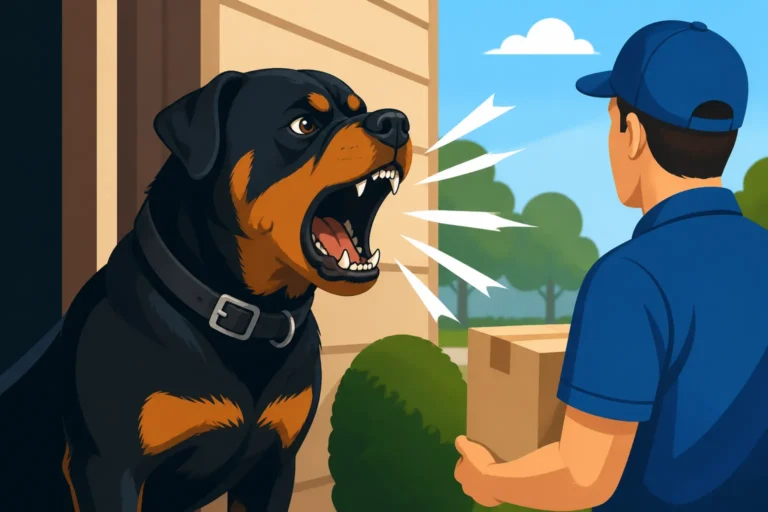
- Territorial Intrusions: Rottweilers are natural guardians. The presence of a stranger approaching the house, another dog passing by the fence, or even a delivery person can elevate their arousal levels. In this heightened state, their tolerance for each other can plummet, and territorial instincts can extend to protecting the "pack" (which includes you and the other dog) from perceived outside threats.
- Presence of Intact Females: If you have an intact female dog in the household, or if one is nearby (even outside), the hormonal influence can dramatically increase tension and aggression between intact male Rottweilers. Their natural drive to breed will intensify their competition for access to the female.
- Confined Spaces: Small spaces, like narrow hallways, doorways, or even crowded car trunks, can lead to accidental bumps or perceived challenges that escalate into conflict. The inability to escape or create distance can make situations much worse.
- Sudden Movements or Startles: A sudden noise, an unexpected visitor, or a quick movement can startle one dog, causing a reactive response that the other male might misinterpret as an act of aggression, leading to a defensive counter-attack.
Managing these triggers is about more than just discipline; it’s about thoughtful environmental design and constant vigilance.
Strategies for Peaceful Coexistence
Living with two male Rottweilers successfully isn't about hoping for the best; it's about meticulous planning, consistent training, and unwavering management. It’s a full-time job, but absolutely doable with the right approach.
Management and Supervision Are Key
When you have two male Rottweilers, especially if they are exhibiting any signs of tension, management isn't just a suggestion—it's the absolute foundation of your strategy. This means you need to be constantly aware of where both dogs are, what they are doing, and what potential triggers might be present. Think of yourself as a diligent air traffic controller, always monitoring and directing.
- Crates and Gates: These are your best friends. Each dog should have its own designated "safe space" – a comfortable, appropriately sized crate. For Rottweilers, you'll need something robust. Many owners find heavy-duty wire crates or even impact-resistant crates from brands available on Amazon to be essential. These aren't just for bedtime; they're for when you can't actively supervise, when one dog needs a break, or during feeding times. Baby gates are also incredibly useful for sectioning off parts of your home, allowing you to give each dog individual time and prevent unwanted interactions.
- Rotational Access: This means managing access to prime areas, like the living room, yard, or even your lap. Maybe one dog gets exclusive access to the yard for 30 minutes, then comes in while the other goes out. Similarly, individual cuddle time on the couch can prevent resource guarding over your attention. This prevents either dog from feeling like they "own" a certain space and reduces direct competition.
- Leash Management Indoors: Even inside your home, having both dogs on a leash, especially during introductions or when high-value items are present, can give you crucial control to prevent an escalation. This is not a punishment; it’s a safety measure, allowing you to physically separate them quickly if needed.
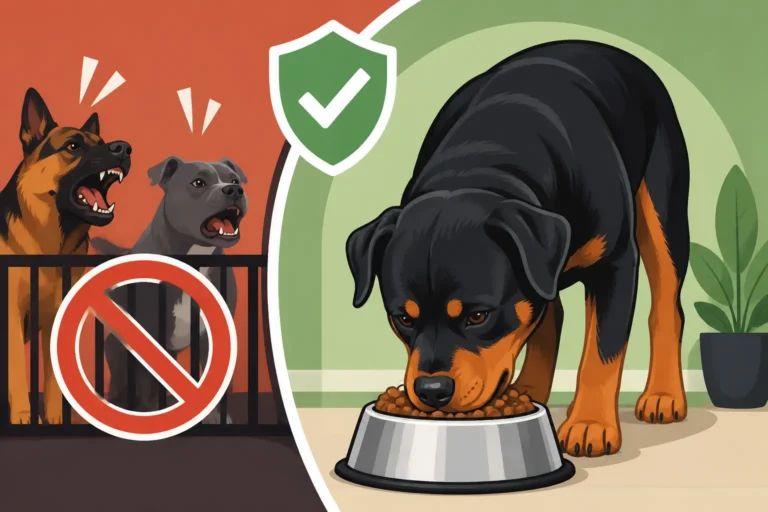
- No Free-Feeding: Food is a major resource, and free-feeding (leaving food out all day) is an invitation for conflict. Feed them separately, ideally in their crates or in different rooms, behind closed doors. Ensure they each have their own bowls and are not able to see or reach each other's food. This eliminates a huge source of competition and potential aggression.
This level of management might sound like a lot of work, but it creates a predictable, safe environment for both dogs and significantly reduces stress for everyone in the household.
Training and Socialization Foundations
Management alone won't solve the underlying dynamics; strong, consistent training for each dog is paramount. It’s about building impulse control and teaching them to defer to you, not to each other, for guidance.
- Individual Obedience: Both Rottweilers need to be exceptionally well-trained, individually. This means rock-solid recall, a reliable "leave it," a strong "stay," and polite leash manners. Commands like "place" or "bed" are invaluable for sending a dog to a designated spot to relax when tension rises. Practice these skills daily, away from the other dog, to ensure their focus is entirely on you. You can look into online training platforms like BAXTER & Bella for structured programs that you can follow at your own pace, focusing on each dog separately. Our guide Rottweiler Leash Manners at a Hundred Pounds offers excellent advice that applies here, even indoors.
- Impulse Control: Teach them patience and waiting. This could involve making them wait for their food, waiting before going out the door, or waiting for you to release them from a "stay." These exercises build mental discipline and teach them that good things come from calm, controlled behavior.
- Respecting Boundaries: Train each dog to respect the other's personal space. This might involve teaching them not to approach another dog's crate, bed, or chew toy without permission. This isn't about making them fear each other, but rather establishing clear rules of engagement.
- Careful Socialization: While it's vital for Rottweilers to be well-socialized with other dogs in general, introducing them to a wide variety of calm, well-mannered dogs outside the home can help them learn appropriate canine social cues without the pressure of a live-in rivalry. However, be incredibly cautious about "forcing" them to play or interact if there's any tension at home. The goal isn't necessarily for them to be best friends, but for them to be neutral, respectful cohabitants. The emphasis should be on parallel play or calm coexistence rather than competitive interaction.
By focusing on individual training, you empower yourself as the ultimate leader and provide clear structure, which can help alleviate the need for the dogs to constantly try to establish dominance over each other.
Resource Guarding Prevention
Resource guarding is a natural, instinctual behavior, but it can escalate quickly and dangerously between two male Rottweilers. Preventing it is far easier and safer than trying to break an established habit.
- Separate Feeding Stations: As mentioned, always feed your Rottweilers in separate, secure locations. This means different rooms, crates, or behind solid barriers where they cannot see or bother each other. Give them ample time to eat without rushing. Once they are finished, pick up any leftover food bowls immediately. This removes the resource entirely and prevents arguments over remnants.
- High-Value Item Management: Any chew toys, bones, or special treats that one dog might covet should only be given when the dogs are separated. For instance, if you give one dog a long-lasting chew, the other should be in a different room or crate with its own equally appealing chew, or perhaps enjoying a solo walk with you. Supervise these sessions closely, even when separated, and collect all high-value items when the dogs are done. Don't leave them lying around to become potential battlegrounds.
- No Free-Range Toys: In a household with two male Rottweilers, it’s often best to control all toys. Put them away when not actively being used during supervised play sessions. When you do allow playtime, offer multiple identical toys to reduce competition, and immediately intervene if one dog starts to guard or bully the other for a toy.
- Managing Your Attention: Your attention is a resource, too! Ensure both dogs receive equal, individual attention every day. This means separate training sessions, separate cuddle times, and separate walks. If one dog is a persistent "leaner" or demands attention, reinforce good manners and politeness. Never allow one dog to push the other away to get to you. Make them take turns, or have them both perform a "sit" or "down" command before receiving affection. Our article A Rottweiler That Guards a Person delves into this in more detail and might offer some helpful insights.
- Designated Resting Spots: Each dog should have its own bed or mat that is truly "theirs" and not accessible by the other dog. If they like to be in the same room, place their beds far enough apart that they don't feel crowded or compelled to challenge each other for proximity. Large, comfortable dog beds that can be found easily on Amazon can provide a sense of personal space.
Consistency in managing resources sends a clear message: you control all the valuable things, and the dogs don't need to fight over them. This reduces stress and helps them understand that their needs will be met without conflict.
When Intervention Becomes Necessary
Despite all preventative measures, sometimes tensions rise, or a full-blown conflict erupts. Knowing how to recognize the early warning signs and when to call for professional help is absolutely vital for the safety of everyone involved.
Recognizing Escalating Tension
Rottweilers, being stoic and sometimes subtle, often give signals long before a fight breaks out. Learning to read these early warning signs is your most powerful tool for intervention. Ignoring them is dangerous.
Here are some indicators of escalating tension:
- Stiff Body Language: The dogs become rigid, their muscles tense. Tails might be held high or stiffly. Their posture changes from relaxed to alert and unyielding.
- Hard Stares: A direct, unblinking stare between two dogs is a significant warning. It's a challenge, not a friendly glance. Their eyes might seem smaller or more intense. You might notice what's called "whale eye," where the whites of their eyes are visible at the sides. Our article Reading a Calm Rottweiler That Is Actually Alert offers more on deciphering these subtle cues.
- Freezing: One or both dogs might suddenly freeze in place, often with their heads lowered slightly and their eyes fixed on the other. This is a precursor to action.
- Low Growls or Rumbling: These are not playful grumbles. A deep, guttural growl or a low rumble signifies discomfort, warning, and impending aggression. Crucially, never punish a growl. A growl is a dog's way of saying "I'm uncomfortable and need space." If you punish it, you teach them to suppress this warning, and they might go straight to a bite next time. Our guide Why You Should Never Punish a Rottweiler Growl explains this critical concept further.
- Mouthing or Nipping: What starts as play-biting in puppies can escalate into deliberate nips or even sustained mouthing that isn't playful between adult males.
- Lip Licking and Yawning: These can sometimes be appeasement signals, but if seen in a tense situation, they can also indicate stress and discomfort, showing a dog is trying to de-escalate without success.
- Blocking or Herding: One dog might try to physically block the other from a doorway, a person, or a resource, using their body weight.
If you see these signs, immediately create distance between the dogs. Use a calm, firm voice to call them to separate "place" commands, or calmly leash and separate them into different rooms or crates. Avoid yelling or physically getting between them, as this can escalate the situation or put you at risk. The goal is to interrupt the escalation before it becomes a physical confrontation.
The Role of Neutering
The question of neutering often comes up when dealing with male-on-male aggression. It's not a magic bullet, but it can be a valuable tool in certain situations.
- Hormonal Influence: Intact males are driven by testosterone, which can fuel dominance behaviors, territoriality, and competition, especially in the presence of intact females. Neutering can reduce these hormone-driven urges, potentially lowering the intensity and frequency of conflicts. For younger dogs, neutering before aggressive patterns become deeply ingrained can sometimes prevent them from fully developing.
- Not a Guaranteed Fix: It's crucial to understand that neutering is not a guaranteed solution. If the aggression is learned behavior, rooted in fear, resource guarding, or established hierarchy, neutering may have little to no impact. A dog that has learned to fight for a specific resource will likely continue to do so, even without testosterone. The longer the aggressive behavior has been present, the less likely neutering alone will resolve it.
- Timing Considerations: There are varying views on the optimal age for neutering, especially in large breeds like Rottweilers, due to concerns about growth plate closure and long-term health. Neutering Age and Rottweiler Behavior discusses these considerations. Discussing the pros and cons with your veterinarian, taking into account the individual temperaments of your dogs and your ability to manage their behavior, is essential. If aggression is severe, the behavioral benefits might outweigh other considerations.
Ultimately, neutering should be seen as one component of a multi-faceted approach to managing same-sex aggression, not the sole answer.
Seeking Professional Help
When managing two male Rottweilers, especially if aggression has already occurred or if you feel overwhelmed, bringing in professional help isn't a sign of failure; it's a sign of responsible pet ownership.
- Certified Professional Dog Trainers (CPDT-KA) or Behaviorists (CDBC): These professionals have specific expertise in canine behavior and can assess your unique situation. They can observe the dogs' interactions, identify triggers you might have missed, and help you develop a tailored management and training plan. Look for someone with experience specifically with large, powerful breeds and same-sex aggression. They can guide you through counter-conditioning and desensitization protocols, and help you understand the nuances of Rottweiler body language. Online training platforms like BAXTER & Bella can offer foundational training, but for complex behavioral issues like same-sex aggression, hands-on, in-person guidance from a certified professional is invaluable. Our article Finding a Rottweiler-Experienced Trainer Near You offers tips on selecting the right expert.
- Veterinary Behaviorists: For cases involving severe aggression, fear, or anxiety, a veterinary behaviorist (who is a licensed veterinarian with specialized training in behavior) can be a crucial resource. They can rule out underlying medical conditions (as pain can cause aggression) and, if appropriate, discuss medication to help reduce anxiety or reactivity, making behavioral modification more effective. Rottweiler Behavior Changes That Mean Pain highlights the importance of ruling out medical causes.
- Don't Wait: The longer you let aggressive behaviors fester, the more ingrained they become, and the harder they are to resolve. Seeking help at the first sign of serious tension or aggression can make a significant difference in the outcome. A professional can help you implement safe management strategies immediately, reducing the risk of injury to your dogs or family members.
Working with an expert provides you with tailored strategies, support, and the peace of mind that you're doing everything you can to create a safe and harmonious environment.
Long-Term Considerations and Realistic Expectations
Living with two male Rottweilers is a marathon, not a sprint. It requires ongoing commitment and a clear understanding of what a realistic outcome might look like.
The Commitment Required
Successfully managing two male Rottweilers under one roof demands a profound, continuous commitment from every member of the household. This isn't a temporary phase of strict rules that you can relax once they seem to get along. For many, it's a permanent lifestyle adjustment that will last the entire lifespan of your dogs.
- Constant Vigilance: You'll need to remain vigilant and observant of their interactions, body language, and environmental triggers at all times. This means actively supervising them, especially during meal times, when new guests arrive, or when high-value items are present. You can't just throw a toy into a shared space and hope for the best.
- Consistent Enforcement: Every family member must be on the same page regarding rules, boundaries, and management strategies. Inconsistency in applying rules can undermine your authority and create confusion for the dogs, potentially leading to increased tension. If one person allows a behavior that another person corrects, the dogs will test those boundaries relentlessly.
- Lifelong Training: Training is never truly "done." You'll need to continue reinforcing obedience commands, impulse control, and polite manners throughout their lives. This includes regular practice sessions and integrating training into daily routines. For example, ensuring they both know Rottweiler Leash Manners at a Hundred Pounds is vital, as a pulling dog can create stress even if they are walked separately.
- Proactive Problem Solving: Rather than reacting to problems, you'll need to proactively identify potential conflict situations and prevent them. This involves constant environmental management—keeping high-value items put away, separating them during feeding, managing doorways, and ensuring separate resting areas. This is why tools like strong crates and baby gates remain essential even years into their co-habitation.
- Financial and Time Investment: Managing two large, strong-willed dogs, especially with potential behavioral issues, often comes with significant financial and time commitments. This can include specialized training, potentially veterinary behaviorist consultations, and ongoing management tools. It's an investment in safety and peace.
This level of dedication is what allows families to navigate the complexities of same-sex aggression and build a stable, albeit sometimes carefully structured, home environment for their Rottweilers. Without this commitment, the risk of serious incidents remains high.
Safety First for All
Ultimately, the most important consideration when housing two male Rottweilers is the safety of everyone involved – your dogs, other pets, and, most critically, the human members of your family, especially children. Rottweilers are powerful animals, and fights between them can be incredibly dangerous and result in severe injuries.
- Preventing Injury: A fight between two Rottweilers can quickly escalate, leading to deep puncture wounds, torn flesh, and even broken bones. Intervening in a dog fight is also extremely risky for humans. The most effective way to ensure safety is to prevent fights from happening in the first place through diligent management and training.
- Risk to Other Pets: If you have smaller pets, such as cats or smaller dogs, they can easily become collateral damage if your Rottweilers get into a serious altercation. The stress of constant tension can also negatively impact their well-being.
- Risk to Children: While a well-trained Rottweiler can be wonderful with children, the presence of ongoing inter-dog aggression adds an unpredictable element. Children might inadvertently become caught in the middle of a dispute, or they might be injured if they try to intervene or if the dogs redirect their aggression. A dog in a highly aroused, aggressive state might accidentally bite a child who gets too close.
- Considering Quality of Life: Beyond physical safety, you must consider the quality of life for both dogs. Are they constantly stressed, living in fear, or having to endure endless separation? If their lives are characterized by anxiety and tension, rather than joy and companionship, it might not be fair to them to force them to cohabit.
- The Difficult Decision of Rehoming: In some unfortunate cases, despite all efforts, training, and professional intervention, two male Rottweilers simply cannot live together safely or peacefully. If the risk of injury is consistently high, if the dogs' quality of life is severely compromised, or if the stress on the family is unbearable, the difficult decision of rehoming one of the dogs may be the most responsible and humane choice. This is never easy, but sometimes it is necessary to ensure the safety and well-being of all involved. This is why organizations that deal with Same-Sex Aggression Between Rottweilers often counsel careful consideration and professional guidance when making such choices.
The goal is always to create a harmonious home, but never at the expense of safety or the emotional well-being of any creature under your roof. Be realistic about what you can manage and prioritize safety above all else.
Disclaimer
This article is for general informational purposes only and does not constitute professional advice. Laws, prices and regulations vary by location and change over time. Consult a qualified professional for guidance on your specific situation.