The First Sign of Heart Muscle Failure in a Rottweiler
It’s truly gut-wrenching when you notice something is just off with your big, powerful Rottweiler. That slight slowing down, that little cough you hear now and then – it’s easy to dismiss these things, especially as they get older, thinking it’s just part of aging. But when it comes to heart muscle failure, those subtle changes can be the very first warnings your beloved companion is giving you. This guide is here to help you understand those early signals, so you can act quickly and give your Rottweiler the best chance possible.
Understanding Heart Muscle Failure in Rottweilers
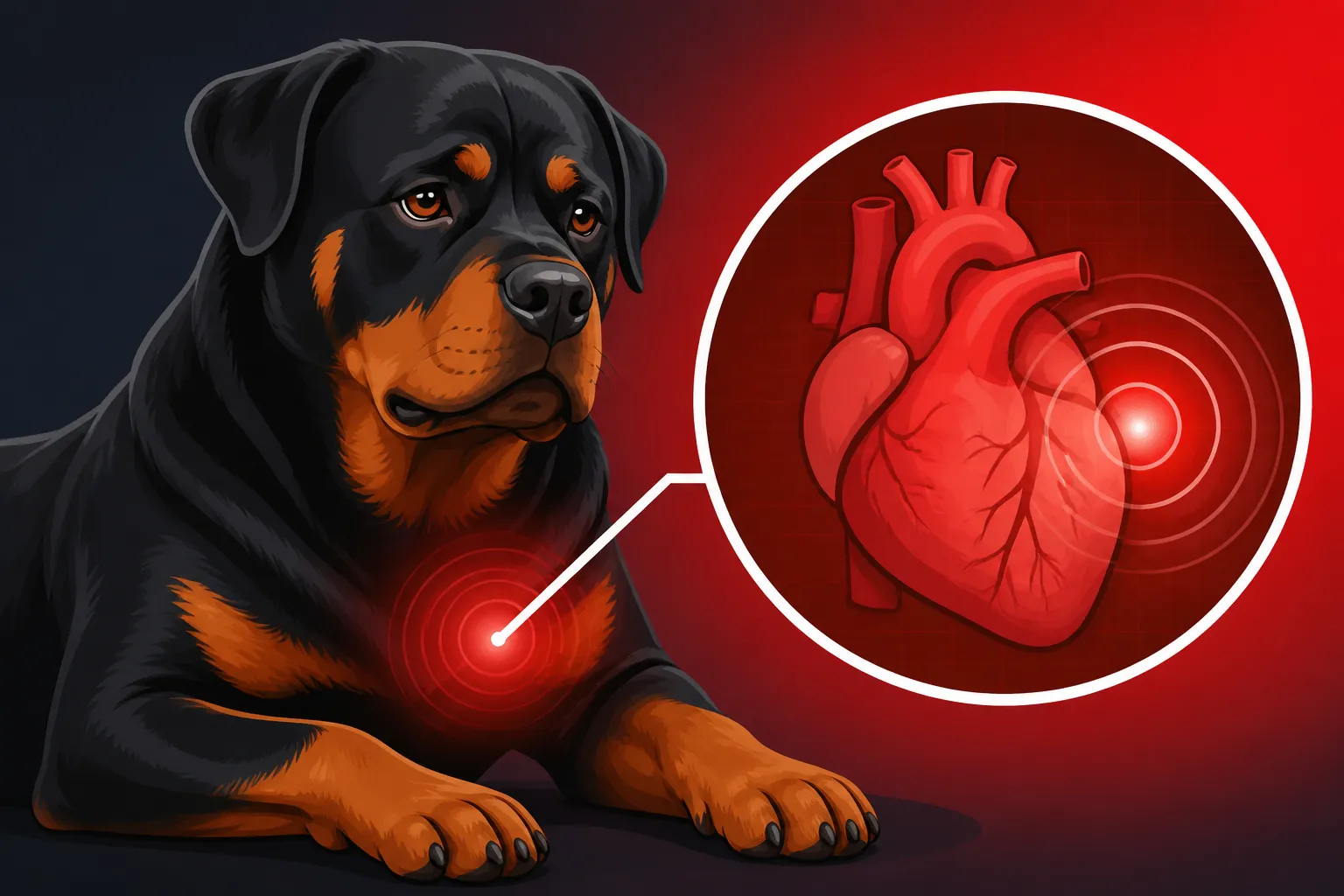
When we talk about heart muscle failure in Rottweilers, we're often looking at a condition called Dilated Cardiomyopathy, or DCM. Unlike some other heart issues that might be structural problems from birth, DCM is a disease where the heart muscle itself becomes thin and weak. Imagine a sturdy, well-pumped balloon slowly losing its elasticity and becoming flabby; it can't push blood through the body as effectively as it should. This isn't like the congenital "Subaortic Stenosis in Rottweiler Puppies" that some dogs are born with; DCM is typically acquired later in life, though it definitely has a genetic component in Rottweilers.
This weakening of the heart muscle means it struggles to pump blood, leading to a backup of fluid and a lack of oxygen-rich blood reaching the body's tissues. It's a progressive disease, meaning it gets worse over time, and unfortunately, Rottweilers are disproportionately affected. It’s a terrifying prospect for any owner, especially knowing how stoic our Rotties can be. They often hide discomfort until the disease is quite advanced, which is why understanding the very first signs is so crucial.
What Dilated Cardiomyopathy Means for Your Rottweiler's Heart
In a healthy heart, strong contractions pump blood efficiently through the arteries, delivering vital oxygen and nutrients to every part of the body. With DCM, these contractions become feeble. The heart chambers, particularly the left ventricle, become enlarged or "dilated" to compensate for the weak pumping action. This enlargement stretches the muscle even thinner, making it even less effective. It's a vicious cycle.
The body tries to adapt, but eventually, this compensation fails, leading to what we clinically call congestive heart failure. This means fluid starts to build up, often in the lungs (pulmonary edema) or sometimes in the abdomen (ascites). The organs don't get enough blood, and the dog begins to show noticeable symptoms. Early detection, before the compensatory mechanisms are overwhelmed, is key to potentially slowing the progression and improving your Rottweiler's quality of life.
Distinguishing DCM from Other Rottweiler Heart Conditions
It's important not to confuse DCM with other common Rottweiler heart issues. For example, some Rottweilers are predisposed to problems like "Rottweiler Heart Disease and Subaortic Stenosis" (SAS). SAS is a congenital narrowing below the aortic valve, which creates an obstruction to blood flow out of the heart. While both can lead to heart failure, their origins and initial treatments differ significantly.
DCM specifically involves the muscle becoming dysfunctional. Another condition, though less common in Rottweilers than DCM, is arrhythmogenic right ventricular cardiomyopathy (ARVC), sometimes called "Boxer Cardiomyopathy." While it shares some characteristics with DCM, it often involves fatty or fibrous tissue replacing heart muscle, particularly in the right ventricle, and can lead to serious arrhythmias. Understanding the distinction helps your vet pinpoint the correct diagnosis and tailor the most effective treatment plan for your Rottweiler.
Subtle Early Warning Signs to Watch For
The trickiest part about heart muscle failure in Rottweilers is how incredibly subtle the initial signs can be. Rotties are tough, and they'll often soldier on, masking discomfort until they simply can't anymore. You might notice little things and brush them off as a normal part of getting older or just a hot day. But for a Rottweiler, any change in their typical robust demeanor, especially as they approach their senior years, warrants attention. Don't wait until you see something dramatic like "A Rottweiler That Collapses Suddenly During Play" to act.
These early symptoms are often related to the heart's reduced ability to circulate blood efficiently, leading to less oxygen getting to the muscles and organs, and fluid starting to back up. They often mimic other less serious conditions, which can make them easy to overlook, but it's vital that you pay close attention.
Decreased Stamina and Exercise Intolerance
One of the first things you might pick up on is that your usually energetic Rottweiler isn't quite as keen to play or go for long walks. They might lag behind, seem tired sooner, or choose to lie down more often than usual. What used to be a brisk, hour-long walk might now exhaust them after twenty minutes. They might seem out of breath more easily, or take longer to recover after a short burst of activity.
It’s easy to think, "Oh, they're just getting older," especially if your Rottweiler is past seven or eight years old, but this isn't necessarily a normal part of "Senior Rottweiler Care After the Age of Seven." While some slowing down is natural, a significant or rapid decline in stamina could be a red flag. Pay attention if they're opting out of games they once loved or struggling with stairs they used to bound up without a second thought. These could be early indicators that their heart is struggling to keep up with the demands of their body.
Changes in Breathing Patterns and Occasional Coughing
Another common early sign, and one that often leads owners to the vet, is a change in breathing. This might manifest as increased respiratory rate, even at rest, or more labored breathing. You might notice your Rottweiler breathing more heavily than usual, or perhaps a slight expansion of their flanks with each breath.
A dry, hacking cough, particularly after exercise, excitement, or when they've been lying down for a while, is a particularly concerning sign. This cough is often due to fluid building up in the lungs, a classic symptom of congestive heart failure. It might sound like they're trying to clear their throat, but nothing comes up. It's often dismissed as kennel cough or allergies, but if it persists and is accompanied by other subtle signs, it’s worth investigating. Any persistent cough in a large breed dog like a Rottweiler should never be ignored.
Altered Appetite and Unexplained Weight Loss
While less common as a very first sign, changes in appetite can creep in as heart muscle failure progresses. Your Rottweiler might become pickier with food, or simply not finish their meals with their usual gusto. This reduced intake, combined with the body expeting more energy to compensate for the struggling heart, can lead to unexplained weight loss. You might notice they feel a bit bonier than usual, or their ribs are more prominent.
It's a subtle change that can be missed if you're not weighing them regularly or paying close attention to their body condition. In advanced cases, fluid retention can actually mask weight loss, making them look bloated while losing muscle mass. Keep an eye on their eating habits; a Rottweiler who isn't enthusiastic about food is almost always telling you something is wrong.
When to See the Vet and What to Expect
Spotting these subtle signs is just the first step. The next, and most critical, is getting your Rottweiler to the veterinarian without delay. Because Rottweilers often mask symptoms so well, by the time you notice something, the condition may already be progressing. Don't wait for your dog to be in obvious distress; early intervention can significantly improve outcomes. If you've noticed any of the changes discussed above, especially a combination of them, it's time to call your vet.
Be prepared to describe everything you've observed, no matter how minor it seems. Your detailed observations are invaluable clues for your veterinarian. They'll perform a thorough physical exam, and if heart disease is suspected, they'll recommend specific diagnostic tests. This is also where having a robust pet insurance plan like Healthy Paws can be a lifesaver, as these diagnostics and subsequent treatments can become quite expensive.
Initial Veterinary Examination and Blood Work
During the initial visit, your vet will listen carefully to your Rottweiler's heart and lungs. They'll be checking for murmurs, abnormal heart rhythms (arrhythmias), or crackling sounds in the lungs that could indicate fluid buildup. They'll also assess your dog's overall condition, including mucous membrane color, pulse quality, and any signs of fluid retention in the abdomen or limbs.
Blood work will likely be recommended. This includes a complete blood count (CBC) and a biochemistry panel to evaluate organ function and overall health. They might also run a Pro-BNP test, which measures a hormone released when the heart muscle is stretched or stressed. Elevated levels of Pro-BNP can be a strong indicator of heart disease, even before clinical signs are obvious. These initial tests help rule out other conditions and give your vet a clearer picture of what might be going on internally.
Diagnostic Imaging: X-rays and Echocardiograms
To truly diagnose heart muscle failure, your vet will likely recommend diagnostic imaging. Chest X-rays are crucial for evaluating the size and shape of the heart, as well as checking for fluid accumulation in or around the lungs, which signals congestive heart failure. They can also show if the pulmonary vessels are enlarged, another sign of heart issues.
The gold standard for diagnosing DCM, however, is an echocardiogram. This is an ultrasound of the heart that allows a veterinary cardiologist to visualize the heart's structure and function in real-time. They can see the thickness of the heart walls, the size of the chambers, how well the valves are working, and most importantly, measure the heart's pumping efficiency. This is often described as the ejection fraction or fractional shortening. If your vet suspects heart disease, they might refer you to a specialist for "The Rottweiler Echocardiogram at Two Years Old" or at any age symptoms appear. An echocardiogram provides definitive answers about the type and severity of heart disease, guiding the most appropriate treatment plan.
| Early Heart Muscle Failure Sign | What It Looks Like (Examples) | Why It's Concerning |
|---|---|---|
| Decreased Stamina | Reluctance to play, cutting walks short, slower to get up, struggling with stairs. | Heart struggling to pump enough oxygenated blood to muscles. |
| Increased Resting Respiratory Rate | Breathing faster than usual when completely at rest or asleep, abdominal effort. | Early sign of fluid congestion in the lungs. |
| Subtle Cough | Dry, hacking cough, especially after excitement, exercise, or lying down. | Fluid in the lungs irritating airways. |
| Lethargy/Fatigue | More sleeping, less interest in usual activities, generally low energy. | Poor circulation and oxygenation to the brain and body. |
| Appetite Change/Weight Loss | Pickier eating, not finishing meals, gradual thinning despite food intake. | Body struggling to maintain condition due to increased metabolic demands. |
Managing Heart Muscle Failure and Supporting Your Rottweiler
Receiving a diagnosis of heart muscle failure can be devastating, but it's not a death sentence in every case. There are many strategies and medications available today that can significantly improve your Rottweiler's quality of life and potentially extend their time with you. The goal of management is to minimize fluid buildup, improve the heart's pumping ability, and reduce any associated symptoms to keep your dog as comfortable and happy as possible. This requires a dedicated partnership between you and your veterinary team.
It's a journey that will require vigilance, consistent medication, and often, lifestyle adjustments for your dog. Remember, even with the best care, this is a progressive disease, but with proper management, many Rottweilers can still enjoy meaningful time with their families.
Medications to Improve Heart Function
Once heart muscle failure is diagnosed, your vet will typically prescribe a regimen of medications. These often include diuretics, like furosemide, to help reduce fluid buildup in the lungs and abdomen, making it easier for your dog to breathe and reducing pressure on the heart. ACE inhibitors, such as enalapril or benazepril, are commonly used to relax blood vessels, lower blood pressure, and reduce the workload on the heart.
Another crucial medication is pimobendan (Vetmedin), which is often a game-changer for dogs with DCM. Pimobendan works in two ways: it helps the heart muscle contract more forcefully and it also dilates blood vessels, further easing the heart's burden. Depending on your Rottweiler's specific condition and the presence of arrhythmias, other drugs like anti-arrhythmics might also be prescribed. Your vet will develop a tailored "Medication for a Rottweiler in Heart Failure" plan, and it's vital to administer these medications exactly as directed. Regular check-ups will allow your vet to adjust dosages as needed.
Lifestyle Adjustments and Dietary Considerations
Managing heart muscle failure isn't just about medication; it also involves significant lifestyle adjustments to support your Rottweiler's ailing heart. One of the most important aspects is managing their exercise. While some activity is still good, rigorous exercise will need to be curtailed. Your vet will advise you on appropriate "Exercise Limits for a Rottweiler With Heart Disease," focusing on short, low-impact walks rather than intense play sessions. Over-exertion can quickly worsen symptoms and put undue strain on their heart.
Dietary changes are also often recommended. This typically involves a diet that is lower in sodium to help control fluid retention. Many prescription cardiac diets are specifically formulated with reduced sodium levels and other beneficial nutrients, such as L-carnitine and taurine, which are amino acids that can support heart muscle function. Some vets might even suggest adding these supplements if they suspect a deficiency, as some cases of DCM can be linked to taurine deficiency in certain breeds. Maintaining a healthy weight is also paramount, as obesity puts extra strain on the heart. This is another area where early detection and a comprehensive plan, possibly supported by pet insurance providers like Healthy Paws, can make a huge difference in managing costs associated with special diets and medications.
Regular Monitoring and Quality of Life
Living with a Rottweiler with heart muscle failure means committing to regular monitoring. You'll need to watch for any worsening of symptoms, especially changes in breathing rate, coughing frequency, or energy levels. Your vet will schedule regular follow-up appointments, which will likely include physical exams, blood pressure checks, and sometimes repeat X-rays or echocardiograms to assess the heart's response to treatment and adjust medications.
Your vet will also help you assess your Rottweiler's overall quality of life. This can be a tough conversation, but it's essential. The goal is to ensure your dog is comfortable, happy, and able to enjoy their remaining time. There might come a point when the medications are no longer as effective, and at that stage, discussions about palliative care or even "Making End-of-Life Decisions for a Rottweiler" become necessary. For now, however, focusing on consistent care, medication adherence, and a supportive environment will provide your beloved Rottie with the best possible outcome.
Disclaimer
The information provided in this article is for general informational purposes only and is not intended as a substitute for professional veterinary advice, diagnosis, or treatment. Always seek the advice of your veterinarian or other qualified health provider with any questions you may have regarding a medical condition. Never disregard professional veterinary advice or delay in seeking it because of something you have read in this article.