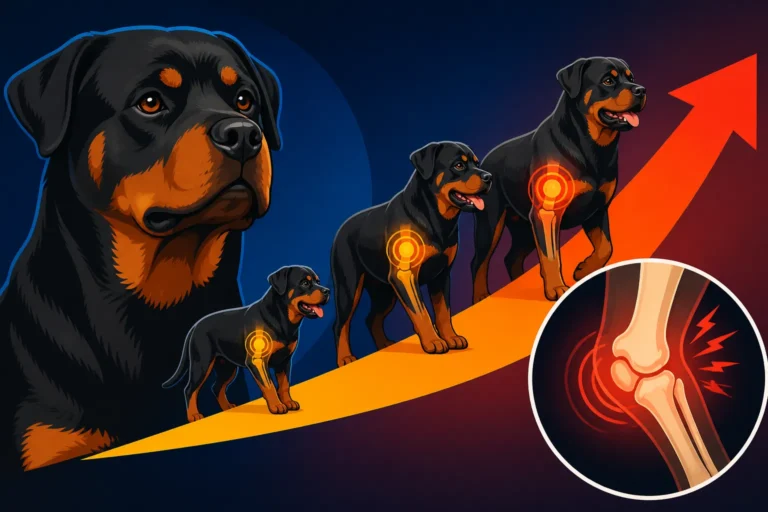
Why a Rottweiler Puppy Needs Large Breed Formula
When you welcome a Rottweiler puppy into your home, you're not just getting a cute, clumsy ball of fur; you're adopting a rapidly growing, powerful creature that will soon outweigh you. Many new owners, especially those new to large breeds, mistakenly think all puppy food is created equal, leading them to pick a generic formula that can actually do more harm than good for their Rottweiler's developing bones and joints. This guide is all about why investing in a specific large breed puppy formula isn't just a suggestion, but a crucial step in laying the foundation for a healthy, long life for your magnificent companion.
The Critical First Steps: Why Puppy Food Choice Matters So Much for Your Rottweiler
Bringing home a Rottweiler puppy is an exciting time, full of wobbly steps, playful nips, and endless cuddles. But beneath that adorable exterior, your puppy's body is undergoing an incredible transformation, growing at an astonishing rate. Unlike smaller breeds, Rottweilers don't just grow outward; their bones, joints, and internal organs are developing at a pace that requires very specific nutritional support. Getting this wrong in the early stages can lead to lifelong health issues that are often painful, expensive, and sometimes even irreversible. It’s a huge responsibility, and the first decision you make about their food is one of the most impactful.
The Hidden Dangers of Fast Growth in Large Breeds
Imagine building a skyscraper. You wouldn't use flimsy materials or rush the foundation, right? The same principle applies to your Rottweiler puppy. Their skeleton is literally building itself from the ground up, and if they grow too quickly, their bones and cartilage can't keep up with the rapid increase in body mass. This isn't about genetics alone; it's heavily influenced by nutrition. A diet too rich in calories or with an improper balance of minerals can accelerate growth past what their skeletal system can structurally support. It's like putting too much weight on a freshly poured concrete slab before it has fully cured – it's going to crack.
This phenomenon is a well-documented concern for giant and large breed dogs. When a Rottweiler puppy's growth plates are open, which they are for a surprisingly long time – often until they are Rottweiler Growth Plates and Why They Close So Late, sometimes even 24 months – they are particularly vulnerable. Excess energy and minerals can lead to a condition where cartilage doesn't properly ossify into bone, creating weak spots, deformities, and areas prone to inflammation. It’s a silent process happening inside their bodies, and by the time you see a limp or stiffness, the damage might already be considerable.
Understanding a Rottweiler's Unique Growth Curve
Rottweilers don't just get big; they get dense. They are heavy-boned, muscular dogs that continue to fill out long after their initial height gain. A Chihuahua puppy might be done growing in height by 6-8 months, but a Rottweiler is still a lanky teenager at that age, with a lot more maturing to do. This extended growth period means they are susceptible to developmental orthopedic diseases for a much longer time. Their growth isn't a straight line up; it's a carefully orchestrated symphony of bone, muscle, and connective tissue development that unfolds over nearly two years.
Think about it: a Rottweiler puppy can go from a tiny bundle weighing a few pounds to a hundred-pound adolescent in under a year. That's an exponential increase in mass that their skeletal system has to support. This sustained, but not rushed, growth demands a diet specifically formulated to provide consistent, moderate energy and precise mineral ratios. If the diet pushes too much, too fast, you risk issues like Rottweiler Hip Dysplasia and the OFA Grade and Rottweiler Elbow Dysplasia and Front Leg Lameness, conditions that can severely impact their quality of life and lead to expensive interventions down the road. It’s about building a robust foundation, not a flimsy tower.
What Makes "Large Breed Puppy Formula" Different?
It's not just marketing hype; large breed puppy formulas are specifically designed to address the unique physiological needs of breeds like Rottweilers. These aren't just scaled-up versions of small breed puppy food; they are fundamentally different in their macronutrient and micronutrient profiles. Pet food companies that truly understand large breed development invest significant research into getting these formulations right.
The Calcium and Phosphorus Balance
Perhaps the most critical difference in large breed puppy food lies in its calcium and phosphorus content and, more importantly, their ratio. Both minerals are essential for bone development, but too much calcium, or an imbalance between calcium and phosphorus, can be disastrous for a growing Rottweiler. For smaller breeds, a little extra calcium might not be a big deal, but for a Rottweiler, it can disrupt the delicate process of bone mineralization.
Large breed puppy formulas aim for a lower, controlled calcium content, typically in the range of 0.8% to 1.5% on a dry matter basis, with a calcium-to-phosphorus ratio between 1:1 and 1.3:1. This carefully calibrated level helps prevent the body from absorbing too much calcium, which can lead to rapid bone growth and subsequent skeletal abnormalities. When I wrote about Rottweiler Calcium Limits and Why Supplements Hurt, I emphasized that even supplementing with calcium can be detrimental. It’s a testament to how crucial this balance is. You want steady, strong bone development, not rapid, brittle growth.
Controlled Calorie and Protein Levels
Another key distinction is the controlled calorie and protein content. While puppies in general need more calories and protein than adult dogs for their intense growth, large breed puppies don't need excessive amounts. Generic puppy foods often have higher calorie and protein levels to support the rapid metabolism and growth of smaller breeds, but this can be detrimental to a Rottweiler. Too many calories simply fuel accelerated growth, which, as we discussed, puts undue stress on their developing skeletal structure.
Large breed puppy formulas provide enough energy for sustained growth but are designed to prevent overfeeding and overly rapid weight gain. They aim for a moderate protein level, usually in the 22-28% range, which supports muscle development without pushing bone growth into overdrive. This helps keep your puppy lean, reducing the physical load on their still-developing joints. Remember, a chubby Rottweiler puppy might look cute, but it's a recipe for orthopedic disaster later on. Why a Chubby Rottweiler Puppy Is a Problem isn't just about aesthetics; it's a serious health concern.
Added Joint Support Ingredients
Many premium large breed puppy formulas also include ingredients aimed at supporting joint health, even from an early age. While these are not a cure-all, and certainly not a replacement for proper mineral balance and calorie control, they can offer additional support. You might see ingredients like glucosamine and chondroitin, often derived from sources like shellfish or bovine cartilage. These compounds are natural components of healthy cartilage and are thought to help maintain its integrity.
Another common addition is omega-3 fatty acids, particularly EPA and DHA, often sourced from fish oil. These fatty acids are known for their anti-inflammatory properties, which can be beneficial for overall joint health and reducing the minor inflammation that can occur during rapid growth. While these ingredients are a bonus, they should never be the primary reason for choosing a food. The fundamental calcium/phosphorus balance and calorie control remain paramount. Think of them as extra credit, not the core curriculum. Joint supplements started early in a Rottweiler can be beneficial, but the foundation starts with the right food.
| Feature | Standard Puppy Food | Large Breed Puppy Food | Why it Matters for Rottweilers |
|---|---|---|---|
| Calorie Content | Higher to support fast growth | Controlled, moderate | Prevents excessively rapid growth, which stresses developing joints |
| Calcium Level | Higher, broad range | Lower, tightly controlled (0.8-1.5%) | Prevents skeletal abnormalities and Osteochondrosis From Overfeeding a Rottweiler |
| Ca:P Ratio | Less strict | Balanced (1:1 to 1.3:1) | Essential for proper bone mineralization and preventing deformities |
| Protein Level | Often higher (up to 30%+) | Moderate (22-28%) | Supports muscle development without accelerating bone growth |
| Joint Support | Less common | Often includes glucosamine, chondroitin, omega-3s | Proactive support for heavy, developing joints |
Reading the Label: What to Look For in a Quality Large Breed Puppy Food
Navigating the pet food aisle can feel like deciphering a secret code. Every bag promises the best for your puppy, but only by understanding the labels can you truly make an informed decision for your Rottweiler. Don't fall for flashy marketing; get down to the nitty-gritty of the nutritional information.
Key Nutritional Guarantees and AAFCO Statements
The first thing to look for is the Nutritional Adequacy Statement, usually found in a small block of text on the back or side of the bag. This statement from the Association of American Feed Control Officials (AAFCO) confirms that the food is complete and balanced. For your Rottweiler puppy, you want a statement that says, "formulated to meet the nutritional levels established by the AAFCO Dog Food Nutrient Profiles for growth of large size dogs." The phrase "large size dogs" is crucial here, as it indicates the formula has been developed with the specific concerns of big breeds in mind. Without this, it's just general puppy food.
Also pay attention to the guaranteed analysis, which lists the minimum or maximum percentages of crude protein, crude fat, crude fiber, and moisture. While these are important, they don't tell the whole story. You'll need to look deeper. Some brands, like those you might find on Chewy or even through subscription services like Ollie, go a step further and provide more detailed nutritional breakdowns on their websites, which is incredibly helpful for a large breed owner. Don't be afraid to dig for that information.
Decoding Ingredient Lists for Optimal Health
The ingredient list can be overwhelming, but focusing on a few key areas can help. The first few ingredients are the most abundant in the food. Look for a high-quality, named meat source (e.g., "chicken meal," "lamb," "beef") as the first or second ingredient. "Meat meal" is often preferable to whole meat because the moisture has been removed before processing, meaning it contains a higher concentration of protein by weight. Avoid vague terms like "meat by-products" or "animal digest" as primary protein sources.
Beyond protein, consider the carbohydrate sources. Whole grains like brown rice, oats, and barley are generally good options, providing sustained energy and fiber. Some formulas opt for grain-free options, using ingredients like peas or sweet potatoes. While grain-free isn't inherently better or worse, research continues to evolve on its long-term effects. The most important thing is digestibility and nutrient availability. You also want to see a good source of healthy fats, such as chicken fat or flaxseed. Ingredients for joint support (glucosamine, chondroitin) are a bonus, as are probiotics for gut health. Always check the labels carefully – sometimes a brand will offer a regular puppy formula and a large breed specific one, and you want to be sure you're getting the latter.
Brands Known for Large Breed Formulations
Many reputable pet food manufacturers recognize the distinct needs of large breed puppies and have dedicated lines. When you're searching, whether it's through a massive online retailer like Amazon or a specialized pet supply store, you'll find brands that consistently produce large breed puppy formulas. These often have "Large Breed Puppy" or "Giant Breed Puppy" clearly stated on their packaging.
For example, many popular brands available on platforms like Chewy offer robust large breed puppy options. These brands often invest in veterinary nutritionist teams to ensure their formulations meet the specific criteria we've discussed, focusing on controlled growth. Some newer, fresh food delivery services like Ollie are also starting to offer breed-specific or customized meal plans that can be tailored for a Rottweiler puppy's growth needs, though it's always critical to confirm the precise calcium/phosphorus ratios and calorie density with them directly to ensure it aligns with large breed requirements. The key is to find a brand that isn't just "good," but specifically good for growing giants.
The Real-World Impact: What Happens When You Get it Wrong
It's easy to think, "What's the big deal? It's just puppy food." But for a Rottweiler, the consequences of improper nutrition during their formative months can be severe, leading to painful, debilitating conditions that could have been avoided. These aren't just minor inconveniences; they can profoundly affect your dog's mobility and overall lifespan.
Orthopedic Issues: Hip and Elbow Dysplasia Exacerbation
Perhaps the most common and heartbreaking outcome of feeding an inappropriate diet to a large breed puppy is the exacerbation of Rottweiler Hip Dysplasia and the OFA Grade and Rottweiler Elbow Dysplasia and Front Leg Lameness. While these conditions have a strong genetic component, environmental factors, especially diet and exercise, play a huge role in their severity and even their manifestation. A puppy genetically predisposed to hip or elbow dysplasia, if fed a high-calorie, improperly balanced diet, is far more likely to develop severe symptoms at a younger age.
The rapid weight gain and bone overgrowth caused by an unsuitable diet put enormous strain on the developing hip and elbow joints. The bones grow too quickly for the surrounding soft tissues and cartilage to properly support them, leading to loose joints, abnormal joint formation, and eventually, painful arthritis. Imagine trying to run a marathon on stilts – it's unstable and damaging. For a Rottweiler, this can mean an early onset of lameness, chronic pain, expensive surgeries like total hip replacements, or a lifetime of pain management. We always tell people that a good breeder will have these clearances, but nutrition from your end is critical too.
Other Developmental Bone Diseases (OCD, HOD)
Beyond hip and elbow dysplasia, inappropriate feeding can lead to other serious developmental bone diseases. Osteochondrosis From Overfeeding a Rottweiler (OCD) is one such condition. This occurs when the cartilage in the joints doesn't mature into bone correctly, leading to thickened flaps of cartilage that can detach and float freely within the joint, causing extreme pain, inflammation, and lameness. Shoulders, elbows, and stifles are common sites. This isn't just discomfort; it requires surgical intervention to remove the cartilage flaps and is a direct consequence of rapid, nutritionally induced growth.
Another condition is Hypertrophic Osteodystrophy in a Rottweiler Puppy (HOD), which manifests as swollen, painful joints, fever, and lameness. While the exact cause is complex and can involve genetic predisposition, overfeeding, especially with diets high in calcium or calories, is a known trigger. Imagine your puppy crying every time it tries to stand, its joints throbbing with pain. These conditions aren't just unfortunate accidents; they are often direct results of choices made during their vulnerable growth period, highlighting just how much is at stake.
The Long-Term Consequences of Nutritional Imbalance
The impact isn't always immediate or obvious. A Rottweiler puppy that is overfed or on an unsuitable diet might seem fine initially, but the underlying skeletal stress can set the stage for long-term problems. Chronic pain and arthritis are often the inevitable outcome, meaning your majestic Rottweiler might struggle with basic movements much earlier than they should. This impacts their ability to play, exercise, and enjoy a full, active life.
Beyond physical discomfort, there's the emotional toll on both dog and owner. Watching your beloved companion struggle with pain, especially knowing it might have been preventable, is heartbreaking. The financial burden of treating these conditions, from diagnostics to ongoing medication, physical therapy, or surgeries, can also be immense. Investing in the right food from day one is a small cost compared to the potential veterinary bills and emotional distress that can arise from neglecting proper large breed puppy nutrition.
Transitioning and Troubleshooting: Feeding Your Growing Rottweiler
Feeding a Rottweiler puppy isn't a "set it and forget it" task. As they grow and mature, their nutritional needs change, and you'll need to adapt their diet accordingly. It's an ongoing process of observation, adjustment, and careful management to ensure they reach adulthood in optimal health.
Moving from Puppy to Adult Formula
The timing of the switch from large breed puppy food to an adult formula is important. For Rottweilers, this transition typically happens later than for smaller breeds, usually between 18 to 24 months of age. This is because their Rottweiler Growth Plates Closing at Eighteen to Twenty-Four Months and their overall development extends well beyond their first birthday. Moving them to adult food too soon might cut short their crucial growth period, while keeping them on puppy food for too long can lead to excess calories and potential obesity.
When it's time to transition, do it gradually over 7-10 days to avoid digestive upset. Start by mixing 75% puppy food with 25% adult food for a few days, then move to a 50/50 mix, then 25% puppy food with 75% adult food, until you're feeding 100% adult food. Look for a large breed adult formula that is specifically designed for their maintenance needs. Switching a Rottweiler to Adult Food at Eighteen Months is a milestone that requires careful consideration and planning.
Monitoring Your Rottweiler's Body Condition
One of the most important things you can do for your growing Rottweiler, regardless of the specific food you choose, is to consistently monitor their body condition. This means not just looking at them, but feeling them. You should be able to easily feel their ribs when you run your hands along their sides without pressing hard. They should have a visible waist when viewed from above, and a tuck-up when viewed from the side.
If you can't feel their ribs, or if they look like a barrel, they're likely overweight. If their ribs are very prominent, they might be too thin. Your veterinarian can teach you how to do a proper body condition score. This regular check is your best indicator of whether you're feeding the right amount of food. Every dog's metabolism is different, so the recommended feeding guidelines on the bag are just a starting point. Your dog’s activity level, individual metabolism, and even the weather can influence their caloric needs. Monitoring your Rottweiler's body condition is an ongoing dialogue between you and your dog's health.
Common Feeding Mistakes and How to Avoid Them
Beyond choosing the wrong type of food, several other feeding mistakes can impact your Rottweiler puppy's health. One common error is free-feeding, where food is left out all day. For a rapidly growing large breed, this makes it very easy for them to overeat, leading to excessive weight gain and increased risk of orthopedic issues. Instead, feed measured meals 2-3 times a day.
Another mistake is supplementing their diet without veterinary guidance. As we've discussed, adding extra calcium or vitamins can actually upset the carefully balanced nutrient profile of a quality large breed puppy food. Resist the urge to "boost" their growth or health with unapproved supplements. Feeding table scraps, especially those high in fat or rich ingredients, can also contribute to calorie overload and digestive upset. Stick to their carefully formulated food and appropriate, limited treats. Finally, consistency is key; sudden changes in diet can lead to gastrointestinal issues, so always transition gradually when changing foods.
Beyond the Bowl: Holistic Care to Complement Their Diet
While nutrition is foundational, a Rottweiler puppy's healthy development is a holistic process. Their diet is a cornerstone, but it needs to be supported by appropriate exercise, regular veterinary care, and a consistent focus on maintaining a lean body condition. It's all interconnected, and neglecting one area can undermine the benefits of another.
Appropriate Exercise for Growing Bones
It's tempting to think that a big, energetic puppy needs endless exercise, but for a Rottweiler, too much strenuous activity too soon can be as damaging as the wrong food. Their growth plates, the soft areas at the ends of their long bones where new bone tissue forms, are open and vulnerable for a long time. High-impact activities like jumping off high surfaces, long-distance running, or intense, uncontrolled play with much larger dogs can cause micro-traumas or even serious damage to these delicate structures.
Instead, focus on short, controlled walks and supervised play on soft surfaces. A good rule of thumb is The Five Minute Rule for Rottweiler Puppy Walks: 5 minutes of structured exercise per month of age, twice a day. So, a four-month-old puppy would get two 20-minute walks. This allows their muscles to develop and joints to strengthen without putting undue stress on still-forming bones. Once their growth plates have closed, usually around 18-24 months, you can gradually increase the intensity and duration of their exercise. Until then, gentle is the way to go.
Regular Vet Checks and Early Detection
Consistent veterinary care is non-negotiable for a growing Rottweiler. Your vet is your best partner in monitoring their development, assessing their body condition, and catching any potential issues early. Puppy visits are not just for vaccinations; they're an opportunity for your vet to perform thorough orthopedic exams, listen to their heart (to detect murmurs like Subaortic Stenosis Heard as a Rottweiler Puppy Murmur), and discuss their growth rate.
Don't hesitate to bring up any concerns, no matter how small they seem. A slight limp, an unusual stiffness, or a change in gait can be early signs of a developmental orthopedic problem. Early detection can make a significant difference in the prognosis and management of conditions like hip and elbow dysplasia. Your vet can also offer guidance on specific large breed puppy formulas and help you determine the appropriate time to transition to adult food. They are the experts who can help you interpret what you're seeing and feeling.
The Importance of a Lean Body Condition
I cannot stress this enough: keeping your Rottweiler puppy lean throughout their growth phase is one of the most impactful things you can do for their long-term joint health. A lean puppy puts less stress on its developing bones and joints. Every extra pound on a growing Rottweiler magnifies the load on their vulnerable hips, elbows, and shoulders. Think of it like a human carrying a heavy backpack all day, every day – it takes a toll.
Work closely with your vet to maintain an ideal body condition score. It’s better for your Rottweiler puppy to be a little on the lean side than even slightly overweight. This might mean adjusting food portions based on their activity level, skipping excessive treats, or choosing lower-calorie training rewards. Your Rottweiler might give you those soulful eyes, begging for more, but holding firm to their healthy weight is an act of love that will benefit them for a lifetime.
Disclaimer
This article is for general informational purposes only and does not constitute professional advice. Laws, prices and regulations vary by location and change over time. Consult a qualified professional for guidance on your specific situation.