Feeding a Rottweiler Puppy Three or Four Times a Day
Bringing a Rottweiler puppy home is an exhilarating experience, but quickly, new owners realize that feeding this magnificent creature isn't as simple as just pouring kibble into a bowl. Their growth rate is absolutely staggering, and getting their nutrition right, especially the frequency of their meals, can feel like navigating a minefield. This guide will walk you through why feeding your Rottweiler puppy three or four times a day is crucial for their healthy development and how to manage these vital meal schedules.
The Rottweiler Puppy's Unique Growth Challenge
Anyone who's ever owned a Rottweiler puppy knows they don't stay tiny for long. One minute they're a small, wobbly ball of fluff, and the next they're a sturdy, heavy-boned dog well on their way to becoming a formidable adult. This incredibly rapid growth, particularly in their first year to eighteen months, brings with it a specific set of nutritional needs and vulnerabilities that distinguish them from smaller, slower-growing breeds.
Rapid Growth and Delicate Joints
Imagine a skyscraper being built in a year instead of five. That's essentially what a Rottweiler puppy's skeletal system is doing. Their bones are lengthening, thickening, and fusing at an astonishing pace. This rapid expansion puts immense stress on their developing joints and growth plates. These "growth plates" are areas of soft, developing cartilage near the ends of bones that gradually harden into solid bone. They remain open and vulnerable to injury for a surprisingly long time in large breeds like Rottweilers, often not fully closing until they are 18 to 24 months old. Rottweiler Growth Plates and Why They Close So Late
Improper nutrition during this critical period can have lifelong consequences. Too much calcium, too many calories, or an imbalance of other nutrients can disrupt the orderly closing of these growth plates, leading to painful and debilitating conditions like Osteochondrosis (OCD) or Hypertrophic Osteodystrophy (HOD). It’s not about growing faster; it’s about growing correctly. The goal isn't to make your puppy bigger, but to ensure their frame develops solidly and without undue strain, laying the groundwork for a long, active life.
The Dangers of Overfeeding and Underfeeding
It’s easy to think "more food equals bigger, healthier dog," especially when you see how quickly your Rottweiler puppy can put on weight. However, overfeeding a Rottweiler puppy is one of the most detrimental things you can do. Excess calories, particularly in their early months, push their growth rate beyond what their genetics intend. This accelerated growth increases the risk of developmental bone diseases, as their skeletal system struggles to keep up with the demands of a rapidly growing, heavier body. A chubby Rottweiler puppy isn't a healthy one; it's a puppy at higher risk for joint issues later in life. Why a Chubby Rottweiler Puppy Is a Problem
On the flip side, underfeeding is also a serious concern. While less common with conscientious owners, an insufficient caloric intake or nutrient deficiency can stunt growth, weaken bones, and compromise their immune system. A Rottweiler puppy needs a consistent, balanced supply of calories and nutrients to fuel their massive development without pushing it too fast. It's a delicate balance, and consistency in feeding is key. Their little bodies are working overtime, and they need a steady supply of good fuel to do it properly.
Why Frequent Meals Matter for Growing Rottweilers
For us humans, skipping a meal might mean a grumbling stomach or a dip in energy, but for a fast-growing Rottweiler puppy, the implications of inconsistent or infrequent feeding can be far more serious. Their metabolism is working at a higher rate, and their smaller stomach capacity means they can’t comfortably consume all their daily caloric needs in one or two large sittings. Dividing their daily food into multiple, smaller meals is a cornerstone of responsible Rottweiler puppy care.
Stabilizing Blood Sugar and Energy Levels
Imagine a child's energy levels after eating a huge candy bar versus eating several small, balanced snacks throughout the day. It's a similar principle for puppies. Large, infrequent meals can lead to spikes and crashes in blood sugar. While a temporary sugar rush might seem harmless, over time, these fluctuations can affect their energy, mood, and overall metabolic health. For a rapidly growing puppy, consistent blood sugar levels mean a steady supply of energy for all the vital processes happening in their body – from building bone and muscle to fueling their endless curiosity and play.
Moreover, puppies, especially active breeds like Rottweilers, burn through calories quickly. A sustained release of nutrients from smaller, more frequent meals ensures they have the continuous energy required for development, learning, and appropriate activity. It helps keep them from becoming overly ravenous before their next meal, which can lead to gulping food too quickly.
Preventing Gut Upset and Bloat Risk
One of the most terrifying emergencies a Rottweiler owner can face is bloat, or Gastric Dilatation-Volvulus (GDV). While adult Rottweilers are notoriously susceptible, puppies can also experience gut discomfort from large meals. A massive quantity of food ingested at once can overwhelm their digestive system, leading to gas, discomfort, or even vomiting and diarrhea. Their digestive tracts are still maturing, and smaller meals are simply easier for them to process.
More critically, smaller meals can help mitigate the risk of bloat as they get older. While bloat is complex and its causes aren't fully understood, one major contributing factor is the rapid ingestion of a large volume of food, often followed by exercise. By training your puppy from a young age to eat smaller, more frequent meals, you're establishing a lifelong habit that could potentially reduce their risk of this life-threatening condition. Feeding Rules That Lower Rottweiler Bloat Risk
Supporting Nutrient Absorption
Think of your puppy’s digestive system as a factory working hard to extract every valuable nutrient from their food. When a large volume of food enters the system all at once, the factory can become overwhelmed. Nutrients might be rushed through without adequate time for absorption, meaning your puppy isn't getting the full benefit from their expensive, carefully chosen puppy food.
By contrast, smaller, more frequent meals allow the digestive system to work efficiently. Each meal can be thoroughly processed, broken down, and its nutrients extracted and absorbed into the bloodstream before the next meal arrives. This maximizes nutrient uptake, ensuring your growing Rottweiler puppy receives all the essential vitamins, minerals, proteins, and fats they need for optimal bone development, muscle growth, and overall health. It's about quality absorption, not just quantity of food.
| Age of Rottweiler Puppy | Recommended Meal Frequency | Why It Matters |
|---|---|---|
| 8 weeks – 4 months | 4 meals per day | High metabolic rate, small stomach, intense growth, crucial for blood sugar stability and maximum nutrient absorption. |
| 4 months – 6 months | 3-4 meals per day | Still growing rapidly, but stomach capacity is increasing. Allows for transition while maintaining steady energy. |
| 6 months – 12 months | 2-3 meals per day | Growth plates still closing, but growth rate is slightly slowing. Helps manage calories and prepare for adult feeding. |
| 12 months + | 2 meals per day | Closer to adult size, growth plates nearing closure. Supports bloat prevention and steady digestion for a large breed. |
The Three Meals vs. Four Meals Debate
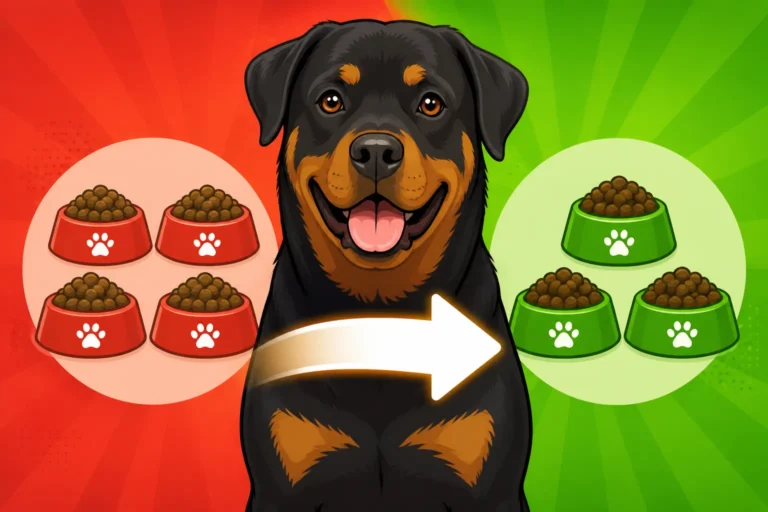
The question of whether to feed three or four meals a day often comes down to your puppy's age, their individual needs, and your family's schedule. There's no one-size-fits-all answer that works perfectly for every Rottweiler puppy, but understanding the nuances can help you make the best decision for your furry friend. The key is to be attentive to your puppy's cues and adjust as they grow and mature.
Puppy Age and Developmental Milestones
For very young Rottweiler puppies, especially those just coming home around 8 weeks old, four meals a day is almost always the gold standard. At this tender age, their tiny stomachs can't hold much food, yet their energy demands and growth rate are at their peak. Think of a newborn baby – they eat constantly because their bodies are developing so fast! Feeding four meals helps maintain stable blood sugar, provides a continuous stream of nutrients for rapid development, and prevents them from becoming overly hungry and gulping down their food. Daily Calories for a Rottweiler Puppy at Four Months
As your Rottweiler puppy approaches 4 to 6 months of age, you might start to consider transitioning them to three meals a day. Their stomach capacity has increased, their digestive system is more robust, and while they're still growing quickly, the intensity of that initial growth spurt might begin to normalize slightly. This transition should be gradual, perhaps by slightly increasing the portion size of the remaining meals while eliminating one. It's about finding that sweet spot where they're getting enough fuel without feeling stuffed or going too long between meals.
Individual Puppy Needs and Activity Levels
Not all Rottweiler puppies are created equal, even within the same litter. Some are naturally more energetic, burning through calories at a higher rate. A very active, playful puppy might benefit from sticking to four meals a day for a bit longer, simply because their energy output demands more frequent refueling. Conversely, a more laid-back puppy might do perfectly well on three meals a day a little sooner.
Environmental factors play a role too. A puppy in a very active household with lots of play and training sessions will have different needs than one in a calmer environment. Keep a close eye on your puppy’s body condition, energy levels, and stool quality. Are they maintaining a healthy weight? Are they consistently energetic or do they experience slumps? Is their stool firm and consistent? These are all indicators that can help you gauge if their current feeding frequency and amount are working for them. If you're ever in doubt, your veterinarian is always the best resource for personalized advice.
Transitioning Meal Frequencies
When you're ready to shift from four meals a day to three, or from three to two, it's not a sudden switch. A gradual transition is always best to avoid upsetting your puppy's digestive system or causing unnecessary stress. For instance, if moving from four to three meals, you might slowly reduce the portion of one meal over a week or two, distributing those calories across the other three meals. Then, once they're comfortable with that, you can eliminate that meal entirely.
During this transition, continue to monitor their weight, energy, and bathroom habits closely. You might notice they're a little hungrier between meals at first, but this should regulate as their system adjusts. If they seem excessively hungry, or if their energy drops significantly, it might be a sign that the transition is too fast, or they're not quite ready for fewer meals. It's perfectly fine to adjust back and try again later. The aim is a smooth, stress-free change that supports their continued healthy development. Dropping a Rottweiler From Four Meals to Three
Practical Tips for Managing Feeding Schedules
Managing a Rottweiler puppy's feeding schedule isn't just about how many times a day you feed them; it's also about what you feed them, how you measure it, and how you integrate it into their daily routine. Getting these practical aspects right can make a huge difference in their health and your peace of mind.
Choosing the Right Large Breed Puppy Food
This cannot be stressed enough: choose a high-quality large breed puppy food. Rottweilers have specific nutritional requirements that differ significantly from smaller breeds, particularly concerning calcium and phosphorus levels and the overall caloric density. A regular puppy food designed for a Chihuahua or a Poodle might promote too-rapid growth in a Rottweiler, leading to serious skeletal issues. Why a Rottweiler Puppy Needs Large Breed Formula
Look for foods specifically labeled for "large breed puppies" or "giant breed puppies." These formulas are carefully balanced to support slower, more controlled growth, which is exactly what a Rottweiler needs to prevent orthopedic problems. Brands like Royal Canin Large Breed Puppy, Purina Pro Plan Large Breed Puppy, or Eukanuba Large Breed Puppy are often recommended by breeders and veterinarians. Always check the nutrient analysis for appropriate calcium levels – generally, around 1.0-1.5% on a dry matter basis is ideal, without any supplementation. You can find a wide selection of these specialized foods on sites like Chewy, making it easy to compare ingredients and delivery options.
Measuring Portions Accurately
Eyeballing your puppy's food portions is a recipe for disaster. The difference of even a quarter cup a day, especially with calorie-dense large breed formulas, can add up significantly over weeks and months, potentially leading to overfeeding and its associated risks. Invest in a proper kitchen scale to weigh your puppy's food, or at the very least, use a standard 8-ounce measuring cup designed for cooking, not a random scoop that came with a bag of dog food.
Most large breed puppy foods will have feeding guidelines based on your puppy's current weight and anticipated adult weight. These are starting points, not hard and fast rules. Your veterinarian can help you determine the ideal caloric intake for your individual puppy and adjust portions based on their growth curve and body condition. Remember, every puppy is different, and their needs will change as they grow. Regular weight checks at the vet and at home are essential.
Incorporating Training Treats
Training a Rottweiler puppy is a full-time job, and treats are an invaluable tool. However, it's critical to remember that these treats add to their daily caloric intake. If you're using a lot of treats during training sessions, you need to account for them in their main meals. Failure to do so can quickly lead to an overweight puppy.
Choose small, low-calorie training treats, or even use a portion of their regular kibble as treats throughout the day. If you find yourself going through many treats, consider reducing the amount of kibble at their next meal to balance their daily calories. Some dog food brands offer lower-calorie options or even specific training treat lines. Websites like Amazon have a huge variety of options, from freeze-dried liver to tiny soft chews, allowing you to find something your puppy loves without overloading on calories. The goal is to reward effectively without creating an unhealthy calorie surplus.
Common Feeding Mistakes to Avoid
Even with the best intentions, it's easy to fall into common traps when feeding a rapidly growing Rottweiler puppy. These mistakes, though seemingly minor, can have significant implications for their long-term health and well-being. Understanding and actively avoiding them is a crucial part of responsible Rottweiler ownership.
Free Feeding a Growing Rottweiler
The concept of "free feeding," where a bowl of food is left out for the puppy to graze on throughout the day, might sound convenient. However, it's perhaps one of the worst things you can do for a Rottweiler puppy. For a small, less enthusiastic eater, it might not be a huge issue, but for a food-motivated, fast-growing Rottweiler, it spells trouble.
First, free feeding makes it impossible to accurately monitor how much your puppy is actually eating, which is vital for tracking growth and detecting appetite changes that could signal illness. Second, it encourages overeating, leading to a chubby puppy and increased risk of developmental orthopedic diseases. Third, it prevents you from establishing a structured feeding schedule, which is essential for house training (what goes in must come out, often on a schedule) and for managing potential bloat risk later on. Fourth, it can contribute to resource guarding issues, as the food is constantly available and thus perceived as something to protect. Free Feeding and Why It Fails a Rottweiler Scheduled meals, on the other hand, allow for proper portion control, aid in house training, promote healthy digestion, and help you recognize changes in appetite quickly.
Ignoring Body Condition Scores
It's natural to want your puppy to look big and strong, but focusing solely on their weight or size on the scale can be misleading. Instead, you should learn to assess your Rottweiler puppy's body condition score (BCS). This involves both visual assessment and gentle touch. You should be able to easily feel their ribs, but not see them prominently. When viewed from above, your puppy should have a visible waistline, and when viewed from the side, their abdomen should tuck up slightly, not hang low.
Many owners, out of love and a desire to see their puppy thrive, tend to overfeed, leading to puppies that are too heavy. A lean puppy, even if it looks a little "rangy" during growth spurts, is a healthier puppy in the long run. Regular body condition assessments, alongside veterinary guidance, are far more valuable than simply chasing a number on the scale. Your vet can show you how to properly assess your puppy's BCS during routine check-ups.
Unplanned Diet Changes
A Rottweiler puppy's digestive system can be surprisingly sensitive, and sudden changes to their diet can easily cause stomach upset, diarrhea, or vomiting. Whether you're switching brands, moving from puppy food to adult food, or introducing a new type of treat, any dietary change should be done gradually over several days, ideally a week or more.
To transition, start by mixing a small amount of the new food with their current food. Over the course of 5-7 days, slowly increase the proportion of the new food while decreasing the old food. This allows their digestive enzymes and gut bacteria time to adjust to the new ingredients. If your puppy experiences any digestive upset during the transition, slow down the process even further. Consistency is key, and while there are many fantastic foods out there, including fresh food options like Ollie, the transition needs to be managed carefully to avoid unnecessary distress for your puppy. When you do switch to adult food, remember that it should also be a large breed formula, usually around 18-24 months of age when their growth plates have largely closed and their intense growth phase is behind them. The Month to Switch a Rottweiler to Adult Food
Disclaimer
This article is for general informational purposes only and does not constitute professional advice. Laws, prices and regulations vary by location and change over time. Consult a qualified professional for guidance on your specific situation.