A Rottweiler That Stops Listening at Ten Months
It’s a familiar, frustrating story for many Rottweiler owners: you've spent months diligently training your adorable puppy, and they're doing great. Then, seemingly overnight, around ten months old, they transform into a rebellious teenager who suddenly acts like they've forgotten every single command. This guide is here to walk you through why your Rottweiler might be developing "selective hearing" during adolescence and, more importantly, how to get back on track with positive, consistent training.
Understanding Rottweiler Adolescence
If your ten-month-old Rottweiler has suddenly decided that listening is optional, you're not alone. This isn't a sign that you've failed as an owner, nor is it proof that your dog is "stubborn" or "dominant." What you're experiencing is likely Rottweiler adolescence, a complex developmental stage that mirrors human teenage years in many surprising, and often exasperating, ways. Around Rottweiler Adolescence at Eight Months, you start to see shifts, and by ten months, they can be in full swing. This period is a critical window for solidifying good habits or, if ignored, letting old problems resurface and new ones develop.
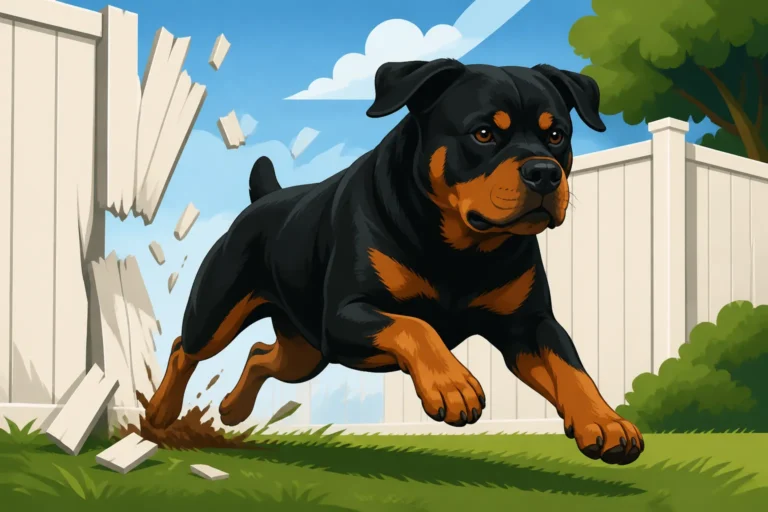
It’s easy to feel defeated when your once-eager puppy seems to have developed a mind of their own, ignoring commands they once aced. This change can be particularly challenging with a breed as powerful and intelligent as a Rottweiler. Their physical size at this age means that a disregarded "stay" command or a sudden lunge on the leash isn't just annoying, it can be a real safety concern. Understanding the underlying developmental shifts is the first step toward compassionately navigating this phase and reinforcing the foundation you've already laid.
The Adolescent Brain and Impulse Control
Think about human teenagers: their brains are still developing, especially the frontal lobe responsible for impulse control, planning, and decision-making. Your adolescent Rottweiler is going through a similar biological process. Their body might be close to adult size, but their brain is still playing catch-up. Hormonal surges, particularly in intact males and females, also play a huge role, flooding their system with new sensations and drives. This combination can lead to a dog that is easily distracted, more reactive, and prone to acting on instinct rather than learned commands.
During this time, their attention span might seem to shrink, and their ability to inhibit urges, like chasing a squirrel or greeting another dog, can plummet. That rock-solid "stay" you had in your quiet living room might completely fall apart when faced with the irresistible scent of a passing dog or the sight of children playing at the park. It's not that they don't know the command; it's that their developing brain and surging hormones make it incredibly difficult to execute it in the face of stronger, more immediate impulses. It's truly a battle between instinct and training, and sometimes instinct wins out for a while.
Testing Boundaries and New Challenges
Just like human teens, adolescent Rottweilers begin to test boundaries. They’re exploring their independence and trying to figure out where they stand in the world and within their "pack" (your family). They might try to push limits they once accepted, seeing how far they can go before you intervene. This can manifest as ignoring recalls, pulling harder on the leash, or trying to claim a spot on the couch they weren't allowed on before. They're not being malicious; they're simply being dogs going through a natural developmental stage.
This boundary-testing phase is a crucial time for you to remain consistent and firm, yet always fair and patient. Any cracks in your routine or laxness in your expectations will be exploited, not because your Rottweiler is trying to "dominate" you, but because they are intelligent creatures who learn what works. If pulling on the leash sometimes gets them to the interesting sniff spot, they will keep pulling. If ignoring your recall gets them more time investigating a bush, they will keep ignoring it. Every interaction is a learning opportunity, and during adolescence, they are particularly attuned to inconsistencies.
Common Reasons for Selective Hearing
When your Rottweiler seems to have developed a case of "selective hearing," it's rarely a sign of malice or a sudden regression in intelligence. More often, it's a combination of developmental factors, environmental influences, and sometimes, unintentional lapses in our own training consistency. Understanding these common culprits can help you pinpoint exactly where your training might need a tune-up and why your big, beautiful dog seems to be ignoring you.
Environmental Distractions and Overstimulation
The world, for a ten-month-old Rottweiler, is an incredibly exciting and distracting place. Every new smell, sound, and sight is an information overload that can easily override your voice. A quiet, familiar living room where they learned "sit" is a vastly different training environment than a bustling park filled with other dogs, people, and tantalizing odors. What might seem like intentional defiance is often just your dog being utterly captivated by their surroundings, making it incredibly difficult for them to focus on you. This is why Rottweiler Reactivity That Starts on Walks can become so challenging during this age.
Imagine trying to concentrate on a math problem while a rock concert is happening right next to you. That’s a bit like what your Rottweiler is experiencing. Their senses are far more acute than ours, and their brain is still learning to filter out irrelevant information. The squirrel darting up a tree, the distant siren, the fresh scent mark left by another dog – these are all incredibly compelling stimuli. If your training hasn't gradually introduced increasing levels of distraction, it's unfair to expect them to perform perfectly in highly stimulating environments.
Inconsistent Training and Follow-Through
This one can be tough to admit, but inconsistency on the owner's part is a major reason why an adolescent Rottweiler might stop listening. During puppyhood, we're often diligent, eager to teach. As they grow, and life gets busy, we might start letting things slide. Perhaps you sometimes let them pull on the leash when you're in a hurry, or you don't always follow through on a command if they don't respond immediately. Each instance of inconsistency creates a loophole in your Rottweiler's mind. They learn that "come" doesn't always mean come, or "stay" only applies sometimes.
For a smart breed like the Rottweiler, consistency is paramount. They thrive on clear rules and predictable consequences. If you ask for a "sit" and they don't do it, what happens next? If nothing happens, or they eventually get what they want without performing the command, they quickly learn that they don't have to listen every time. This isn't them being difficult; it's them being pragmatic. They're simply operating on the information you've (inadvertently) provided through your actions. Reviewing your daily interactions for these subtle inconsistencies is a vital step in getting back on track.
Lack of Engaging Reinforcement
What motivated your Rottweiler as a tiny puppy might not cut it for a boisterous ten-month-old. A simple "good boy!" and a pat on the head might have been enough when they were small, but now, with so much competing for their attention, you need to up your game. If your rewards aren't compelling enough, your Rottweiler might decide that sniffing that interesting patch of grass is far more rewarding than coming back to you for a boring old biscuit.
High-value rewards are crucial, especially when working in distracting environments. This means finding what truly motivates your individual dog. For some, it might be tiny pieces of cooked chicken or cheese. For others, it’s a favorite squeaky toy or a quick game of tug. The key is to make you and the rewards you offer the most interesting thing in the environment. If you're using the same dry kibble for every reward, in every situation, it's time to evaluate if your currency is still valuable enough to compete with the world's myriad distractions. You can find a fantastic array of high-value training treats and puzzle toys on platforms like Amazon, which are perfect for engaging their minds and keeping their attention.
Strategies to Re-Engage Your Adolescent Rottweiler
The good news is that "selective hearing" in an adolescent Rottweiler is a common, solvable challenge. It requires patience, consistency, and often, a renewed commitment to your training routine. Think of it as a chance to strengthen your bond and refine your communication, laying the groundwork for a well-behaved adult dog. Remember, this is a powerful breed, and a well-trained Rottweiler is a joy, while an untrained one can be a handful. Why a Rottweiler Must Be Trained Before It Grows is a concept that truly applies to this stage.
| Training Focus | Puppy (2-6 months) | Adolescent (6-18 months) |
|---|---|---|
| Primary Goal | Foundation, socialization, basic manners | Consistency, distraction proofing, impulse control |
| Key Challenges | House training, nipping, short attention | Selective hearing, boundary testing, hormonal shifts |
| Reward Strategy | Treats, praise, toys (anything motivating) | High-value treats, varied rewards, life rewards |
| Environment | Low distraction, safe spaces | Gradually increasing distraction, varied locations |
| Session Length | Very short (2-5 minutes) | Short, frequent (5-10 minutes) |
| Focus Commands | Sit, stay, come, leash walking basics | Reliability of all commands under distraction |
Re-establishing Basic Obedience Foundations
When your Rottweiler seems to have forgotten everything, the best approach is to go back to basics. This doesn't mean your initial training failed; it means you're reinforcing it in the context of their developing brain. Start in a low-distraction environment – your living room, quiet backyard, or a calm room in your house. Use these sessions to refresh every command they know: sit, stay, down, come, and heel. Make it fun, positive, and reward-heavy. Celebrate every success, no matter how small.
Focus on getting a prompt, enthusiastic response in these easy settings before attempting more challenging environments. For example, if your "come" command is breaking down, practice it repeatedly in the house. Have someone hold your dog, walk a short distance, call them with excitement, and reward them lavishly when they come. Slowly increase the distance and eventually introduce minor distractions, but only once they are consistently succeeding at the easier levels. This rebuilding process ensures the foundation is strong before you add more weight to the structure.
Boosting Motivation with High-Value Rewards
As mentioned earlier, your adolescent Rottweiler needs compelling reasons to listen, especially when distractions are high. This is where high-value rewards come in. These are treats or motivators that your dog absolutely adores – something far more exciting than their regular kibble. Think small pieces of boiled chicken, cheese, hot dogs, or even squeaky toys for dogs that are toy-motivated. The goal is to make listening to you the most exciting and rewarding option available.
Vary your rewards to keep things interesting. Sometimes it's a treat, sometimes it's a quick game of tug, sometimes it's access to something they want (like being let off-leash in a safe, fenced area after a perfect recall). The key is unpredictability and making you the dispenser of all good things. This makes you much more relevant and engaging in your Rottweiler's world. If your dog has a favorite toy, use it as a reward during training sessions. Treat Budgets for Rottweiler Training can help ensure you're not overfeeding while still offering enticing rewards.
Proofing Commands in Varied Environments
Once your Rottweiler is consistently responding in low-distraction settings, it’s time to gradually "proof" their commands in more challenging environments. This means slowly introducing distractions and new locations, always setting your dog up for success. Start with mild distractions, like another person quietly walking by, then move to places with more ambient noise, then finally to busy parks or trails. The key word here is gradually. Don't jump from the living room to a dog park and expect perfection.
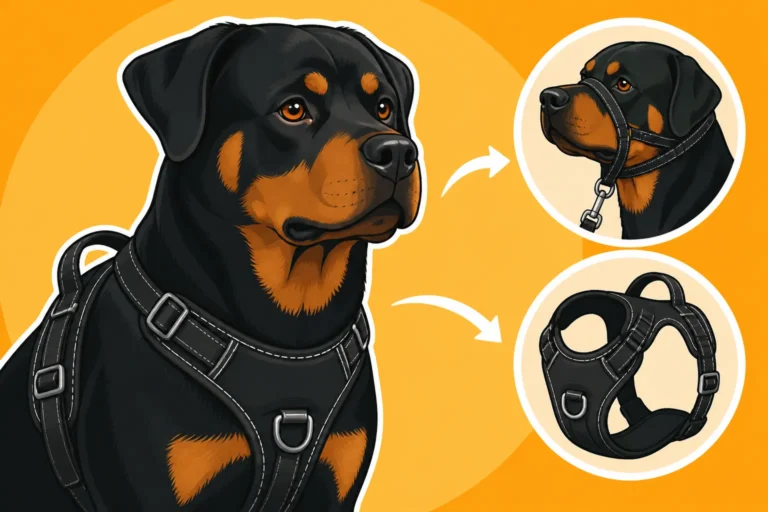
Use a long line when practicing recall or stay in unfenced areas to ensure safety and prevent your Rottweiler from "self-rewarding" by running off. The Long Line Strength a Rottweiler Needs is important to consider for a dog of their size. If they fail a command, calmly guide them to complete it and then reward. The goal is to teach them that commands apply everywhere, no matter how exciting the environment. Resources like BAXTER & Bella's online training programs can be incredibly helpful for owners needing structured guidance and exercises to proof commands from the comfort of their home, before venturing out into more challenging areas.
Seeking Professional Guidance When Needed
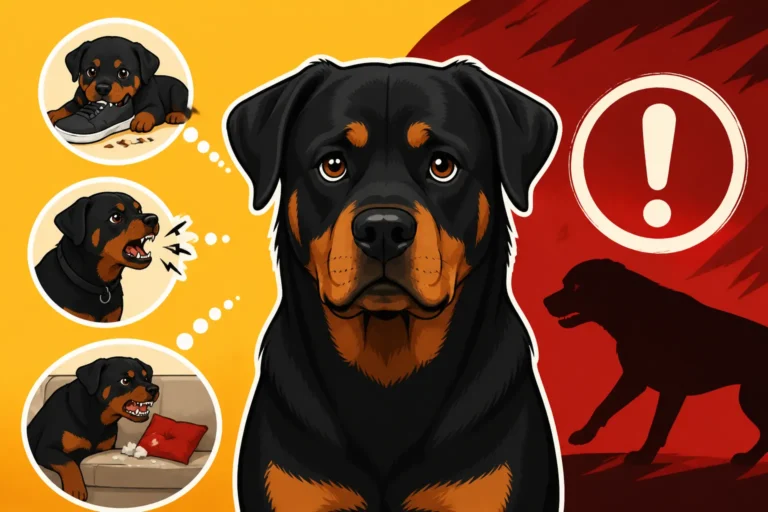
There's absolutely no shame in seeking professional help, especially with a strong-willed, intelligent, and physically powerful breed like the Rottweiler. If you're feeling overwhelmed, frustrated, or if your Rottweiler's adolescent behaviors are escalating into more serious issues like aggression or extreme reactivity, a certified professional dog trainer or veterinary behaviorist can provide invaluable support. They can observe your interactions, identify specific triggers, and develop a tailored training plan to address your dog's unique needs.
Look for trainers who use positive reinforcement methods and have experience with large, strong working breeds. Avoid anyone who relies heavily on harsh corrections or intimidation, as this can damage your bond and exacerbate behavioral issues in a Rottweiler. A good trainer can teach you new communication strategies, help you understand your dog's body language better, and provide the confidence you need to navigate this challenging but ultimately rewarding phase. Don't hesitate to research Finding a Rottweiler-Experienced Trainer Near You if you feel stuck.
Disclaimer
This article is for general informational purposes only and does not constitute professional advice. Laws, prices and regulations vary by location and change over time. Consult a qualified professional for guidance on your specific situation.