The Rottweiler Grumble That Is Not a Growl
One of the most common and often unsettling sounds a Rottweiler owner will hear is that deep, rumbling vocalization that sounds so much like a growl but truly isn't. It can be incredibly confusing, especially for new owners or visitors, causing unnecessary alarm when your big, loving dog is simply expressing contentment. This guide is all about helping you understand the distinctive Rottweiler grumble, differentiating it from an actual warning growl, and teaching you how to respond to each sound appropriately for a harmonious home.
What Exactly is the Rottweiler Grumble?
Rottweilers are a breed with a surprisingly rich and varied vocal repertoire, far beyond just barking. While their size and powerful appearance can make any low-pitched sound seem instantly intimidating, many of these guttural noises are actually expressions of happiness, excitement, or deep comfort. Learning to distinguish these sounds is key to truly understanding your Rottweiler and avoiding misinterpretations that can sometimes sour interactions with guests or even other family members.
Decoding the Unique Rottweiler Vocal Repertoire
Let's be honest, Rottweilers aren't known for their dainty chirps or yips. Their vocalizations, much like their presence, are substantial. A Rottweiler's "grumble" is typically a low, throaty rumble that vibrates deep in their chest. It's often accompanied by a relaxed posture, soft eyes, and sometimes even a wagging tail, completely contradicting the sound itself. Many new owners initially panic, thinking their dog is about to snap, when in reality, the dog is practically purring with joy. This unique sound is part of what makes them so endearing once you learn to speak their language.
Unlike some other breeds that might whine or bark excitedly when happy, many Rottweilers choose this deep, guttural sound. It's almost like they're having a conversation with themselves, or with you, expressing their inner feelings without necessarily barking. Think of it as their personal brand of vocal affection. This unique characteristic can be quite surprising if you're used to dogs with a different communication style, but it quickly becomes a beloved part of living with a Rottweiler.
The Sound Profile of a Contented Grumble vs. an Aggressive Growl
The key to telling these sounds apart isn't just volume, but tone, context, and duration. A contented grumble usually starts softly and can escalate slightly with more interaction or excitement, but it maintains a relatively even, low pitch. It often sounds like a prolonged, rumbling sigh, almost as if your dog is saying, "Oh, this is nice!" or "I'm so glad you're here!" The sound tends to flow, without sharp edges or sudden changes in intensity.
On the other hand, a genuine growl of aggression or warning will often have a harder edge, a more pronounced "rrrrr" sound, and might be accompanied by a tightening in their vocal cords. It tends to be sharper, more pointed, and clearly a warning. It might be short and abrupt, or it might build in intensity with a clear rise in pitch or volume, signaling a heightened state of arousal or impending action. Understanding this difference is paramount, as misinterpreting a true growl can have serious consequences, while misinterpreting a grumble can just lead to awkward moments.
Common Scenarios Where Grumbles Occur (and often confuse people)
Rottweilers, with their expressive grumbles, have a knack for making perfectly normal happy sounds that can make a visitor's hair stand on end. These vocalizations pop up in specific, often joyful, situations, making the contrast with their intense sound even more striking. Recognizing these common scenarios will arm you with the confidence to explain your dog's "strange" noises to guests and enjoy them yourself.
Grumbles During Greetings and Affection
This is perhaps the most common scenario where the Rottweiler grumble appears and causes confusion. You walk through the door after a long day, and your Rottweiler greets you with a deep, vibrating rumble that seems to emanate from their very core. Their tail is wagging furiously, their body is loose and wiggly, and their eyes are soft and adoring. They might lean into you, nudge your hand, and offer a few joyful "woofs" mixed in with that profound grumble. To an outsider, it might sound like a threat, but to you, it's the sound of pure, unadulterated happiness.
Many Rottweilers also "grumble" when they are being petted, especially in their favorite spots like behind the ears or on their chest. It's their version of a happy sigh, indicating deep pleasure and comfort. Imagine snuggling on the couch with your big Rottweiler, gently stroking their head, and hearing that low, continuous rumble. It's a clear signal that they are enjoying the moment and feeling safe and loved. Sometimes, they'll even do this when you're just talking to them in a soft, calm voice, acknowledging your presence and affection with their unique vocalization.
Grumbling During Play and Excitement
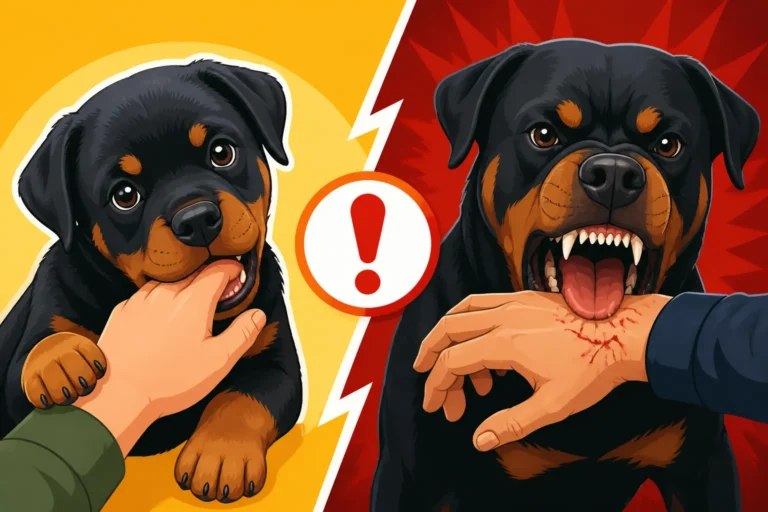
Playtime can be another arena for the Rottweiler grumble, particularly during games of tug-of-war or roughhousing with their favorite humans or doggy friends. As they lock onto a tug toy and pull with all their might, you might hear a low, sustained rumble mixed with happy "play growls." This isn't aggression; it's intense focus and excitement. Their body language during these moments is typically very fluid and bouncy, characterized by play bows, open-mouthed panting, and a general air of joyful engagement. It's crucial to understand this distinction, especially in households with children, to ensure everyone feels safe during boisterous play. Rottweiler Puppy Play Biting With Children is an excellent resource for managing play behaviors safely.
Even during independent play, a Rottweiler might grumble to themselves. Perhaps they're wrestling with a favorite sturdy chew toy, rolling it around, and making these deep, contented sounds. It's almost like they're narrating their own fun, fully engrossed in the activity. This kind of grumbling is often a sign of a well-adjusted dog enjoying their enrichment, whether it's a new puzzle toy from Amazon or a sturdy Kong filled with treats. These are not signs of guarding or distress, but rather a vocal manifestation of pure canine joy and engagement.
Settling Down and Napping Grumbles
Sometimes, a Rottweiler's grumble isn't about excitement at all, but quite the opposite: utter relaxation. You might notice it as they circle their bed a few times, let out a deep sigh, and then settle into a comfy curl. That final, rumbling exhale is a "comfort grumble," a sign that they are completely at ease and drifting off to sleep. This is often accompanied by soft blinks, a relaxed jaw, and a slow, even breathing pattern. It's a beautiful sound, truly, once you understand what it means.
Similarly, a Rottweiler might grumble lightly in their sleep. They could be dreaming, twitching their paws, and letting out little puffs of air that translate into soft grumbles. This is a common phenomenon in many dogs, but with a Rottweiler's deep vocal cords, these sleepy sounds can be quite pronounced. It's important not to startle them awake if you hear this, as they are simply deep in dreamland. Understanding these subtle cues helps you connect with your Rottweiler on a deeper level, recognizing their comfort and trust in their environment.
How to Differentiate a Grumble from a True Growl
This is where the rubber meets the road. While context and the sound itself offer clues, the most reliable indicator of your Rottweiler's mood is their body language. Dogs are masters of non-verbal communication, and their bodies speak volumes. Learning to "read" your Rottweiler's physical cues is critical for distinguishing a happy grumble from a genuine growl of warning or discomfort.
Body Language is Your Primary Clue
When your Rottweiler is emitting a happy grumble, their entire body will reflect contentment. Look for:
- Relaxed Posture: Their body will be loose, soft, and fluid. There will be no stiffness or tension in their muscles.
- Soft Eyes: Their eyes will appear soft, perhaps slightly squinted, and their pupils won't be dilated. There will be no hard stare or "whale eye" (where the whites of their eyes are visible).
- Wagging Tail (or full body wag!): A happy Rottweiler's tail will often be wagging in a broad, sweeping motion, or their entire rear end might wiggle with excitement. Even if their tail is docked, you'll see the base of the tail moving happily.
- Relaxed Mouth: Their mouth might be slightly open, in a soft "smile" or relaxed pant. Their lips will not be pulled back to show teeth, and their muzzle will not be wrinkled.
- Ears: Their ears will typically be in a relaxed, natural position, not pinned back aggressively or rigidly forward.
- Leaning or Nudging: They might lean their body into you, push their head into your hand, or offer a gentle nudge.
In contrast, a true growl, which signals fear, aggression, or discomfort, will be accompanied by very different body language:
- Stiff or Tense Body: Their body will likely be rigid, still, and possibly lowered in a defensive posture, or leaning forward in an offensive one.
- Hard Stare: Their eyes will be hard, unblinking, and focused intently on the perceived threat. You might see whale eye. Reading a Calm Rottweiler That Is Actually Alert offers great insights into subtle warning signs.
- Raised Hackles: The hair along their spine (hackles) might be raised, indicating arousal or fear.
- Mouth Tense, Lips Curled: Their lips might be curled back, exposing teeth, with a wrinkled muzzle. This is a clear warning.
- Tail Position: The tail might be stiffly held out, tucked tightly between their legs, or slowly wagging in a tense, low arc – all signs of stress, not happiness.
- Freezing: A Rottweiler might "freeze" in place just before or during a growl, indicating they are about to act.
It's really about taking in the whole picture, not just the sound. A dog's body language rarely lies, even if their sounds can be ambiguous.
Context, Environment, and Historical Behavior
Beyond body language, understanding the context in which a vocalization occurs is paramount. Ask yourself:
- What just happened? Did you just walk in the door? Did you offer a favorite toy? Did a stranger suddenly approach? If the "growl" happens during a clearly positive interaction, it's almost certainly a grumble.
- Who is present? Is it family, whom the dog adores? Or a new person the dog hasn't met before? The Rottweiler Temperament and That Self-Assured Aloofness explains why Rottweilers often take their time warming up to strangers. If it's a new person and the dog is making a low sound, it might be more of a "watch and see" vocalization than outright aggression, but closer monitoring is needed.
- What is the environment like? Is it a calm, familiar home setting, or a busy, noisy dog park? Stressful environments can lead to genuine growls of discomfort or overstimulation.
- What is your dog's history with this sound? If your Rottweiler has always grumbled happily when you get home, it's safe to assume this is a continuation of that behavior. If it's a brand-new sound in a new situation, it warrants closer inspection.
Your Rottweiler's established patterns of behavior are also a huge clue. If your dog has a history of resource guarding, for example, a low rumble near their food bowl or a cherished toy might be a true warning growl, not a happy grumble. Rottweiler Resource Guarding at Home is essential reading for understanding and managing this serious behavior. Conversely, if your dog is generally friendly and relaxed, a happy grumble is much more likely.
| Feature | Happy Grumble | True Growl |
|---|---|---|
| Sound Quality | Low, continuous, rumbling, even pitch, almost purring | Sharper, harder "rrrr", rising pitch/intensity, abrupt |
| Body Language | Loose, relaxed, wiggling, soft eyes, wagging tail | Stiff, tense, hard stare, raised hackles, tucked/stiff tail |
| Mouth/Face | Soft, slightly open, relaxed lips | Tense, wrinkled muzzle, lips curled showing teeth |
| Context | Greetings, petting, play, settling, sleeping | Fear, discomfort, guarding, warning, pain |
| Emotional State | Joy, contentment, excitement, relaxation | Fear, anxiety, aggression, pain, frustration |
Responding Appropriately to Rottweiler Vocalizations
Once you've nailed down the difference between a joyful grumble and a warning growl, you'll know how to react in a way that builds trust with your Rottweiler and ensures safety for everyone around them. Your response is critical in shaping their future vocal behavior.
Encouraging Positive Grumbling (Yes, It's a Thing!)
When your Rottweiler offers a happy grumble, it's a beautiful sign of their affection and comfort. You absolutely want to encourage this positive vocalization! Respond with calm, gentle praise, soft touches, and positive attention. This reinforces to your dog that their grumble is a welcome form of communication and strengthens your bond. If they grumble during petting, continue petting them; if they grumble during a greeting, acknowledge them with a loving tone. This shows them that their unique way of expressing happiness is understood and appreciated.
You can even use this grumble as a benchmark for their comfort. For instance, when introducing a new experience, like a new chew toy or a cozy new bed, if they let out a contented grumble, you know they're settling in well. To encourage mental enrichment that might lead to these happy, focused grumbles, consider using puzzle feeders that require them to work for their food. Many excellent options are available on Amazon that can keep a Rottweiler happily engaged for a while, often resulting in satisfied grumbles as they concentrate. Similarly, an online training program like BAXTER & Bella can provide guidance on understanding and reinforcing your dog's positive communication cues, helping you build an even stronger relationship.
Addressing True Growls and Underlying Issues
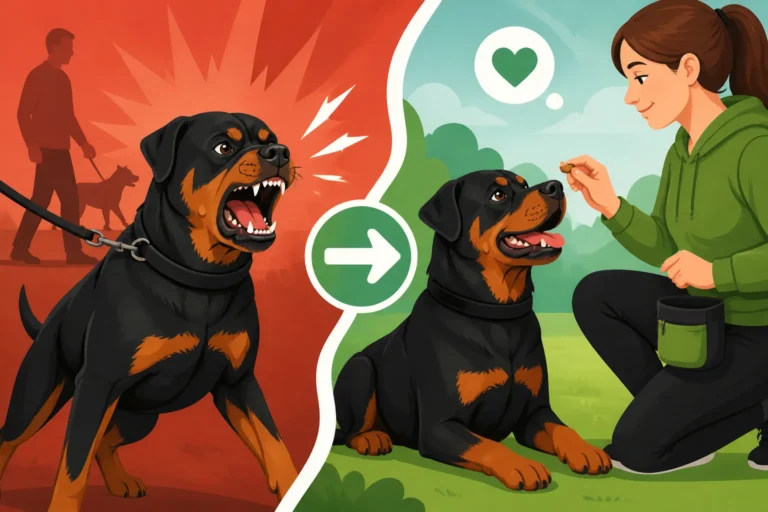
If you've assessed the situation and determined that your Rottweiler is indeed issuing a true growl, it's a serious warning signal that must be respected immediately. A growl is a dog's way of saying, "I am uncomfortable, afraid, or upset, and I need space or for this interaction to stop." Punishing a growl is one of the worst things you can do, as it teaches your dog that their warning signal is unacceptable, potentially leading them to skip the growl and go straight to a bite in the future. Why You Should Never Punish a Rottweiler Growl explains this critical concept in detail.
Your first step is to calmly de-escalate the situation. Remove the dog from the trigger, or remove the trigger from the dog. If they're guarding an item, calmly move away and consult resources on Rottweiler Resource Guarding at Home. If they're growling at a stranger, ensure they have a safe distance and space. Once the immediate tension has passed, it's vital to investigate the underlying cause of the growl. Is it pain? Rottweiler Behavior Changes That Mean Pain often include subtle signs of discomfort that can lead to growling. Is it fear, anxiety, or a lack of socialization? A professional, Rottweiler-experienced trainer or a veterinary behaviorist can help you understand and address these issues safely and effectively. Finding a Rottweiler-Experienced Trainer Near You is a great place to start looking for expert assistance. Never ignore a true growl; it's your Rottweiler's plea for help.
Disclaimer
This article is for general informational purposes only and does not constitute professional advice. Laws, prices and regulations vary by location and change over time. Consult a qualified professional for guidance on your specific situation.