The Wait-and-See Way a Rottweiler Meets Strangers
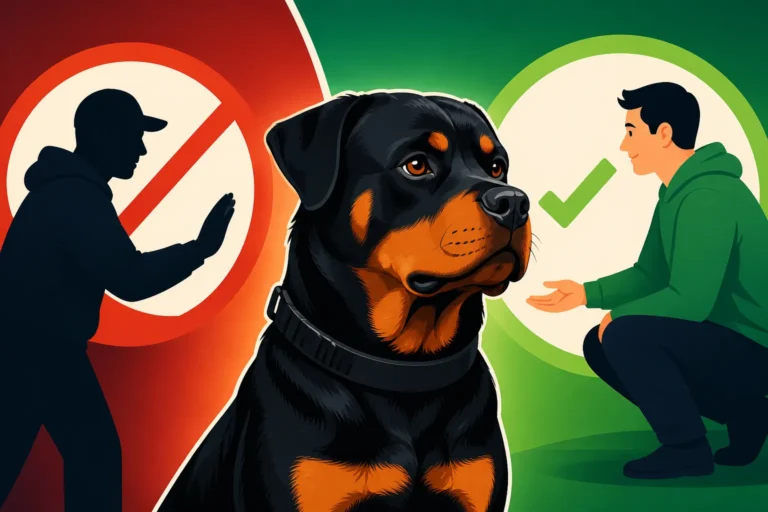
It’s a scene many Rottweiler owners know all too well: you’re out for a walk, enjoying a quiet moment with your magnificent dog, when someone approaches, eager to pet them. Instead of the wagging tail and instant affection they expect from a Golden Retriever, your Rottweiler offers a calm, steady gaze, perhaps a slight tilt of the head, but no immediate enthusiasm. This isn't aloofness because they dislike people; it's a characteristic "wait-and-see" approach, and understanding it is key to ensuring positive interactions and a well-adjusted companion. This guide will dive deep into why Rottweilers interact with strangers this way and how you can support your dog through these encounters.
Understanding the Rottweiler's Natural Aloofness
Many breeds rush in for a sniff and a happy wiggle, but Rottweilers often take a different tack. Their history and inherent nature have shaped a distinct way of processing new introductions, particularly with strangers. It's a fundamental part of Rottweiler Temperament and That Self-Assured Aloofness.
More Than Just 'Shy' – It's Purposeful Observation
When your Rottweiler holds back, observing a new person rather than bounding forward, it’s not typically shyness in the timid sense. Instead, it’s a deeply ingrained trait that speaks to their heritage as guardians and drover dogs. Imagine a Rottweiler in ancient Roman times, moving cattle or guarding a butcher's money bag in the bustling marketplace of Rottweil. They couldn’t afford to be indiscriminately friendly; their role demanded a watchful, discerning nature. They needed to quickly assess who was friend or foe, who belonged and who didn't, and act accordingly. This isn't a flaw; it's a feature, a testament to their purpose-bred intelligence and discernment.
This means that while some breeds are bred for immediate gregariousness, your Rottweiler was bred for discernment. They process, they evaluate, they take in the whole picture before deciding how to respond. This can be frustrating for owners who face misinterpretations from strangers who assume the dog is unfriendly, aggressive, or poorly socialized simply because it doesn't immediately roll over for a belly rub. It can feel like your dog is being judged, and by extension, so are you, when in reality, they're simply being true to their nature.
Reading the Subtle Cues of a Cautious Rottweiler
Since your Rottweiler isn't likely to offer an exaggerated display of emotion upon meeting someone new, learning to read their more subtle cues becomes incredibly important. A common observation is that a Rottweiler might appear completely still, almost like a statue, with a direct gaze that can sometimes be mistaken for aggression or challenge. However, this stillness is often a sign of intense focus and assessment, not necessarily hostility. They are taking in scent, body language, tone of voice, and the general energy of the situation. This is why it’s vital to know how to interpret Reading a Calm Rottweiler That Is Actually Alert.
Look for a neutral, relaxed body posture—no stiffening, no raised hackles, no lip licking or yawning (stress signals). Their tail might be held low, or performing a slow, soft wag, if it's wagging at all. Since many Rottweilers have docked tails, reading their overall body language, especially around the eyes and mouth, becomes even more critical. Rottweiler Tail Language After Docking can make it harder to read the "happiness meter" that other breeds offer with a full tail. If they are truly comfortable, they might eventually offer a soft sniff or a lean into your leg, indicating they are starting to accept the person's presence. The key is that they will usually initiate further interaction on their own terms, after their assessment.
Why Immediate Greetings Aren't Typical for a Rottweiler
The very essence of what makes a Rottweiler a superb guardian is what informs their initial interactions with new people. Their historical role didn't involve being the life of the party; it involved being a watchful, protective presence.
The Instinct to Assess and Protect
At its core, the Rottweiler's "wait-and-see" approach is an extension of their deeply ingrained guardian instinct. They are bred to protect their family and their territory, and this means they have a natural inclination to assess newcomers. Every new person represents an unknown variable, and their instinct tells them to gather information before committing to a response. This isn't about distrusting every single person; it's about being thorough and cautious, ensuring that anyone entering their orbit (or your orbit, as their person) means no harm. Why a Rottweiler Waits Before Deciding is a question many owners ponder, and the answer often lies in this protective heritage.
Think of it like a security system. A good security system doesn't immediately open the door to every person who rings the bell. It takes a moment to scan, verify, and identify before granting access. Your Rottweiler operates similarly. They are evaluating the stranger's intentions, their body language, their energy, and how you, their trusted leader, are reacting to the situation. They want to know if this person is a welcome guest or if they need to be alert. This is why they might stand between you and the stranger, or position themselves to observe from a slight distance – they are fulfilling their protective role, even if no actual threat exists.
The Difference Between Aloofness and Fear-Based Reactivity
It's absolutely crucial to distinguish between a Rottweiler’s natural, self-assured aloofness and genuine fear-based reactivity. While both might involve a lack of immediate approach, their underlying motivations and outward manifestations are very different. Aloofness is a calm, discerning observation; fear-based reactivity often stems from insecurity, poor socialization, or past negative experiences, and can escalate to defensive aggression. A truly aloof Rottweiler is confident in their assessment; a fearful one is anxious and might lash out.
Signs of genuine fear include a tucked tail (if not docked), flattened ears, lip licking, yawning, excessive panting when not hot, turning their head away, or showing the whites of their eyes (often called "whale eye"). Understanding Rottweiler Whale Eye and Other Warning Signs can be critical here. A fearful dog might try to make itself smaller, lean away, or even lunge and bark out of a desperate need to create distance. An aloof Rottweiler, on the other hand, might simply stand tall and still, observing with a neutral expression. They aren't trying to scare the person away; they're simply not inviting interaction until they've made their decision. Proper breeding and early, positive socialization are paramount in fostering this confident aloofness rather than debilitating fear.
Setting Your Rottweiler Up for Success with New People
Since your Rottweiler isn't likely to be the type to jump into a stranger's lap, it’s up to you to manage these introductions thoughtfully. This isn't about forcing friendliness, but about creating an environment where your Rottweiler feels safe enough to make their own decision.
Proactive Management and Controlled Introductions
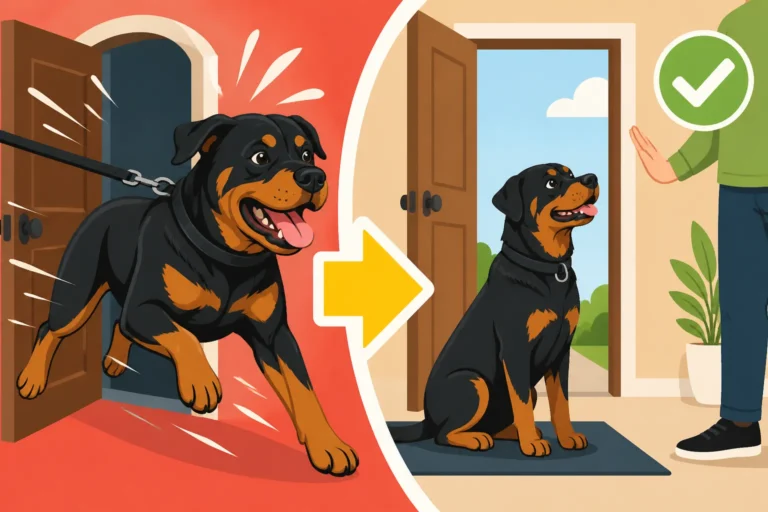
The biggest mistake you can make with a Rottweiler is to allow uncontrolled, chaotic greetings. This means no surprise encounters where strangers rush up, and no off-leash free-for-alls at the dog park where your Rottweiler is suddenly overwhelmed. Instead, adopt a proactive approach. When you anticipate meeting new people, whether on a walk or at home, keep your Rottweiler on a leash, even if they're usually trustworthy. This gives you direct control and allows you to guide the interaction.
Controlled introductions mean setting the scene for success. If a friend is coming over, have your Rottweiler calmly on leash when they arrive. Don't immediately force an interaction. Allow your dog to observe from a slight distance. Give them a "place" command if they know one, or simply have them sit by your side. This communicates to your Rottweiler that you are handling the situation, and they don't need to be on high alert. Over time, as your dog gains confidence in your leadership during these moments, their initial cautiousness may soften.
Teaching Strangers How to Approach (or Not Approach)
This is often the hardest part, because well-meaning strangers often do everything wrong from a Rottweiler's perspective. Most people want to make direct eye contact, lean over, talk in a high-pitched voice, and immediately reach out to pet the dog's head. For a discerning Rottweiler, these actions can be perceived as threatening or overly intrusive. It's your job to advocate for your dog and gently educate the stranger.
Here’s a simple script you can use: "He's a bit shy with new people, so if you don't mind, please let him approach you. No direct eye contact, just ignore him for a minute, and maybe toss a treat on the ground." This works wonders. A sideways glance is less confrontational than a direct stare. Letting the dog approach on their terms removes pressure. And treats? Treats are magic. You can find excellent value bulk treat options on Amazon, which can be great for these frequent training moments. Tell the person to toss the treat to the side, not directly at the dog, so your Rottweiler has to move to get it, further reducing perceived pressure. It's about letting the Rottweiler feel in control of the interaction and associating new people with good things, like delicious snacks.
Building Positive Associations Over Time
Consistent, positive experiences are the foundation for helping your Rottweiler feel comfortable and confident around new people. This isn't a one-and-done process; it's an ongoing commitment to shaping their world view.
The "Treat and Retreat" Method
One of the most effective methods for building positive associations with cautious dogs is "Treat and Retreat." This technique is brilliant because it never forces interaction and allows the dog to feel safe and in control. Here’s how it works:
- Identify the Trigger: When a stranger approaches (or is present at a comfortable distance), you or the stranger offers a high-value treat.
- Toss the Treat: The treat isn't given directly; it's tossed a few feet away from the stranger, allowing your Rottweiler to move away from the person to get it. This is the "retreat" part.
- Repeat: As the stranger remains calm and non-threatening, more treats are tossed. Each time, your Rottweiler approaches, gets the treat, and then retreats, reducing the pressure.
The goal is for your Rottweiler to associate the presence of a stranger with delicious things happening. They learn that "stranger = treats" and "I can choose my distance." Over time, the distance they choose to retreat might shorten, and eventually, they might even take a treat from the stranger's hand (with your guidance, of course). This process is slow and requires patience, but it respects your dog's need for space and builds genuine trust. Remember to always use high-value treats that your Rottweiler absolutely adores for these special occasions.
Structured Socialization Beyond Puppyhood
While Socializing a Rottweiler Puppy Properly before 16 weeks is critical, socialization is not a finite window that closes once your dog reaches adolescence. For a Rottweiler, it's a lifelong process of positive exposure and learning. An adult Rottweiler still benefits from structured, positive interactions with new people and environments. This means continuing to expose them to different sights, sounds, and types of people, but always in a controlled and positive manner.
Consider enrolling in obedience classes specifically designed for adult dogs. Even if your Rottweiler is well-behaved, the exposure to new people and dogs in a structured, positive setting can reinforce good habits. Many reputable online training platforms, such as BAXTER & Bella, offer resources and guidance on continuing socialization for older dogs, which can be a fantastic supplement to in-person training. These experiences help your Rottweiler generalize their comfort levels and build confidence that the world, including its human inhabitants, is generally a safe place. Just remember that quantity of exposure is less important than quality; a few calm, positive encounters are far more valuable than many overwhelming ones.
When Aloofness Becomes a Concern
While the "wait-and-see" attitude is normal for a Rottweiler, there are times when this natural trait can escalate into something more problematic, indicating underlying anxiety or aggression. Recognizing this distinction is vital for your dog's well-being and everyone's safety.
Recognizing When Normal Aloofness Tips into Anxiety or Aggression
The line between confident aloofness and concerning behavior can sometimes blur, but it's important to know the signs. If your Rottweiler moves beyond calm observation to active avoidance (trying to hide, pulling frantically away), or worse, defensive displays like growling, snapping, or lunging at strangers, then you're no longer dealing with simple aloofness. This is a sign of anxiety or fear-based aggression, which needs immediate attention. Why You Should Never Punish a Rottweiler Growl is a critical piece of advice here, as a growl is a warning, and suppressing it can lead to bites without warning.
Other red flags include a sudden change in their typical "wait-and-see" behavior. If a dog who usually just observes quietly suddenly starts barking frantically at every stranger, it could be a sign of pain or discomfort. Rottweiler Behavior Changes That Mean Pain often manifest as unexpected aggression or withdrawal. Any consistent signs of stress such as excessive drooling, trembling, compulsive licking, or a persistent tucked tail (if natural) when strangers are present are also reasons for concern. These behaviors indicate your dog is deeply uncomfortable and needs intervention beyond simple management.
Working with a Professional Trainer or Behaviorist
If you notice that your Rottweiler's interactions with strangers are consistently tipping into anxiety, fear, or aggression, it's time to call in the professionals. Do not try to "fix" aggression on your own, especially with a powerful breed like a Rottweiler. Seek out a certified professional dog trainer (CPDT) or a veterinary behaviorist who has experience specifically with guardian breeds and understands their nuances. Not all trainers are created equal, and some might advocate for methods that could exacerbate fear or aggression in a Rottweiler.
A good professional will conduct a thorough assessment of your dog's behavior, history, and home environment. They will help you identify triggers, understand the root cause of the behavior, and develop a safe and effective behavior modification plan. This plan will likely focus on counter-conditioning (changing your dog's emotional response to strangers) and desensitization (gradually exposing them to triggers at a level they can tolerate). They can teach you techniques to build your Rottweiler’s confidence and help them feel safer in the presence of new people, ultimately aiming to return them to their natural, calm, and discerning aloofness, rather than a state of fear.
The Joys of a Trusted Rottweiler Relationship
While their initial caution might seem challenging, the payoff of a well-understood and well-socialized Rottweiler is immense. Their unique approach to relationships ultimately fosters a bond built on genuine trust and respect.
The Deep Bond Once Trust is Earned
The beauty of a Rottweiler’s "wait-and-see" nature is that once they decide you and your chosen circle are trustworthy, their loyalty is profound and unwavering. They don't give their affection freely to just anyone; it is earned, and because of that, it feels incredibly special. The way they lean into you, the deep, rumbling grumbles of contentment, the soft nudges of their head – these are signs of a bond that runs far deeper than superficial friendliness. They become your shadow, your confidant, and your steadfast protector.
This deep bond often extends to your close family and friends, those who have taken the time and shown the patience to earn the Rottweiler's trust. They might not be jumping guests on arrival, but once accepted, they’ll greet familiar faces with a calm, assured acknowledgment, a soft tail wag, and perhaps even an invitation for a scratch behind the ears. This level of discernment means their affection is never cheap; it's a testament to the strong, respectful relationship you've built together.
Advocating for Your Rottweiler's Unique Personality
As a Rottweiler owner, you are your dog's greatest advocate. It’s important to educate people about their natural tendencies and help them understand that a lack of immediate effusive greeting isn't a sign of aggression, but rather a characteristic of their discerning personality. Be proud of your dog's intelligence and their ability to assess a situation. Explain that they are not "unfriendly," but simply "selective" or "reserved," which is exactly what makes them such excellent guardians.
| Behavior Trait | Description | Owner's Interpretation | Stranger's Common Misinterpretation |
|---|---|---|---|
| Calm Observation | Dog stands still, watching a stranger from a distance. | Dog is assessing the situation, gathering information. | Dog is unfriendly, perhaps aggressive. |
| No Immediate Approach | Dog does not rush forward for petting or sniffing. | Dog prefers to let new people earn trust, respects personal space. | Dog is shy, poorly socialized, or doesn't like people. |
| Neutral Body Language | Relaxed posture, soft eyes, ears alert but not flattened, low/neutral tail. | Dog is confident and assessing, not fearful or aggressive. | Dog is stoic, "cold," or unapproachable. |
| Slow, Deliberate Interaction | Dog may eventually sniff or lean after prolonged calm exposure. | Dog has made a positive assessment, is choosing to engage. | Dog finally "came around," was just being stubborn. |
| Leaning into Owner | Dog stands close to or leans on owner when strangers are near. | Dog seeks reassurance, trusts owner's judgment, or asserts protection. | Dog is possessive, insecure, or being coddled. |
By speaking up and managing interactions, you not only protect your Rottweiler from unwanted attention or misjudgment, but you also help shift public perception of the breed. You become a representative for the calm, intelligent, and deeply loyal companions that Rottweilers truly are. Embrace their unique "wait-and-see" nature, for it is a testament to their incredible character.
Disclaimer
This article is for general informational purposes only and does not constitute professional advice. Laws, prices and regulations vary by location and change over time. Consult a qualified professional for guidance on your specific situation.