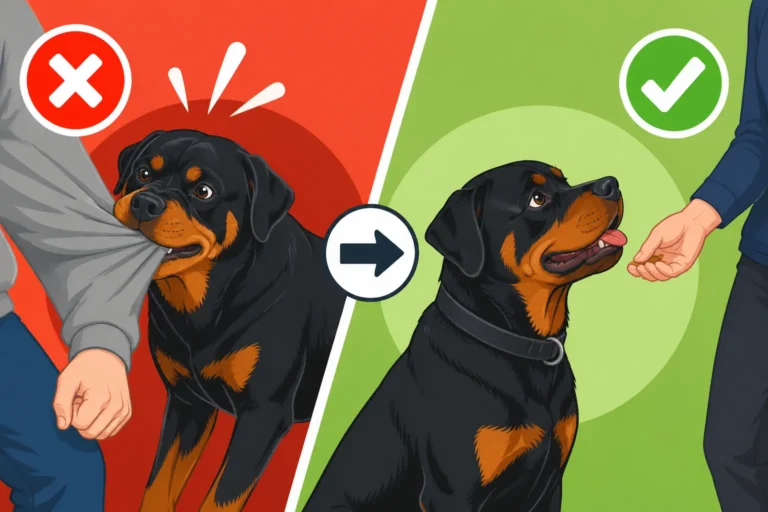
Socializing a Rottweiler Puppy Properly
Bringing a new Rottweiler puppy home is an exciting time, but many new owners quickly realize that raising a well-adjusted, confident giant requires more than just love and good food. One of the biggest challenges, and often the most misunderstood, is proper socialization. Without thoughtful, early, and ongoing exposure, your naturally protective Rottweiler can easily become fearful, reactive, or overly wary of the world, leading to a lifetime of stress for both of you. This comprehensive guide will walk you through the essential steps to properly socialize your Rottweiler puppy, transforming potential anxieties into calm confidence and ensuring they grow into a balanced, happy companion.
The Critical Window: Why Early Socialization Matters So Much
Let's be frank: you can't just throw a Rottweiler puppy into every situation and expect them to become well-adjusted. These aren't golden retrievers that often bounce back from rough experiences with a wagging tail. Rottweilers are serious dogs with a serious guarding instinct, and their temperament needs careful shaping, particularly during their most impressionable weeks. Missing this window, or doing it poorly, can set the stage for behavioral issues that are incredibly challenging, if not impossible, to undo once they've reached their imposing adult size.
The Puppy's Formative Weeks Before Sixteen Weeks
The period from roughly 3 weeks to 16 weeks of age is often called the critical socialization window, and it's a make-or-break time for your Rottweiler puppy. During these precious weeks, their brains are like sponges, eagerly soaking up information about the world around them. Positive, varied experiences during this time help build a robust foundation for confidence and resilience. If a puppy has limited exposure to different sights, sounds, people, and other animals during this period, anything new later in life can be perceived as threatening. This isn't just about making them friendly; it's about teaching them that the world is a safe, interesting place, not a series of potential dangers.
Think of it this way: every new positive interaction during these weeks wires their brain to handle similar situations calmly in the future. Conversely, a terrifying experience, or simply a lack of any experience, can hardwire fear or apprehension. This is why Rottweiler Socialization Before Sixteen Weeks is so vital. It's not just a suggestion; it's an imperative for the future well-being and manageability of your large, powerful dog. You want to present new stimuli gently, always ensuring the puppy feels safe and has a positive association, perhaps with a high-value treat or a gentle cuddle. Avoid forcing them into situations where they are clearly overwhelmed; a negative experience now can have lasting repercussions.
Beyond Just Meeting Other Dogs
When people think of "socialization," they often picture puppies playing together. While interaction with stable, healthy dogs is important, true socialization is far more encompassing. It’s about exposing your Rottweiler puppy to a vast array of novel, non-threatening stimuli in a controlled, positive way. This means everything from the sound of traffic and lawnmowers to different floor textures, people in hats, children on scooters, and even the feeling of a rain shower. A well-socialized Rottweiler needs to be comfortable existing peacefully in our human world, not just with other canines.
Consider the diverse environments your adult Rottweiler might encounter: a busy veterinary clinic, a quiet trail, a bustling farmers market (if permitted), or even just guests arriving at your home. Each of these situations presents a unique set of sights, sounds, and smells. If your puppy hasn't had positive exposure to these types of stimuli, they might develop anxiety or reactivity later. For instance, if the only time they hear loud bangs is during a thunderstorm, they might become storm-phobic. If they only see children running and screaming, they might develop a fear response or an over-aroused chase instinct. It's about building a broad base of "normal" experiences, systematically and patiently.
Laying the Foundation: Exposure to People, Places, and Things
True confidence in a Rottweiler comes from knowing what to expect, even from the unexpected. This foundation is built brick by brick, starting with careful and positive exposures to the diverse elements of human society. Your goal isn't necessarily for your Rottweiler to be the life of every party, but rather to be calmly accepting and comfortable in a wide range of everyday situations without becoming fearful, defensive, or overly aroused.
Meeting All Kinds of Humans
Rottweilers, by nature, can be aloof with strangers, and this is a trait to understand and manage, not necessarily eradicate. However, aloofness is not fear or aggression. A properly socialized Rottweiler should be able to calmly observe new people without showing fear or excessive worry. This means exposing your puppy to people of all shapes, sizes, ages, and appearances. Think about how many different types of people you encounter daily: men with beards, women in flowing dresses, children in strollers, teenagers on skateboards, delivery drivers in uniforms, people wearing glasses or hats, individuals using wheelchairs or crutches. Each represents a unique silhouette and movement pattern.
When introducing your puppy to people, always keep it positive and on your puppy's terms. Have people offer a high-value treat (like tiny pieces of cooked chicken or cheese) without forcing interaction. Ask them to crouch down, offer a hand for sniffing, and speak in a soft, encouraging tone. Avoid having strangers loom over the puppy or grab at them. For families with children, supervised and positive interactions are paramount. Teach children how to gently interact with the puppy and never leave them unsupervised. For more specific guidance, read Introducing a Rottweiler Puppy to Strangers Safely. The goal is for your Rottweiler to associate new people with good things and gentle experiences, gradually building their comfort level.
Navigating Different Environments
The world is a vibrant, sometimes chaotic, place, and your Rottweiler needs to learn to navigate it with poise. This involves taking your puppy to a variety of safe, pet-friendly locations. Start with quieter environments and gradually increase the level of stimulation. A short trip to a quiet corner of a park where you can simply sit and observe can be a great starting point. Progress to places with more ambient noise and activity, like a pet-friendly hardware store or a quiet strip mall, making sure to keep interactions with strangers brief and positive.
Don't forget the sensory experience: let them walk on different surfaces – grass, concrete, gravel, wood floors, carpet. Exposure to various sounds is also critical. Play recordings of city traffic, sirens, doorbells, crying babies, and even vacuum cleaners at a low volume at home, pairing them with treats and praise. Gradually increase the volume as your puppy remains calm. These controlled exposures prevent startling or fear reactions later. Remember, a Rottweiler's body is robust, but their confidence in new situations is built slowly and deliberately.
Introducing the World of Objects and Sounds
Beyond people and places, our daily lives are filled with an endless array of objects and sounds that can be startling if a puppy isn't desensitized to them. Imagine your Rottweiler's reaction to a sudden umbrella opening, a vacuum cleaner roaring to life, a bicycle whizzing past, or a skateboarder rolling down the sidewalk. Without proper introduction, these can become sources of fear or excitement, leading to undesirable behaviors.
The key here is gradual, positive desensitization. For objects, place them in your puppy's environment at a distance, allowing them to investigate at their own pace. Reward any calm curiosity with treats. For example, introduce a stroller or a shopping cart by letting your puppy see it, then slowly move it, all while offering treats and praise. For sounds, as mentioned earlier, start with low volumes and positive associations. There are many online resources and apps that provide sound libraries for puppy desensitization. Amazon offers a variety of white noise machines and sound players that can be helpful for this purpose. The goal is to make these everyday occurrences background noise, not terrifying events.
Socializing Your Rottweiler with Other Dogs (Safely and Positively)
While your Rottweiler's primary bond will be with you and your family, healthy interactions with other dogs are an important part of their social development. However, this isn't a free-for-all. Given the breed's size, strength, and potential for same-sex aggression in adulthood, careful management of dog-on-dog interactions is crucial from day one.
Choosing Appropriate Playmates
When it comes to introducing your Rottweiler puppy to other dogs, quality absolutely trumps quantity. You want to prioritize interactions with known, stable, fully vaccinated adult dogs that have a history of being good with puppies and are known to have appropriate social skills. These older dogs can act as patient mentors, teaching your puppy appropriate play etiquette. Avoid the temptation to take your young puppy to dog parks. Dog parks are often uncontrolled environments where puppies can be overwhelmed, bullied, or even injured, leading to negative associations with other dogs. This can be a significant setback for a Rottweiler, potentially fostering fear or defensiveness.
Instead, arrange one-on-one playdates in a secure, neutral environment, like a fenced yard or a quiet park during off-peak hours. Supervise these interactions closely. Look for balanced play where both dogs take turns chasing, wrestling, and disengaging. If play becomes too rough or one dog seems overwhelmed, calmly intervene and separate them for a break. Remember, a single bad experience can be incredibly damaging for a developing Rottweiler puppy, making them wary or even reactive towards other dogs later in life.
Structured Puppy Classes and Playdates
Enrolling your Rottweiler puppy in a well-run puppy kindergarten or socialization class is one of the best investments you can make. These classes offer a safe, supervised environment for puppies to interact with peers of similar ages and sizes. Crucially, they are led by experienced trainers who understand puppy behavior and can intervene if play gets too rough or if a puppy is becoming fearful or overwhelmed. The trainers can also help you understand your puppy's play style and how to manage it. These classes also offer invaluable opportunities for your puppy to experience different people, learn basic manners, and get comfortable with handling by people other than family members.
Many excellent trainers offer these programs, and it’s important to find one that prioritizes positive reinforcement and safety. Services like BAXTER & Bella offer online resources that can complement in-person classes, providing guidance on how to structure playdates and understanding canine body language. A good class will also teach you, the owner, how to be an effective advocate for your puppy, recognizing signs of stress or discomfort. This structured approach helps ensure that your Rottweiler builds positive associations with other dogs and learns appropriate social skills. Puppy Classes That Accept Rottweilers often focus on breed-appropriate socialization and management techniques.
Reading Body Language and Managing Interactions
Understanding canine body language is paramount when socializing a Rottweiler. Your puppy will communicate their comfort level, excitement, or stress through subtle signals long before they resort to growling or snapping. Learn to recognize signs of polite play (loose, bouncy bodies, play bows, self-handicapping) versus signs of stress or fear (lip licking, yawning, tail tucked, ears back, freezing, avoiding eye contact, frantic sniffing). A stiff body, a prolonged stare, or one dog persistently "bullying" another are all red flags that require intervention.
When you observe signs of discomfort or overly intense play, calmly step in. Don't wait for a fight to break out. Call your puppy away for a brief break, perhaps with a short "sit" or "stay," and reward them. This teaches them that you are their reliable leader and can intervene when things get too much. It also allows both puppies to de-escalate. Managing these interactions effectively helps your Rottweiler learn appropriate boundaries and develop confidence in your guidance. If you notice your Rottweiler exhibiting signs like those described in Reading a Still Rottweiler That Is Not Relaxed, it's time to create space and provide comfort.
Handling and Body Sensitivity: Preparing for a Lifetime of Care
Given a Rottweiler's powerful build and potential for guarding, getting them comfortable with being handled by various people, especially for routine care, is non-negotiable. This isn't just about making grooming easier; it's about ensuring your dog can be safely examined by a vet or handled in an emergency without stress or defensiveness.
Making Vet Visits a Breeze
Vet visits are a fact of life for any dog, and for a large, protective breed like a Rottweiler, they can be particularly stressful if not properly prepared for. Start early by making handling a positive daily routine at home. Gently touch your puppy's paws, ears, tail, and mouth. Hold their muzzle briefly, look at their teeth, and gently tug on their ears. Reward these interactions with treats and praise. The goal is to build a positive association with being touched all over their body. This routine, often called "husbandry training," is crucial.
You can even practice "mock vet exams" at home. Have family members pretend to be the vet, gently examining your puppy, looking in their ears, or lightly pressing on their belly, always followed by generous treats. Consider short, positive "happy visits" to the vet clinic itself, even when your puppy isn't sick. Just pop in for a few minutes, let the staff offer a treat, maybe step on the scale, and then leave. This helps your puppy associate the clinic with positive, low-stress experiences, rather than just shots or uncomfortable procedures. Remember, a cooperative Rottweiler makes life easier and safer for everyone involved.
Grooming and Maintenance as a Positive Experience
Rottweilers, despite their short coats, require regular grooming, including brushing, nail trims, and ear cleaning. Their thick, dense nails, in particular, need frequent attention to prevent discomfort and potential lameness. Starting these routines early and making them positive experiences is key. Introduce grooming tools slowly. Let your puppy sniff the brush or nail clippers, give a treat, then put them away. Gradually progress to short brushing sessions, touching a paw with the clippers, or gently lifting an ear flap to clean.
Always pair these actions with high-value treats and praise. If your puppy shows any signs of stress, stop, take a break, and try again later with an even shorter session. For nail trims, consider teaching your puppy to willingly offer a paw, which makes the process much less confrontational. Investing in durable, breed-appropriate grooming tools, available on Amazon, is a good idea. Think about sturdy brushes and heavy-duty nail clippers. Consistency is more important than duration. A few minutes of positive grooming practice every day is far more beneficial than infrequent, stressful struggles. For more detailed guidance, consider Rottweiler Handling Practice for Grooming.
Common Socialization Pitfalls and How to Avoid Them
Even with the best intentions, it's easy to make mistakes when socializing a Rottweiler. These missteps can have long-lasting consequences, transforming a potentially confident companion into a fearful, anxious, or reactive dog. Understanding and actively avoiding these common pitfalls is just as important as knowing what to do.
Overwhelming Your Puppy
One of the most frequent mistakes is trying to do too much, too fast. It's understandable; you want your puppy to experience everything! But overwhelming a young Rottweiler puppy with too many new sights, sounds, or interactions at once can backfire dramatically. A puppy pushed beyond their comfort zone isn't learning to be brave; they're learning that new things are scary and stressful. This can lead to fear-based aggression or extreme shyness later in life. Imagine being thrown into a mosh pit when you've never even been to a concert – that's what an overly stimulated environment can feel like to a sensitive puppy.
Instead, prioritize quality over quantity. Keep exposure sessions short (5-10 minutes for very young puppies), positive, and always on your puppy's terms. Watch their body language closely. Are they happy and curious, or are they lip-licking, yawning excessively, trying to hide, or showing a tucked tail? If you see signs of stress, remove them from the situation immediately and try again another day with less intensity. Your puppy needs to feel safe and secure during all socialization experiences. A calm, steady approach is far more effective than a whirlwind tour of the world.
Isolating Your Rottweiler
On the opposite end of the spectrum is isolation. Some owners, perhaps due to the Rottweiler's guarding reputation or concerns about "dangerous breeds," might inadvertently limit their puppy's exposure to the outside world. They might keep them exclusively in the backyard, avoid public places, or only let them interact with family members. While you might think you're protecting your puppy, you're actually doing them a great disservice. A Rottweiler who misses that critical socialization window and is isolated will almost certainly grow up to be fearful, defensive, or reactive towards anything unfamiliar.
Remember, a Rottweiler's natural guarding instinct is shaped, not created. If they haven't learned that most strangers and novel situations are benign, they will default to suspicion and potential aggression as a defense mechanism. This becomes incredibly challenging to manage once you have a 100-plus-pound adult dog. Therefore, active, deliberate, and positive exposure is paramount. Do not let fear of their reputation lead you to create a dog that embodies those very fears. Isolation creates fear, and fear often manifests as aggression in powerful dogs.
Ignoring Subtle Body Language
Rottweilers, being stoic and observant, don't always broadcast their discomfort with obvious growls or barks, especially in the early stages of stress. They might freeze, turn their head away, lick their lips, yawn, or whale-eye (showing the whites of their eyes). Many owners miss these subtle cues, pushing their puppy further into a stressful situation because they interpret the puppy's stillness as "calm" or "good behavior." This is a huge mistake. A frozen, still Rottweiler might be incredibly stressed and could be on the verge of reacting.
Learning to read your dog's body language is fundamental to successful socialization and responsible Rottweiler ownership. Pay attention to their ears, tail carriage, mouth, eyes, and overall posture. A relaxed, happy Rottweiler will have a loose body, a gently wagging tail (if natural), soft eyes, and a relaxed mouth. Any deviation from this should be noted and respected. If you're unsure, it's always better to err on the side of caution and remove your puppy from the situation. Understanding cues like those described in Rottweiler Whale Eye and Other Warning Signs can literally prevent problems down the road.
Continued Socialization and Maintenance Through Adolescence and Adulthood
Socialization isn't a "one-and-done" task you check off a list when your puppy hits 16 weeks. It's an ongoing process that evolves as your Rottweiler matures. Just like humans, dogs go through developmental stages that can bring new challenges and require continued guidance and exposure to maintain their confidence and good manners.
Adolescent Challenges and Setbacks
Ah, adolescence – the teenage years for dogs! This period, roughly from 8 months to 18 months (sometimes longer for a large breed like a Rottweiler), can be a rollercoaster. Your once-confident puppy might suddenly seem to forget all their training, become more easily spooked, or start testing boundaries. They might react to things they previously ignored, or become more standoffish with strangers. This is a normal part of development as their hormones surge and they assess their place in the world. However, for a Rottweiler, these changes can be particularly pronounced given their size and protective instincts.
During this time, it's crucial not to let up on socialization or training. In fact, you need to double down on consistency. Continue exposing your adolescent Rottweiler to new environments, people, and well-behaved dogs, always ensuring positive experiences. Revisit places you went when they were younger, and ensure they remain calm and confident. This is not the time to become complacent. Enrolling in an advanced obedience class or working towards titles like Canine Good Citizen With a Rottweiler can provide structure and keep their minds engaged, reinforcing good habits when they are most likely to challenge them. Remember, Rottweiler Adolescence at Eight Months can be a trying time, but consistent effort pays off.
Lifelong Learning and New Experiences
Even a fully mature adult Rottweiler benefits from continued socialization and exposure to novelty. Just like humans, dogs can get into a rut, and a lack of new experiences can dull their cognitive abilities and potentially lead to boredom or anxiety. Continue to explore new walking trails, visit different pet-friendly stores, or simply introduce new puzzles and enrichment toys to their routine. The goal is to keep their minds active and reinforce their ability to adapt to new situations calmly.
Consider joining dog sports like obedience, rally, or even carting. These activities provide mental and physical stimulation, strengthen your bond, and offer controlled opportunities for your Rottweiler to be around other dogs and people in a positive, goal-oriented environment. Regular walks in varied environments, even if it's just a different neighborhood park each week, are valuable. It’s about maintaining a flexible, confident mindset. Your Rottweiler doesn't need to be the most outgoing dog, but they should be calmly accepting of the world around them throughout their life.
Socialization Checklist for Your Rottweiler Puppy
To help you navigate the crucial socialization journey, here's a handy checklist. Remember, pace yourself, keep experiences positive, and always prioritize your puppy's comfort.
| Category | Examples of Exposure | Frequency / Goal |
|---|---|---|
| People | Men, women, children, different ethnicities, uniforms, hats, glasses, wheelchairs | Daily positive interactions; calm acceptance of all types of people |
| Sounds | Traffic, sirens, vacuums, thunderstorms, doorbells, children playing, construction | Daily desensitization (start low volume); calm reaction to common household and outdoor noises |
| Surfaces | Grass, concrete, carpet, wood, tile, gravel, stairs | Regular exposure to all common surfaces; confident movement on varied textures |
| Objects | Umbrellas, bikes, strollers, shopping carts, garbage cans | Gradual introduction to common items; calm curiosity, not fear or reactivity |
| Other Dogs | Vaccinated, stable adult dogs; well-run puppy classes | Weekly positive, supervised interactions; polite greetings and play |
| Handling | Ears, paws, mouth, tail, belly, gentle restraint | Daily short, positive sessions; cooperative with vet exams and grooming |
| Environments | Quiet parks, pet stores, vet clinic (happy visits), car rides, different homes | Weekly varied outings; calm and observant in new places |
| Grooming Tools | Brush, nail clippers, ear wipes, hairdryer | Regular, positive association; accepting of routine grooming |
Disclaimer
This article is for general informational purposes only and does not constitute professional advice. Laws, prices and regulations vary by location and change over time. Consult a qualified professional for guidance on your specific situation.