Whether a Rottweiler Bite Voids Your Policy
It’s a scenario every Rottweiler owner dreads: an unexpected incident, a bite, and the overwhelming fear of what comes next. Beyond the immediate concern for the person involved and your beloved dog, a chilling question quickly arises – will this single event void your entire homeowners insurance policy, leaving you vulnerable and without coverage? This guide aims to thoroughly unravel the complexities surrounding Rottweiler bites and your insurance, helping you understand the potential repercussions and how to navigate such a stressful situation.
The Immediate Aftermath of a Rottweiler Bite
When a dog bite occurs, especially involving a powerful breed like a Rottweiler, the initial moments are often chaotic and frightening. The actions you take immediately following the incident can significantly impact the legal and insurance ramifications later on. It’s crucial to remain calm and methodical, even when your heart is pounding.
Prioritizing Safety and Seeking Medical Attention
First and foremost, ensure the safety of everyone present, including your dog. Secure your Rottweiler to prevent any further incidents. Your immediate priority must be the injured party. Encourage them to seek prompt medical attention, even if the injury appears minor. Dog bites, particularly from large breeds, can cause more damage than is visible on the surface, and infection is always a serious risk. Documenting medical care is vital for both the injured person's health and any future claims. Offer to help them get to a medical facility or call for emergency services if needed. This demonstrates responsibility and can sometimes mitigate potential legal escalations.
Beyond the immediate injury, remember that the emotional impact of a bite can be profound. Acknowledge their distress. While it's tempting to immediately offer apologies, be cautious about admitting fault unequivocally at this stage, as it can be used against you later in insurance claims or legal proceedings. Focus on ensuring their well-being.
Gathering Information and Documenting the Incident
Once the immediate crisis is addressed, you need to gather as much information as possible. This isn't about assigning blame, but about having a clear record for your insurance company and, potentially, legal counsel.
- Victim Information: Obtain the full name, contact information (phone number, email address), and address of the injured party.
- Witnesses: If anyone else saw the incident, get their names and contact details too. Independent witnesses can be invaluable.
- Incident Details: Note down the exact time, date, and location of the bite. Describe what led up to the incident as accurately as you can recall, without embellishment or speculation. What was your Rottweiler doing? What was the injured person doing? Were there any unusual circumstances, like a sudden loud noise, a child running, or an unfamiliar object?
- Injuries: Take clear photographs of the injury, if appropriate and with permission.
- Veterinary Care: If your Rottweiler was involved in a bite, it’s also prudent to schedule a vet visit to ensure your dog is physically okay and to document their temperament, health status, and vaccination records. Some jurisdictions may require this, or even a quarantine period, depending on the severity of the bite and your dog's vaccination history.
Reporting the incident to animal control or local authorities is often a legal requirement, depending on where you live. While this can be intimidating, it’s usually better to be proactive and cooperative. Hiding the incident can lead to more severe penalties and complications down the line.
Understanding Your Homeowners Insurance Policy
Many Rottweiler owners live with a quiet anxiety about their insurance coverage, and for good reason. Understanding the nuances of your policy, especially concerning dog bites and breed restrictions, is paramount before an incident occurs.
How Homeowners Insurance Typically Covers Dog Bites
Your standard homeowners insurance policy generally includes liability coverage that protects you in case someone is injured on your property or by your actions, which extends to your pets. This liability portion is what would typically kick in to cover medical expenses, lost wages, and pain and suffering if your Rottweiler bites someone.
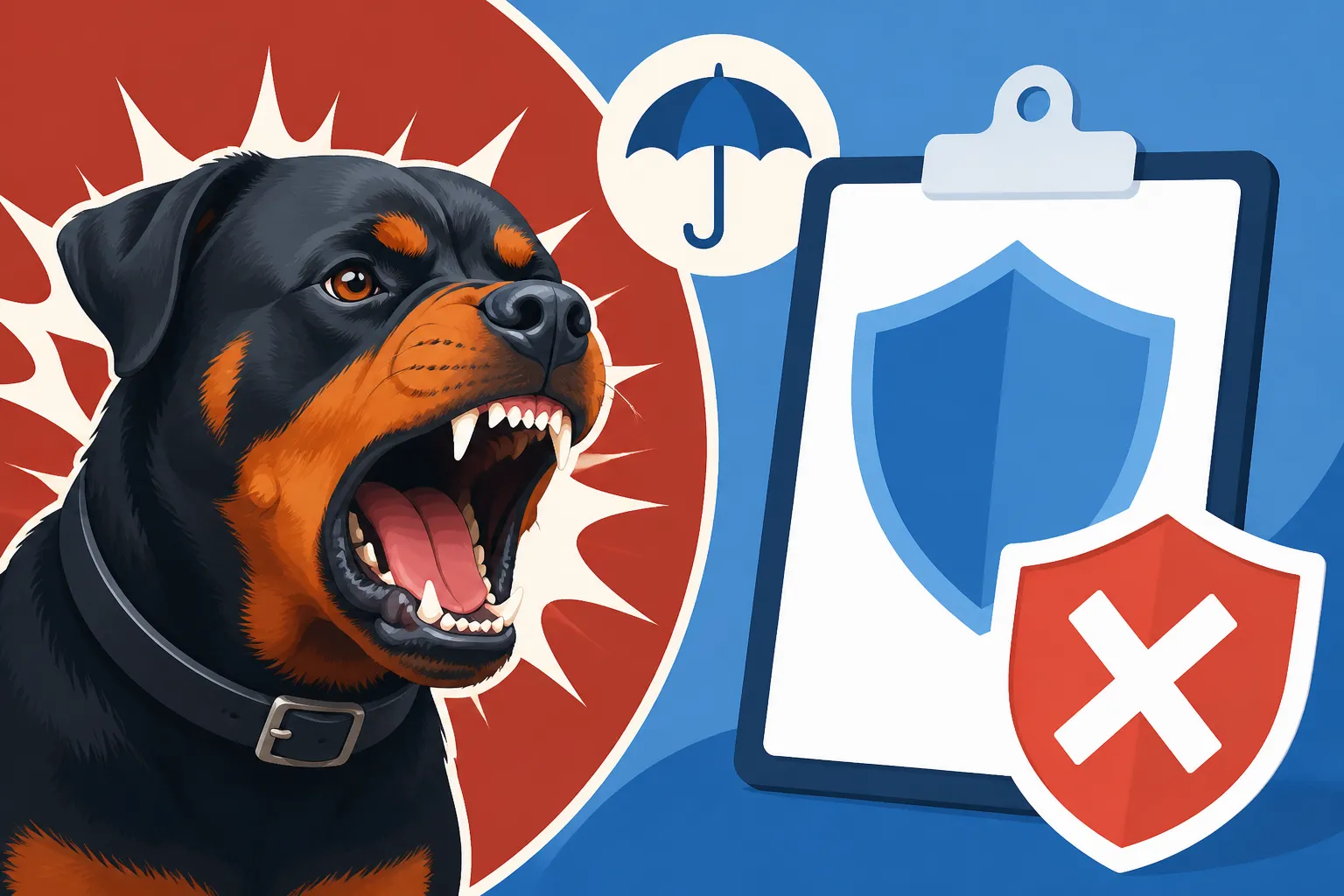
However, "typically" is the keyword here. The actual coverage depends heavily on the specifics of your policy and the insurer. Most policies have a liability limit, which can range from $100,000 to $500,000 or more. If a claim exceeds this limit, you, the homeowner, are personally responsible for the difference, which can be financially devastating in severe cases. This is why many Rottweiler owners wisely consider additional protection like an Umbrella Policies for a Rottweiler Household to add an extra layer of liability coverage above and beyond what their standard homeowners policy offers.
It’s important to understand that your homeowners insurance is designed to protect your assets from legal claims. When a dog bite claim is filed, the insurance company steps in to defend you and pay out damages up to your policy limits.
Breed-Specific Clauses and Restrictions
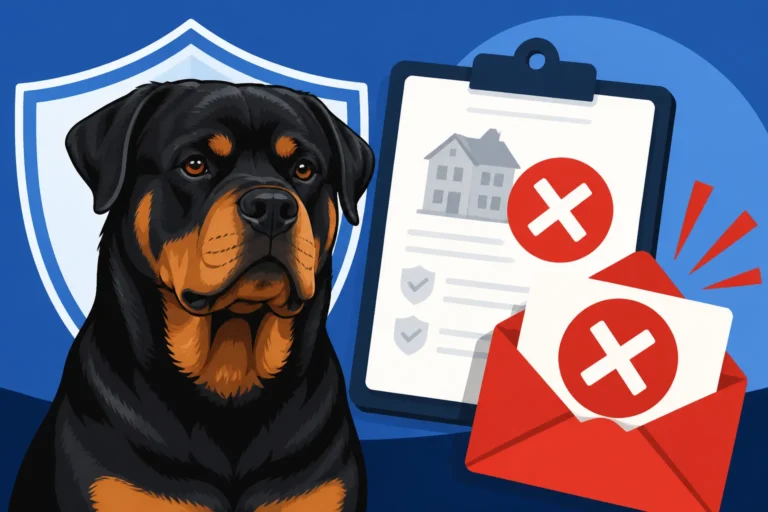
Here’s where it gets tricky for Rottweiler owners. Many insurance companies have specific rules regarding certain dog breeds, often including Rottweilers, based on perceived risk. These are known as "breed-specific clauses" or "restricted breed lists."
These clauses can manifest in several ways:
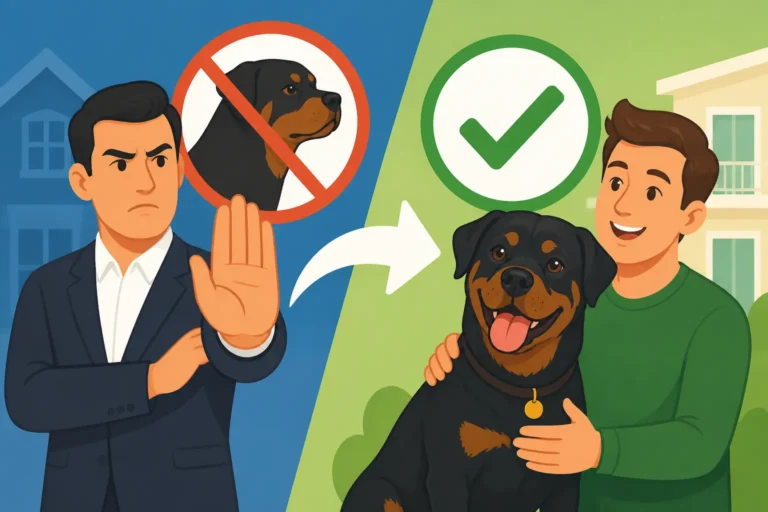
- Outright Denial: Some insurers might flat-out refuse to issue a policy to homeowners who own a Rottweiler, or they might deny renewal once they discover you have one.
- Exclusion: The policy might be issued, but with a specific exclusion for dog bite liability. This means if your Rottweiler bites someone, your insurance company will not cover any of the costs, leaving you entirely responsible.
- Increased Premiums: You might be able to get coverage, but at a significantly higher premium due to the breed of your dog. This is essentially the insurer trying to offset their perceived higher risk.
- Mandatory Requirements: Some insurers might require you to take specific measures, such as providing proof of obedience training, demonstrating your dog has a Canine Good Citizen (CGC) title, or installing a secure fence, to maintain coverage.
It's absolutely critical to review your policy documents thoroughly. Look for sections related to "animal liability," "dog bite coverage," or "excluded breeds." If you’re unsure, call your insurance agent directly and ask specific questions about your Rottweiler. Do not assume you are covered. Transparency with your insurer is always the best approach, even if the answers aren't what you want to hear. Trying to hide your dog can lead to your policy being voided for misrepresentation, which is far worse than facing a higher premium or finding a new provider.
What Happens When a Claim Is Filed After a Rottweiler Bite
So, a bite has occurred, you’ve gathered information, and now you need to notify your insurance company. This is often the most anxiety-inducing part, as the consequences can be severe.
The Claim Process and Investigation
Once you report the bite to your insurance provider, they will open a claim and begin an investigation. This is a standard procedure and doesn't automatically mean your policy will be voided. An insurance adjuster will be assigned to your case, and their job is to:
- Gather Facts: They will want your account of the incident, any witness statements, police or animal control reports, and medical records of the injured party.
- Assess Liability: They will determine who was at fault and to what extent. Factors like provocation, trespassing, or the dog's history will be considered. For example, if your Rottweiler was provoked or if the injured party was trespassing on your property, liability might be reduced or shifted.
- Evaluate Damages: They will assess the extent of the injured party's medical expenses, lost wages, and any claims for pain and suffering.
- Review Policy: They will cross-reference the incident with your specific policy terms and conditions, including any breed-specific clauses or exclusions you might have.
This investigation can take time, ranging from a few weeks to several months, depending on the complexity of the case and the severity of the injuries. During this period, it’s vital to cooperate fully with your adjuster, providing all requested documentation promptly. However, remember that their primary goal is to protect the insurance company's interests, so be honest but careful with your statements.
Policy Voiding, Non-Renewal, and Premium Increases
The outcome of a dog bite claim can vary dramatically:
- Policy Voiding: This is the most severe outcome. If the insurance company discovers you misrepresented facts during your application – for example, if you explicitly stated you did not own a Rottweiler when you did – they could declare your policy "void ab initio," meaning it was never valid from the start. In such a scenario, they would deny the claim entirely, and you would be responsible for all costs associated with the bite. This is rare but a very real risk of dishonesty. If your policy is voided, it will be incredibly difficult to find new homeowners insurance, and any future applications would have to disclose the voided policy, making it even harder.
- Claim Payout and Non-Renewal: More commonly, if your policy does cover the bite (meaning no breed exclusion or misrepresentation), the insurance company will pay out the claim up to your liability limits. However, after paying out a claim, especially a significant one involving a restricted breed, the insurer may decide not to renew your policy when it expires. This isn't voiding; it's simply their decision to no longer offer you coverage moving forward due to increased risk. You would then need to find a new insurer, which, again, could be challenging and lead to higher premiums.
- Claim Payout and Premium Increase: In some cases, particularly if the bite was minor or if your Rottweiler has an otherwise impeccable record, your policy might be renewed, but with a significant increase in your annual premium. This is the insurer's way of compensating for the heightened risk they now associate with your household. They might also impose new conditions, such as requiring a specific type of containment or proof of advanced training.
- Breed Exclusion Endorsement: Even if they don't non-renew, they might add a specific "canine liability exclusion" or "Rottweiler exclusion" to your renewed policy, meaning any future dog bites will not be covered. You need to read renewal notices very carefully.
The implications of any of these outcomes are profound. A non-renewal can leave you scrambling to find new coverage, often through specialty insurers who cater to higher-risk clients and charge substantially more. This process can be daunting, as many mainstream companies, including giants like State Farm or Farmers, might have their own policies regarding breeds they will or won't cover, or specific circumstances under which they provide coverage. Some insurers might offer coverage if you can demonstrate your dog has completed extensive training, like a Canine Good Citizen certificate. However, this varies widely.
Proactive Steps to Protect Yourself and Your Rottweiler
While no one can predict every scenario, there are concrete steps you can take to minimize the risk of a bite incident and protect your financial well-being as a responsible Rottweiler owner.
Prioritizing Training and Socialization
This is the cornerstone of responsible Rottweiler ownership. A well-trained and properly socialized Rottweiler is less likely to engage in aggressive behavior.
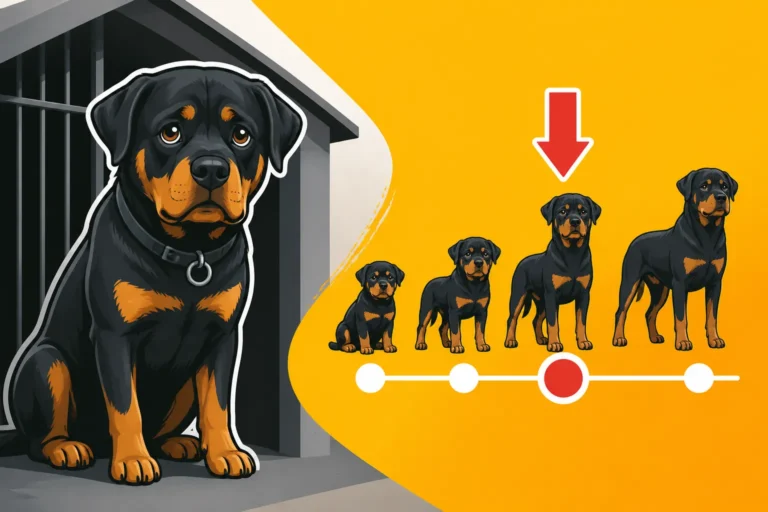
- Early and Consistent Training: Start training your Rottweiler puppy as early as possible. Basic obedience, like "sit," "stay," "come," and "leave it," are not just tricks; they are vital control commands. Consider professional puppy classes. Remember, training a Rottweiler cannot wait until six months when they start to get their adult size and strength. Even a small puppy needs to learn Teaching a Rottweiler Puppy That Teeth Hurt to prevent serious bite issues later.
- Bite Inhibition: Teaching your puppy appropriate bite inhibition is critical. This means they learn to control the pressure of their bite and to stop biting when a human yelps. This foundational skill, ideally learned from littermates and then reinforced by you, is invaluable.
- Socialization: Expose your Rottweiler puppy to a wide variety of people, places, sounds, and other friendly dogs during their critical socialization window, which ends around 16 weeks. This helps them become confident and well-adjusted adults, less likely to react fearfully or aggressively to novel situations. Rottweiler Socialization Before Sixteen Weeks is not just a recommendation; it's a necessity for preventing future behavioral problems. Continue with controlled, positive socialization experiences throughout their life.
- Leash Manners: A 100-pound Rottweiler that pulls on the leash is not just a nuisance; it's a safety hazard. Invest in Rottweiler Leash Manners at a Hundred Pounds training. A strong recall is also a must for off-leash safety. Consider reputable brands like Freedom No-Pull Harness or Gentle Leader head halters for better control on walks.
- Address Behavior Problems Early: Any sign of resource guarding, excessive barking, or reactivity should be addressed immediately with a qualified professional. Rottweiler Behavior Problems That Start Small can escalate quickly if not managed.
Exploring Insurance Options and Documentation
Being proactive about your insurance coverage is just as important as training your dog.
- Open Communication with Insurers: Be upfront with your current or prospective homeowners insurance company about owning a Rottweiler. Ask specific questions about their breed policies. Don't assume. Some insurance companies, for instance, might be more lenient if your Rottweiler has a Canine Good Citizen certification or if you carry additional liability insurance.
- Specialty Insurance: If you find yourself repeatedly denied coverage or facing prohibitive premiums with standard carriers, explore specialty insurance providers. These companies often cater to high-risk properties or owners of restricted breeds. They might have higher premiums, but they ensure you have coverage.
- Umbrella Liability Policies: As mentioned earlier, an umbrella policy provides additional liability coverage beyond your homeowners and auto insurance limits. It kicks in when the underlying policy's limits are exhausted, offering an extra layer of protection against large claims, including dog bites. This is a wise investment for any Rottweiler owner.
- Pet Insurance: While pet insurance like Healthy Paws doesn't cover third-party liability claims (it covers your pet's medical bills), it can help you afford crucial veterinary care if your Rottweiler is injured or needs behavioral modification that involves medical intervention. It’s a different type of protection but still valuable for responsible pet ownership.
- Document Everything: Keep meticulous records of your Rottweiler’s training, vet visits, vaccination history, and any certifications (like CGC). If a bite incident occurs, this documentation can demonstrate responsible ownership to your insurance company and, if necessary, in court. Documenting Rottweiler Training for an Insurer can be the difference between retaining coverage and losing it.
Creating a Safe Environment
Your home environment plays a significant role in preventing incidents.
- Secure Fencing: A robust, secure fence that your Rottweiler cannot dig under, jump over, or chew through is essential. Regular checks for weak spots are a must.
- Supervision: Never leave your Rottweiler unsupervised with children or unfamiliar visitors, even if your dog is usually good-natured. Accidents can happen in a split second. Rottweilers and Toddlers Under the Same Roof requires constant vigilance and proactive management.
- Controlled Introductions: When introducing your Rottweiler to new people or animals, do so in a controlled, calm, and positive manner. Use a leash and maintain control.
- Managing High-Risk Situations: Be aware of situations that might trigger stress or aggression in your dog. This could be meal times, when they have a favorite toy, or when they are startled while sleeping. Implement strategies to manage these, such as feeding your dog in a separate room.
By proactively taking these steps, you not only ensure the safety and well-being of your Rottweiler and your community but also significantly reduce the risk of a dog bite claim voiding or impacting your homeowners insurance policy. Companies like Chewy offer a wide range of secure crates and durable toys that can aid in creating a safe home environment and providing mental enrichment for your powerful dog, further reducing behavioral issues. Likewise, specialized dog food services such as Ollie can offer tailored nutritional plans that contribute to overall health and a calmer demeanor.
Here's a table summarizing potential outcomes and proactive measures:
| Scenario | Homeowners Insurance Outcome (Post-Bite) | Proactive Measures Recommended |
|---|---|---|
| Misrepresentation of Dog Ownership | Policy Voided; No Coverage | Always be honest with your insurer. Disclose all pets. Review policy for breed restrictions. |
| Policy with Breed Exclusion | Claim Denied; No Coverage | Review policy thoroughly. If excluded, seek specialty insurance or an insurer without breed-specific exclusions. Consider an umbrella policy. |
| First Bite, Covered by Policy | Claim Paid; Possible Non-Renewal or | Invest heavily in training and socialization (e.g., Training a Rottweiler Before It Outweighs You, Rottweiler Bite Inhibition and the Adult Mouth). Document all training. Consider an umbrella policy. |
| Premium Increase | ||
| Multiple Bites, Covered by Policy | Claim Paid; High Likelihood of | Seek professional behavioral intervention immediately. Reassess suitability of dog for home/lifestyle. Insurance will likely become extremely difficult to obtain. |
| Non-Renewal or Cancellation | ||
| Bite with Provocation/Trespassing | Claim Paid/Reduced Liability; | Maintain secure property boundaries. Clearly post warning signs. Ensure your dog is not left in situations where provocation is likely. |
| Variable Premium Impact | ||
| Preventative Measures in Place | Reduced Risk of Incident; Lower Claims | Consistent training, socialization, secure containment, supervision. Regular vet checks. Consider The Five Clearances a Rottweiler Breeder Must Have when selecting a puppy to ensure good genetics that contribute to health and temperament. Maintain detailed records of your Rottweiler's health and training. |
Disclaimer
This article is intended for informational purposes only and does not constitute legal or insurance advice. Always consult with a qualified insurance professional and legal counsel regarding your specific policy and circumstances. Insurance policies and regulations vary by state and provider.