The OFA and JLPP Paperwork That Comes With a Rottweiler
Bringing a Rottweiler puppy into your life is an incredibly exciting time, but it can also be filled with a lot of questions, especially when it comes to understanding all the health paperwork. Many prospective owners feel overwhelmed by terms like "OFA clearances" and "JLPP results," unsure what they mean or why they're so crucial. This guide is here to demystify that documentation, explaining exactly what health papers you should expect to receive with a Rottweiler and why they are vital for ensuring you bring home a healthy, well-bred companion.
Understanding OFA Clearances and Why They Matter
When you're looking at Rottweiler puppies, the term "OFA clearances" will come up almost immediately if you're talking to a responsible breeder. It's not just a fancy acronym; it represents a commitment to the long-term health and well-being of the breed. Without understanding what the Orthopedic Foundation for Animals (OFA) does, you're essentially walking blind into potential health issues that can devastate both your wallet and your heart down the line.
What is the Orthopedic Foundation for Animals OFA?
The Orthopedic Foundation for Animals (OFA) is a not-for-profit organization established in 1966 that's dedicated to improving the health and welfare of companion animals through a reduction in the incidence of genetic disease. Essentially, they act as a central database and certification body for various canine health tests. Think of them as a critical watchdog for breed health. When a breeder talks about "OFA clear parents," they're referring to the fact that their breeding dogs have undergone specific health screenings for inheritable conditions common in the breed, and the results have been reviewed and certified by veterinary specialists. This isn't just a simple vet check-up; these are specialized evaluations, often involving radiographs (X-rays) or clinical examinations, submitted to a panel of experts for an impartial assessment. For a large breed like the Rottweiler, prone to certain orthopedic and cardiac issues, OFA certifications are a non-negotiable benchmark for ethical breeding.
Decoding OFA Certifications for Hips and Elbows
The most well-known and often discussed OFA certifications for Rottweilers are for hips and elbows. These are absolutely crucial because Rottweilers, like many large and giant breeds, are predisposed to conditions like hip dysplasia and elbow dysplasia. These are debilitating genetic conditions that can cause chronic pain, arthritis, and significantly impact a dog's quality of life, leading to expensive surgeries or lifelong pain management.
When a breeder submits X-rays of their dog's hips and elbows to the OFA, a panel of three independent, board-certified veterinary radiologists reviews them. They assess the joint conformation for any signs of dysplasia. For hips, the grades range from Excellent, Good, Fair (all considered passing and acceptable for breeding) to Borderline, Mild, Moderate, and Severe (all considered dysplastic and not recommended for breeding). For elbows, the grades are Normal (Grade 0 – acceptable for breeding) or Dysplastic (Grades 1, 2, or 3 – not recommended for breeding).
It's vital to remember that these X-rays can only be taken once the dog is at least 24 months old. This means a responsible breeder won't be breeding a dog until it's fully mature and has received its final OFA clearances. If a breeder offers you a puppy from parents younger than two years old without mentioning preliminary clearances, or worse, has no OFA records at all, that's a massive red flag. You'll want to specifically ask to see the OFA certificates for both parents, noting the date of the evaluation and the grade received. Understanding the nuances of Rottweiler Hip Dysplasia and the OFA Grade and Rottweiler Elbow X-Rays Taken at Twenty-Four Months is key to making an informed decision.
Here's a simple breakdown of OFA grades you might encounter:
| Joint Assessment | OFA Grade | Breeding Recommendation | Common Implications |
|---|---|---|---|
| Hips | Excellent | Acceptable | Ideal joint conformation. |
| Good | Acceptable | Good joint conformation. | |
| Fair | Acceptable | Minor irregularities, still functional. | |
| Borderline | Not Recommended | Some indications of dysplasia. | |
| Mild | Not Recommended | Definitive signs of dysplasia. | |
| Moderate | Not Recommended | Significant dysplasia. | |
| Severe | Not Recommended | Extreme dysplasia, very poor conformation. | |
| Elbows | Normal (Grade 0) | Acceptable | No evidence of elbow dysplasia. |
| Grade 1 | Not Recommended | Mild elbow dysplasia. | |
| Grade 2 | Not Recommended | Moderate elbow dysplasia. | |
| Grade 3 | Not Recommended | Severe elbow dysplasia. |
Beyond Hips and Elbows: Other Key OFA Clearances
While hip and elbow clearances are paramount for Rottweilers, they are by no means the only health screenings responsible breeders should pursue. The OFA offers certifications for a range of other conditions that can affect the breed. For Rottweilers, you should also inquire about:
- Cardiac Clearance: This involves a physical examination by a board-certified veterinary cardiologist to screen for congenital heart diseases, most notably Subaortic Stenosis (SAS). SAS is a serious, often fatal, condition that can affect Rottweilers. An OFA cardiac certification indicates that the dog has been evaluated by a specialist and found to be free of murmurs or other signs of heart disease. You can learn more about Subaortic Stenosis in Rottweiler Puppies for deeper insight.
- Eye Certification: Performed by a board-certified veterinary ophthalmologist, this screening looks for inheritable eye conditions like entropion, ectropion, or cataracts. The OFA Eye Certification Registry (CAER) issues certificates, and these exams should ideally be done annually or every few years, as some conditions can develop later in life. This is why Rottweiler Eye Exams Recertified Every Three Years is a common recommendation.
- Thyroid Certification: Hypothyroidism, an underactive thyroid gland, can lead to a host of health problems including skin issues, weight gain, and lethargy. OFA offers thyroid certification based on blood tests.
- JLPP (Juvenile Laryngeal Paralysis & Polyneuropathy) DNA Test: While not an "OFA clearance" in the traditional sense of a physical examination or X-ray review, the OFA database does register and publish results for DNA tests, including JLPP. This is a critical genetic test for Rottweilers, and we'll delve deeper into it shortly.
- Patella Evaluation: Though less common as a major issue in Rottweilers compared to smaller breeds, luxating patellas (slipping kneecaps) can occur, and some breeders opt for OFA patella certifications.
A truly responsible breeder will have documentation for The Five Clearances a Rottweiler Breeder Must Have as part of their health testing regimen. This comprehensive approach significantly increases the likelihood that your puppy will live a long, healthy life free from preventable genetic ailments.
Navigating the JLPP DNA Test for Rottweilers
Beyond the structural and organ health clearances, modern dog breeding places a huge emphasis on genetic screening, and for Rottweilers, the JLPP DNA test is paramount. This isn't something to overlook; it's a critical piece of the health puzzle that directly impacts a puppy's neurological future.
What is JLPP and Why is it Critical for Rottweilers?
JLPP stands for Juvenile Laryngeal Paralysis & Polyneuropathy. It's a devastating, progressive, and incurable neurological disease specific to Rottweilers (and some related breeds). Affected puppies typically start showing symptoms between 3 and 6 months of age, though sometimes as early as 8 weeks or as late as a year. The disease primarily affects the nerves that control the larynx (voice box) and limbs.
Imagine a bright, energetic puppy gradually losing its voice, struggling to breathe, and then developing weakness in its legs, eventually leading to difficulty walking, swallowing, and even eating. This is the tragic reality of JLPP. Symptoms often begin with a change in bark quality – it might become hoarse or weak – followed by signs of laryngeal paralysis, where the airway doesn't open fully, leading to noisy breathing, gagging, and difficulty eating. As the disease progresses, puppies develop hind limb weakness, muscle wasting, and uncoordinated gaits. Tragically, due to aspiration pneumonia and severe neurological decline, most affected puppies are euthanized before their first birthday. This makes the JLPP test not just important, but absolutely critical for the breed's future. For more details, see JLPP and the Rottweiler DNA Test.
Understanding JLPP Test Results: Carrier, Clear, Affected
Fortunately, JLPP is a recessive genetic disease. This means a puppy must inherit two copies of the defective gene (one from each parent) to be affected. If a puppy only inherits one copy, it will be a "carrier" but will not show symptoms of the disease. Understanding these distinctions is vital when reviewing a parent dog's JLPP test results:
- Clear (N/N): This means the dog has two normal copies of the gene and cannot develop JLPP or pass the affected gene to its offspring. A clear dog is the safest breeding partner.
- Carrier (N/P or N/JLPP): This means the dog has one normal copy and one copy of the affected gene. A carrier dog will not develop JLPP symptoms itself, but it can pass the affected gene to approximately 50% of its offspring.
- Affected (P/P or JLPP/JLPP): This means the dog has two copies of the affected gene. An affected dog will develop JLPP and will pass an affected gene to 100% of its offspring. Breeding an affected dog is highly unethical and should never happen.
The most important rule in breeding Rottweilers, to prevent producing affected puppies, is that at least one parent must be genetically clear of JLPP. If you breed a Clear dog to a Carrier, you can produce Clear and Carrier puppies, but no Affected ones. If you breed two Carriers, you risk producing Clear, Carrier, and Affected puppies (25% chance of affected). Therefore, a responsible breeder will only breed a Carrier dog to a Clear dog, ensuring no affected puppies are born. This is why it's a fundamental principle that Why One Rottweiler Parent Must Test Clear is followed without exception.
When examining paperwork, you need to see the official DNA test results for JLPP for both the sire (father) and dam (mother) of your prospective puppy. These results are typically issued by reputable veterinary genetic testing labs like Embark, Optimal Selection, or Animal Genetics. Ensure the dog's microchip or tattoo number is on the certificate, matching the dog's registration details, to confirm the results belong to the correct animal.
Your Role in Reviewing Rottweiler Health Paperwork
So, you've learned what to look for. Now comes the crucial step: actually getting your hands on the paperwork and knowing what to do with it. This is where your due diligence truly comes into play, and it’s a moment where you need to be assertive and thorough. Don't be shy about asking questions or requesting clarification; a good breeder will welcome your scrutiny.
Verifying Documentation and Microchips
Once a breeder presents you with health clearances, your job isn't over. You need to verify them. The good news is that reputable organizations like the OFA make this process quite transparent.
For OFA certifications:
- Ask for OFA Numbers: Every dog that receives an OFA certification is assigned an OFA number. This number is unique to that dog and its specific clearance (e.g., a hip OFA number, an elbow OFA number).
- Visit the OFA Website: Go to the Orthopedic Foundation for Animals (OFA) website (ofa.org). They have a public search database where you can enter the dog's registered name, part of its name, or its OFA number.
- Confirm Results: Once you find the dog, you should see all its public health clearances listed: hips, elbows, cardiac, eyes, etc. Critically, confirm that the grades match what the breeder told you and that the certification dates are appropriate (e.g., hips and elbows after 24 months of age). You'll also want to see the dog's microchip number listed on the OFA records.
For JLPP DNA test results:
- Request Official Lab Reports: Ask for the actual laboratory reports from the genetic testing company (e.g., Embark, Optimal Selection, Animal Genetics). These reports will clearly state the dog's name, its registration number (if applicable), and most importantly, its microchip or tattoo number.
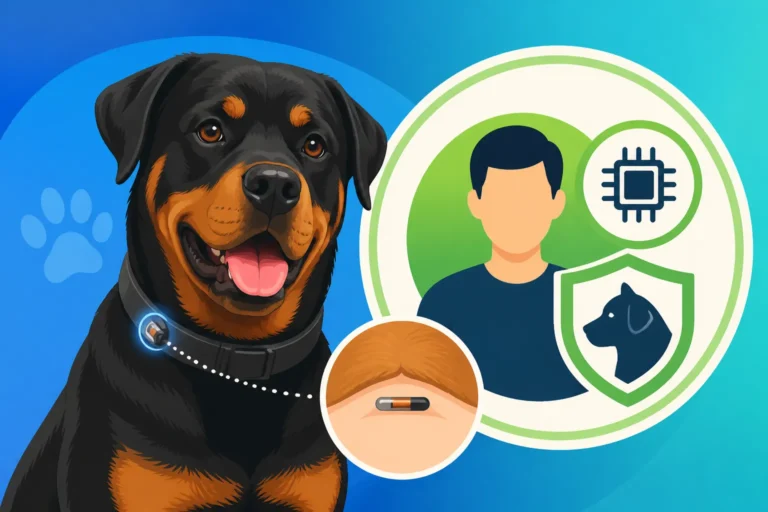
- Cross-Reference Microchip: Verify that the microchip number on the JLPP report matches the microchip number of the parent dog, and ideally, the microchip that will be in your puppy (if the parents were microchipped before testing, which is standard). This is critical to ensure the results genuinely belong to the breeding dog. Why Rottweiler CHIC Starts With a Microchip emphasizes this importance for overall health tracking.
This verification process might seem like an extra step, but it's your best defense against unscrupulous individuals who might forge documents or misrepresent a dog's health status. A breeder who is hesitant or refuses to provide this information or allow you to verify it should be a major warning sign.
What to Do When Paperwork is Missing or Incomplete
Encountering missing or incomplete paperwork is a serious red flag that should prompt you to walk away from a potential purchase. Here's a breakdown of scenarios and what they imply:
- "We don't do OFA clearances for all our dogs, only the ones we show." This is simply unacceptable for a breed like the Rottweiler. Health testing is paramount for all breeding animals, regardless of whether they are show dogs or not. It indicates a lack of commitment to breed health.
- "The parents are too young for hip/elbow clearances." If the parents are under 24 months of age, they cannot have final OFA hip and elbow certifications. Breeding dogs before they are fully cleared for these critical conditions is irresponsible. While preliminary clearances exist, they are not final and a responsible breeder will wait for the final clearances before breeding.
- "We just haven't gotten around to sending the paperwork in." This is a weak excuse. Health clearances are a fundamental part of responsible breeding, and good breeders have their paperwork in order well in advance.
- "We don't believe in DNA tests like JLPP." This is a deal-breaker for Rottweilers. JLPP is a devastating disease that can be completely avoided with proper genetic testing. A breeder who dismisses it is putting puppies and their future owners at immense risk.
- "The vet said they looked good, so we didn't send them to OFA." A regular vet check-up is not a substitute for OFA board-certified specialist evaluations. The rigor and impartiality of OFA are what make it trustworthy.
- Incomplete or Unreadable Documents: If the documents provided are blurry, look altered, or are missing key information like microchip numbers or official stamps/signatures, treat this with extreme suspicion.
If you encounter any of these situations, or if your gut feeling tells you something is off, it’s best to pause. Politely express your concerns and, if they cannot be adequately addressed with verifiable, official documentation, walk away. While it might be disappointing to lose out on a particular puppy, remember that you are not just buying a pet; you are making a commitment to a living creature and potentially investing a significant amount of money and emotional energy. Cutting corners on health clearances upfront almost always leads to heartache and massive veterinary bills later. Remember, What a Health-Tested Rottweiler Puppy Costs often reflects the effort and expense a breeder puts into these crucial health screenings.
The Long-Term Impact of Proper Health Clearances
Choosing a Rottweiler puppy from health-tested parents isn't just about getting a piece of paper; it's about making a profound difference in the life of your future companion and avoiding potential heartbreak and financial strain. This decision echoes throughout your dog's entire life.
Protecting Your Investment and Your Rottweiler's Health
When you invest in a Rottweiler from health-tested parents, you're not just buying a puppy; you're buying peace of mind. While no health guarantee is absolute – dogs are living beings, and unforeseen illnesses can always arise – having parents cleared for major inheritable conditions drastically reduces the likelihood of your puppy developing debilitating issues like hip or elbow dysplasia, or succumbing to JLPP.
Consider the alternative: bringing home a puppy from untested parents. This is akin to playing Russian roulette with your dog's health. If your Rottweiler develops severe hip dysplasia, the costs for diagnosis, pain management, and potential surgeries (like total hip replacement) can run into the tens of thousands of dollars. The emotional toll of watching your beloved dog suffer through chronic pain and limited mobility is immeasurable. Similarly, dealing with the swift and devastating progression of JLPP is heartbreaking.
Beyond the immediate costs, a healthy Rottweiler generally lives a happier, more active life. They can enjoy walks, playtime, and training without pain, truly fulfilling their potential as loving companions. This proactive approach to health can also positively impact their overall Rottweiler Lifespan and the Eight to Ten Year Average. Even with the best clearances, issues can arise, which is why Rottweiler Pet Insurance and the $204 Average is a wise consideration. Companies like Healthy Paws or Chewy often offer pet insurance plans that can help manage unexpected veterinary costs, but pre-existing conditions (often linked to unknown genetic issues) are usually excluded. Starting with a healthy foundation is the best strategy.
Supporting Responsible Rottweiler Breeding
Every time you choose a puppy from a breeder who diligently performs health clearances and provides transparent documentation, you are casting a vote for ethical breeding practices. You are signaling that the health and welfare of the dogs come before profit or convenience. This helps elevate the standard for the entire Rottweiler breed.
Conversely, buying from breeders who cut corners, don't test, or are vague about health history only perpetuates poor breeding practices. It creates a market for unhealthy dogs, ultimately leading to more suffering and more heartache for families. Responsible breeders invest significant time, effort, and money into health testing, proper nutrition, and early socialization for their puppies. This dedication is reflected in the quality and temperament of their dogs. By supporting them, you encourage the continuation of these vital practices, helping to produce Rottweilers that are not only beautiful and well-tempered but also robust and healthy for generations to come. Your choice as a puppy buyer has a direct impact on the future of the Rottweiler breed.
Disclaimer
The information provided in this article is for general educational purposes only and is not a substitute for professional veterinary advice. Always consult with a qualified veterinarian for any health concerns or before making any decisions related to your Rottweiler's health or care.