Preventive Gastropexy Pricing for a Rottweiler
The thought of your magnificent Rottweiler suddenly experiencing bloat is enough to send shivers down any dog owner's spine. It's a terrifying, life-threatening emergency that can strike without warning, and for us Rottweiler parents, the risk feels particularly heavy. This guide is here to walk you through everything you need to know about preventive gastropexy, a procedure designed to dramatically reduce that risk, focusing specifically on the pricing and what goes into those costs, so you can make an informed decision for your beloved companion.
Understanding Gastric Dilatation-Volvulus (Bloat) in Rottweilers
Gastric Dilatation-Volvulus, or GDV, commonly known as bloat, is not just an upset stomach; it's a critical, rapidly progressing condition where your dog's stomach fills with gas, food, or fluid (dilatation) and then twists upon itself (volvulus). When the stomach twists, it cuts off blood supply to the stomach and often the spleen, and can prevent gas from escaping, leading to a catastrophic chain reaction in the body. It’s truly one of the most frightening emergencies a large dog owner can face.
The Sudden and Devastating Onset
One of the most insidious things about bloat is how quickly it can escalate from seemingly minor discomfort to a life-threatening crisis. Many owners report their dog was fine one moment, perhaps just finished eating or playing, and then within an hour or two, they noticed restlessness, unproductive retching, a distended abdomen, and obvious pain. Time is of the essence when bloat strikes; every minute counts. Without immediate veterinary intervention, often surgical, the prognosis rapidly worsens. We've all heard the heartbreaking stories, or perhaps experienced the terror ourselves, of rushing a dog to an emergency clinic in the dead of night, knowing the stakes are incredibly high. It’s truly a race against the clock.
The early signs can be subtle. Your Rottweiler might pace nervously, try to vomit but bring nothing up, or stand with their head down, looking generally uncomfortable. As it progresses, their abdomen will become noticeably distended and hard to the touch, and they may drool excessively, show signs of shock (pale gums, rapid heart rate), and collapse. These are the moments when you just drop everything and go. Many times, by the time these more obvious signs appear, the stomach has already twisted, and significant damage is occurring. This is why understanding the risk and considering preventive measures is so crucial for our breed. If you want to learn more about the early warning signs, you can read our guide on Recognizing Bloat in a Rottweiler.
Why Rottweilers Are High Risk
It's a stark reality that Rottweilers, along with other large, deep-chested breeds like Great Danes, German Shepherds, and Standard Poodles, are disproportionately susceptible to bloat. While the exact cause isn't fully understood, several factors contribute to this increased risk. Their deep, narrow chest conformation allows for more room for the stomach to shift and twist when it becomes distended. Genetics also play a role, with some lines showing a higher incidence.
Beyond breed predisposition, lifestyle factors can also influence risk, though none are definitive causes. Eating one large meal a day, eating rapidly, exercising too soon after eating, stress, and even older age have all been implicated. However, it's important to understand that even with careful management, a susceptible Rottweiler can still bloat. This inherent vulnerability is precisely why so many Rottweiler owners, myself included, grapple with the decision of whether to pursue preventive measures. It's not about what you did or didn't do; it's often an unfortunate lottery based on breed-specific physiology. For more details on factors that contribute to this condition, check out our piece on Which Rottweilers Are Most Likely to Bloat.
What is a Preventive Gastropexy?
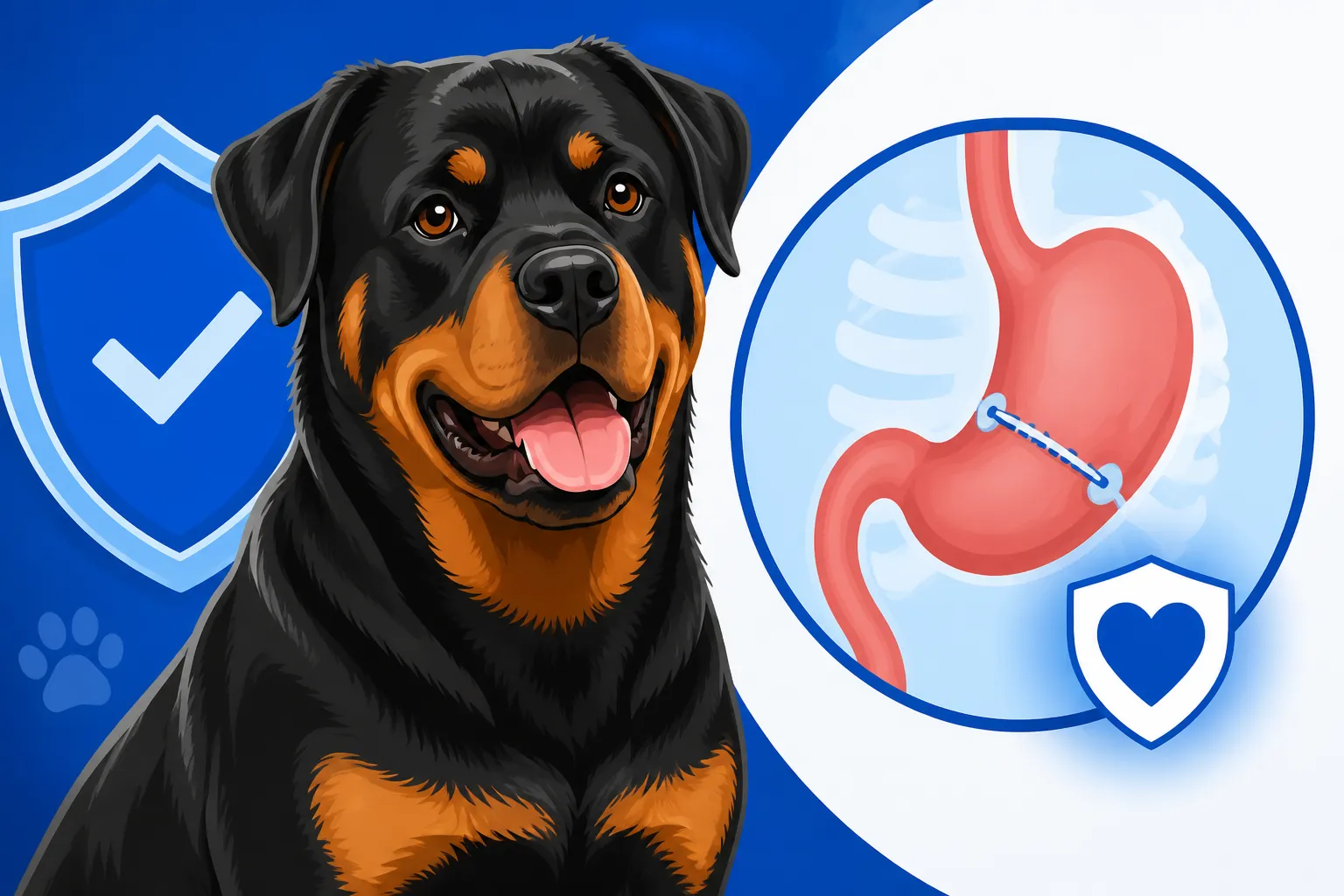
A preventive gastropexy is a surgical procedure specifically designed to prevent the stomach from twisting in dogs susceptible to bloat. It's not a cure for bloat itself, as the stomach can still dilate, but it permanently attaches the stomach to the abdominal wall, preventing it from rotating. This means that if your Rottweiler's stomach fills with gas, it can still expand, but it can't twist into the life-threatening position of GDV.
How the Procedure Works
During a gastropexy, a section of the stomach wall is surgically sutured to the inside of the abdominal wall. Imagine it like creating a permanent anchor point. This attachment prevents the stomach from twisting on its axis, which is the "volvulus" part of GDV that causes the most immediate and severe danger. While the stomach can still distend with gas, which can be uncomfortable and still requires veterinary attention, it won't rotate and cut off blood flow, giving you precious time to get your dog to the vet. This drastically changes a potentially fatal emergency into a serious but manageable situation.
The goal is to keep that stomach in place. There are different ways to achieve this, from traditional open surgery to minimally invasive techniques, and the choice of method can significantly impact the recovery time and, yes, the cost. However, the fundamental outcome – a securely anchored stomach – remains the same, providing that crucial peace of mind for owners of at-risk breeds like the Rottweiler. If you're curious about the specific methods, keep reading, or delve deeper into how this procedure actively prevents the stomach from twisting by reading our post on Gastropexy to Prevent Rottweiler Bloat.
Different Surgical Techniques
There are primarily two main approaches to performing a preventive gastropexy: traditional open surgery and laparoscopic (minimally invasive) surgery. Each has its pros and cons, which often directly relate to recovery time and, of course, the price tag.
Traditional Open Gastropexy: This is the most common and often the most affordable method. It involves a single, larger incision down the midline of your Rottweiler's abdomen, similar to what's done for a spay or neuter, but usually a bit longer. The surgeon then directly visualizes the stomach and abdominal wall, creating the attachment with sutures. The recovery time for this method is typically longer due to the larger incision, requiring more restricted activity for several weeks. This approach is reliable and has been successfully performed for decades, offering a solid solution.
Laparoscopic Gastropexy: This technique is far less invasive and generally involves two or three small incisions, usually less than an inch long. A small camera (laparoscope) is inserted through one incision, allowing the surgeon to see inside the abdomen on a monitor. Specialized instruments are then used through the other small incisions to perform the gastropexy. The benefits of laparoscopic surgery often include less pain, smaller scars, and a much faster recovery time with less post-operative discomfort. However, it requires specialized equipment and training, which means it usually comes with a significantly higher price tag. Some clinics even offer a hybrid approach, using laparoscopy to locate the stomach and then a small incision to perform the pexy. The decision often comes down to your budget and what your veterinary clinic offers.
Factors Influencing Gastropexy Cost
When you start inquiring about the cost of a preventive gastropexy for your Rottweiler, you'll quickly realize that there isn't one single price. The total bill can vary quite a bit, depending on a range of factors that are worth understanding. It’s not just the surgery itself, but all the associated care that contributes to the final cost.
Geographic Location and Clinic Type
Just like human healthcare, veterinary costs are heavily influenced by where you live and the type of facility you choose. A preventive gastropexy performed in a bustling metropolitan area, like Los Angeles or New York City, will almost certainly cost more than the same procedure in a rural town in, say, Kansas or Nebraska. The cost of living, overhead for the veterinary practice, and local competition all play a role in setting prices.
Beyond geography, the type of clinic also matters. A high-volume, general practice veterinary clinic might offer more competitive pricing for routine procedures, including gastropexy, compared to a specialized surgical center or a university veterinary teaching hospital. While specialty centers often have state-of-the-art equipment and board-certified surgeons with extensive experience, these advantages come at a premium. When considering quotes, always ask what’s included in the estimate to compare apples to apples. You might find a general practice vet who has extensive experience with the procedure, offering excellent care at a more accessible price point.
Anesthesia and Monitoring
Anesthesia is a significant component of any surgery, and for a large breed like a Rottweiler, it's particularly important to consider. The cost of anesthesia isn't just about the drugs themselves; it encompasses the expertise of the veterinary team monitoring your dog throughout the entire procedure. This includes the dedicated technician who tracks vital signs like heart rate, respiration, blood pressure, oxygen saturation, and temperature, ensuring your Rottweiler remains stable and safe under sedation.
Older Rottweilers, or those with underlying health conditions such as a heart murmur or other pre-existing issues, may require more complex anesthesia protocols and more intensive monitoring, driving up the cost. For example, a Rottweiler might require specific anesthetic agents or continuous ECG monitoring. The quality of anesthetic monitoring equipment also varies between clinics, with advanced multi-parameter monitors adding to the cost but also enhancing safety. It’s not something you want to skimp on, as proper anesthesia management is crucial for a smooth and safe surgical experience for your big dog.
Pre-Surgical Bloodwork and Diagnostics
Before any major surgery, a comprehensive pre-surgical workup is essential to ensure your Rottweiler is a good candidate for anesthesia and the procedure itself. This typically includes a full panel of blood tests, such as a complete blood count (CBC) and a biochemistry profile. These tests help your vet assess organ function, check for infections, anemia, or any clotting abnormalities that could complicate surgery.
In some cases, especially for older Rottweilers or those with suspected underlying issues, additional diagnostics might be recommended. This could include chest X-rays to check lung and heart health, an electrocardiogram (ECG) to screen for heart arrhythmias, or even an ultrasound. While these diagnostics add to the overall cost, they are vital for identifying potential risks and tailoring the anesthetic and surgical plan to your individual dog. Skipping these steps to save money can put your Rottweiler at unnecessary risk, and most reputable clinics will insist on them as a standard of care.
Post-Operative Care and Medications
The care doesn't stop once the sutures are in place. Post-operative care is a critical part of the recovery process and contributes to the total cost. This includes the pain medications your Rottweiler will need to manage discomfort after surgery, such as NSAIDs (non-steroidal anti-inflammatory drugs) or opioids, as well as antibiotics if there's any concern for infection. These medications need to be dosed specifically for a dog your Rottweiler's size, which can mean higher costs compared to smaller breeds.
You'll also likely need an Elizabethan collar (the "cone of shame") to prevent your Rottweiler from licking or chewing at the incision site, which can lead to infection or reopening of the wound. Follow-up appointments to check the incision and remove sutures are also typically part of the post-op care. Depending on the surgical technique, your Rottweiler might need more intensive monitoring for a day or two post-op, which means additional hospitalization costs. Ensuring a smooth recovery with proper pain management and wound care is paramount for the success of the gastropexy and your Rottweiler's comfort.
Typical Price Ranges for Preventive Gastropexy
Now, let's talk numbers. Because of all the variables we just discussed, the cost for a preventive gastropexy can vary significantly. However, we can provide some general ranges to give you an idea of what to expect, recognizing that these are estimates and actual costs will depend on your specific circumstances and veterinary provider.
Traditional Open Surgery Costs
For a traditional open gastropexy, where a single, larger incision is made, you can typically expect the cost to range from $800 to $2,000. This range usually includes the surgery itself, anesthesia, basic monitoring, and initial pain medications. It’s important to remember that this is often the base cost, and the pre-surgical bloodwork, additional diagnostics, and extended post-operative medications might be billed separately.
Some clinics, particularly in areas with lower veterinary costs, might offer the procedure closer to the lower end of this spectrum, while more expensive regions or clinics with extensive post-operative monitoring might lean towards the higher end. This method is generally the most budget-friendly surgical option, while still offering excellent protection against gastric volvulus. It's a tried-and-true method that many vets are proficient in.
Laparoscopic Gastropexy Pricing
Laparoscopic gastropexy, being a more advanced and minimally invasive technique, generally comes with a higher price tag. For this procedure, you might anticipate costs ranging from $1,500 to $4,000 or more. The higher cost reflects the specialized equipment required (laparoscopes, cameras, specialized instruments), the additional training and expertise of the surgical team, and often the reduced recovery time and discomfort for your dog.
While the upfront cost is higher, some owners feel the benefits of a quicker, less painful recovery for their large Rottweiler are worth the investment. Again, this range is an estimate and may or may not include all the pre- and post-surgical care. If you're considering this option, definitely ask for a detailed breakdown from your vet and inquire about any additional fees that might not be immediately obvious.
Combining with Spay/Neuter
One of the most common and often recommended approaches for preventive gastropexy is to combine it with a routine spay or neuter procedure. This is a highly practical and often cost-effective strategy because your Rottweiler is already under anesthesia for another necessary surgery. By performing both procedures at the same time, you only pay for one round of anesthesia and one hospitalization period, significantly reducing the overall financial burden compared to two separate surgeries.
Many vets are skilled at performing a gastropexy concurrently with a spay or neuter, especially using the traditional open technique, as the incision can often be adapted. The cost for adding a gastropexy to a spay or neuter might be an additional $300 to $800 on top of the base spay/neuter fee, which itself can range from $300-$700 for a Rottweiler. This combined approach is particularly smart for young Rottweilers, ideally before their growth plates fully close, allowing them to benefit from the protection for their entire adult life. For more information on combining procedures, especially during a spay or neuter, check out our article on Gastropexy Done During a Rottweiler Spay or Neuter.
Here’s a simplified table illustrating typical price ranges:
| Procedure Type | Estimated Cost Range (USD) | Key Considerations |
|---|---|---|
| Traditional Open Gastropexy (Standalone) | $800 – $2,000 | Larger incision, longer recovery, generally lower cost. |
| Laparoscopic Gastropexy (Standalone) | $1,500 – $4,000+ | Smaller incisions, faster recovery, higher cost due to specialized equipment/training. |
| Gastropexy Added to Spay/Neuter | Additional $300 – $800 (on top of S/N) | Most cost-effective, one anesthesia event, often recommended for young Rottweilers. |
| Emergency Bloat Surgery | $3,000 – $10,000+ | Critical emergency, higher risk, includes stabilization, surgery, extensive post-op care. Often a far higher bill. |
Note: These are estimates and do not include initial exams, extensive diagnostics, or prolonged post-operative complications.
Cost-Saving Strategies and Financial Planning
The cost of preventive gastropexy can feel substantial, but there are ways to plan for it and potentially mitigate the financial impact. Thinking ahead and understanding your options can make a big difference in making this important procedure accessible for your Rottweiler.
Pet Insurance Coverage for Gastropexy
This is where pet insurance can truly shine for large breed owners. Many comprehensive pet insurance policies, especially those purchased when your Rottweiler is a puppy and before any health issues arise, will cover preventive gastropexy. Since it's a preventive surgery, it's typically covered under accident and illness plans, provided it's not considered a pre-existing condition. Companies like Healthy Paws are well-regarded for their comprehensive coverage, and many owners find that a good policy can cover a significant portion of unexpected vet bills, including major surgeries like a gastropexy.
However, it's crucial to read the fine print of any policy. Check for waiting periods, annual limits, deductibles, and reimbursement percentages. Some policies might classify a preventive gastropexy differently, so always confirm coverage directly with your insurer. Enrolling your Rottweiler in pet insurance early is key, as most policies won't cover conditions that are already known or diagnosed before coverage begins. Given that the average monthly premium for a Rottweiler can be around $204, it's an investment, but one that can pay off exponentially if a major health event or planned preventive surgery like this arises. Understanding the ins and outs of pet insurance for a breed like ours is paramount; you can read more about Rottweiler Pet Insurance and the $204 Average.
Vet Payment Plans and Financing Options
If pet insurance isn't an option or doesn't cover the full cost, many veterinary clinics understand the financial burden of large procedures and offer various payment solutions. Don't be afraid to discuss your financial concerns with your vet's office manager. They often have experience with these situations and can guide you through available options.
Common options include:
- In-house payment plans: Some clinics offer their own installment plans, allowing you to pay the cost over several months. These are usually interest-free but require prior approval and a good payment history.
- Third-party financing: Companies like CareCredit or Scratchpay specifically offer healthcare financing for pets. These services function like credit cards for medical expenses, often with deferred interest options if paid within a certain timeframe. They can be a lifesaver for unexpected or planned large veterinary bills.
- Negotiating costs: While not always possible, sometimes clinics can offer slight adjustments or suggest a less expensive alternative if cost is a major barrier. It never hurts to have an open conversation about your budget.
Remember, your vet wants to provide the best care for your Rottweiler, and they are usually willing to work with you to find a viable financial solution.
Choosing the Right Time for the Procedure
Timing can indirectly influence the cost and overall benefit of a preventive gastropexy. The most opportune time to perform this surgery is often when your Rottweiler is already undergoing another procedure, such as a spay or neuter, as discussed earlier. This saves on a separate anesthesia event and recovery period. For male Rottweilers, getting a gastropexy done during their neuter procedure can be a smart move.
For puppies, many vets recommend performing the gastropexy between 6 to 12 months of age, when they are mature enough for surgery but young enough to recover quickly and benefit from lifelong protection. Waiting until they are much older can increase anesthetic risks and the overall complexity of the surgery, potentially increasing costs. Discussing the ideal timing with your veterinarian, considering your Rottweiler's individual health and your financial situation, is key to making the most informed decision.
The Long-Term Value of Preventive Gastropexy
While the upfront cost of a preventive gastropexy might seem significant, it's important to view it as an investment in your Rottweiler's health and your own peace of mind. When you consider the alternative – the costs and emotional toll of an emergency bloat situation – the preventive approach often proves to be far more valuable in the long run.
Avoiding Emergency Surgery Bills
The stark reality is that emergency bloat surgery is exponentially more expensive than a preventive gastropexy. When a Rottweiler arrives at an emergency veterinary hospital with GDV, they require immediate, intensive care. This typically involves:
- Emergency stabilization: IV fluids, pain medication, antibiotics, and often a stomach decompression (passing a tube or needle to relieve gas).
- Emergency surgery: A complex procedure to untwist the stomach, assess for damage, and perform a gastropexy. This often happens in the middle of the night or on weekends, incurring emergency surcharges.
- Extensive post-operative care: Days of hospitalization in an intensive care unit, continuous monitoring, specialized medications, and potential treatment for complications like arrhythmias or peritonitis.
The total bill for emergency bloat surgery, particularly in specialty centers, can easily range from $3,000 to $10,000 or even more, depending on the severity of the case and any complications. This figure doesn't even begin to account for the emotional stress, the fear of losing your beloved pet, and the potential for a less favorable outcome compared to a planned, preventive procedure. When you factor in the sheer cost of an emergency, the preventive gastropexy becomes a much more reasonable and financially responsible choice for many owners. Having a fund set aside for a Rottweiler bloat emergency is always a good idea, but prevention is even better.
Peace of Mind for Rottweiler Owners
Beyond the financial aspect, the value of peace of mind cannot be overstated. Knowing that you've taken a significant step to protect your Rottweiler from one of the most frightening and deadly conditions that plague the breed brings immense relief. Every time your Rottweiler gulps down water too fast, or plays vigorously after a meal, you won't have that immediate surge of panic wondering if this is the time bloat will strike.
This doesn't mean you can completely disregard careful feeding practices, such as feeding smaller, more frequent meals, or monitoring exercise around mealtimes, which are still good habits to lower other risks. But it does mean that the most dangerous aspect of bloat—the stomach twisting—is essentially eliminated. This allows you to enjoy your Rottweiler more fully, without the constant, underlying anxiety that so many owners of deep-chested breeds carry. It truly changes the dynamic of worry into one of confidence and joy. You'll still want to ensure you're following general guidelines.
Impact on Rottweiler Lifespan
While preventive gastropexy doesn't directly extend the average Rottweiler lifespan, it significantly increases the likelihood of your Rottweiler surviving a bloat event. By preventing the deadly twisting, it turns a potentially fatal emergency into a situation that, while serious, is much more treatable and less likely to result in death. In essence, it removes one of the major, sudden risks that can cut a Rottweiler's life tragically short.
This procedure, when performed successfully, protects your Rottweiler for their entire life, allowing them to live out their natural lifespan without the looming threat of GDV. It’s a proactive step that aligns with responsible Rottweiler ownership, ensuring that these magnificent dogs have every chance to live a long, healthy, and happy life by your side. You are investing in their future vitality, helping them avoid one of the most critical health challenges their breed faces.
Disclaimer
Please remember that this article provides general information and estimated costs based on broad industry averages and publicly available data. Veterinary costs are subject to change and vary widely by location, clinic, and the specific needs of each individual animal. It is crucial to consult directly with your veterinarian to obtain an accurate estimate for preventive gastropexy and to discuss the best course of action for your Rottweiler's health.