Rottweiler Surgery Costs From Bloat to Bone Cancer
The sudden realization that your beloved Rottweiler might need major surgery can hit you like a ton of bricks, not just emotionally, but financially. These magnificent dogs, for all their strength and stoicism, are unfortunately prone to several serious health conditions that often require expensive surgical intervention. This comprehensive guide is designed to walk you through the typical costs associated with the most common Rottweiler surgeries, offering a realistic look at the financial preparedness needed to care for these incredible companions.
Understanding Common Rottweiler Health Challenges
Rottweilers are truly special dogs, but like all breeds, they come with their own set of potential health predispositions. Knowing what to look out for, and the types of surgeries these conditions might require, is the first step in being a prepared and responsible owner. It's not about dwelling on the negatives, but about being realistic about the journey you're undertaking when you welcome a Rottweiler into your life.
Genetic Predispositions and Their Surgical Implications
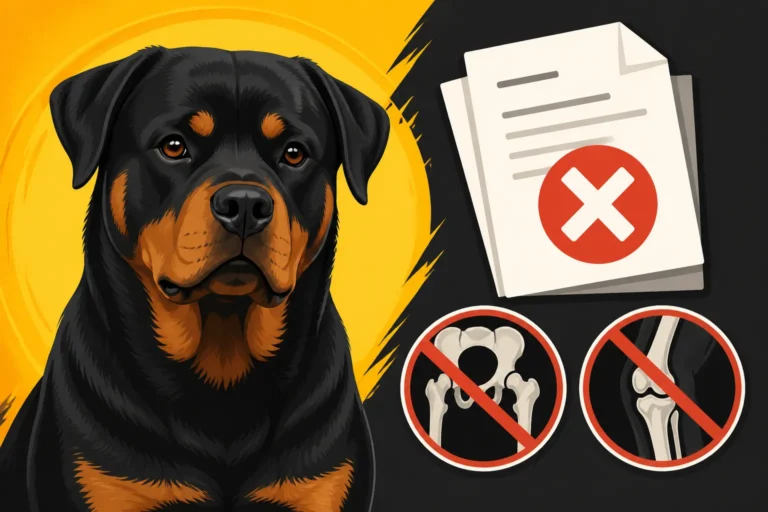
One of the heartbreaking realities for many Rottweiler owners is the breed's genetic propensity for certain conditions that often lead to surgery. Hip and elbow dysplasia are at the top of this list. You might hear breeders talk about the importance of clearances like those from the Orthopedic Foundation for Animals (OFA) because these conditions are hereditary. A puppy from parents without proper clearances is at a significantly higher risk of developing these painful joint issues, which can manifest as early as puppyhood, but often become more pronounced as the dog grows and puts more weight on those compromised joints. Imagine watching your powerful, active dog struggle to get up after a nap, or develop a noticeable limp after a walk that used to be routine. That's often the first indicator that something is amiss, and an X-ray might reveal severe arthritis or malformation requiring surgical correction.
Then there's osteosarcoma, a devastating bone cancer that disproportionately affects large and giant breeds like Rottweilers. This aggressive cancer often strikes without warning, appearing as a sudden lameness that might initially be dismissed as a minor strain or a touch of arthritis. The speed at which it can progress is terrifying, and surgical amputation of the affected limb is often recommended to remove the tumor and alleviate pain, sometimes followed by chemotherapy. The thought of your robust, four-legged friend becoming a tripod is a lot to process, both emotionally and logistically, before even considering the extensive costs involved in such a life-altering procedure. Understanding these inherent risks isn't about fear-mongering; it's about being informed so you can make the best choices for your dog's care, potentially even choosing a puppy from a breeder who can provide impeccable health certifications, like those outlined in a guide on The Five Clearances a Rottweiler Breeder Must Have
Age-Related and Acquired Surgical Needs
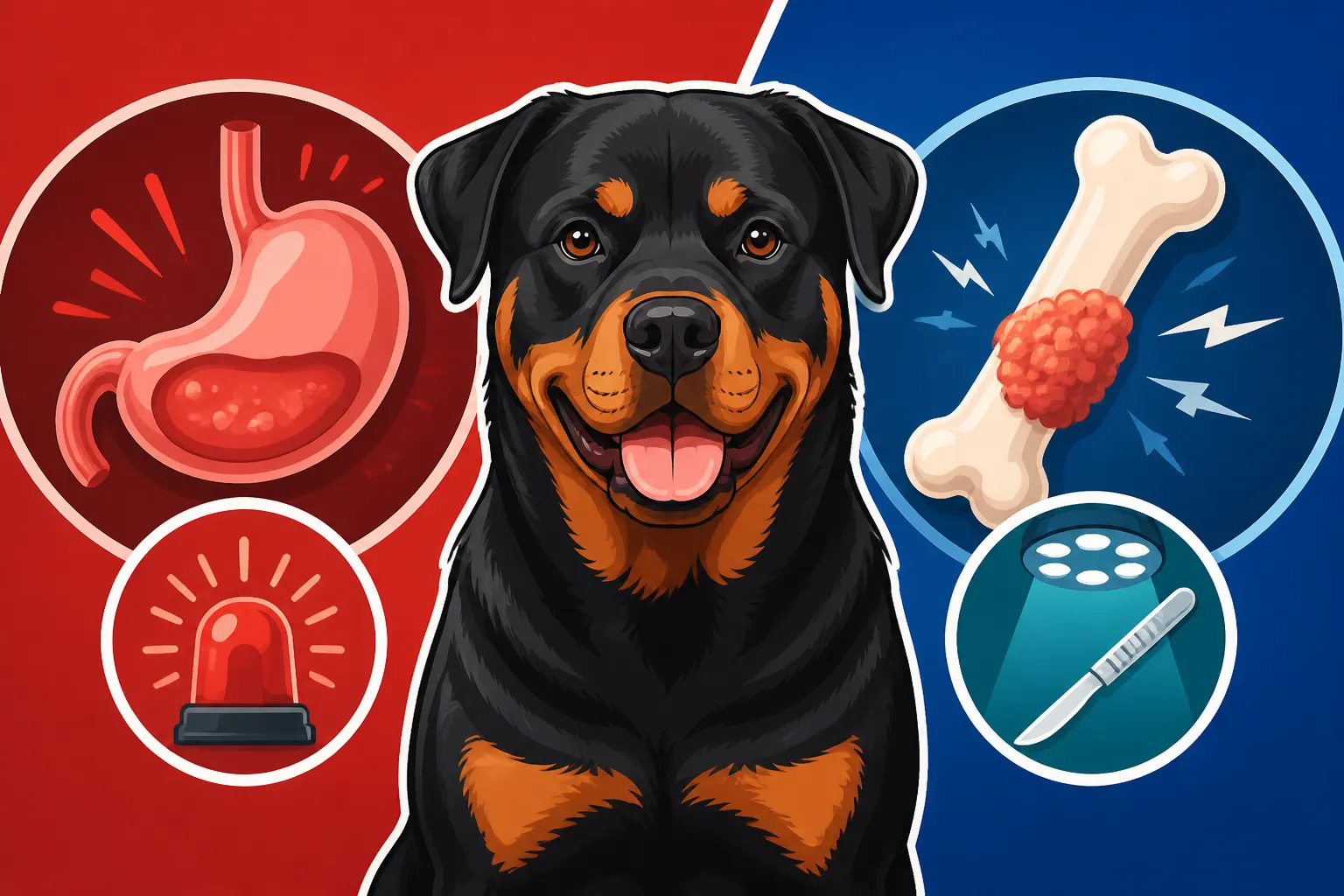
Beyond genetics, Rottweilers, like all dogs, can develop health issues over their lifespan that may necessitate surgery. One of the most terrifying, acute emergencies for Rottweiler owners is gastric dilatation-volvulus (GDV), commonly known as bloat. This condition, where the stomach fills with gas and then twists, is a true race against time. Rottweilers are deep-chested, making them particularly susceptible, and a dog can go from seemingly fine to critically ill in a matter of hours. The surgery to untwist the stomach and often tack it to the abdominal wall (gastropexy) is complex, expensive, and requires immediate intervention. The alternative is almost always fatal, which puts immense pressure on owners to make swift decisions under extreme stress.
Cruciate ligament tears, similar to an ACL tear in humans, are another common orthopedic problem, especially in active, heavy Rottweilers. A sudden misstep during play or even just age-related wear and tear can lead to a partial or complete tear, causing immediate lameness. Imagine your dog, full of life one moment, suddenly unable to put weight on a back leg, hopping around in distress. Corrective surgery, often a TPLO (Tibial Plateau Leveling Osteotomy) or TTA (Tibial Tuberosity Advancement), is typically required to stabilize the knee joint and restore mobility. These procedures are highly specialized and come with significant price tags, not just for the surgery itself but for the extensive recovery and rehabilitation period. As our Rottweilers reach their senior years, other issues like dental disease requiring extractions, or even benign lumps and bumps that need surgical removal and biopsy, become more frequent, adding to the ongoing financial commitment of their care. Our article on Senior Rottweiler Care After the Age of Seven. delves into some of these later-life concerns.
The Devastating Cost of Bloat GDV Surgery
Bloat, or gastric dilatation-volvulus (GDV), is every large-breed dog owner's nightmare. For Rottweilers, with their deep chests, the risk is higher, and the onset is terrifyingly sudden. The urgency of this condition means that financial considerations often take a backseat to the immediate need for life-saving intervention.
The Emergency Procedure and Its Urgency
When a Rottweiler experiences bloat, time is quite literally measured in minutes, not hours. Recognizing the signs – unproductive retching, a distended abdomen, restlessness, and signs of pain – is critical. As soon as you suspect bloat, you need to get your dog to an emergency veterinary clinic immediately. There's no waiting to see if it improves, no calling around for quotes. The emergency surgery involves untwisting the stomach (derotation) and, in many cases, performing a gastropexy to permanently tack the stomach wall to the abdominal wall, preventing future twists.
The cost for this emergency procedure can range dramatically depending on your location, the time of day (emergency vets often charge more for after-hours care), and the severity of the case. You could be looking at anywhere from $3,000 to $8,000 or even more. This figure often includes the initial emergency assessment, IV fluids, pain medication, anesthesia, the surgical procedure itself, and initial hospitalization. This doesn't account for pre-surgical blood work, post-operative complications, or extended stays. Imagine being presented with a bill that large while your dog is fighting for its life; it's a profound emotional and financial strain. It highlights why understanding Bloat in a Rottweiler and the Hours That Matter. is so vital for every owner.
Post-Operative Care and Potential Complications
Surviving the initial surgery for bloat is a massive hurdle, but the journey isn't over. The post-operative period is crucial and can add substantially to the overall cost. Your Rottweiler will likely need to be hospitalized for several days for monitoring. During this time, vets will be watching for potential complications such as cardiac arrhythmias, peritonitis (infection of the abdominal lining), or damage to the stomach wall that could lead to necrosis and perforation. Each complication requires further treatment, medication, and extended hospital stays, driving costs higher.
Medications for pain, nausea, and stomach motility, along with specialized diets for a few weeks post-surgery, will also be necessary. Follow-up vet visits to check surgical incisions and overall recovery are standard. It’s not uncommon for the total bill, including recovery, to push past $10,000 if complications arise. The emotional toll of nursing a recovering dog while managing these costs is immense. Owners need to be prepared for the possibility that even with successful surgery, the road to full recovery can be bumpy and expensive.
Preventive Gastropexy as a Cost-Saving Measure
Given the life-threatening nature and exorbitant costs of emergency bloat surgery, many Rottweiler owners opt for a preventive measure: a prophylactic gastropexy. This elective procedure involves surgically attaching the stomach to the abdominal wall, significantly reducing the risk of the stomach twisting, though it doesn't entirely prevent gas dilatation.
A preventive gastropexy is often performed at the same time as a spay or neuter surgery, or as a standalone laparoscopic procedure, which is minimally invasive. The cost for a prophylactic gastropexy is considerably lower than emergency surgery, typically ranging from $800 to $2,500. While this is still a significant amount, it's a fraction of the cost of an emergency GDV repair and offers immense peace of mind. Consider this investment a safeguard against a truly devastating and expensive emergency. Discussing this option with your veterinarian, especially when your Rottweiler is still young, is a wise move. Our article on Gastropexy to Prevent Rottweiler Bloat. provides a deeper dive into this important preventative step.
Addressing Joint Issues: Hip and Elbow Dysplasia Surgery
Rottweilers are powerful, athletic dogs, and their large joints bear a significant load. Unfortunately, hip and elbow dysplasia are all too common in the breed, often requiring surgical intervention to manage pain and improve quality of life. These surgeries can be complex and expensive, reflecting the specialized skills and equipment required.
Surgical Interventions for Hip Dysplasia
Hip dysplasia is a malformation of the hip joint where the ball and socket don't fit together properly. Over time, this leads to painful arthritis. For a dog as large and heavy as a Rottweiler, conservative management with medication and physical therapy can only go so far before surgery becomes necessary. Several surgical options exist, each with varying costs and suitability:
- Femoral Head Ostectomy (FHO): This procedure involves removing the head and neck of the femur (the "ball" part of the joint). The body then forms a "false joint" of fibrous tissue. While it doesn't recreate a normal hip, it can alleviate pain by eliminating bone-on-bone rubbing. FHO is generally less expensive than other options, typically ranging from $1,200 to $3,000 per hip. It's often considered for dogs under 50-60 pounds, or in cases where a total hip replacement isn't feasible due to cost or other health concerns. For a large Rottweiler, outcomes can be variable, sometimes leaving them with a noticeable gait change but significantly less pain.
- Triple Pelvic Osteotomy (TPO) / Double Pelvic Osteotomy (DPO): These procedures are usually performed on younger dogs (under 10 months to a year) before significant arthritic changes have occurred. They involve cutting and rotating sections of the pelvis to improve the coverage of the femoral head by the acetabulum (socket). These are highly specialized surgeries and can cost $3,000 to $6,000 per hip.
- Total Hip Replacement (THR): Considered the gold standard for severe hip dysplasia, a THR involves replacing both the ball and socket with prosthetic implants. This is a highly specialized and expensive surgery, often ranging from $4,500 to $8,000 per hip, and sometimes even more depending on the specialist and region. The success rate is high, and it can dramatically improve a Rottweiler's quality of life, allowing them to move without pain again. However, it's a major undertaking with a lengthy recovery period and the potential for complications. Given that a Rottweiler's Rottweiler Hips and Elbows and the 24-Month Rule. often don't fully mature until later, careful consideration of timing and type of surgery is crucial.
Elbow Dysplasia Treatments and Their Costs
Elbow dysplasia is a complex condition involving multiple possible developmental abnormalities of the elbow joint. It can lead to pain, lameness, and debilitating arthritis. Like hip dysplasia, early diagnosis is key. Surgical options for elbow dysplasia aim to address the specific underlying problem:
- Arthroscopy: This minimally invasive procedure uses a small camera to visualize the joint and remove bone fragments (like a fragmented coronoid process) or address ununited anconeal processes. It's often the preferred method due to less pain and faster recovery, costing approximately $2,500 to $5,000 per elbow.
- Osteotomy: In some cases, cutting and realigning bones (like an ulnar osteotomy) may be necessary to relieve pressure on the joint. This can be more invasive and typically falls into the $2,000 to $4,500 per elbow range.
- Total Elbow Replacement: While available, total elbow replacement is far less common and more technically challenging than hip replacement. It's usually reserved for severe cases where other treatments have failed, and costs can be comparable to, or even exceed, a total hip replacement.
Many Rottweilers may require surgery on both elbows, or one hip and one elbow, meaning these costs can quickly multiply. It’s a testament to the dedication of Rottweiler owners that they pursue these complex and costly interventions to give their dogs a chance at a comfortable life.
Rehabilitation and Long-Term Management
It’s crucial to understand that the surgery itself is often just the beginning. For any major orthopedic procedure, particularly for a large, heavy dog like a Rottweiler, post-operative rehabilitation is absolutely essential for a successful outcome. This isn't just about medications; it involves physical therapy, often including hydrotherapy (underwater treadmill), therapeutic exercises, and massage. These sessions can cost anywhere from $50 to $150 per session, and a typical course might involve multiple sessions per week for several months.
Long-term management also involves ongoing medication for pain and inflammation (such as NSAIDs), joint supplements (like glucosamine and chondroitin), and maintaining a lean body weight to minimize stress on the joints. This can add hundreds of dollars per month to your regular dog care budget. Without proper rehabilitation, the effectiveness of even the most expensive surgery can be compromised, leading to ongoing pain and potentially the need for further intervention down the line. It's a holistic commitment to your dog's comfort and mobility that extends far beyond the operating table.
Battling Cancer: Osteosarcoma and Other Malignancies
Cancer is a grim reality for many dog owners, and Rottweilers, unfortunately, have a higher incidence of certain types, particularly osteosarcoma. The costs associated with cancer treatment can be staggering, forcing owners to make incredibly difficult choices.
Amputation for Bone Cancer
Osteosarcoma, an aggressive bone cancer, is a devastating diagnosis for any dog, especially a Rottweiler. It often strikes the long bones of the limbs and progresses rapidly. For many dogs, surgical amputation of the affected limb is the most effective way to remove the primary tumor and alleviate excruciating pain. This is a massive surgery, both physically and emotionally for the dog and owner.
The cost of amputation can range from $2,000 to $5,000, depending on the limb, the size of the dog, and the veterinary facility. This often includes anesthesia, the surgical procedure, pain management, and initial hospitalization. While a three-legged Rottweiler might seem daunting, many adapt remarkably well, especially with proper rehabilitation and dedicated care. Our article What Amputation Actually Involves for a Rottweiler. offers more insight into this difficult decision. Beyond the surgery itself, post-operative care includes incision checks, pain management, and sometimes a shift in how you manage your home to accommodate a tripod dog. This could mean ramps, non-slip rugs, and adjusting their exercise routine.
Soft Tissue Tumor Removal and Biopsy
Beyond bone cancer, Rottweilers are susceptible to other forms of cancer, including lymphoma, hemangiosarcoma, and mast cell tumors. Many of these begin as lumps or bumps that appear on or under the skin. Any new or changing lump on your Rottweiler should always be evaluated by a veterinarian. This usually starts with a fine needle aspirate (FNA) or a biopsy to determine if the growth is benign or malignant.
If a tumor is found to be cancerous or is rapidly growing, surgical removal is often recommended. The cost of soft tissue tumor removal varies widely based on the size, location, and complexity of the tumor. A simple, small mass on the skin might cost $500 to $1,500 to remove. However, a larger, deeper tumor, or one located in a sensitive area (like near a joint or vital organ), can cost $2,000 to $4,000 or more, as it requires more intricate surgery, extensive anesthesia, and potentially more specialized tools. This price usually includes the surgery, anesthesia, and the histopathology (biopsy analysis) to confirm the tumor type and whether all margins were clear.
Adjunctive Treatments and Follow-Up Costs
Surgery is often just one component of a comprehensive cancer treatment plan. For aggressive cancers like osteosarcoma or high-grade mast cell tumors, your veterinarian may recommend adjunctive therapies such as chemotherapy or radiation. These treatments are aimed at killing any remaining cancer cells or slowing the spread of the disease.
Chemotherapy for dogs typically involves a series of intravenous infusions administered over several weeks or months. Each session can cost $300 to $800, and a full protocol might involve 4-6 sessions or more, bringing the total for chemo to $2,000 to $5,000+. Radiation therapy is even more specialized and expensive, often costing $5,000 to $10,000 or more for a course of treatment, usually requiring referral to a specialty oncology center.
Beyond these direct treatment costs, there are also ongoing expenses for medications (pain relievers, anti-nausea drugs, appetite stimulants), regular follow-up appointments with the oncologist, and diagnostic imaging (X-rays, ultrasounds, CT scans) to monitor the cancer's response to treatment and check for recurrence or metastasis. The emotional toll of a cancer diagnosis and the financial burden of extended treatment are profound, making it one of the most challenging health battles a Rottweiler owner can face. Understanding that a Rottweiler Lifespan and the Eight to Ten Year Average. can be cut short by these diseases underscores the importance of early detection and treatment.
Other Significant Rottweiler Surgeries and Their Price Tags
While bloat, joint issues, and cancer are major concerns, Rottweilers can face other significant health challenges that necessitate costly surgeries. Being aware of these possibilities helps in overall financial planning for your dog's lifetime care.
Cruciate Ligament Repair TPLO/TTA
Just like humans can tear an ACL, Rottweilers can tear their cranial cruciate ligament (CCL), often referred to as a cruciate tear. This is a very common and debilitating injury, particularly in large, active breeds. The rupture can be partial or complete and results in immediate lameness and pain because the knee joint becomes unstable. Imagine your powerful Rottweiler, mid-stride, suddenly yelping and unable to put weight on a back leg. That's a classic sign of a cruciate tear.
For a heavy dog like a Rottweiler, conservative management (rest, pain meds) is often unsuccessful in the long term, and surgical stabilization is highly recommended to prevent further damage and debilitating arthritis. The most common and successful surgeries are:
- Tibial Plateau Leveling Osteotomy (TPLO): This complex procedure involves cutting and rotating the top part of the tibia (shin bone) to change the angle of the joint, making it stable without the need for the ligament. TPLO is a highly effective, specialized surgery, and typically costs anywhere from $3,500 to $6,000 per knee. This includes X-rays, anesthesia, the surgery itself, and initial post-op care.
- Tibial Tuberosity Advancement (TTA): Similar in principle to TPLO, TTA also alters the biomechanics of the knee joint to stabilize it. Costs are comparable to TPLO, usually in the $3,000 to $5,500 per knee range.
Both procedures require a significant recovery period, often involving strict rest for several weeks, followed by a lengthy course of physical therapy. It's not uncommon for a dog to tear the cruciate ligament in the other knee within a year or two, meaning potentially double the surgery and recovery costs. Our article on Cruciate Tears in a Heavy Rottweiler. discusses these incidents in more detail.
Eye Surgeries for Entropion and Ectropion
Rottweilers, with their expressive faces, can sometimes suffer from eyelid abnormalities that require surgical correction. These conditions, entropion and ectropion, can cause significant discomfort and lead to more serious eye problems if left untreated.
- Entropion: This is where the eyelid rolls inward, causing the eyelashes and fur to rub against the cornea. This constant irritation can lead to pain, corneal ulcers, infections, and even vision impairment. It's often evident as chronic tearing, squinting, or a discharge from the eye.
- Ectropion: Less common but still possible, ectropion is when the eyelid rolls outward, exposing the delicate conjunctiva and leaving the eye vulnerable to dryness, irritation, and infection.
Surgical correction for entropion or ectropion involves removing a small wedge of tissue from the eyelid to reposition it correctly. This procedure is typically performed by a veterinary ophthalmologist and can cost $800 to $2,500 per eye. The cost varies depending on the severity, whether one or both eyelids are affected, and whether one or both eyes require surgery. While not life-threatening, these conditions significantly impact a dog's quality of life and comfort. Regular eye exams, as discussed in Rottweiler Eye Certification and the Three Year Rule. are important for early detection.
Dental Surgery and Extractions
While often overlooked, dental disease is incredibly common in dogs, including Rottweilers, and can lead to significant pain, infection, and necessitate expensive surgical procedures. Over time, plaque and tartar build up, leading to gingivitis and periodontal disease. Left untreated, this can cause tooth decay, painful abscesses, and even systemic infections as bacteria enter the bloodstream.
A routine professional dental cleaning under anesthesia, which typically includes scaling, polishing, and a thorough oral exam, can cost $500 to $1,000. However, if severe dental disease is present, requiring extractions, the costs can escalate dramatically. Each extraction, especially for large molars with multiple roots, requires specialized techniques, pain management, and sometimes dental X-rays to assess root health. A dental surgery involving multiple extractions can easily range from $1,000 to $3,000 or more, depending on the number and complexity of the extractions. This might also include antibiotics and anti-inflammatory medications. Regular dental care, including at-home brushing and professional cleanings, is crucial to prevent these painful and costly interventions.
Mitigating Financial Risk: Insurance, Savings, and Support
The sheer numbers for Rottweiler surgeries can be daunting. It's easy to feel overwhelmed by the potential costs. However, there are proactive steps you can take to mitigate the financial risk and ensure you can provide the best possible care for your beloved companion when the unexpected happens.
The Role of Pet Insurance in Covering Surgery Costs
Pet insurance has become an invaluable tool for many dog owners, particularly those with breeds prone to significant health issues like Rottweilers. While it won't cover pre-existing conditions, enrolling your Rottweiler as a puppy can provide a safety net for future accidents and illnesses, including those expensive surgeries we've discussed.
A good pet insurance policy, especially one with a high reimbursement rate (e.g., 80% or 90%) and a reasonable annual limit, can significantly offset the financial burden of a major surgery. Imagine a $6,000 TPLO surgery. With a 90% reimbursement rate and a $500 deductible, you could get back over $4,900, bringing your out-of-pocket cost down dramatically. Brands like Healthy Paws are popular for their comprehensive coverage and straightforward claims process, which can be a lifeline in an emergency. However, remember to factor in the monthly premiums, which for a Rottweiler can average around $204 a month. While it’s an ongoing expense, the peace of mind it offers is often priceless, particularly when faced with a sudden, urgent surgical need.
Here's a simplified look at how pet insurance might work for various common surgeries:
| Surgery Type | Estimated Cost Range | Typical Deductible ($) | Reimbursement Rate (%) | Out-of-Pocket (Example) |
|---|---|---|---|---|
| Emergency Bloat (GDV) | $3,000 – $8,000 | $500 | 90% | $800 – $1,300 |
| Total Hip Replacement (THR) | $4,500 – $8,000 (per hip) | $500 | 90% | $950 – $1,300 |
| TPLO (Cruciate Repair) | $3,500 – $6,000 (per knee) | $500 | 90% | $850 – $1,100 |
| Osteosarcoma Amputation | $2,000 – $5,000 | $500 | 90% | $700 – $1,000 |
| Preventive Gastropexy | $800 – $2,500 | $500 | 90% | $550 – $750 |
| Eye Surgery (Entropion) | $800 – $2,500 (per eye) | $500 | 90% | $550 – $750 |
| Complex Dental Extractions | $1,000 – $3,000 | $500 | 90% | $550 – $750 |
| Note: These are examples. Actual costs and out-of-pocket expenses will vary based on policy, deductible, reimbursement rate, annual limits, veterinary fees, and geographical location. |
Emergency Funds and Financial Planning
Even with pet insurance, you'll still be responsible for deductibles and a percentage of the bill. For owners without insurance, or for costs not covered by a policy (like certain pre-existing conditions or elective procedures), having a dedicated emergency fund is absolutely critical. Aim to save at least $3,000 to $5,000 in an accessible savings account specifically for pet emergencies. This way, if a sudden bloat emergency or a broken leg occurs, you're not scrambling to find funds or forced to make decisions based on finances rather than what's best for your dog.
Beyond a lump-sum emergency fund, consider budgeting for routine wellness care, including regular vet check-ups, vaccinations, and parasite prevention. Many online retailers like Chewy offer auto-ship options for food and medications, helping you budget for recurring expenses. For premium food options, brands like Ollie deliver fresh, human-grade meals directly to your door, which can contribute to overall health and potentially prevent some diet-related issues, though this is a higher upfront cost. Proactive health management, including good nutrition and appropriate exercise for a growing Rottweiler without overstressing their Rottweiler Growth Plates and Why They Close So Late. can also reduce the likelihood of certain health problems escalating to surgical needs.
Leveraging Vet Payment Plans and Charitable Aid
Despite the best planning, sometimes the costs still exceed what's immediately available. Thankfully, several options can help bridge the financial gap:
- Veterinary Payment Plans: Many veterinary clinics, especially specialty and emergency hospitals, understand the financial strain of large bills and offer in-house payment plans or work with third-party financing companies like CareCredit or Scratchpay. These options allow you to break down a large bill into more manageable monthly payments, often with low or no interest for a promotional period. Always discuss these options with the vet staff before treatment begins if possible.
- Charitable Organizations: Numerous non-profit organizations exist to help pet owners with veterinary expenses, particularly for life-saving treatments. Examples include The Pet Fund, RedRover, and breed-specific rescues or foundations. While these funds are often limited and application processes can take time, they can provide crucial support. For instance, some organizations specifically assist with cancer treatments or orthopedic surgeries.
- Crowdfunding: Platforms like GoFundMe have become popular for raising funds for emergency pet care. Sharing your story and rallying support from friends, family, and online communities can sometimes provide the necessary funds for your Rottweiler's surgery.
Remember, you're not alone in facing these challenges. Open communication with your veterinary team about your financial concerns is key, as they can often guide you toward available resources and options.
Disclaimer
The information provided in this guide is for general informational purposes only and does not constitute veterinary medical advice. Always consult with a qualified veterinarian for any health concerns or before making any decisions related to your Rottweiler's care, diet, or treatment. Estimated costs are averages and can vary significantly based on location, specific veterinary practice, individual dog's condition, and the complexity of the procedure. Pet insurance terms and coverage vary by provider and policy.