Protection Sport Training Costs for a Rottweiler
Thinking about getting your Rottweiler involved in protection sports can bring up a lot of excitement, but it also quickly brings up the very real question: what's this actually going to cost? It's not just about signing up for a class; it's a significant financial and time commitment that goes far beyond basic obedience. This guide will walk you through the various expenses involved in protection sport training for your powerful Rottweiler, from initial assessments to ongoing club fees and even the often-overlooked health and nutrition needs.
Understanding Protection Sport Training for Your Rottweiler
Before we dive into the numbers, it's crucial to understand what protection sport training truly entails. It's often misunderstood, leading people to believe it's about making their dog aggressive, which couldn't be further from the truth. This sport, particularly disciplines like Schutzhund/IGP, is highly structured, disciplined, and demands immense control from both dog and handler.
What Protection Sport Isn't
Let's clear the air right away: protection sport training is not about creating a vicious "guard dog" that will attack on command or, worse, without it. If your goal is simply a dog that will deter intruders, there are far less intensive and expensive ways to achieve that. This kind of training emphasizes control, obedience, and a dog's natural instincts, channeling them into a highly formalized routine. A well-trained protection dog is not a liability; it's a testament to incredible discipline and partnership.
You're not teaching your Rottweiler to be aggressive; you're teaching it when to engage its natural protective drives and, more importantly, when to stop. This sport requires a level head and exceptional nerve from your dog. Not every Rottweiler, even with their strong guarding instincts, is cut out for it, no matter how much you wish they were. This is why initial temperament evaluations are so critical, saving you time and money if your dog isn't suited to the intense demands of the sport.
The Phases of Protection Sport
Protection sports, like IGP (International Gebrauchshund Pruefung, formerly Schutzhund), are typically comprised of three distinct phases: Tracking, Obedience, and Protection. Each phase requires rigorous training and contributes to the overall score in competition. Understanding these phases helps highlight why the training costs can accumulate.
- Tracking (Phase A): This involves your Rottweiler using its nose to follow a human scent trail, locating small, dropped articles along the way. It demands immense focus, patience, and a strong work ethic from the dog. Training for tracking might involve specialized equipment like longer lines and specific reward systems.
- Obedience (Phase B): Far beyond basic "sit" and "stay," this phase requires flawless execution of complex commands, both on and off-leash, often under significant distractions. Your Rottweiler must demonstrate precision in heeling, retrieves, send-outs, and downs from motion. The foundation laid in this phase is paramount, reinforcing that Why a Rottweiler Must Be Trained Before It Grows is not just for good manners but for the intense control needed in sport. You'll spend countless hours perfecting these behaviors.
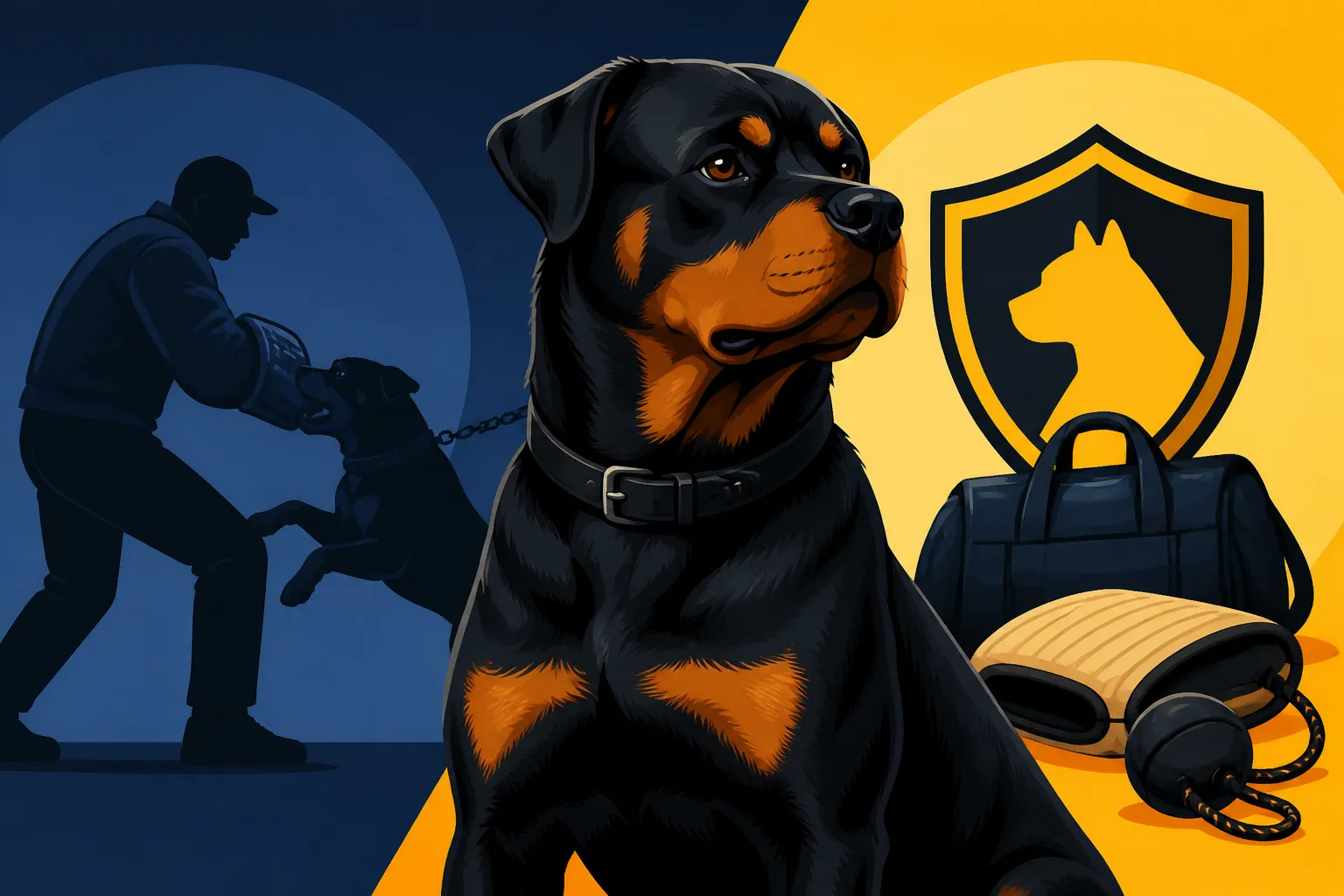
- Protection (Phase C): This is the most visible and often most misunderstood phase. Here, your Rottweiler must demonstrate courage, fighting drive, and control against a decoy (a person wearing protective bite-equipment). The dog must defend its handler, engage the decoy, and most importantly, release on command. This is where the Rottweiler's natural guarding instinct is shaped into a sport. It's not chaos; it's a meticulously choreographed routine.
The Initial Financial Outlay: Getting Started
Embarking on the protection sport journey means facing some upfront costs. These aren't just minor fees; they're essential investments that determine whether your Rottweiler is suitable and how well equipped you both are for the challenges ahead.
Initial Evaluation and Temperament Testing
Before you commit to expensive training programs, you absolutely need to have your Rottweiler evaluated by an experienced protection sport trainer or club. This isn't just a suggestion; it's a non-negotiable step. Not every Rottweiler possesses the necessary nerve, temperament, and drives to safely and successfully participate in protection sports. A good evaluation will look for:
- Nerve: How does your dog react to novel situations, loud noises, or sudden movements? Does it recover quickly?
- Drives: Does it have sufficient prey drive (the desire to chase and catch) and defensive drive (the instinct to protect itself or its handler)?
- Temperament: Is it stable, confident, and resilient, or does it show fear or aggression?
- Trainability: Is it eager to work, responsive to commands, and focused on you?
These evaluations usually come with a fee, but it's money well spent. Discovering early on that your dog isn't suited can save you thousands of dollars and countless hours, not to mention potential heartache and safety concerns down the road. It validates the frustration many feel when they realize their beloved Rottweiler might not be the next Schutzhund champion, but it's a realistic assessment for everyone's safety.
Foundational Obedience and Socialization Classes
Even if your Rottweiler is already a well-behaved family member, the level of obedience required for protection sports is a different beast entirely. You might have already invested in puppy classes or basic obedience, knowing that Rottweiler Puppy Training Through the First Year is crucial for such a powerful breed. However, protection sport demands a level of precision, focus, and unwavering control that often necessitates specialized foundational training.
This might mean enrolling in advanced obedience classes with a trainer who understands working dogs, or even taking private sessions to hone specific skills. These aren't cheap, but they lay the groundwork for everything else. Without a rock-solid foundation in obedience, your Rottweiler cannot safely or effectively move into the protection phase. Proper socialization, too, is key – your dog must be confident and unflappable in various environments, not just at home, which good trainers will emphasize from puppyhood.
Essential Gear Investments
While you might already own sturdy gear for your Rottweiler, protection sport training often requires specific, high-quality equipment designed for the intensity and strength of a working dog. This isn't the place to cut corners with bargain-bin items.
- Heavy-Duty Leashes and Collars: You'll need leashes that can withstand the pull of a 100+ pound Rottweiler and collars that won't snap under pressure. This means leather, biothane, or very strong nylon, often with specialized hardware.
- Training Muzzles: For safety during certain exercises or in public, a well-fitting, comfortable muzzle is indispensable. This isn't for punishment; it's a training tool.
- Bite Sleeves and Tug Toys: While the club provides the main bite equipment, you'll likely want personal tugs and smaller sleeves for home practice and conditioning.
- Tracking Gear: Long lines (15-30 feet), tracking harnesses, and scent articles.
- Crates: A secure, robust crate for transport and containment at trials. A Rottweiler needs a very substantial crate, and a flimsy one simply won't do.
Think of it this way: a professional athlete needs quality equipment, and your Rottweiler, if it's going into protection sport, is an athlete. The cost of these items, while variable, adds up quickly, especially when you consider the scale appropriate for a large breed like a Rottweiler.
Ongoing Costs: The Long Haul of Training
Protection sport training is not a sprint; it's a marathon. The initial costs are just the entry fee. The true financial commitment comes with the ongoing training, club memberships, and potential competition expenses.
Club Memberships and Group Sessions
The cornerstone of protection sport training is almost always a dedicated club. These clubs offer access to experienced trainers (often called "decoys" for the protection phase), specialized equipment like bite suits and hides, and a community of like-minded individuals. Membership fees vary widely, but they are a regular, recurring expense.
- Access to Expertise: You're paying for the invaluable knowledge of trainers who understand the nuances of the sport and how to safely and effectively work with powerful dogs like Rottweilers. Their guidance is crucial for proper technique and preventing issues.
- Specialized Equipment: Full bite suits, blinds, and other field equipment are expensive to own individually, so club membership gives you access to shared resources.
- Consistency: Regular weekly or bi-weekly training sessions are vital for progress. This consistent exposure helps build your Rottweiler's skills and drives over time.
These fees often represent a significant portion of your ongoing budget, but they're absolutely necessary. You simply cannot do this type of training effectively in isolation. The value in a good club setting, where you can tap into collective knowledge and specialized facilities, truly cannot be overstated.
Private Training Sessions
While club training is foundational, there will likely be times when your Rottweiler needs a more focused, one-on-one session with a trainer. Perhaps you're struggling with a specific obedience exercise, or your dog is hitting a plateau in the protection phase. Private sessions offer tailored instruction and immediate feedback that can help overcome hurdles much faster than group settings alone.
These sessions are typically billed by the hour, and while they can be costly, they can also be incredibly effective. Sometimes, a few private sessions can break through a stubborn problem, saving you weeks or months of frustration in a group setting. It's an investment in accelerating your dog's progress and your understanding as a handler. Remember that Rottweiler Training and What the Classes Cost can vary wildly, but private sessions are almost always at the top end of the scale due to the personalized attention.
Travel, Seminars, and Competitions
The world of protection sports is often geographically spread out. You might find that the best clubs or trainers are not just a quick drive away. This means budgeting for travel expenses: fuel, vehicle wear and tear, and sometimes even overnight accommodation if attending weekend seminars or out-of-town trials.
- Local Travel: Regular trips to your club, often multiple times a week, quickly add up in fuel costs, especially with today's fluctuating prices.
- Seminars and Workshops: To deepen your knowledge and refine techniques, you might want to attend specialized seminars. These can involve travel, registration fees, and sometimes additional fees for "working spots" where you get direct feedback with your dog.
- Competition Fees: When you're finally ready to title your Rottweiler, entry fees for trials can be significant. These fees cover judges' expenses, field rental, and other organizational costs. There might also be costs associated with official registration of your dog with the governing body, such as the American Rottweiler Club or the United Schutzhund Clubs of America.
All of these costs contribute to the overall experience, and while some are optional, many are part and parcel of participating in the sport seriously.
Beyond the Obvious: Health, Nutrition, and Time
Beyond the direct training expenses, there are crucial underlying costs that impact a working Rottweiler. These often go unmentioned until you're deep into the commitment, but they are absolutely vital for your dog's well-being and performance.
Enhanced Health and Veterinary Care
A Rottweiler engaged in high-impact protection sports puts a lot of stress on its body. This isn't a couch potato lifestyle. This increased physical demand means you must be proactive and vigilant about your dog's health.
- Regular Vet Check-ups: More frequent veterinary visits to monitor overall health, especially joints and muscle condition, are advisable.
- Joint Supplements: Many working dog owners proactively use joint supplements, such as glucosamine and chondroitin, to support long-term joint health. This is particularly important for breeds prone to orthopedic issues like Rottweilers. Early intervention with supplements, well before a Rottweiler turns two, can be a wise choice given the impact on joints. You can learn more about concerns like Rottweiler Hip Dysplasia and the OFA Grade and Rottweiler Elbow Dysplasia and Front Leg Lameness and how early screening is vital.
- Injury Management: Sprains, strains, and minor injuries are more common in active dogs. This can lead to unexpected vet bills, physical therapy, or even time off from training. Having pet insurance, like a comprehensive plan from Healthy Paws, can be a real lifesaver when these unexpected bills arise, cushioning the financial blow. It's often worth considering Rottweiler Pet Insurance and the $204 Average to protect against these higher medical costs.
- Body Conditioning: Ensuring your Rottweiler is in peak physical condition is paramount. This means careful exercise routines that don't overtax growing bones, understanding that Rottweiler Growth Plates and Why They Close So Late means restricted strenuous exercise for a longer period than smaller breeds.
Premium Nutrition for a Working Dog
The caloric and nutritional needs of a Rottweiler regularly engaged in strenuous physical and mental activity are significantly higher than those of a sedentary pet. Feeding a hundred-pound-plus dog is already an expense, as explored in articles like The Yearly Cost of Feeding and Keeping a Rottweiler, but a working dog requires even more.
- High-Quality Diet: You'll need to feed a premium diet specifically formulated for highly active, large breed dogs. This often means higher protein and fat content, and it will inevitably cost more per bag. Whether you're buying large bags from online retailers like Chewy or opting for fresh, portioned meals from services like Ollie, the cost difference will be noticeable compared to standard kibble.
- Increased Portions: Your Rottweiler will simply need to eat more to maintain its energy levels and body condition. What works for Feeding an Adult Rottweiler at a Hundred Twenty Pounds that's moderately active might not be enough for a dog in heavy training.
- Supplements: Beyond joint support, some owners might consider other supplements for recovery, coat health, or overall vitality, adding to the monthly budget.
It’s an investment in their performance and longevity in the sport, ensuring they have the fuel they need to excel and recover.
The Unquantifiable Cost of Time
Perhaps the biggest, yet hardest to quantify, cost of protection sport training is your time. This isn't a casual hobby you dabble in once a month. It demands dedication, consistency, and a willingness to put in the work, day in and day out.
- Daily Training Sessions: Beyond club meetings, you'll be doing daily obedience practice, tracking setups, and conditioning exercises at home. This can easily take several hours a week.
- Travel Time: Factor in the hours spent driving to and from training locations, seminars, and trials.
- Learning and Research: You'll spend time reading, watching videos, and discussing techniques with other handlers.
- Sacrifices: This level of commitment often means sacrificing other hobbies, social outings, or even taking vacation days to attend events.
This is a lifestyle choice that deeply integrates your Rottweiler into a working partnership. The bond it builds is priceless, but the time investment is immense and something every prospective participant must seriously consider.
Cost Breakdown for Protection Sport Training
To give you a clearer picture, here's a table summarizing the different categories of costs involved in protection sport training for a Rottweiler. Remember, these are categories of expenses, and actual figures will vary significantly by location, trainer experience, and the specific level of competition you pursue.
| Cost Category | Initial Investment | Ongoing Monthly/Annual Investment | Description |
|---|---|---|---|
| Evaluations & Classes | Initial Temperament Evaluation, Foundational Obedience Classes | Advanced Obedience Classes, Specific Skill Workshops | Professional assessment of your Rottweiler's suitability; building a rock-solid, sport-specific obedience foundation. This includes fees for trainers and participation. |
| Training Club Fees | None (unless an initial signup fee) | Monthly/Annual Club Membership Dues, Access to Facilities | Covers access to specialized equipment (bite suits, blinds), experienced decoys/trainers, and structured group training sessions. Essential for consistent progress. |
| Private Training | None | Hourly Rates for One-on-One Sessions | For targeted help on specific behaviors, problem-solving, or accelerating progress. Costs can be significant but offer personalized instruction. |
| Gear & Equipment | Heavy-duty leashes, collars, harnesses, training muzzle, tugs, tracking line, secure crate | Replacement gear, new specialized items as needed | Durable, high-quality equipment designed for the strength and demands of a working Rottweiler. Cheap gear won't last or be safe. |
| Travel & Events | None | Fuel costs, Accommodation, Seminar/Trial Entry Fees, Registration | Driving to training locations, out-of-town seminars, and competitions. Entry fees for trials and registration with sport organizations. |
| Health & Nutrition | Initial vet check-up, possibly baseline orthopedic screenings | Premium dog food, joint supplements, regular vet visits, emergency fund/pet insurance | Higher calorie, high-quality diet for a working dog's energy needs. Proactive health management due to physical demands; includes unexpected vet bills or specialized care. Pet insurance (like from Healthy Paws) is often highly recommended. |
Protection sport training with a Rottweiler is an incredibly rewarding endeavor, forging an unparalleled bond and showcasing the breed's intelligence and work ethic. However, it's a journey that demands significant financial foresight and a deep commitment of your personal time. Being realistic about these costs from the outset will help you prepare and ensure you can provide your Rottweiler with the best possible opportunity to succeed in this challenging and exciting sport.
Disclaimer
This article is for general informational purposes only and does not constitute professional advice. Laws, prices and regulations vary by location and change over time. Consult a qualified professional for guidance on your specific situation.