When to Stop Treating a Rottweiler’s Cancer
The moment your beloved Rottweiler is diagnosed with cancer, your world shifts. You plunge into a whirlwind of vet visits, treatment options, and the overwhelming desire to give them every chance at a full life. But what happens when treatments aren't working as hoped, or the side effects begin to outweigh the benefits? This is where the truly heartbreaking question arises: When do you make the decision to stop active treatment and focus solely on comfort? It's an agonizing choice no owner wants to face, but this guide aims to help you navigate those incredibly difficult waters with empathy and clarity.
Recognizing the Signs of Declining Quality of Life
One of the hardest parts of dealing with a Rottweiler battling cancer is trying to decipher what they’re truly feeling. They are stoic dogs, often hiding their pain until it becomes unbearable. As their primary caregiver, you are uniquely positioned to notice the subtle shifts that signal a decline in their quality of life, even if your vet hasn't explicitly pointed them out yet. It’s a gut-wrenching watch, but a necessary one.
Subtle Changes in Behavior
Your Rottweiler's behavior is often the first, most reliable indicator that something is truly amiss beyond the initial diagnosis. A dog that once greeted you with an enthusiastic tail wag and nudged your hand for attention might now just offer a tired glance. They might spend more time isolated, choosing to lie in a quiet corner rather than engaging with the family. This isn’t just "getting old" – it can be a significant sign that their pain or discomfort is growing. Look for a general loss of enthusiasm for activities they once loved. Maybe they used to leap at the sound of the treat jar or eagerly anticipate their walk, but now they show little interest, or perhaps even resist. A decreased desire to interact with you, other pets, or even their favorite toys is a huge red flag. It’s about more than just physical movement; it’s a loss of their spark, their personality. Keep an eye on nuances like how they sleep – are they restless, constantly shifting, or unable to find a comfortable position, even in their favorite bed? These tiny details speak volumes about their inner state.
Physical Symptoms of Suffering
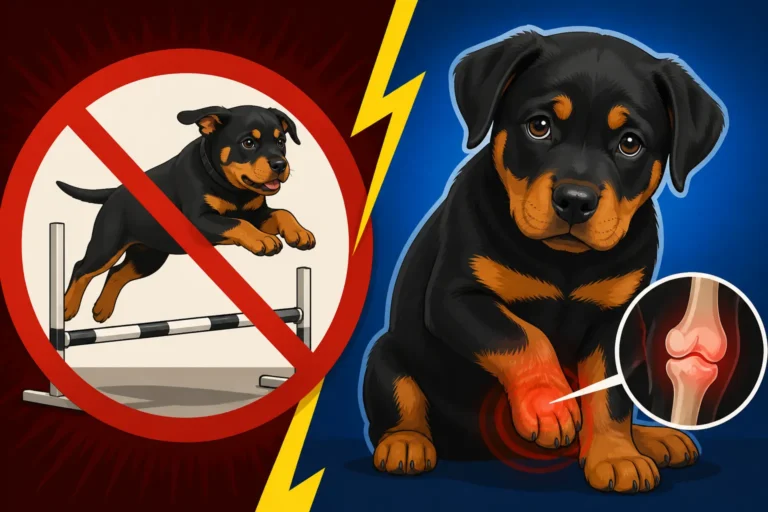
While behavioral changes can be subtle, physical symptoms eventually become undeniable. One of the most critical things to monitor is pain. Your Rottweiler might not cry out, but they might limp more noticeably, struggle to get up from a lying position, or resist being touched in certain areas. They might be stiff, move slowly, or show reluctance to use stairs or jump into the car – movements that were once second nature. Another significant indicator is appetite. A healthy Rottweiler is usually a very enthusiastic eater. If your dog starts refusing meals, picks at food, or only eats small amounts, especially their favorite treats, it’s a serious concern. Persistent nausea, vomiting, or diarrhea are also clear signs of distress and discomfort. Weight loss, even with food intake, can indicate the cancer is progressing and consuming their body's resources. Furthermore, watch for difficulties in breathing, especially after minimal exertion, or increased panting without obvious reason. If they're struggling with incontinence, having accidents inside, it's not just a mess; it's a loss of dignity and control that severely impacts their comfort and mental well-being. These physical manifestations, particularly when combined with behavioral changes, paint a clear picture that their suffering is outweighing any potential benefits of continued aggressive treatment. You might find it helpful to look into articles on topics like Pain Control for a Rottweiler With Bone Cancer to understand specific signs.
Evaluating Treatment Options and Their Impact
When your Rottweiler is undergoing cancer treatment, it’s a constant balancing act between fighting the disease and preserving their quality of life. The conversations with your veterinary oncologist can be intense, filled with complex medical terms and difficult choices. It’s crucial to understand not just what treatments are available, but what their realistic impact will be on your dog’s daily existence.
Assessing the Efficacy and Side Effects of Current Therapies
Many cancers, like Osteosarcoma, the Cancer That Takes Most Rottweilers or Rottweiler Cancers Beyond the Bone such as lymphoma, have various treatment protocols. Chemotherapy, radiation, and surgery are common approaches. While these can extend life, they often come with significant side effects. Chemotherapy might cause nausea, vomiting, diarrhea, lethargy, or a suppressed immune system, making your dog vulnerable to infections. Radiation can lead to localized skin irritation, pain, or temporary hair loss. Surgeries, especially extensive ones, involve significant recovery periods, discomfort, and the risk of complications.
You need to have open and honest discussions with your vet about the actual success rate of the current treatment, not just in terms of curing the cancer, but in improving or maintaining your Rottweiler's quality of life. Is the treatment truly effective in shrinking tumors or slowing progression, or is it merely delaying the inevitable while making your dog miserable? Are the "good days" during treatment truly good, or are they just slightly less bad than the days spent recovering from side effects? Sometimes, continuing treatment out of hope can inadvertently prolong suffering. It's vital to assess whether the trade-off of feeling unwell from treatment is worth the potential extension of life, especially if that extended life is not enjoyable for your dog.
Understanding the Prognosis
A clear understanding of your Rottweiler's prognosis is paramount. While no vet can give you an exact timeline, they can provide an honest assessment of the disease's aggressiveness, its stage, and the average survival times for dogs with similar conditions. For example, some Rottweiler cancers progress very rapidly. Knowing this helps you manage expectations and focus on what truly matters: your dog's comfort and happiness in the time they have left.
The veterinarian will consider factors like the specific type of cancer, its grade, whether it has metastasized, and your Rottweiler's overall health and age. While statistics can be grim, remember they are just averages. Your dog is an individual. However, if the prognosis is poor, with only a short period of minimal improvement expected, you must weigh whether aggressive, debilitating treatments are truly in your dog's best interest. This conversation can be incredibly painful, but it's essential for making informed decisions about whether to continue the fight or shift towards comfort care. You might also want to read about Rottweiler Osteosarcoma Survival Times for specific insights.
The Financial and Emotional Toll of Prolonged Treatment
Caring for a Rottweiler with cancer isn't just physically and emotionally demanding; it also carries a significant financial burden. Many owners find themselves caught in a cycle of hope and despair, making decisions that are not only difficult for their dog but also profoundly impactful on their own lives and resources.
Balancing Costs with Quality of Life
The reality is, cancer treatments for large breeds like Rottweilers can be incredibly expensive. From initial diagnostics like X-rays and biopsies to chemotherapy, radiation, and advanced surgeries, the bills add up quickly. A single round of chemotherapy can cost hundreds, if not thousands, of dollars, and many treatments require multiple sessions. Specialized procedures or emergency visits, like those for a sudden collapse due to Hemangiosarcoma and Sudden Rottweiler Collapse, can skyrocket into the tens of thousands.
This financial strain often leads owners to make agonizing choices. Do you deplete your savings? Take out loans? These are questions that can cause immense stress. While pet insurance can certainly help, even a good policy from a provider like Healthy Paws has limits, deductibles, and co-pays. It's not uncommon for owners to reach their annual limit on policies, leaving them to pay out-of-pocket for further treatment. It’s important to have an honest conversation about your financial capacity and whether continuing to drain resources for a treatment with diminishing returns is sustainable, not just for your wallet, but for your own mental well-being. Knowing when to pivot from curative to palliative care often becomes a financial necessity as much as a compassionate one. For more on this, consider reading Rottweiler Cancer Coverage and the Annual Limit or Rottweiler Insurance at Two Hundred Dollars a Month.
The Emotional Burden on Owners
Beyond the financial stress, the emotional toll of a prolonged cancer battle is immense. You live with constant worry, guilt, and the profound sadness of watching your beloved companion suffer. Every good day brings a flicker of hope, only for it to be dashed by a bad day or a negative update from the vet. This emotional rollercoaster can lead to exhaustion, anxiety, and depression. Many owners feel an overwhelming sense of guilt, wondering if they're doing enough, too much, or making the right decisions. It's a heavy weight to carry.
The constant vigilance, the need to administer medications, special diets, and manage appointments, can consume your life. It impacts your relationships, your work, and your ability to enjoy other aspects of life. It’s easy to lose sight of your own needs, but your emotional health is vital. Acknowledging this burden isn't selfish; it's realistic. Sometimes, recognizing the emotional toll on yourself is a legitimate factor in deciding when to transition from aggressive treatment to focusing on comfort care. You need to be able to care for yourself to truly be present for your Rottweiler in their final stages. Seeking support from friends, family, or even a pet bereavement counselor can make a world of difference.
Making the Difficult Decision and Embracing Palliative Care
Deciding to stop active cancer treatment is arguably the most heartbreaking decision an owner will ever face. It feels like giving up, but in reality, it's often the most profound act of love and selflessness you can offer your Rottweiler: choosing their comfort and dignity above all else.
The Concept of a "Good Day" vs. "Bad Day" Ratio
One of the most practical tools for making this decision is tracking your Rottweiler's "good days" versus "bad days." It sounds simple, but it provides an objective measure in a highly emotional situation. Keep a journal or a calendar where you simply mark each day with a "G" for good, "B" for bad, or "N" for neutral. A "good day" means your Rottweiler is eating, showing interest in interactions, moving with relative ease, and appears generally comfortable. A "bad day" involves significant pain, refusing food, persistent vomiting, severe lethargy, or extreme discomfort.
As you track these days, a pattern will emerge. When the bad days start to outnumber the good days, or when the good days are merely "less bad" rather than truly joyful, it’s a strong indication that the quality of life has significantly declined. This shift is your sign that it might be time to stop aggressive treatment and consider a different path. This concept is explored further in resources like Scoring Quality of Life for a Rottweiler.
| Criteria | Good Day (Score 2) | Neutral Day (Score 1) | Bad Day (Score 0) |
|---|---|---|---|
| Appetite | Eats all meals eagerly, enjoys treats | Picks at food, might skip a meal, eats some treats | Refuses most food/treats, persistent nausea |
| Hydration | Drinks normally | Drinks less than usual, but still interested | Reluctant to drink, signs of dehydration |
| Pain Level | No obvious pain, comfortable | Mild discomfort, occasional stiffness | Obvious pain (whining, limping, restlessness) |
| Mobility | Moves freely, uses stairs, stands easily | Moves slowly, some difficulty rising/walking | Struggles to stand, falls, refuses to move |
| Happiness/Engage | Enthusiastic, interacts, plays, wags tail | Quiet, less interaction, some interest in surroundings | Withdrawn, no interest in surroundings or people |
| Hygiene | Clean, able to relieve self outside | Occasional accidents, some self-grooming | Frequent accidents, soiled, unable to groom |
| Overall Energy | Alert, good energy for activities | Lethargic, sleeps more than usual | Extremely weak, barely responsive |
Calculate total score daily. A consistent decline in scores, especially below 7-8, suggests quality of life is severely impacted.
Shifting Focus to Comfort and Dignity
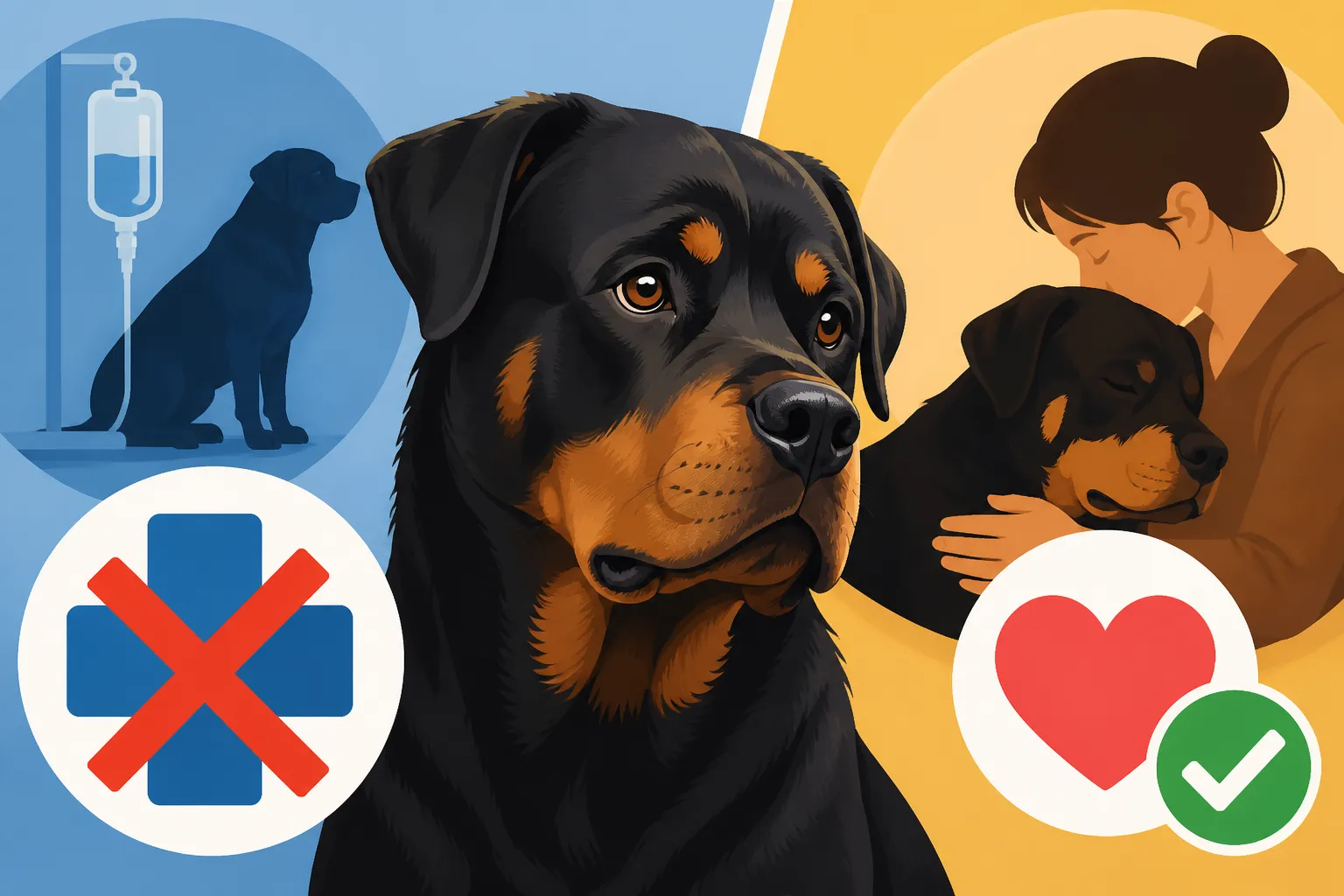
Once you've made the decision to cease active cancer treatment, the focus shifts entirely to palliative care. This phase is about maximizing your Rottweiler’s comfort, managing their pain, and ensuring their remaining time is filled with love and dignity. Work closely with your veterinarian to establish a robust pain management plan. This might include stronger pain medications, anti-inflammatory drugs, or other supportive therapies that don’t aim to cure but rather to alleviate suffering.
Create the most comfortable environment possible for your dog. This means soft bedding, easily accessible food and water bowls, and a quiet, warm space where they feel safe. Offer special foods that tempt their appetite, even if it's not their usual diet – sometimes a little plain chicken or rice can make a huge difference. Reduce strenuous activities and focus on gentle strolls or just spending quiet time together. This is a time for making memories, for showering them with affection, and for simply being present. It’s about ensuring every moment they have left is as good as it can possibly be. This often means embracing the concept of Palliative Care for a Rottweiler With Cancer.
Discussing End-of-Life Options with Your Vet
As their condition continues to decline, even with the best palliative care, there comes a point where their suffering becomes constant. This is the time for the final, most compassionate decision: euthanasia. It is an incredibly hard conversation to have, but your veterinarian is there to guide you. They can help you understand when quality of life has truly reached its end, and when it is time to prevent further suffering.
Discuss all your options openly. Many vets now offer Home Euthanasia for a Dog a Rottweiler's Size, which allows your dog to pass peacefully in the familiar, loving environment of your home, surrounded by their family. This can make the process significantly less stressful for your Rottweiler and for you. Knowing you've done everything you can, and that you're choosing to spare them from prolonged pain, is the ultimate act of kindness. While it leaves an immense void, it also offers a sense of peace, knowing your beloved companion crossed the rainbow bridge surrounded by warmth and love. Planning for this difficult time can be eased by considering resources like Rottweiler End-of-Life Planning at Nine.
Disclaimer
This article is intended for informational purposes only and does not constitute veterinary advice. Always consult with a qualified veterinarian for any health concerns or before making any decisions about your Rottweiler's medical care.