Helping a Senior Rottweiler Up the Stairs
It's heartbreaking to watch our beloved Rottweilers, once so powerful and agile, start to falter, especially when facing something as simple as a flight of stairs. That once-effortless leap or deliberate climb can become a monumental struggle, filled with hesitation, stiffness, and even pain, leaving both you and your loyal companion frustrated and worried. This guide is here to walk you through understanding why stairs become such a challenge for senior Rottweilers and, more importantly, how you can provide practical, compassionate help to maintain their independence and comfort.
Understanding Why Stairs Become a Challenge for Senior Rottweilers
As our big, magnificent Rottweilers enter their golden years, typically after the age of seven, their bodies, which once seemed indestructible, begin to show the signs of age. For a breed that carries substantial weight and has a powerful build, daily activities like navigating stairs place immense stress on joints and muscles. The difficulty isn't usually a sudden onset; it's a gradual decline that creeps up, making those familiar steps feel like Mount Everest.
The Impact of Arthritis and Joint Degeneration
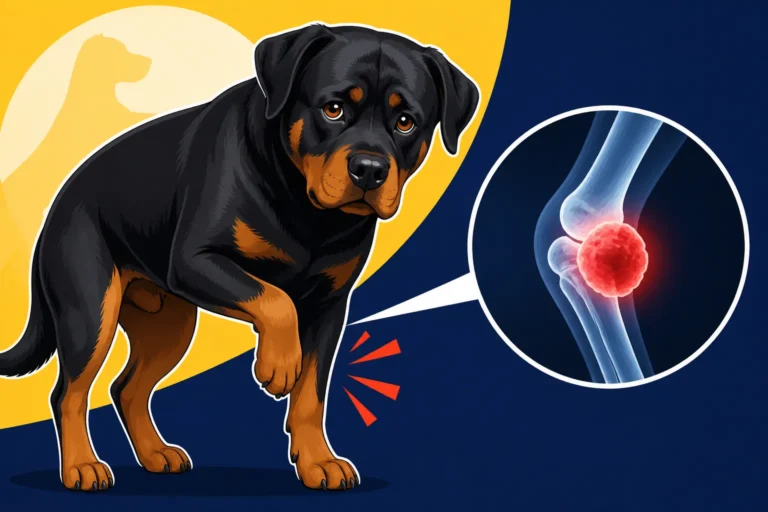
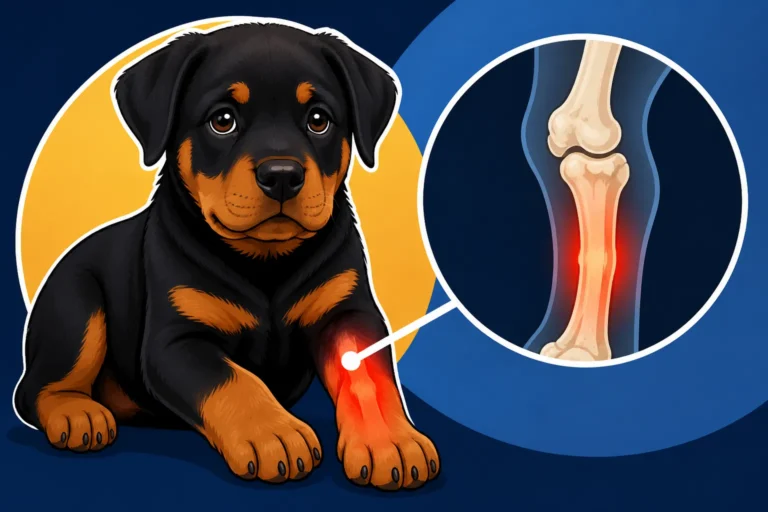
One of the primary culprits behind a senior Rottweiler's struggle with stairs is arthritis, or osteoarthritis, which is essentially the wear and tear of cartilage in the joints. Imagine years of carrying all that muscle and bone, the vigorous play, the powerful movements—it all takes a toll. Over time, the protective cartilage that cushions the bones at the joints starts to thin and break down. This leads to bone rubbing on bone, causing inflammation, pain, and reduced flexibility.
For a Rottweiler, whose weight puts significant pressure on its hips, elbows, and knees, this can be particularly debilitating. Climbing stairs requires a lot of flexion and extension in the hocks and stifles (knees) to push off, and strong extension in the hips and elbows to pull themselves up. Descending stairs is equally challenging, demanding excellent proprioception (awareness of body position) and strong leg muscles to absorb impact. When arthritis sets in, each step can send a jolt of pain through these compromised joints. It's not just a physical barrier; it's a painful one. We often see them hesitate, shift their weight awkwardly, or even refuse the stairs altogether, not out of stubbornness, but because it truly hurts. This issue can sometimes be linked back to predispositions like Rottweiler Hip Dysplasia and the OFA Grade or elbow dysplasia, which can worsen significantly with age.
Muscle Weakness and Loss of Coordination
Beyond joint pain, senior Rottweilers often experience sarcopenia, which is the age-related loss of muscle mass and strength. This natural process means the powerful hindquarters and forelegs that once propelled them with ease are simply not as robust. Think about how much muscle strength is required to lift a 100-pound dog's body weight up a step, or to control its descent without stumbling. When those muscles weaken, their ability to generate power for climbing and to stabilize themselves for descending diminishes considerably.
This muscle weakness can also lead to a loss of coordination. Their gait might become more wobbly, their footing less secure. They might misjudge the height or depth of a step, or place their paw incorrectly, leading to a stumble or a slip. This creates a vicious cycle: the fear of falling makes them more hesitant, which can further stiffen their movements and reduce their confidence. This isn't just about stairs; it can affect their overall Senior Rottweiler Mobility Decline, impacting everything from getting up from a lying position to walking on uneven ground. The lack of core strength also plays a part, as a strong core helps stabilize the entire body during movement.
Vision and Cognitive Decline
It's not always just physical pain or weakness; sometimes, our senior Rottweilers face cognitive and sensory challenges that make stairs daunting. As dogs age, their vision can decline, similar to how cataracts or other eye conditions can affect humans. Dim lighting on stairwells or changes in carpet patterns might make it harder for them to distinguish individual steps, leading to missteps and anxiety.
Furthermore, canine cognitive dysfunction (CCD), often compared to Alzheimer's in humans, can impact a senior dog's spatial awareness and problem-solving abilities. A dog with CCD might "forget" how to navigate a familiar staircase, become disoriented, or even get stuck. They might stare blankly at the steps, unable to process the sequence of movements required. This isn't intentional; it's a neurological change that affects their ability to plan and execute tasks they once did instinctively. Observing these changes can be distressing, as it points to a deeper neurological shift. If your Rottweiler seems confused or unusually hesitant, it’s worth discussing with your vet during their regular Vet Visit Frequency for a Senior Rottweiler appointments.
Practical Aids and Modifications for Stair Navigation
When your senior Rottweiler starts struggling with stairs, it’s a clear sign that you need to intervene. Doing nothing can lead to falls, injury, and increased anxiety for your dog. Thankfully, there are many practical solutions and home modifications that can make a huge difference, restoring some of their independence and easing your mind.
Harnesses and Slings for Assisted Climbing
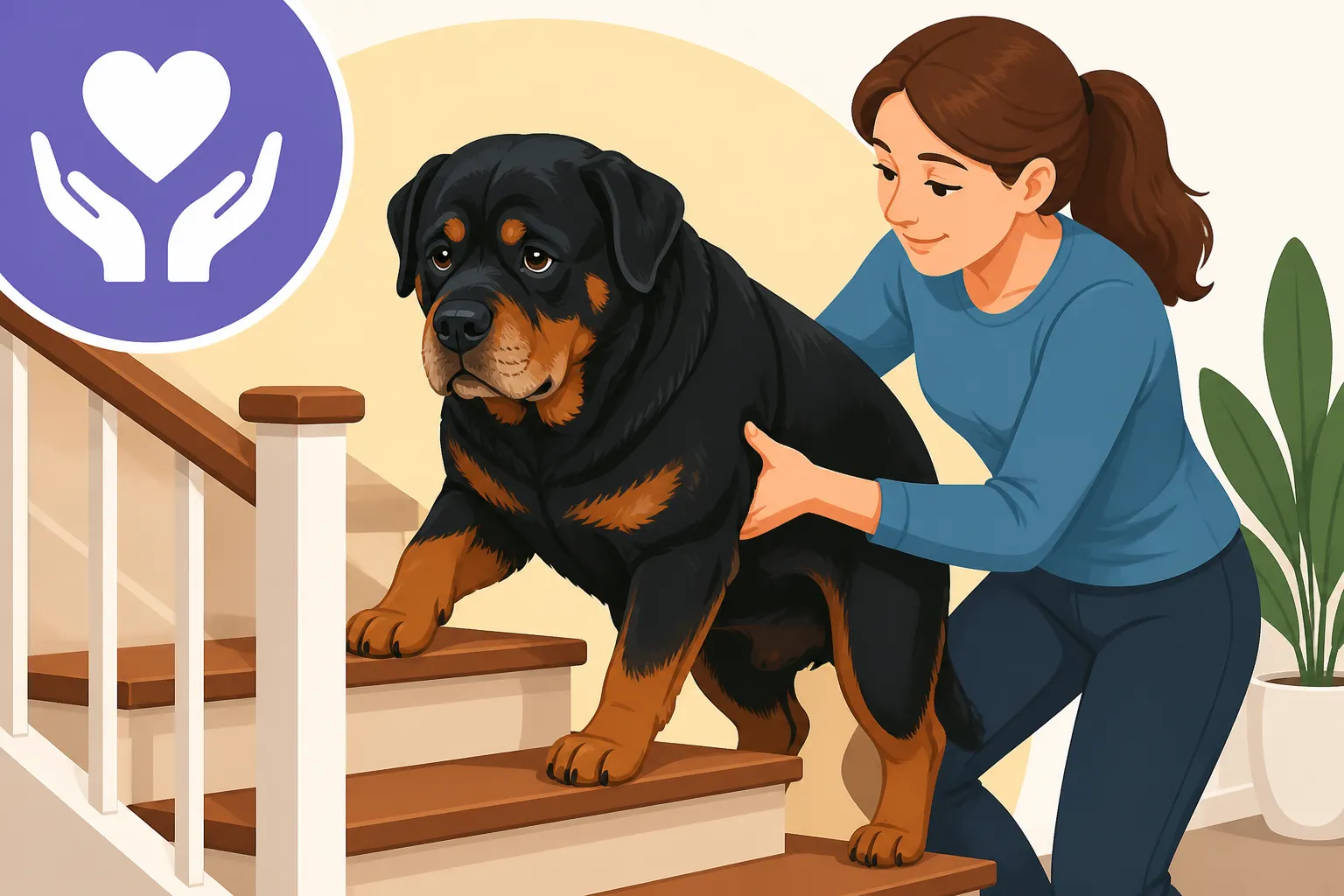
One of the most immediate and effective ways to help a senior Rottweiler with stairs is with a supportive harness or a dedicated lifting sling. These tools allow you to bear some of your dog's weight, providing the necessary lift and stability without putting strain on your back or your dog's sensitive joints.
- Full-Body Harnesses: These are often the best choice for large breeds like Rottweilers. A good full-body harness, like those from reputable brands such as Blue-9 or Hurtta, distributes weight evenly across the dog's chest and belly, with sturdy handles positioned over the back. This allows you to gently lift and guide your dog's front or hindquarters (or both, if using a harness with multiple handles) as they ascend or descend. The key is to find one that fits snugly but doesn't chafe, especially in the armpit area. When looking at options for Mobility Harnesses and Slings for a Rottweiler, prioritize durable materials and strong stitching. You want something that can truly support the substantial weight of a Rottweiler.
- Rear-Support Slings: If the primary weakness is in the hind legs, a simple rear-support sling can be incredibly helpful. These are typically padded wraps that go under your dog's belly, just in front of their hind legs, with handles for you to hold. They provide direct support to the hindquarters, making it easier for them to lift and place their back paws. Some even have a front component for balanced support.
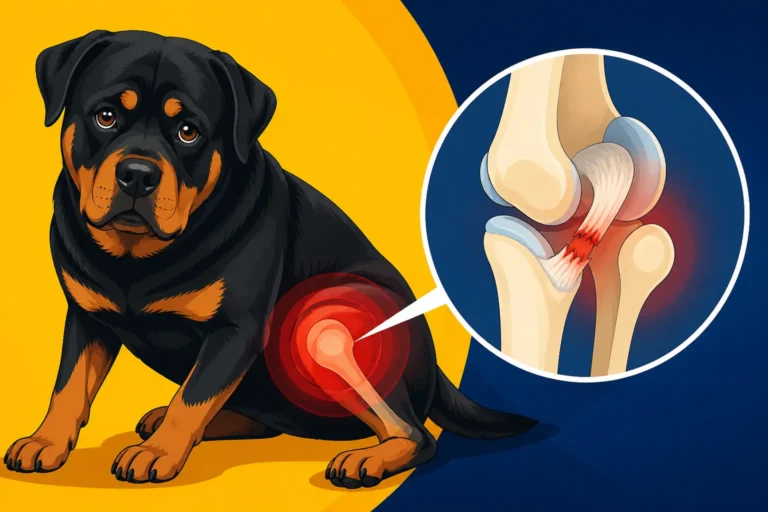
When using any assist device, always start slowly and practice on flat ground first. Let your dog get comfortable with the sensation of being supported. When approaching stairs, go one step at a time, offering consistent, gentle support. The goal is to assist, not to completely carry, so they still engage their muscles and maintain a sense of control. This can also be a valuable tool if your dog has recently undergone surgery, such as for a Cruciate Tears in a Heavy Rottweiler.
Ramps and Stair Treads as Alternatives
While harnesses are great for immediate assistance, long-term solutions might involve bypassing the stairs altogether or making them less treacherous. Ramps and stair treads are excellent ways to modify your home for senior Rottweilers.
- Ramps: If you have only a few steps or a staircase that can accommodate a ramp, this can be a fantastic option. Ramps provide a gentler incline, eliminating the jarring impact of individual steps. Look for sturdy, non-slip ramps designed for large breeds. Portable ramps can be used for getting in and out of cars or up onto furniture, while permanent or semi-permanent ramps can be installed for indoor or outdoor staircases. The incline is crucial; a too-steep ramp can be just as difficult as stairs. Aim for the shallowest incline possible, typically no more than a 20-25 degree angle, especially for a heavy dog with compromised joints.
- Stair Treads/Runners: For existing wooden or tiled staircases, the lack of traction can be a significant hazard. Non-slip stair treads or a carpet runner can dramatically improve footing and prevent slips and falls. Choose materials that offer good grip and are easy to clean. Secure them firmly to prevent them from shifting under your Rottweiler’s weight. While this doesn't reduce the physical effort of climbing, it significantly boosts confidence by eliminating the fear of slipping, which is a common cause of hesitation.
| Aid Type | Pros | Cons | Best Use Case |
|---|---|---|---|
| Full-Body Harness | Even weight distribution, secure, human-assisted | Requires human strength/presence, can be cumbersome for dog | Daily assistance, post-surgery, short flights of stairs |
| Rear-Support Sling | Targeted hindquarter support, relatively simple | Less support for front, only addresses rear weakness, human-assisted | Hind leg weakness, quick assists |
| Ramps | Eliminates steps, low impact, promotes independence | Takes up space, can be bulky, may not fit all staircases, cost | Gentle inclines, few steps, car access, long-term solution |
| Non-Slip Treads/Runner | Improves traction, relatively inexpensive, easy to install | Does not reduce physical effort, only addresses slipping | Slippery surfaces, existing stairs, boosting confidence |
Home Modifications and Safety Measures
Beyond specific aids, a few general home modifications can make a world of difference in preventing accidents and improving your senior Rottweiler's overall quality of life. Start by assessing your home from your dog's perspective.
- Improve Lighting: Ensure stairwells and pathways are well-lit. This helps dogs with declining vision better perceive their surroundings and avoid missteps. Nightlights can be particularly useful.
- Clear Clutter: Keep staircases and adjacent areas clear of any clutter that could become a tripping hazard for you or your dog.
- Gate Off Problem Areas: If certain staircases are particularly challenging or dangerous, consider gating them off to prevent unsupervised attempts. This is especially important if your Rottweiler spends time alone.
- Non-Slip Flooring: Beyond stairs, consider adding non-slip rugs or runners on slick floor surfaces (hardwood, tile) where your dog spends a lot of time. This reduces the effort required to stand up and walk, conserving energy for tasks like stairs. Brands like Pawsavers or Rug Grippers can help secure existing rugs.
- Raise Food and Water Bowls: For Rottweilers with neck or back arthritis, bending down to eat and drink can be painful. Elevated bowls can provide significant relief, though it's worth noting that for some deep-chested breeds, raised bowls have been controversially linked to a slightly higher risk of bloat, so discuss this with your vet. However, for a senior Rottweiler already struggling, the benefits of comfortable eating might outweigh the minimal risk, especially if combined with other bloat prevention strategies like smaller, more frequent meals.
Remember, the goal is to create an environment where your Rottweiler can move safely and comfortably, minimizing pain and the risk of injury. Every small modification contributes to their well-being.
Supportive Care Beyond the Stairs
While physical aids directly address the challenge of stairs, supporting your senior Rottweiler's overall health and mobility is paramount. A holistic approach that combines veterinary care, appropriate exercise, and thoughtful nutrition will make the most significant impact on their comfort and longevity.
Pain Management and Anti-Inflammatory Options
Addressing the underlying pain from arthritis and other age-related conditions is crucial. Many senior Rottweilers suffer in silence, and their reluctance to use stairs is often a direct indicator of discomfort. Your veterinarian is your best partner in developing an effective pain management plan.
- NSAIDs (Non-Steroidal Anti-Inflammatory Drugs): These are commonly prescribed to reduce inflammation and pain in arthritic joints. Medications like carprofen (Rimadyl), meloxicam (Metacam), or firocoxib (Previcox) can offer significant relief, allowing your dog to move more freely. However, long-term use requires regular monitoring of kidney and liver function through blood tests.
- Gabapentin: This medication is often used in conjunction with NSAIDs, particularly for neuropathic pain or when NSAIDs alone aren't sufficient. It helps manage chronic pain and can reduce anxiety related to movement.
- Amantadine: Sometimes added to pain protocols for chronic pain, especially in cases of osteoarthritis that aren't fully controlled by other medications.
- Injectable Therapies: Adequan Canine injections can help protect cartilage and improve joint fluid quality. Newer biologic injections, like Librela (for dogs), target nerve growth factor, which is involved in pain signaling, offering another avenue for long-lasting pain relief with monthly injections.
- Joint Supplements: While not a cure, supplements containing glucosamine, chondroitin, MSM, and Omega-3 fatty acids can support joint health and reduce inflammation. Brands like Dasuquin, Cosequin, or various fish oil supplements are popular. It’s important to remember that for giant breeds, these supplements might be most effective when started early, ideally before a Rottweiler turns two, to support healthy joint development and maintenance. Always discuss supplements with your vet to ensure they're appropriate and correctly dosed for your specific dog.
Effective pain control not only improves mobility but also enhances your dog's quality of life, making them more willing to engage in daily activities and enjoy their time with you. Remember that insurance providers like Healthy Paws can often help cover the costs of these ongoing medications and treatments, which can quickly add up for a large breed with chronic conditions.
Physical Therapy and Low-Impact Exercise
Even with pain relief, muscle weakness and stiffness can persist. Physical therapy and tailored exercise routines are invaluable for maintaining strength, flexibility, and overall mobility in senior Rottweilers. Just like humans, dogs benefit from targeted exercises to keep their bodies moving.
- Canine Physical Therapy: A certified canine rehabilitation therapist can develop a customized plan for your Rottweiler. This might include therapeutic exercises, hydrotherapy (swimming or underwater treadmill), laser therapy, and massage. These therapies focus on strengthening core muscles, improving balance, increasing range of motion in joints, and reducing pain without high-impact stress. Physical Therapy After Rottweiler Joint Surgery is common, but it's also highly beneficial for managing chronic arthritis.
- Gentle, Regular Exercise: While intense exercise is out, gentle, consistent movement is crucial. Short, frequent walks on soft surfaces (grass, dirt trails) are far better than one long, strenuous outing. Encourage slow, controlled movements. Activities like gentle leash walks, very short retrieves on flat ground, or simply encouraging them to stand and shift their weight can help maintain muscle tone. Avoid high-impact activities like jumping, running on hard surfaces, or prolonged stair climbing, which can exacerbate joint pain.
- Stretching and Massage: Gentle stretching, guided by a vet or therapist, can improve flexibility. Regular, gentle massage can also increase blood flow, reduce muscle stiffness, and provide comfort. Many senior Rottweilers enjoy the quiet attention of a gentle massage.
The key is consistency and moderation. Listen to your dog and stop if they show any signs of discomfort or fatigue. The goal isn't to push them, but to keep them moving comfortably and safely.
Nutritional Support and Weight Management
What goes into your Rottweiler's bowl can have a profound impact on their joint health and overall mobility. Proper nutrition and maintaining a healthy weight are critical for senior dogs.
- Senior-Specific Diets: Many premium dog food brands offer formulas specifically designed for senior dogs. These often have lower calorie content to help prevent weight gain (as senior dogs are less active), controlled protein levels, and often include added joint-supporting nutrients like glucosamine and chondroitin.
- Weight Management: This cannot be overstated for a breed like the Rottweiler. Every extra pound puts additional stress on already compromised joints. Keeping your Rottweiler lean is one of the most impactful things you can do to manage arthritis pain and improve mobility. If your dog is overweight, work with your vet to create a safe and gradual weight loss plan. This often involves precise portion control and potentially a prescription weight-management diet. The impact of Rottweiler Obesity and the Load It Adds to joints is immense and often overlooked.
- Supplementation: In addition to oral joint supplements, consider supplements that target inflammation, such as high-quality fish oil (rich in EPA/DHA) or turmeric. Again, always consult your vet before adding new supplements, as some can interact with medications or have adverse effects if not dosed correctly for a large dog.
Focus on feeding a balanced, high-quality diet appropriate for their age and activity level. Small changes in diet can lead to significant improvements in energy levels and comfort.
Maintaining Safety and Comfort for Your Senior Rottweiler
Our senior Rottweilers rely on us more than ever to ensure their comfort, dignity, and safety as they navigate the challenges of old age. Creating a supportive environment and staying vigilant about their health can make their golden years truly golden.
Regular Vet Checks and Early Intervention
As your Rottweiler ages, regular veterinary check-ups become even more critical. These aren't just routine visits; they are opportunities for early detection and proactive management of age-related conditions.
- Increased Frequency: Your vet might recommend more frequent visits, perhaps every six months, for senior dogs. This allows for closer monitoring of chronic conditions like arthritis, heart disease, or kidney issues that become more prevalent with age. These check-ups are also crucial for managing medications and adjusting dosages as needed.
- Comprehensive Bloodwork and Urinalysis: These tests provide vital insights into organ function, allowing your vet to catch potential problems like kidney disease or thyroid issues before they become severe. Early detection means earlier intervention, which can significantly improve outcomes.
- Pain Assessments: Be open and honest with your vet about any changes in your dog's mobility, behavior, or enthusiasm. Even subtle signs of pain, like reluctance to jump, difficulty rising, or a change in gait, should be discussed. Vets are skilled at identifying pain even when dogs try to hide it, which they often do.
- Specialist Referrals: If your Rottweiler's mobility issues are complex, your vet might recommend seeing a specialist, such as a veterinary orthopedist or a physical rehabilitation veterinarian. These specialists have advanced knowledge and tools to diagnose and treat specific conditions. For example, if there's significant joint degeneration, they might explore options beyond basic pain management, such as advanced imaging or different therapies.
Proactive veterinary care is the cornerstone of extending your Rottweiler's healthy, comfortable lifespan. Many serious conditions, if caught early, can be managed effectively, maintaining a good quality of life for your companion. Being proactive with care can also help you understand the potential impact of health issues like Rottweiler Growth Plates and Why They Close So Late from their youth on their current joint health.
Creating a Safe and Accessible Home Environment
Beyond addressing the stairs, making your entire home senior-friendly is essential. Think about every space your Rottweiler frequents and how you can optimize it for their comfort and safety.
- Designated Resting Spots: Ensure your senior Rottweiler has easily accessible, comfortable, orthopedic beds in several areas of the house. Orthopedic beds provide better support for aching joints than regular beds or hard floors. Brands like Big Barker or Mammoth Dog Beds offer sizes and support specifically for giant breeds.
- Rugs and Runners: As mentioned earlier, placing non-slip rugs on slick floor surfaces throughout the home will prevent slips and give them better traction, which reduces the effort required to stand up and walk.
- Eliminate Obstacles: Keep pathways clear of clutter, electrical cords, or small objects that could cause a trip or fall, especially for a dog with impaired vision or coordination.
- Food and Water Access: Ensure food and water bowls are easily reachable and stable. If you have multiple floors, consider having water bowls on each level to minimize the need for stair climbing.
- Outdoor Safety: Check your yard for uneven terrain, holes, or steep steps. Ensure secure fencing is in place, especially if your dog's cognitive function is declining. A senior dog might wander off if disoriented.
Creating an accessible home environment is an act of love. It allows your Rottweiler to move about their familiar territory with confidence and less pain, reducing anxiety for both of you.
Emotional Support and Patience
Perhaps the most important aspect of caring for a senior Rottweiler is providing unwavering emotional support and boundless patience. Witnessing their decline can be tough, but your calm presence and understanding are invaluable.
- Recognize Their Efforts: Appreciate every effort they make, no matter how small. Praise them for successfully navigating a few steps, or for simply getting up from their bed. Positive reinforcement goes a long way.
- Maintain Routine: Senior dogs often thrive on routine, which provides a sense of security and predictability, especially if they are experiencing cognitive decline. Keep feeding times, walk schedules, and bedtime consistent.
- Quality Time: Spend quality time with your senior Rottweiler. Gentle petting, quiet cuddles, or just sitting together can provide immense comfort. Their need for companionship doesn't diminish with age; if anything, it grows stronger.
- Be Patient with Accidents: As mobility declines and bladder control sometimes lessens, indoor accidents can happen. Respond with patience and understanding, not anger or frustration. It’s not their fault, and scolding will only increase their stress. Consider waterproof bed liners or washable area rugs if this becomes a regular issue.
- Know When to Say Goodbye: This is the hardest part of owning any dog, especially one as cherished as a Rottweiler. Pay close attention to their quality of life. Are they still enjoying food? Do they have moments of joy? Are they in constant pain that can no longer be managed? This is a deeply personal decision, and discussions with your vet, family, and a lot of self-reflection are necessary. Resources like the Lap of Love organization offer guidance and support for Making End-of-Life Decisions for a Rottweiler.
Caring for a senior Rottweiler is a testament to the incredible bond you share. By addressing their physical needs with practical aids, supportive veterinary care, and an accessible home, and by nurturing their emotional well-being with love and patience, you can ensure their golden years are as comfortable and joyful as possible, even when facing the challenge of a flight of stairs.
Disclaimer
The information provided in this article is for general informational purposes only and is not a substitute for professional veterinary advice. Always consult with a qualified veterinarian regarding your Rottweiler's specific health concerns, medical conditions, and treatment options.