Cracked Teeth in a Rottweiler That Chews Hard
It's truly alarming when you notice something amiss with your big, powerful Rottweiler, especially when it concerns their mouth. Many Rottweiler owners eventually discover a chipped or cracked tooth, often after a period of intense chewing or a particularly boisterous play session. This guide will walk you through why these mighty dogs are prone to dental fractures, how to spot the subtle and obvious signs, what treatment options are available, and most importantly, how to prevent these painful injuries in the future.
Why Rottweilers Are Prone to Cracked Teeth
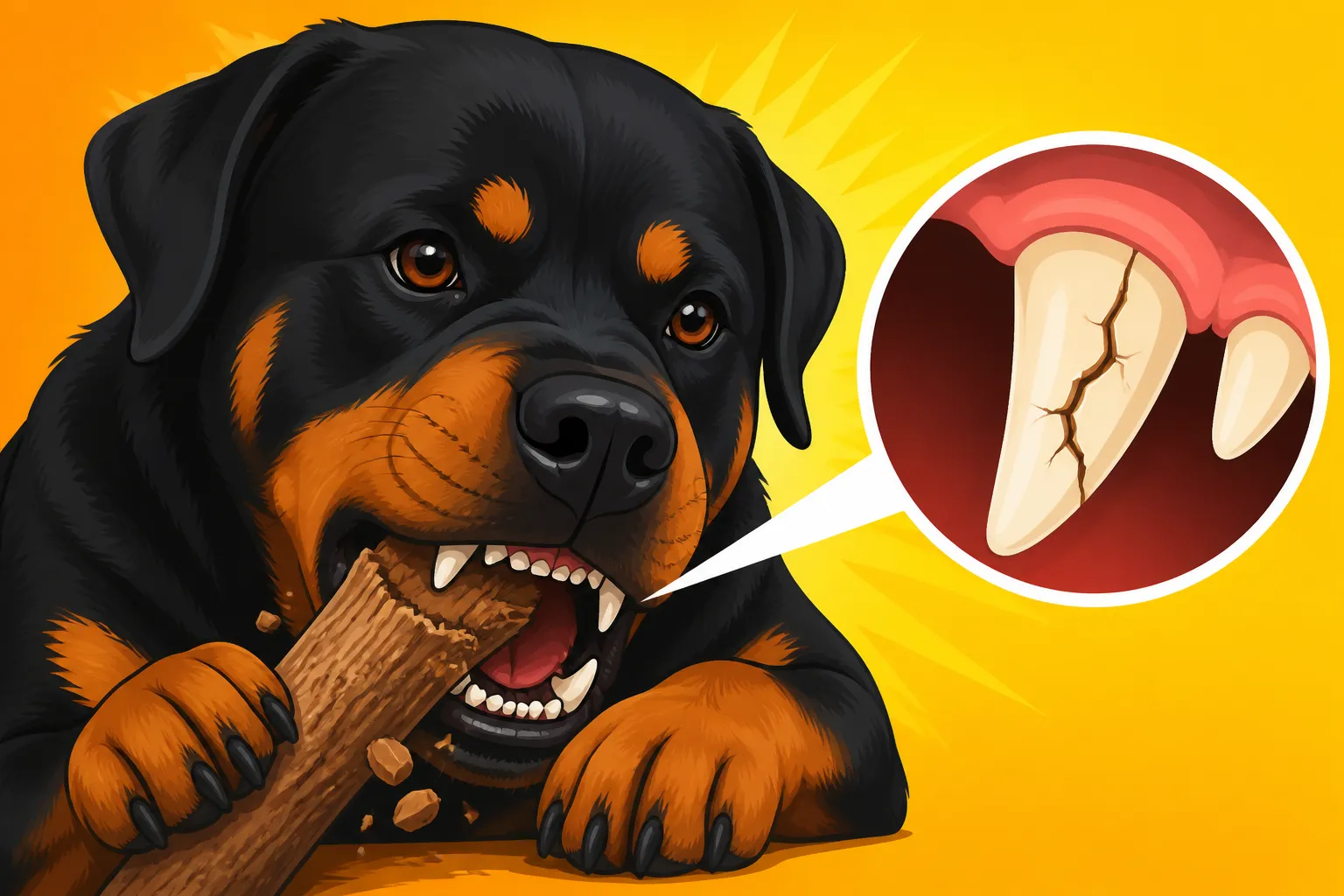
Rottweilers are renowned for their strength, and that extends right to their powerful jaws and formidable bite force. While this strength is a hallmark of the breed, it also puts them at a higher risk for dental injuries, particularly cracked teeth, especially when they encounter items that are simply too hard for their teeth. It's a common frustration for owners who just want to give their dogs something satisfying to chew on, only to find it leads to a costly and painful problem.
The Incredible Strength of a Rottweiler's Jaw
Let's be honest, a Rottweiler's jaw is a force of nature. These dogs were historically bred as working dogs, driving cattle and guarding goods, tasks that required immense physical power and determination. That same genetic predisposition for strength translates into a bite force that can easily crush most toys and even some materials you might assume are safe. Estimates for a Rottweiler's bite force often hover around 328 pounds per square inch (PSI), though some sources suggest it can be even higher. To put that in perspective, the average human bite force is around 120-160 PSI. This sheer power, while impressive, makes their teeth susceptible to fractures when confronted with inappropriate chewing materials.
When you see your Rottweiler happily demolishing a seemingly indestructible chew toy, it's easy to assume their teeth are invincible. However, even the strongest teeth have their limits. The forces at play during vigorous chewing can cause tiny stress fractures to form, which can then propagate into a full-blown crack or slab fracture over time. It's a slow, insidious process until one day you see the damage, and the guilt of unknowingly providing a harmful chew can be immense. Understanding "Why Rottweiler Puppies Chew Harder Than Most" can help you appreciate this natural inclination and guide you toward safer options from an early age.
Common Culprits: What Breaks Those Teeth
The list of "tough chews" marketed to dog owners is unfortunately long, and many of them are simply too hard for a Rottweiler's teeth. Think about it: if you can't indent it with your thumbnail, or if it feels like you could crack a human tooth on it, it's likely too hard for your dog's teeth too. Bones, antlers, hard nylon toys, hooves, and even ice cubes are frequently responsible for dental fractures in strong chewers like Rottweilers. While your dog might love them, the risk of a broken tooth far outweighs any perceived benefit.
Many owners, myself included, have fallen into the trap of buying those "long-lasting" chews, hoping to keep our powerful chewers occupied for hours. It’s devastating to realize later that the very thing meant to bring joy actually caused significant pain and expensive vet visits. It's a hard lesson to learn, but one that's crucial for any Rottweiler owner. For a deeper dive into safe options, you might find our guide on "Chews That Do Not Crack a Rottweiler Molar" particularly helpful.
| Chew Type | Rottweiler Tooth Risk | Reason | Safe Alternatives |
|---|---|---|---|
| Antlers | Very High | Extremely hard, no "give." | Rubber chew toys (e.g., Kongs), dental chews |
| Real Bones (Cooked/Raw) | Very High | Cooked bones splinter, raw bones are too dense; bacterial risk. | Raw meaty bones (supervised), edible dental chews |
| Ice Cubes | High | Too hard, especially for molars; can cause micro-fractures. | Frozen KONGs with dog-safe fillings |
| Hard Nylon Bones | High | Very dense, inflexible material. | Flexible rubber toys, softer nylon chew toys |
| Hooves | High | Very hard and brittle, prone to splintering. | Bully sticks (supervised), softer natural chews |
| Cow/Pig Ears | Low-Moderate | Generally softer, but can still be hard if dried excessively. | Soft chews, appropriate dental treats |
| Dental Chews (Veterinary Approved) | Low | Designed to be abrasive but flexible; often enzymatic. | (These are the safe alternatives!) |
Recognizing the Signs of a Cracked Tooth
One of the most challenging aspects of dental issues in dogs is that they are masters at hiding pain. It's an instinctual behavior, rooted in their wild ancestors' need to appear strong and avoid showing weakness. This means you might not see obvious signs of a cracked tooth until the problem has become quite severe, which adds to the stress and worry for any caring owner. Learning to read your dog's subtle cues is vital.
Subtle Behavioral Changes to Watch For
Since your Rottweiler can't tell you in words that their tooth hurts, you have to become a detective of their daily habits. If you notice your usually enthusiastic eater suddenly hesitating before diving into their meal, or chewing predominantly on one side of their mouth, it could be a sign of oral pain. Sometimes they might drop food more often or seem to prefer softer kibble or wet food over their usual crunchy fare. Excessive drooling, pawing at their mouth, or a sudden aversion to having their face touched are also big red flags that something is wrong.
Even a slight decrease in their usual energy or playfulness can indicate discomfort. They might become a bit more withdrawn or even a little grumpy, which is often mistaken for just "being a Rottweiler" or getting older. But a sudden shift in temperament, especially around meal times or chew time, warrants a closer look. This is where your bond with your Rottweiler truly pays off – knowing their normal behaviors helps you spot the abnormal. If you're observing these kinds of changes, it's time to call your vet.
Visible Signs and What to Look For
While behavioral changes are key, there are also visible signs that can confirm your suspicions. It's not always easy to get a good look inside a Rottweiler's mouth, especially if they're already in pain, but if you can, inspect their teeth carefully. Look for any chips in the enamel, especially on the large molars towards the back of the mouth, which are often called carnassial teeth and take the brunt of the chewing force. A discolored tooth, appearing grayish or purplish, can indicate that the tooth's pulp (the living tissue inside) has died due, potentially to trauma or infection stemming from a crack.
The most critical sign is an exposed pulp chamber, which looks like a dark spot or hole in the center of the tooth. This means the nerve is exposed, causing excruciating pain and creating a direct pathway for bacteria into the tooth and potentially into the bloodstream. You might also notice redness or swelling around the gum line of a particular tooth. If your Rottweiler allows it, gently feel along their jaw for any swelling or warmth. Any of these visible signs means an immediate vet visit is in order.
Treatment Options for a Rottweiler's Dental Injury
Discovering your Rottweiler has a cracked tooth can be a gut-wrenching experience, not just because of the pain your dog is in, but also because of the worry about treatment and potential costs. It's completely normal to feel overwhelmed. The good news is that veterinary dentistry has advanced significantly, offering several effective solutions to get your Rottweiler comfortable again.
The Veterinary Exam and Diagnostic Steps
When you bring your Rottweiler in for suspected dental pain, your veterinarian will first perform a thorough oral examination. Often, this requires sedation or even general anesthesia, especially if your dog is in a lot of pain or is simply not keen on having their mouth pried open. This isn't just to make it easier for the vet; it's to ensure your Rottweiler's comfort and allow for a complete, stress-free assessment. During this exam, the vet will carefully check each tooth, probe for pockets, and look for any visual signs of damage, swelling, or infection.
The crucial next step is dental X-rays. Just like in human dentistry, what's visible on the surface of the tooth is only half the story. X-rays allow the vet to see the roots of the teeth, the bone surrounding them, and any hidden damage that might not be apparent to the naked eye. This can reveal the full extent of a fracture, detect abscesses, or identify other underlying issues that contribute to the problem. Without these X-rays, treatment might not be as effective, as the true source of the pain could be missed. Remember, "Why a Rottweiler Dental Costs More to Anesthetise" is often related to their size, making comprehensive care even more important.
Extraction Versus Root Canal Therapy
Once the diagnosis is clear, your vet will discuss the best course of action. Generally, there are two primary options for a cracked tooth with pulp exposure: extraction or root canal therapy. Each has its own implications, and the choice often depends on the specific tooth involved, the extent of the damage, and your budget.
Extraction (Tooth Removal): This is often the most straightforward and definitive solution, especially for teeth that are severely damaged, infected beyond repair, or if root canal therapy isn't a viable option due to cost or specialist availability. The affected tooth is surgically removed, and the gum tissue is then closed over the empty socket. While it sounds drastic, dogs adapt remarkably well to missing teeth, even large molars, and are usually much happier once the source of chronic pain is gone. The recovery involves pain management and a period of soft food. This can be a significant unexpected expense, and having pet insurance like Healthy Paws can truly be a lifesaver, helping to cover a large portion of these sudden surgical costs.
Root Canal Therapy: Similar to humans, a root canal aims to save the damaged tooth. This procedure is typically performed by a veterinary dental specialist. The infected or damaged pulp tissue is removed from inside the tooth, the canal is cleaned and disinfected, and then it's filled and sealed to prevent future infection. The tooth is often capped with a crown to protect it. Root canals are usually recommended for strategically important teeth, like canines or major molars, where their presence is crucial for chewing or maintaining jaw structure. This option is generally more expensive and requires specialized expertise. Again, for complex procedures like this, the financial assistance from a comprehensive pet insurance plan, such as one from Healthy Paws, can make the difference between pursuing the best possible care and having to make difficult choices based on cost alone. Our article on "Rottweiler Surgery Costs From Bloat to Bone Cancer" provides more context on general veterinary expenses you might encounter.
Preventing Future Dental Damage
After going through the ordeal of a cracked tooth, the last thing any Rottweiler owner wants is a repeat performance. Preventing future dental damage is absolutely paramount, not just for your dog's comfort, but also for your peace of mind and wallet. It requires a conscious effort to adjust habits and choose appropriate products.
Choosing Safe Chews for a Powerful Chewer
This is perhaps the single most important step in preventing cracked teeth. As we discussed, a Rottweiler's powerful jaws demand carefully selected chews. The general rule of thumb is: if you can't bend it, break it, or make an indentation in it with your fingernail, it's too hard for your dog's teeth. Avoid antlers, real bones (cooked or raw), ice cubes, and excessively hard nylon toys.
Instead, opt for softer, more flexible options. Rubber chew toys like those made by Kong are excellent, as they provide satisfying resistance without being rigid enough to cause fractures. Dental-specific chews designed to be abrasive yet pliable can also be good, but always ensure they are appropriately sized for a large breed like a Rottweiler and are consumed safely. Supervised chewing sessions are always best, regardless of the chew type. Look for toys and chews specifically labeled for "aggressive chewers" but also test them for flexibility. Brands like Nylabone offer softer, flexible nylon options alongside their harder ones; make sure you're picking the flexible ones for your powerful Rottweiler. Our full guide on "Antlers and Bones a Rottweiler Should Not Have" offers even more specific advice on what to avoid.
Regular Dental Hygiene and Check-ups
While preventing fractures is about chew choice, maintaining overall oral health is about consistent hygiene. Daily tooth brushing is the gold standard for preventing tartar buildup and gum disease, which can weaken teeth and make them more susceptible to injury. Use a dog-specific toothpaste and a large dog toothbrush. It might seem daunting with a Rottweiler, but starting early and making it a positive experience can make a huge difference.
Beyond at-home care, regular veterinary dental check-ups are essential. Your vet can spot early signs of wear, minor chips, or gum inflammation that might escalate into bigger problems. Depending on your Rottweiler's individual needs and chewing habits, your vet might recommend professional dental cleanings under anesthesia every one to two years. These cleanings allow for thorough scaling, polishing, and full mouth X-rays, addressing any issues before they become emergencies. Investing in a robust pet insurance plan, such as one from Healthy Paws, can certainly help offset the costs associated with both routine dental cleanings (if part of a wellness add-on) and unexpected dental emergencies. Prioritizing consistent dental care is a major component of ensuring a long, healthy lifespan for your Rottweiler, as discussed in our article on "Rottweiler Dental Disease and Cracked Teeth".
Disclaimer
The information provided in this article is for educational purposes only and is not a substitute for professional veterinary advice. Always consult with a qualified veterinarian for any health concerns or before making any decisions related to your Rottweiler's health and treatment.