What the Cardiologist Looks For in a Rottweiler Heart
It’s incredibly unnerving when your powerful, loyal Rottweiler shows signs of something being off, especially when it might involve their heart. Hearing a vet mention a heart murmur or even hinting at a potential cardiac issue can send shivers down any devoted owner's spine. This comprehensive guide aims to pull back the curtain on what exactly a veterinary cardiologist is looking for when they examine your Rottweiler's heart, demystifying the process and helping you understand the vital diagnostic steps involved.
The Initial Consultation: More Than Just a Listen
When you first bring your Rottweiler to a veterinary cardiologist, it’s not just about a quick listen with a stethoscope. This initial visit is a crucial deep dive into your dog's history, current symptoms, and a thorough physical examination specifically geared towards detecting subtle clues of heart disease. It’s an opportunity for the specialist to gather every piece of the puzzle before recommending specific diagnostic tests.
Gathering Your Rottweiler's Detailed History
Before the stethoscope even comes out, a good cardiologist will want to know everything about your Rottweiler’s health journey. This includes things like when you first noticed any changes in their energy levels, if they’re coughing, experiencing any fainting spells, or if their breathing seems heavier than usual. They’ll ask about their appetite, weight changes, and exercise tolerance. For a large breed like a Rottweiler, these details are paramount because conditions like Subaortic Stenosis in Rottweiler Puppies or Dilated Cardiomyopathy in a Rottweiler can manifest with incredibly varied symptoms.
Think about your daily routine with your dog. Do they tire out faster on walks? Are they reluctant to play fetch for as long as they used to? Have you noticed any unusual panting when they’re resting, or a sudden, unexplained collapse? Even something as seemingly minor as a change in bark or a decrease in their usual enthusiasm can be a tell-tale sign that a cardiologist needs to consider. The more information you can provide, the clearer the picture the specialist can form. They’ll also want to know about any medications your dog is currently taking, their diet, and any previous health issues, even if they seem unrelated. Family history is often important too, as many cardiac conditions in Rottweilers have a genetic component.
The Targeted Physical Examination
A cardiologist's physical exam goes beyond what your regular vet might do, focusing intensely on indicators of cardiac health. They're not just checking general wellness; they're on a mission to find specific signs. First and foremost, they'll meticulously listen to your Rottweiler's heart for murmurs and arrhythmias. A heart murmur, for instance, is often the first red flag for conditions like subaortic stenosis (SAS), which is unfortunately common in Rottweilers. However, not all murmurs are cause for alarm, and some perfectly healthy dogs can have what's called an "innocent murmur." The cardiologist’s job is to differentiate between these and grade its intensity, location, and timing. You might have already heard your primary vet discuss How Vets Grade a Rottweiler Heart Murmur, and the specialist will take this a step further.
Beyond listening to the heart, they will carefully palpate pulses in different locations to assess their strength and rhythm, checking for any discrepancies that might indicate a problem with blood flow. They’ll also examine your dog’s mucous membranes (gums) for color, looking for signs of poor circulation or oxygenation. Lung sounds are critical too; crackles or wheezing can indicate fluid buildup, a sign of congestive heart failure. They’ll also feel your Rottweiler’s abdomen for any fluid accumulation (ascites) and check for swelling in the limbs (edema), both of which can be secondary effects of heart disease. Every detail, from the weight of your Rottweiler to the way they breathe, contributes to the cardiologist's initial assessment.
Diagnostic Tools for a Rottweiler Heart
Once the history is taken and the physical exam is complete, the cardiologist will often recommend a series of diagnostic tests. These tests are the heavy hitters, providing detailed insights into the structure, function, and electrical activity of your Rottweiler's heart. They move beyond what the human ear can detect, giving visual and electrical readings that are indispensable for an accurate diagnosis.
The Gold Standard: Echocardiogram (Echo)
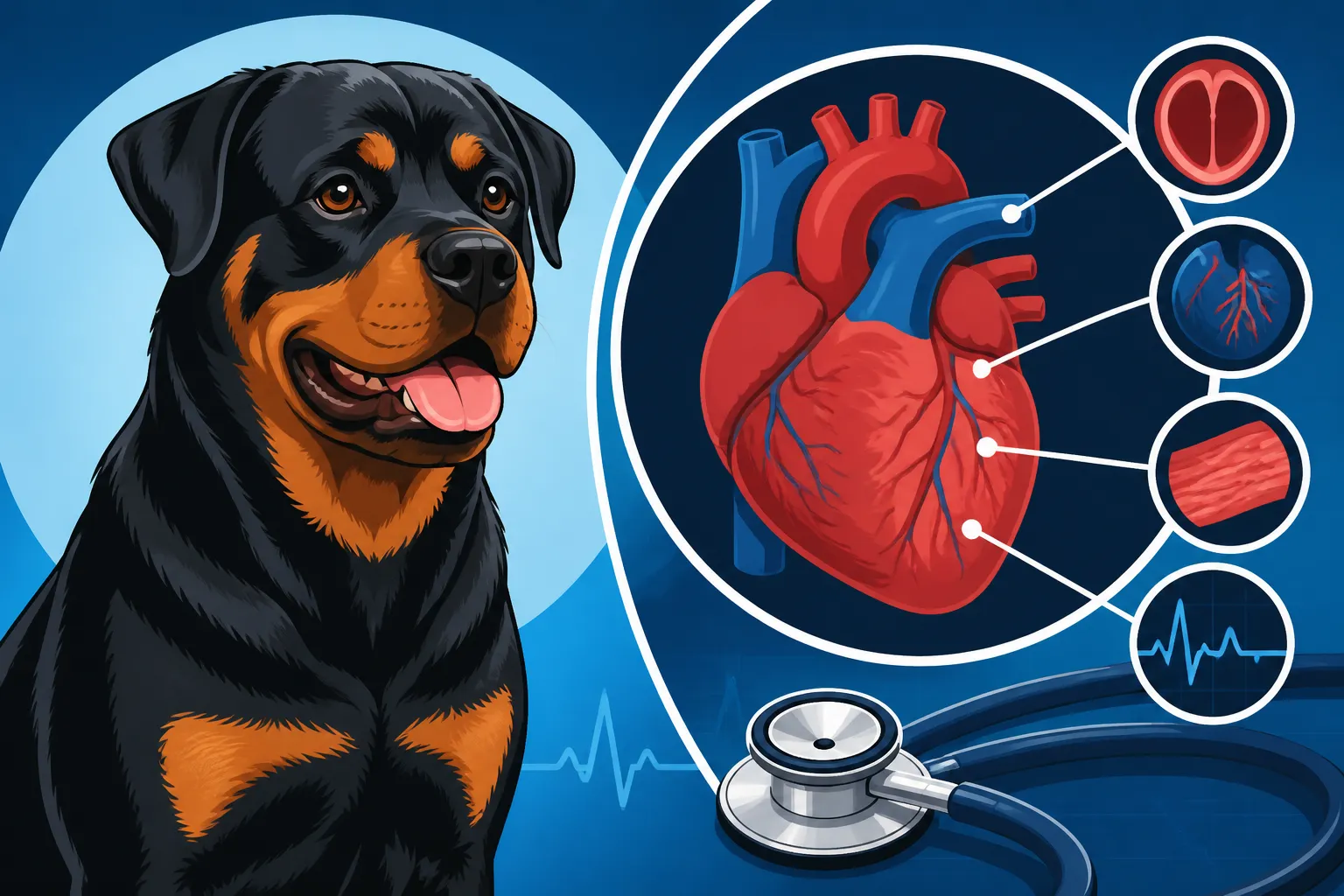
For diagnosing heart conditions in Rottweilers, the echocardiogram (often simply called an "echo") is truly the gold standard. It's essentially an ultrasound of the heart, providing real-time images of the heart's chambers, valves, and surrounding structures. This non-invasive test allows the cardiologist to see how well the heart muscle is contracting, how blood is flowing, and whether there are any structural abnormalities. For a breed predisposed to conditions like Subaortic Stenosis (SAS) or Dilated Cardiomyopathy (DCM), an echo is indispensable.
During an echocardiogram, your Rottweiler will typically lie comfortably on a special table, often on their side, with a small patch of fur shaved to ensure good contact for the ultrasound probe. The cardiologist will then apply a special gel and move the probe across the chest. What they are looking for is incredibly specific:
- Chamber Size and Wall Thickness: For DCM, they'll look for enlarged heart chambers and thinned walls, indicating a weakened heart muscle. For SAS, they might see a thickened left ventricle wall as the heart works harder to pump blood past the obstruction.
- Valve Function: They assess if the heart valves are opening and closing properly, checking for any leaks (regurgitation) or narrowing (stenosis) that impedes blood flow. In SAS, the specific area below the aortic valve is meticulously examined for any restrictive tissue or narrowing that creates an obstruction.
- Blood Flow Velocity: Using Doppler ultrasound, they can measure the speed and direction of blood flow through the heart. Abnormally high velocities, especially across the aortic valve, are a key indicator of SAS.
- Contractility: They will measure the ejection fraction and fractional shortening, which are indicators of how efficiently the heart muscle is squeezing blood out to the body. Reduced contractility is a hallmark of DCM.
An echocardiogram is not only crucial for initial diagnosis but also for monitoring the progression of heart disease and evaluating the effectiveness of treatment. Many reputable breeders will have their Rottweilers undergo The Rottweiler Echocardiogram at Two Years Old as part of their health clearances, specifically looking for inherited conditions.
Assessing Electrical Activity: Electrocardiogram (ECG/EKG) and Holter Monitor
While an echocardiogram provides a visual of the heart's structure and function, an electrocardiogram (ECG or EKG) focuses on its electrical activity. The heart beats due to electrical impulses, and an ECG records these signals, detecting any irregularities in rhythm or rate, known as arrhythmias. In Rottweilers, arrhythmias can be a significant concern, especially in cases of Dilated Cardiomyopathy (DCM), where the weakened heart muscle can lead to chaotic electrical activity.
For a standard ECG, small electrodes are attached to specific points on your Rottweiler’s skin, usually on their elbows and knees. This is a quick and painless procedure that usually takes just a few minutes. The cardiologist will be looking for:
- Heart Rate: Is it too fast (tachycardia) or too slow (bradycardia)?
- Rhythm: Is the beat regular or irregular? Are there any skipped beats or extra beats?
- P, QRS, and T Waves: These represent different phases of the heart's electrical cycle. Abnormalities in their shape, duration, or timing can indicate specific types of arrhythmias or conduction issues.
Because some arrhythmias are intermittent and may not be present during a brief ECG, a cardiologist might recommend a Holter monitor. This is essentially a portable, wearable ECG device that continuously records your Rottweiler’s heart activity over 24 to 48 hours while they go about their normal routine at home. This is invaluable for catching those elusive, sporadic arrhythmias that could be missed in a short clinic visit, providing a much more complete picture of their heart's electrical performance throughout a typical day and night.
X-rays and Blood Pressure Measurement
While not as detailed as an echocardiogram, chest X-rays (radiographs) still play an important role in the overall cardiac workup for a Rottweiler. They allow the cardiologist to assess the overall size and shape of the heart in relation to the chest cavity, and more importantly, to evaluate the lungs. When a dog develops congestive heart failure, fluid often backs up into the lungs (pulmonary edema) or accumulates around the lungs (pleural effusion). X-rays can clearly show this fluid, indicating the severity of heart failure and guiding treatment decisions. They can also reveal the presence of an enlarged left atrium or other changes indicative of specific heart conditions.
Measuring blood pressure is another routine but vital component of a comprehensive cardiac exam. High blood pressure (hypertension) can put extra strain on the heart and other organs, while low blood pressure (hypotension) can indicate poor cardiac output or other systemic issues. The cardiologist will use a cuff, similar to those used on humans, placed around your Rottweiler’s leg or tail to get a reading. Abnormal blood pressure can be both a cause and an effect of various heart diseases, and managing it is often a key part of the treatment plan.
Specialized Blood Tests
Beyond the immediate cardiac tests, a cardiologist will also consider various blood tests. These aren't necessarily looking directly at the heart's structure, but rather at its secondary effects and overall body health.
Biomarkers: Specific blood tests, such as those measuring cardiac troponin (a marker of heart muscle damage) or NT-proBNP (a marker indicating stretching of heart muscle due to increased pressure or volume), can provide valuable information about the presence and severity of heart disease, even before clinical signs are evident. These can be particularly useful for screening or monitoring progression.
General Bloodwork (CBC & Chemistry Panel): A complete blood count (CBC) can reveal anemia (which can exacerbate heart disease) or signs of infection. A chemistry panel assesses kidney and liver function, which is critical because these organs can be affected by heart disease and many heart medications are processed by them. This also helps the cardiologist ensure that any prescribed medications are safe for your individual dog. If your Rottweiler needs treatment, knowing their baseline organ function is crucial for monitoring. Many pet owners, especially those with larger breeds prone to various health issues, consider pet insurance from providers like Healthy Paws to help manage the costs of these extensive diagnostic workups and ongoing treatments.
Understanding the Cardiologist's Findings
After all the tests are performed, the cardiologist will meticulously analyze the results. This is where their specialized expertise truly shines, as they piece together all the information to arrive at a diagnosis and discuss the implications for your Rottweiler's health and future.
Diagnosing Common Rottweiler Heart Conditions
Rottweilers, sadly, are predisposed to certain heart conditions, making a cardiologist's precise diagnosis even more critical.
- Subaortic Stenosis (SAS): This is one of the most common congenital heart defects in Rottweilers. The cardiologist will look for a fibrous ring or tissue located just below the aortic valve, which obstructs blood flow out of the heart. The echocardiogram will show this obstruction clearly, along with increased blood flow velocity through the narrowed area, and often, secondary thickening of the left ventricle wall. While it can vary in severity, SAS can lead to heart failure or sudden death. If your Rottweiler has been diagnosed with SAS, you might want to learn more about Rottweiler Heart Disease and Subaortic Stenosis.
- Dilated Cardiomyopathy (DCM): This is another serious condition where the heart muscle becomes weakened and thinned, leading to enlarged chambers and a decreased ability to pump blood effectively. The echo will reveal significantly enlarged left ventricle and atrium, with poor contractility (weak squeeze). The ECG/Holter monitor will often show arrhythmias, which can sometimes be the first noticeable symptom of DCM. Understanding this diagnosis is vital, and information on Dilated Cardiomyopathy in a Rottweiler can be helpful.
It's important to remember that early detection of these conditions can sometimes lead to better management and potentially a longer, more comfortable life for your dog.
Staging Heart Disease and Prognosis
Once a diagnosis is made, the cardiologist will "stage" the heart disease. This staging system helps categorize the severity of the condition and guides treatment recommendations. For example, the American College of Veterinary Internal Medicine (ACVIM) developed a widely used staging system for Canine Chronic Valvular Heart Disease (Stages A, B1, B2, C, and D), and similar principles apply to other conditions.
- Stage A: At risk, but no structural heart disease. For Rottweilers, this might include those with a genetic predisposition to SAS or DCM.
- Stage B: Structural heart disease is present, but no clinical signs of heart failure. This is often when SAS or DCM is first detected, perhaps during a routine check-up or pre-breeding screening. Stage B can be further divided (e.g., B1 without significant heart enlargement, B2 with significant enlargement).
- Stage C: Current or previous clinical signs of congestive heart failure. This means your Rottweiler has experienced symptoms like coughing, difficulty breathing, or fainting, and fluid buildup is likely present in the lungs or abdomen.
- Stage D: End-stage heart failure, refractory to standard treatment.
The stage of the disease significantly impacts the prognosis (the likely course of the disease) and the treatment plan. A cardiologist will discuss what this means for your individual Rottweiler, explaining potential challenges, expected lifespan, and quality of life considerations. This conversation can be difficult, but having a clear understanding of the prognosis helps you make informed decisions about your dog’s care.
What to Do After a Heart Diagnosis
Receiving a heart diagnosis for your beloved Rottweiler can feel overwhelming, but it's important to remember that a diagnosis is the first step towards a management plan. While some heart conditions are not curable, many can be effectively managed with medication, lifestyle adjustments, and regular monitoring, helping your dog maintain a good quality of life.
Treatment Options and Medication Protocols
The treatment plan for your Rottweiler's heart condition will be highly individualized, depending on the specific diagnosis, the stage of the disease, and your dog's overall health. The cardiologist will likely prescribe a combination of medications designed to support heart function, control fluid buildup, and manage any arrhythmias.
For conditions like SAS, while there's no surgical cure for the fibrous ring itself, medications might be used to reduce the heart's workload and manage secondary effects. For DCM, the goal is often to improve the heart's pumping ability, control arrhythmias, and prevent or manage congestive heart failure. Common medications include:
- Diuretics: Like Furosemide, these help remove excess fluid from the body, reducing fluid in the lungs and abdomen.
- ACE Inhibitors: Medications like enalapril or benazepril help relax blood vessels, reducing the workload on the heart.
- Pimobendan: This drug is a positive inotrope, meaning it helps the heart muscle contract more forcefully, and also acts as a vasodilator. It is commonly used in dogs with DCM and some forms of advanced SAS.
- Anti-arrhythmics: Drugs like sotalol or mexiletine are used to control abnormal heart rhythms that can be life-threatening.
- Beta-blockers: Sometimes used for SAS to slow the heart rate and reduce oxygen demand.
It’s absolutely crucial to administer all medications exactly as prescribed by your cardiologist. Never adjust dosages or stop medication without consulting them first. The cardiologist will also explain potential side effects to watch for and when to contact them. It’s a good idea to discuss the long-term costs of these medications, which can add up, and explore how pet insurance, such as a policy from Healthy Paws, might assist in covering these recurring expenses. For more on managing life with a heart condition, you might find valuable insights in articles such as Medication for a Rottweiler in Heart Failure.
Lifestyle Adjustments and Ongoing Monitoring
Beyond medication, certain lifestyle adjustments can significantly contribute to your Rottweiler's well-being with heart disease.
- Diet: The cardiologist might recommend a specific diet, particularly one that is low in sodium, to help manage fluid retention. Maintaining an ideal body weight is also vital, as obesity puts additional strain on the heart. Your cardiologist might work with you to ensure your Rottweiler's diet supports their cardiac health without compromising other nutritional needs.
- Exercise: Depending on the severity and type of heart disease, your Rottweiler’s exercise regimen will likely need to be modified. While some activity is still important for overall health, strenuous exercise might need to be limited or avoided to prevent overstraining the heart. The cardiologist will provide specific guidelines on appropriate activity levels. You can learn more about this in our guide on Exercise Limits for a Rottweiler With Heart Disease.
- Stress Reduction: Keeping your Rottweiler in a calm, low-stress environment can also be beneficial, as stress can impact heart rate and blood pressure.
- Regular Recheck Appointments: Ongoing monitoring is a critical part of managing heart disease. This will involve regular visits to the cardiologist, often with repeat echocardiograms, ECGs, and blood tests, to assess how well your Rottweiler is responding to treatment and to catch any progression of the disease early. These rechecks allow the cardiologist to adjust medications as needed to optimize your dog’s comfort and quality of life.
Navigating a heart diagnosis can be a challenging journey, but with the expertise of a veterinary cardiologist and a commitment to their recommendations, you can provide your Rottweiler with the best possible care, helping them live a full and happy life despite their condition. Always remember to ask questions, voice your concerns, and work closely with your veterinary team.
| Diagnostic Tool | What it Shows | Why it's Important for Rottweilers | Key Findings a Cardiologist Looks For |
|---|---|---|---|
| Echocardiogram (Echo) | Real-time images of heart structure and function | Gold standard for diagnosing SAS, DCM, and other structural defects | Narrowing below aortic valve (SAS), enlarged chambers, weak muscle contraction (DCM), valve leaks |
| Electrocardiogram (ECG/EKG) | Electrical activity of the heart | Detects arrhythmias common in DCM and other electrical disturbances | Irregular heart rhythms, fast/slow heart rates, abnormal electrical waveforms (e.g., PVCs) |
| Holter Monitor | 24-48 hour continuous ECG recording | Catches intermittent arrhythmias missed during short clinic visits | Frequency and severity of intermittent arrhythmias, correlation with clinical signs |
| Chest X-rays | Overall heart size, lung fields, fluid presence | Assesses for congestive heart failure (fluid in lungs/abdomen) | Enlarged heart silhouette, fluid in lungs (pulmonary edema) or chest cavity (pleural effusion) |
| Blood Pressure | Systemic blood pressure | Important for overall cardiovascular assessment, guiding certain meds | Hypertension (high BP) or Hypotension (low BP), indicating stress on heart or poor output |
| Blood Tests (Biomarkers) | Markers of heart stress or damage | Helps assess severity of heart disease, monitor treatment, rule out other issues | Elevated cardiac troponin (damage), elevated NT-proBNP (stretch/stress), kidney/liver values for medication safety |
Disclaimer
This article is intended for informational purposes only and does not constitute medical advice. Always consult with a qualified veterinary professional for any health concerns or before making any decisions about your Rottweiler's care.