Hemangiosarcoma and Sudden Rottweiler Collapse
Few things are as terrifying as seeing your beloved Rottweiler suddenly collapse, seemingly out of nowhere. One of the most heartbreaking reasons this can happen is a silent, aggressive cancer called hemangiosarcoma. This guide aims to help you understand this devastating disease, recognize the critical signs, and know what steps to take in an emergency to give your Rottweiler the best possible chance.
Understanding Hemangiosarcoma in Rottweilers
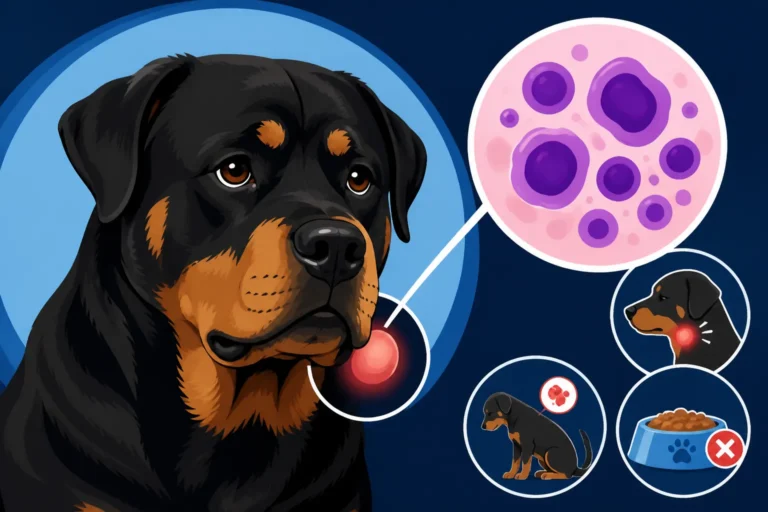
Hemangiosarcoma (HSA) is a truly insidious and aggressive form of cancer that originates from the cells lining blood vessels. What makes it so terrifying, especially for Rottweiler owners, is its tendency to grow silently, often in internal organs, without showing any outward signs until it reaches a critical stage. This cancer can develop anywhere there are blood vessels, but it most commonly affects the spleen, heart, liver, and sometimes the skin or muscle.
The Aggressive Nature of This Cancer
Imagine a tumor growing inside your dog, a tumor made of blood vessel cells, essentially a fragile balloon filled with blood. This is hemangiosarcoma. Its aggressive nature means it not only grows rapidly but also has a very high metastatic rate, meaning it spreads quickly to other parts of the body, particularly the lungs and liver, even before the primary tumor is detected. For Rottweilers, who are unfortunately predisposed to various cancers, including this one, understanding this aggression is crucial. It explains why a seemingly healthy dog can go from normal activity to a life-threatening crisis in mere moments. It’s a silent killer that can steal precious years from your Rottweiler's eight to ten year average lifespan.
Common Sites of Hemangiosarcoma
While HSA can occur anywhere, certain locations are far more common and present with distinct, often devastating, symptoms. The spleen is the most frequent primary site, accounting for a significant percentage of cases. Tumors on the spleen can grow quite large before they rupture. The heart, specifically the right atrium, is another common site. Cardiac hemangiosarcoma can lead to fluid accumulation around the heart (pericardial effusion), hindering its ability to pump blood effectively. The liver is also a common target, both as a primary site and as a secondary site due to metastasis. Less commonly, you might find it in the skin (dermal) or beneath the skin (subcutaneous), appearing as dark red or black masses, which are sometimes easier to detect early, though they can still be malignant. Knowing about Rottweiler Cancers Beyond the Bone can help you understand the broader landscape of cancers affecting the breed, but HSA often stands apart due to its sudden, dramatic presentation.
Recognizing the Acute Signs of Collapse
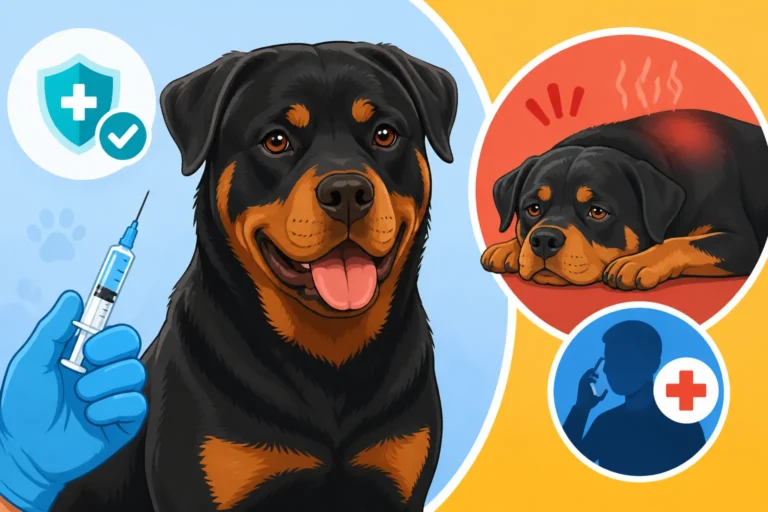
The most frightening manifestation of hemangiosarcoma is often sudden collapse, a direct result of a tumor rupturing and causing massive internal bleeding. This isn't just a faint; it's an emergency that demands immediate action.
Sudden Weakness and Disorientation
One moment your Rottweiler might be playing in the yard, the next they might stumble, look disoriented, and then drop to the ground. This sudden weakness is a hallmark sign. They might struggle to stand back up, or if they do, they'll appear incredibly wobbly, like they're drunk. Their legs might give out from under them, and they might seem confused, not fully aware of their surroundings. This isn't just a sign of pain; it's a sign of profound blood loss and systemic shock. Their gums might be pale, almost white, instead of the healthy pink they should be. Their breathing might become shallow and rapid as their body tries desperately to compensate for the lack of oxygen-carrying red blood cells.
Pale Gums and Rapid Breathing
When internal bleeding occurs rapidly, the body loses a significant volume of blood. This blood isn't just leaking into a cavity; it's a vital component carrying oxygen to every cell. As the circulating blood volume drops, your Rottweiler's gums will quickly lose their color, turning a very pale pink, gray, or even stark white. This is a critical indicator of severe anemia due to blood loss. Simultaneously, you'll notice their breathing becoming rapid and shallow, even if they aren't exercising. Their heart rate will also increase dramatically as the heart tries to pump what little blood is left more quickly to keep organs functioning. This combination of pale gums and rapid breathing, especially after a sudden collapse, points directly to a life-threatening internal hemorrhage, which is all too common with a ruptured hemangiosarcoma. These are definitely among The Emergency Signs That Send a Rottweiler In.
Distended Abdomen or Lethargy
If the tumor is on the spleen or liver, a rupture will cause blood to pool in the abdominal cavity. This internal bleeding can lead to a visibly distended abdomen, making your Rottweiler's belly appear bloated or swollen. It might feel firm or taut to the touch. This isn't the same as bloat in a Rottweiler, which involves gas, but the visual cue can be similar. Beyond the physical changes, extreme lethargy will set in. Your dog will be unwilling to move, listless, and unresponsive. They might try to find a quiet, dark place to hide, or just lie there, unable to rally any energy. Some owners might mistake this initial lethargy for just being tired or under the weather, but coupled with pale gums or a distended belly, it’s a clear red flag.
Here's a quick comparison of the signs you might observe:
| Sign Category | Acute Rupture (Emergency) | Subtle/Chronic (Early Stages, if any) |
|---|---|---|
| Energy Level | Sudden collapse, inability to stand | Mild lethargy, tiring easily, less playful |
| Gums/Mucous Mem. | Pale, white, grayish | Slightly paler than normal, but often subtle |
| Breathing | Rapid, shallow, labored | Slight increase in resting rate |
| Abdomen | Swollen, distended, painful to touch | Usually normal, or slight vague discomfort |
| Appetite | Absent | Decreased, picky eating |
| Other | Weakness, disorientation, cold extremities | Weight loss, intermittent lameness (rarely) |
Emergency Veterinary Care and Diagnosis
When your Rottweiler collapses, especially with the signs described above, every second truly counts. This is not a situation for waiting to see if they improve. It requires immediate, emergency veterinary attention.
Immediate Steps to Take
Your absolute first step is to get your Rottweiler to the nearest emergency veterinary clinic, without delay. Call ahead if you can, to let them know you're coming and describe the symptoms. This allows them to prepare for your arrival, potentially saving critical minutes. Handle your Rottweiler gently; they are likely in shock and possibly pain. If they can walk, help them slowly into the car. If they are too weak, you might need to use a sling or a sturdy blanket as a makeshift stretcher to carry them. Large dogs like Rottweilers can be challenging to move when they're incapacitated, so having a plan or another person to help is invaluable. Don't try to administer any "first aid" like pain medication or fluids yourself, as this could worsen the situation or interfere with veterinary care. Your only job is to get them to professional help immediately.
Diagnostic Tests in an Emergency
Once at the emergency vet, the team will spring into action. They'll perform a quick physical exam, checking gum color, heart rate, respiratory rate, and feeling the abdomen. Blood work is often among the first diagnostic tools used, looking for severe anemia, low platelet counts, and other abnormalities that point to internal bleeding. An ultrasound of the abdomen is usually the most crucial diagnostic step to confirm a suspected splenic or liver tumor rupture. It can quickly identify free fluid (blood) in the abdomen and often visualize the tumor itself. For suspected cardiac involvement, an echocardiogram will be necessary to check for fluid around the heart or masses on the heart itself. X-rays of the chest might also be taken to check for signs of metastatic spread to the lungs. These tests are vital for giving the veterinary team a clear picture of the internal crisis and informing the next steps. It's tough to face these bills unprepared, which is why pet insurance, like a policy from Healthy Paws, can be a literal lifesaver in such dire emergencies, helping to cover the often significant cost of diagnostics and treatment.
Confirming Hemangiosarcoma
While diagnostic imaging and blood work can strongly suggest hemangiosarcoma, a definitive diagnosis often requires tissue biopsy, usually performed during surgery. If a splenic mass is found and removed, the spleen will be sent to a histopathologist for examination. This is the only way to confirm whether the tumor is truly hemangiosarcoma and whether it's benign (which is rare for splenic masses) or malignant. Without surgical removal and biopsy, even a dog that recovers from a collapse might have the tumor still lurking, ready to rupture again. Sometimes, if the dog is too unstable for surgery, or if metastasis is widespread, a definitive biopsy might not be pursued, and a presumptive diagnosis is made based on the clinical picture. Understanding the need for a biopsy highlights the complexity of Bloodwork Worth Running on a Senior Rottweiler as a comprehensive health check, though a sudden collapse is far beyond routine screening.
Navigating Treatment and Prognosis
Learning that your beloved Rottweiler has hemangiosarcoma is devastating. The road ahead is challenging, but understanding the options can help you make informed decisions.
Emergency Surgery
For cases involving a ruptured splenic or liver tumor, emergency surgery (splenectomy or liver lobectomy) is often the immediate, life-saving intervention. The goal is to stop the internal bleeding and remove the primary tumor. This is a major surgery, especially for a large dog like a Rottweiler, and it comes with inherent risks, including Anesthesia Risk for a Dog a Rottweiler's Size and post-operative complications. However, without surgery, the prognosis for survival from a ruptured tumor is incredibly grim, often just hours. Even with successful surgery, the challenge remains: hemangiosarcoma has a high likelihood of having already spread microscopic cancerous cells elsewhere in the body. The decision to proceed with surgery is a difficult one, often made under immense emotional pressure, but it offers the best immediate chance at life. The financial implications can be enormous, which is why having a robust pet insurance plan can ease some of that burden, allowing you to focus on your dog's care without the added stress of finding money to pay for Financing a Rottweiler Surgery You Did Not Plan For.
Chemotherapy and Palliative Care
Even after successful surgery, chemotherapy is typically recommended to target any remaining microscopic cancer cells and delay metastasis. Chemotherapy protocols for hemangiosarcoma often involve drugs like Doxorubicin. While chemotherapy can extend survival times, it is important to understand that it is rarely curative for this aggressive cancer. The goal is remission and improved quality of life. For some Rottweilers, especially those with widespread metastasis, heart involvement, or if surgery isn't an option, palliative care becomes the focus. Palliative Care for a Rottweiler With Cancer aims to manage pain, improve comfort, and maintain the best possible quality of life for the remaining time. This might involve pain medications, anti-nausea drugs, and careful monitoring, allowing owners to cherish the time they have left without the stress of aggressive treatment.
Expected Outcomes and Quality of Life
The prognosis for Rottweilers diagnosed with hemangiosarcoma, particularly after a rupture, is unfortunately guarded. With emergency surgery alone, average survival times can range from a few weeks to a few months. Adding chemotherapy can extend this, sometimes to 6-9 months or, in rare cases, even a bit longer. However, every dog is an individual, and some defy expectations while others succumb quickly. The quality of life during and after treatment is a paramount consideration. For a large, active dog like a Rottweiler, ensuring they can move comfortably, eat well, and enjoy their favorite activities is key. This often means careful monitoring, managing side effects of treatment, and making difficult decisions about when to stop aggressive interventions. These are the heartbreaking conversations that lead to Making End-of-Life Decisions for a Rottweiler. It's about balancing potential extension of life with maintaining dignity and comfort. While this is a tough reality, advancements in veterinary medicine, along with the support of a good vet and perhaps a plan from a provider like Healthy Paws, can help make this challenging journey a little less overwhelming.
Disclaimer
This article is intended for informational purposes only and does not constitute veterinary advice. If your Rottweiler is experiencing symptoms of sudden collapse or any other medical emergency, please seek immediate professional veterinary care. Only a qualified veterinarian can diagnose and recommend appropriate treatment for your pet.