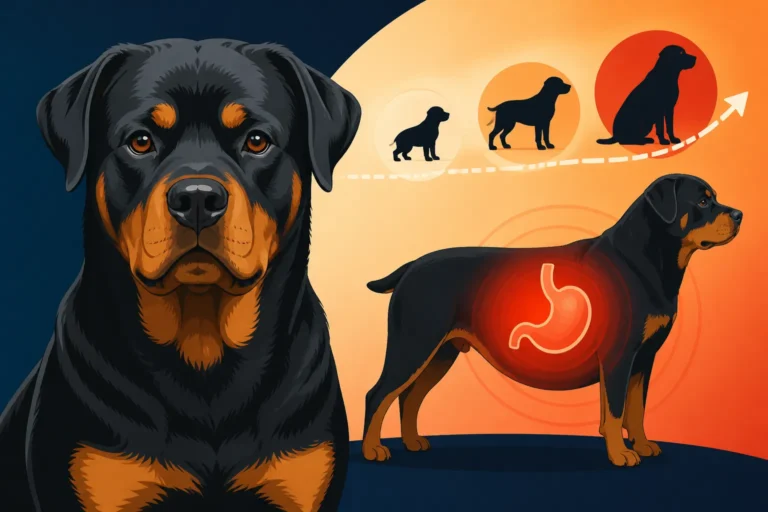
Rottweiler Obesity and the Load It Adds
It's incredibly frustrating when you look at your magnificent Rottweiler, who might seem robust and powerful, and then start to notice that they're carrying a little extra weight. Many owners struggle to keep their large, food-loving companions at a healthy size, often unaware of just how much that added burden impacts their dog's long-term health and comfort. This comprehensive guide will delve into the serious implications of obesity in Rottweilers, helping you understand the risks and providing actionable steps to manage your dog's weight for a healthier, happier life.
Understanding Rottweiler Obesity: More Than Just a Little Extra Fluff
For a breed as substantial and powerful as the Rottweiler, a few extra pounds might not seem like a big deal. They are, after all, big dogs! However, this mindset can be incredibly detrimental. What appears to be a "well-fed" or "husky" Rottweiler is often an overweight one, and the difference between a healthy weight and carrying even just 10-15% too much can mean years off their life and significant discomfort. It’s easy to underestimate the impact because their sheer size can mask the subtle signs of developing obesity, but the internal strain is very real.
Defining Overweight vs. Obese in a Rottweiler
It's crucial to understand the distinction between a Rottweiler being merely overweight and clinically obese. Generally, a dog is considered overweight if they are 10-20% above their ideal body weight. For a male Rottweiler, whose ideal weight can be anywhere from 95 to 135 pounds, this could mean an extra 10-27 pounds. A female, ideally 80 to 120 pounds, might carry an additional 8-24 pounds. When a Rottweiler crosses the threshold of being more than 20% over their ideal weight, they are classified as obese. This isn't just a number on the scale; it's a diagnosis with serious health implications.
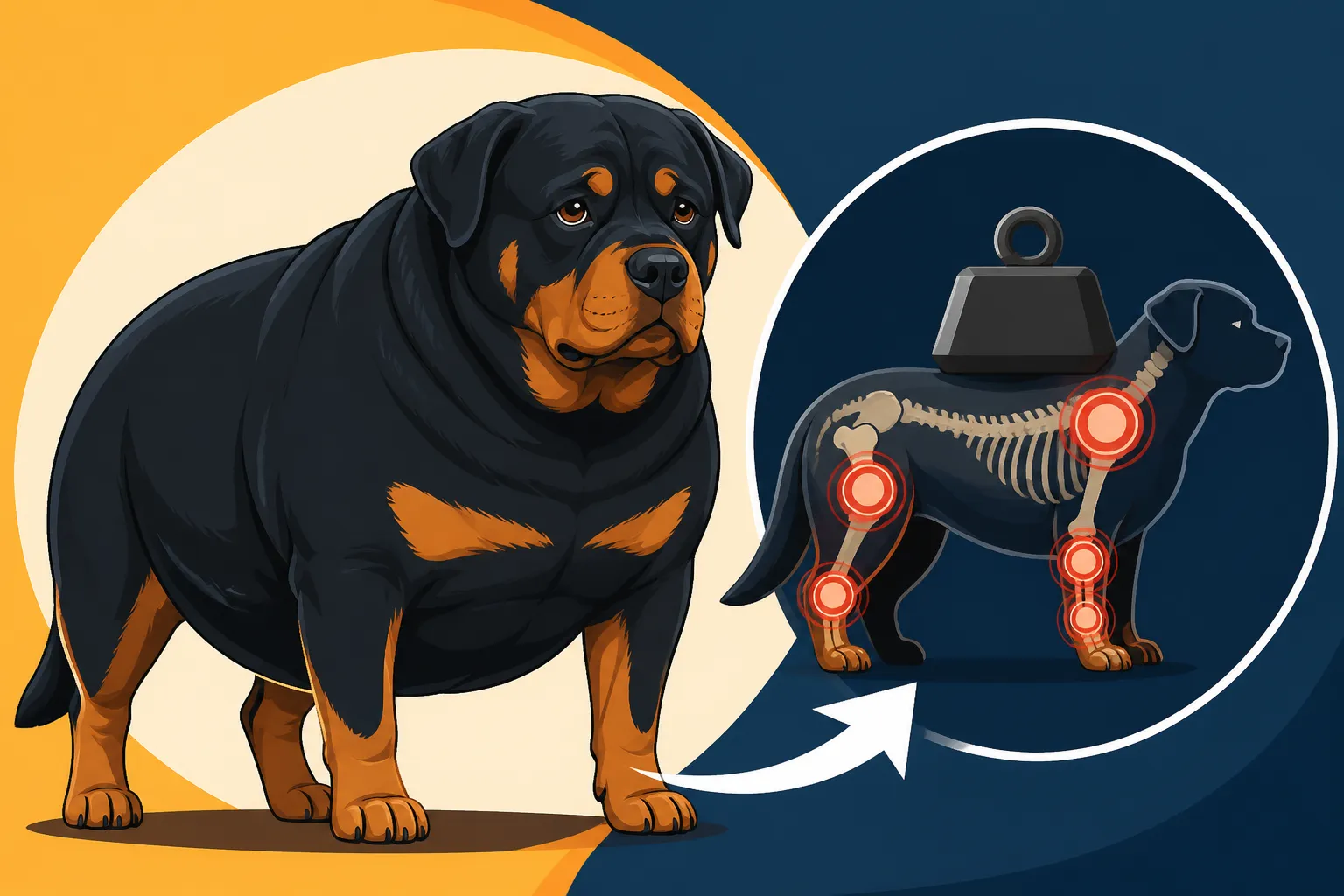
Think of it this way: imagine carrying a heavy backpack with an extra 20-30 pounds every single day, everywhere you go. How would your knees feel? Your back? Your breathing? That's what your Rottweiler experiences. Their skeletal structure, joints, and internal organs are designed to function optimally at a specific weight range, and exceeding that range places immense, unnatural stress on their entire system. It's not just cosmetic; it's a silent, progressive drain on their vitality.
The Silent Strain on Internal Systems
When your Rottweiler carries excess weight, it’s not just their joints that suffer. Their entire physiological system is under duress. Fat isn't just inert padding; it's an active endocrine organ that produces hormones and inflammatory mediators, creating a state of chronic, low-grade inflammation throughout the body. This inflammation can silently damage vital organs, predisposing your Rottweiler to a host of serious health conditions. Their cardiovascular system has to work harder to pump blood through a larger body mass, leading to higher blood pressure and an increased workload for the heart. Their respiratory system can become less efficient due to fat deposits around the chest and diaphragm, making breathing more difficult, especially in warmer weather or during exertion. This silent, systemic strain reduces their overall resilience and quality of life, often long before visible symptoms of disease appear.
The Hidden Dangers: How Extra Weight Impacts a Rottweiler's Body
The impact of obesity on a Rottweiler is far-reaching, affecting nearly every major system in their body. What might start as a little "chub" can quickly escalate into chronic pain, debilitating diseases, and a significantly shortened lifespan. Owners often don't connect the dots until a serious issue arises, but by then, much of the damage may already be done. Understanding these specific risks can be a powerful motivator for proactive weight management.
Joint Strain and Exacerbated Dysplasia
One of the most immediate and profound impacts of excess weight on a Rottweiler is the immense strain it places on their joints. Rottweilers are already genetically predisposed to orthopedic issues such as hip and elbow dysplasia. When you add significant extra weight, it’s like asking a building with a weak foundation to support an extra story. The cartilage in their joints wears down faster, inflammation increases, and conditions like Rottweiler Hip Dysplasia and the OFA Grade become even more painful and debilitating. Even if your Rottweiler has excellent hip and elbow clearances, excess weight can accelerate the development of arthritis.
For a dog that lives to move, to run, and to play, joint pain is a cruel sentence. Imagine a large, active dog like a Rottweiler struggling to get up from a lying position, limping after a short walk, or showing reluctance to jump into the car. These are often early signs of joint pain exacerbated by weight. Managing a healthy weight is paramount to protecting your Rottweiler's mobility and preventing a future of chronic pain that will likely require medication or even surgery. This is also where planning ahead with pet insurance, such as a policy from Healthy Paws, can be incredibly valuable, as it can help cover the costs of managing arthritis or other joint conditions, assuming they aren't pre-existing when you enroll your dog.
Increased Risk of Heart Disease and Diabetes
Beyond joint issues, obesity significantly elevates the risk of serious internal diseases. The extra fat tissue, as mentioned, is metabolically active, contributing to systemic inflammation and insulin resistance. This makes obese Rottweilers far more susceptible to developing Type 2 diabetes, a condition that requires lifelong management with insulin injections and special diets. Diabetes can also lead to other complications, including cataracts, kidney disease, and nerve damage.
Furthermore, the cardiovascular system is under constant stress. The heart has to pump harder to supply blood to the extra fat tissue, leading to high blood pressure, thickening of the heart muscle, and potentially congestive heart failure. While Rottweilers can be prone to Rottweiler Heart Disease and Subaortic Stenosis, obesity adds another layer of risk, pushing an already burdened heart further towards failure. It's a compounding effect that can dramatically shorten their overall Rottweiler Lifespan and the Eight to Ten Year Average.
Compromised Breathing and Heat Tolerance
Rottweilers, with their dense double coats and often powerful builds, can already be susceptible to overheating, especially in warmer climates. When you add excess body fat, this problem is severely exacerbated. Fat acts as an insulator, trapping heat in the body and making it much harder for your dog to cool down. The respiratory system, already working harder, struggles even more to dissipate heat through panting. This can quickly lead to heat exhaustion and even life-threatening heatstroke, a terrifying emergency for any dog owner.
An obese Rottweiler will pant more heavily, even at rest, and struggle more during even moderate exercise. Their stamina decreases dramatically, making physical activity less enjoyable and riskier. This creates a vicious cycle: the dog is less active due to discomfort, leading to more weight gain and further reduced stamina. Being mindful of Keeping a Black-Coated Rottweiler Cool is essential, and this challenge is amplified exponentially when they are overweight.
Why Rottweilers Gain Weight: Common Pitfalls for Owners
It's rare for a Rottweiler to intentionally gain weight; usually, it's a combination of well-meaning but misguided owner actions and a few inherent breed traits that contribute to the problem. Owners often don't realize they're setting their dogs up for weight gain until it's already a significant issue. Understanding these common pitfalls is the first step toward preventing and reversing obesity.
Overfeeding and Calorie Creep
This is, by far, the most common reason Rottweilers become overweight. They are large, powerful dogs with healthy appetites, and it's easy to assume they need vast quantities of food. However, many commercial dog foods, especially those formulated for "large breeds," can be very calorie-dense. A cup of kibble might contain significantly more calories than you realize. Adding to this, the "calorie creep" from treats, table scraps, and training rewards can quickly push their daily intake far beyond what they need.
Many owners fall into the trap of pouring "a little extra" because their Rottweiler still seems hungry, or they rely on imprecise measuring methods like scoops instead of weighing food. Furthermore, owners often feed a fixed amount, regardless of their dog's activity level that day or their changing metabolic needs as they age or are spayed/neutered. For example, a working Rottweiler needs more calories than a couch potato Rottweiler, and a spayed female Rottweiler often needs fewer calories than an intact one. Without careful monitoring and adjustment, those extra calories accumulate rapidly. We discuss Daily Calories for a Hundred Twenty Pound Rottweiler in depth, and it's essential to understand that these are general guidelines that need tailoring.
Insufficient Exercise and Sedentary Lifestyles
Rottweilers are working dogs at heart. Even if they're family companions, they need regular, structured exercise to maintain muscle tone, burn calories, and keep their minds engaged. A lack of appropriate physical activity is a major contributor to weight gain. Simply letting them out in the backyard isn't enough; they need walks, playtime, and mental stimulation. As they get older, especially for Senior Rottweiler Care After the Age of Seven, it's easy to reduce exercise as they slow down, but it's even more critical to maintain appropriate activity to prevent weight gain and support joint health.
The challenge is balancing exercise with the needs of a growing dog. We know that Rottweiler Growth Plates and Why They Close So Late, meaning excessive, high-impact exercise during puppyhood can actually harm their developing joints. However, this doesn't mean no exercise at all. Instead, it means appropriate exercise: controlled walks, structured play, and avoiding strenuous activities like long runs or excessive jumping until their growth plates have closed. Once they are mature, a sedentary lifestyle becomes the enemy of a healthy weight.
Metabolic Changes and Genetics
While diet and exercise are the primary drivers of weight, metabolic factors and genetics also play a role. Some Rottweilers may have a slower metabolism, making them more prone to weight gain even on a seemingly moderate diet. Spaying or neutering can also lead to metabolic changes that predispose dogs to weight gain, often requiring a reduction in caloric intake to maintain a healthy weight. Hypothyroidism, though less common, can also cause unexplained weight gain and a dull coat, so it's worth discussing with your vet if you suspect a metabolic issue.
Genetics can also predispose certain lines of Rottweilers to be heavier-boned or have a natural tendency to carry more weight. While you can't change genetics, understanding your dog's predisposition means you need to be even more diligent with diet and exercise. It reinforces the need for individual assessment rather than a one-size-fits-all approach to feeding and care.
Assessing Your Rottweiler's Body Condition: An Owner's Guide
You can't rely on just looking at your Rottweiler to tell if they're at a healthy weight. Their dense coat and powerful build can be deceptive. What looks "normal" to an untrained eye might actually be overweight. Learning how to properly assess your Rottweiler's body condition is one of the most important tools you have to prevent and manage obesity. It's a hands-on approach that provides a much clearer picture than the scale alone.
The Rib Test and Tucked Waistline
The "rib test" is a simple, effective way to check your Rottweiler's body condition. With your dog standing, place both hands on their chest, with your thumbs meeting on their spine. Run your fingers along their rib cage. You should be able to feel their ribs easily, like feeling the knuckles on your hand, without having to press hard. You shouldn't see the individual ribs (unless they are very short-coated and extremely lean), but you should certainly not have to dig to find them. If you can't easily feel the ribs without applying significant pressure, your Rottweiler is likely carrying too much weight.
Next, look at your Rottweiler from above. You should be able to see a distinct waistline, an hourglass shape where their body tucks in behind their rib cage before widening slightly at their hips. If your Rottweiler looks like a straight, solid block from ribs to tail, or worse, if their sides bulge outwards, they are overweight. Finally, view them from the side. There should be an abdominal tuck; their belly should rise up from their rib cage to their hind legs, not hang low or be parallel to the ground. A lack of a visible tuck indicates excess abdominal fat.
Body Condition Scoring Charts
Veterinarians often use a Body Condition Score (BCS) system, typically a 5-point or 9-point scale, to objectively assess a dog's weight. Learning to use a BCS chart can empower you to make more informed decisions about your Rottweiler's diet and exercise. The ideal score for most dogs, including Rottweilers, is a 3/5 or a 4-5/9. This means they are lean but not underweight, with easily palpable ribs and a clear waistline.
Here's a simplified version of a 5-point BCS chart for you to use at home:
Score Description Appearance & Palpation
Rottweilers, with their magnificent presence and often serious expressions, don't always give away signs of illness immediately. But when it comes to their heart health, being able to recognize the subtle cues can literally mean the difference between early intervention and a crisis. If your Rottweiler experiences a sudden cough, has trouble breathing, or is unusually tired, these could be signs of serious heart problems, not just normal aging or a passing bug. The truth is, these robust dogs are unfortunately susceptible to certain cardiac conditions, and knowing what to look for and when to act is crucial.
This guide is designed to empower you with the knowledge to recognize the early signs of heart disease in your Rottweiler, understand the common types of cardiac issues affecting the breed, and navigate the journey of diagnosis and management. We'll explore everything from those confusing puppy murmurs to the specific tests that provide clarity, so you can be the best advocate for your beloved companion's heart health.
Understanding Heart Disease in Rottweilers: A Breed Predisposition
It’s a tough pill to swallow, but Rottweilers, like many large and giant breeds, have a genetic predisposition to certain heart conditions. It’s not a given, but the risk is higher than in some other breeds. This makes diligent observation and proactive veterinary care even more important for Rottweiler owners. Understanding the specific conditions that often affect them can help you be more vigilant.
Subaortic Stenosis The Rottweiler's Achilles Heel
If you've researched Rottweiler health, you've likely come across the term "Subaortic Stenosis," often abbreviated as SAS. This is, arguably, the most significant inherited heart defect in the breed. Imagine a doorway in your house that’s supposed to be wide open, but instead, it’s partially blocked by a thick, fibrous ring. That's essentially what happens with SAS. A band of fibrous tissue forms just below the aortic valve, which is the main artery carrying oxygenated blood from the heart to the rest of the body. This obstruction forces the heart to work much harder to pump blood past the narrowing.
Over time, this increased workload causes the heart muscle, specifically the left ventricle, to thicken and stiffen. While the heart muscle might look strong, it becomes less efficient at pumping blood, and the dog's body doesn't receive enough oxygenated blood, especially during exercise. In severe cases, SAS can lead to sudden death, even in seemingly healthy young Rottweilers, or it can progress to congestive heart failure. Many Rottweiler breeders will have their breeding stock screened for SAS, and you might hear about Subaortic Stenosis Heard as a Rottweiler Puppy Murmur when researching litters. It’s a serious condition that highlights the importance of choosing a reputable breeder who performs cardiac clearances.
Dilated Cardiomyopathy A Silent Threat
Another significant heart condition seen in Rottweilers is Dilated Cardiomyopathy (DCM). Unlike SAS, which is a structural defect, DCM is a disease of the heart muscle itself. The muscle becomes thin and weak, and the chambers of the heart, particularly the ventricles, become enlarged or "dilated." This dilation further impairs the heart's ability to pump blood effectively, leading to a progressive decline in cardiac function.
DCM is often referred to as a "silent killer" because dogs can show no outward symptoms for a long time, even as their heart function steadily deteriorates. When symptoms do appear, they are usually signs of congestive heart failure, such as coughing, difficulty breathing, weakness, or exercise intolerance. In some tragic cases, the first sign is sudden collapse or death. While SAS is more common as a congenital issue, DCM can develop later in life and is thought to have both genetic and nutritional components, particularly in some breeds, although the exact causes in Rottweilers are still being actively researched. Recognizing Dilated Cardiomyopathy in a Rottweiler requires keen observation and often advanced diagnostics.
Recognizing the Early Warning Signs of Heart Issues
One of the biggest challenges with heart disease in Rottweilers is that they are masters at masking discomfort. Their stoic nature means they often won't overtly complain until a condition is quite advanced. This puts the onus on us, as their guardians, to be hyper-vigilant and attuned to even subtle changes in their behavior, energy levels, and physical well-being. Don't dismiss a slight change as just "getting older" or a "lazy day."
Subtle Behavioral Shifts and Reduced Stamina
Think about your Rottweiler's normal routine. Do they bound out of bed with enthusiasm, eager for their morning walk? Do they love a vigorous game of fetch? Early heart disease can manifest as a gradual, almost imperceptible decline in their typical energy levels and stamina. You might notice they tire more quickly on walks, falling behind instead of leading the pack. Their playtime might become shorter, or they might prefer to lie down sooner than usual. They might seem less interested in activities they once loved.
Perhaps they're taking longer to get up, or they seem reluctant to go up and down stairs. While these could be signs of orthopedic issues, they can also point to a heart that isn't efficiently pumping blood to their muscles, leading to fatigue and weakness. Any consistent change in their usual zest for life, especially if it's accompanied by increased panting or a slower recovery after activity, warrants a closer look by your veterinarian.
Persistent Coughing or Difficulty Breathing
A cough in a dog can mean many things, from kennel cough to allergies. However, a persistent, soft, or "wet" cough that doesn't seem to clear up, particularly if it's worse at night or when your Rottweiler is lying down, is a major red flag for heart disease. This kind of cough is often a sign that fluid is building up in their lungs due, ironically, to the heart's inability to pump blood efficiently. This condition is known as pulmonary edema, a hallmark of congestive heart failure.
Similarly, any noticeable difficulty breathing – increased respiratory rate (breathing faster than usual at rest), shallow breaths, heavy panting when not exercising, or even gasping – should send alarm bells ringing. This isn't just "out of breath"; it's a sign that their body is struggling to get enough oxygen. Blue-tinged gums or tongue are an emergency, indicating severe oxygen deprivation. If you observe any of these respiratory distress signs, don't wait; seek immediate veterinary attention.
Fainting or Sudden Collapse During Play
This is perhaps the most dramatic and terrifying sign of severe heart disease. If your Rottweiler collapses, becomes disoriented, or faints, especially during or immediately after exercise, it is an absolute emergency. These episodes, known as syncope, occur when the heart's pumping action is so compromised that the brain temporarily doesn't receive enough oxygenated blood. It's often associated with severe forms of SAS or advanced DCM.
The good news is that these events, while frightening, are undeniable. They demand immediate veterinary intervention. While less common, such episodes underscore the gravity of heart conditions and why early detection through regular veterinary check-ups and vigilance is so important. A Rottweiler that collapses suddenly during play should bypass your regular vet and head straight to an emergency animal hospital.
The Diagnostic Journey: Getting a Clear Picture of Heart Health
Once you or your veterinarian suspect a heart issue, the next step is a thorough diagnostic workup. This isn't just about guessing; it's about getting concrete answers to understand the specific condition, its severity, and the best course of action. This journey can involve several tests, often culminating in a visit to a veterinary cardiologist.
The Initial Vet Exam and Auscultation
Your primary veterinarian will always be the first point of contact. During a routine physical exam, they will carefully listen to your Rottweiler's heart with a stethoscope. What they are listening for is a "murmur." A heart murmur is an abnormal sound caused by turbulent blood flow within the heart. It can be like a whooshing or swishing sound, different from the normal "lub-dub" of healthy heartbeats.
A murmur is not a diagnosis of heart disease itself, but rather a sign that warrants further investigation. Your vet will often grade the murmur (from 1 to 6) based on its intensity. A low-grade murmur in a young puppy might be benign and resolve on its own, but a high-grade murmur, especially in a Rottweiler, is a strong indicator of a significant issue like SAS or a developing DCM. Your vet might also feel your dog's pulse to assess its strength and rhythm and check their mucous membranes for proper color. This initial exam is crucial in deciding if and when to proceed with more advanced diagnostics.
Echocardiogram The Gold Standard for Diagnosis
If a heart murmur is detected or other signs suggest heart disease, the next step is almost always an echocardiogram. This is essentially an ultrasound of the heart. It's non-invasive, painless, and provides real-time images of the heart's structure and function. Think of it as a detailed, moving picture that allows the veterinary cardiologist to see everything inside the heart.
During an echocardiogram, the specialist can:
- Measure the thickness of the heart muscle walls (e.g., thickened left ventricle in SAS).
- Assess the size of the heart chambers (e.g., dilated ventricles in DCM).
- Visualize the heart valves and their function.
- Measure blood flow velocity and direction (which helps detect the obstruction in SAS).
- Estimate the heart's pumping efficiency (ejection fraction).
For a definitive diagnosis of conditions like SAS or DCM, an echocardiogram is the gold standard. It provides the most comprehensive information needed to stage the disease and formulate a treatment plan. For responsible breeding, The Rottweiler Echocardiogram at Two Years Old is often a required health clearance to ensure breeding stock are clear of inherited cardiac defects. It's an investment, but it's invaluable for your dog's future.
Other Diagnostic Tests Bloodwork and X-Rays
While the echocardiogram provides the most direct information about the heart, other tests are often used to support the diagnosis, assess overall health, and look for secondary effects of heart disease.
- Chest X-rays: These images allow the vet to see the size and shape of the heart within the chest cavity, look for fluid accumulation in the lungs (pulmonary edema), or in the chest cavity (pleural effusion), and assess the major blood vessels. They provide a static, overall view, complementing the dynamic information from an echo.
- Electrocardiogram (ECG/EKG): An ECG measures the electrical activity of the heart. It can detect arrhythmias (irregular heartbeats) which are common in heart disease, particularly DCM. While it doesn't show the heart's structure, it's vital for assessing rhythm and identifying potential electrical abnormalities that could lead to sudden collapse.
- Blood Tests: Comprehensive blood work can assess kidney and liver function, which can be affected by heart disease and certain heart medications. Specific blood tests, like proBNP, can also be used as a screening tool or to monitor progression of heart failure, as elevated levels indicate cardiac stress.
These tests, in combination, paint a full picture of your Rottweiler's cardiac health and overall systemic well-being, helping your veterinary team provide the most accurate diagnosis and care.
Managing Heart Disease: Treatment and Prognosis
Receiving a diagnosis of heart disease can be daunting, but it’s important to remember that it’s not always a death sentence. While most inherited heart conditions are not curable, many are manageable, and treatment can significantly improve your Rottweiler’s quality of life and extend their lifespan. The key is early intervention and consistent management.
Medication and Dietary Management
The mainstay of heart disease treatment in dogs is medication. The specific drugs used will depend entirely on the type and stage of heart disease.
- Diuretics (e.g., Furosemide): Often used when fluid accumulation (edema) is present, particularly in the lungs. They help the body shed excess water, making breathing easier.
- ACE Inhibitors (e.g., Enalapril, Benazepril): These medications help relax blood vessels, reducing the workload on the heart and improving blood flow. They are commonly used in various stages of heart disease.
- Pimobendan (Vetmedin): This is a cornerstone drug for many forms of heart failure, especially DCM. It helps the heart muscle contract more forcefully and also acts as a vasodilator, further reducing the heart's workload.
- Beta-blockers (e.g., Atenolol): Sometimes used to slow heart rate and reduce the heart's oxygen demand, though their use varies depending on the specific condition.
- Antiarrhythmics: If your Rottweiler has significant arrhythmias, medications like Sotalol or Mexiletine might be prescribed to stabilize the heart's rhythm.
Dietary management also plays a critical role. For dogs with heart disease, a low-sodium diet is often recommended to help prevent fluid retention. Prescription cardiac diets are available that are specifically formulated to support heart health, sometimes containing beneficial nutrients like L-carnitine and taurine (especially important in DCM) and omega-3 fatty acids.
Lifestyle Adjustments and Monitoring
Medication and diet are crucial, but lifestyle adjustments are equally important. For a Rottweiler with heart disease, especially advanced stages, Exercise Limits for a Rottweiler With Heart Disease will be a critical discussion with your vet. High-intensity exercise might be out, but gentle, consistent walks can still be beneficial, provided they don't cause undue stress. The goal is to maintain muscle mass and prevent deconditioning without overtaxing the heart.
Regular monitoring at home is also vital. You might be asked to monitor your Rottweiler's resting respiratory rate (how many breaths they take per minute while sleeping or resting calmly). An increase in this rate can be an early sign of worsening heart failure and fluid in the lungs, prompting an earlier vet visit. Consistent follow-up appointments with your veterinarian or cardiologist are essential to adjust medications as needed and monitor the progression of the disease. A pet insurance plan, like those offered by Healthy Paws, can certainly ease the financial burden of these ongoing veterinary visits, prescription medications, and specialist consultations, ensuring you can provide the best possible care for your Rottweiler without added stress.
Prognosis and Quality of Life
The prognosis for Rottweilers with heart disease varies widely depending on the specific condition, its severity at diagnosis, and how well the dog responds to treatment. For severe SAS, especially if diagnosed young, the prognosis can be guarded, with some dogs succumbing to sudden death. However, with careful management, many dogs can live for several years with various forms of heart disease.
The ultimate goal of treatment is always to maintain a good quality of life. This means managing symptoms, keeping your dog comfortable, and allowing them to enjoy their daily activities as much as possible. It’s a delicate balance, and honest discussions with your vet about your Rottweiler’s comfort, energy, and overall happiness are key. While heart disease can be a challenging journey, with dedicated care, your beloved Rottweiler can still enjoy a meaningful life for years to come.
Disclaimer
The information provided in this article is for educational purposes only and is not a substitute for professional veterinary advice. Always consult with a qualified veterinarian for any health concerns or before making any decisions about your Rottweiler's medical care.