Rottweiler Dental Disease and Cracked Teeth
It's an unfortunate truth that despite their powerful jaws, many Rottweilers suffer in silence with dental disease and even cracked teeth, often because the signs are so subtle, or because we mistakenly believe their strong teeth are invincible. This comprehensive guide will walk you through the specifics of Rottweiler dental health, from common issues and their sneaky symptoms to effective prevention strategies and professional treatment options, so you can keep your loyal companion smiling—and chewing—comfortably for years to come.
Understanding the Unique Challenges of Rottweiler Dental Health
Our beloved Rottweilers are impressive creatures, known for their strength, confidence, and imposing presence. This extends to their powerful mouths, which are built for work and possess an incredible bite force. However, these very strengths can inadvertently contribute to significant dental health challenges that often go unnoticed until a serious problem arises.
The Rottweiler Jaw and Chewing Habits
When you look at a Rottweiler's head, you can't help but be impressed by the sheer size and muscularity of their jaws. They have a natural, strong drive to chew, which is completely normal and healthy for dogs, especially a working breed like the Rottweiler. They love to gnaw on things, whether it's a sturdy toy, a favorite bone, or even, sometimes, things they shouldn't. This powerful chewing action can be beneficial, helping to scrape away plaque and satisfy an innate need.
However, this immense bite force, which can register well over 300 pounds per square inch, is a double-edged sword when it comes to dental health. While it makes them formidable chewers, it also means they can easily crack or fracture teeth on items that might seem appropriate for other breeds. We often hear stories of Rottweilers effortlessly destroying "indestructible" toys, and this power needs to be respected when choosing what they put in their mouths.
Predisposition to Dental Disease
Despite their robust jaws, Rottweilers are certainly not immune to the silent creep of dental disease. In fact, like many dog breeds, they can be quite susceptible. The journey usually begins innocently enough: with the accumulation of plaque, a sticky film of bacteria, food particles, and saliva. If left undisturbed, this plaque hardens into tartar (or calculus), which is much more difficult to remove with just brushing.
Once tartar forms, it creates a rough surface that attracts even more plaque and bacteria. This leads to gingivitis, an inflammation of the gums, which often presents as redness, swelling, and sometimes bleeding. If gingivitis is ignored, it can progress to periodontitis, a much more serious condition where the inflammation spreads below the gum line, attacking the supporting structures of the teeth, including the bone. Factors such as genetics, specific diets, and, critically, a lack of consistent home dental care can all accelerate this process in a Rottweiler.
Common Dental Issues Beyond Plaque and Tartar
While plaque and tartar are the most common culprits behind bad breath and sore gums, Rottweilers face a range of other dental issues, some of which are directly related to their powerful chewing abilities and can cause immense, hidden pain.
Fractured Teeth and Their Causes
This is perhaps one of the most heartbreaking and frequently overlooked dental problems in Rottweilers. Their incredible bite force, combined with a strong desire to chew, means they are particularly prone to fracturing teeth. Owners, often with the best intentions, provide items they believe are good for cleaning teeth or keeping their dog occupied, but these can quickly become dental emergencies.
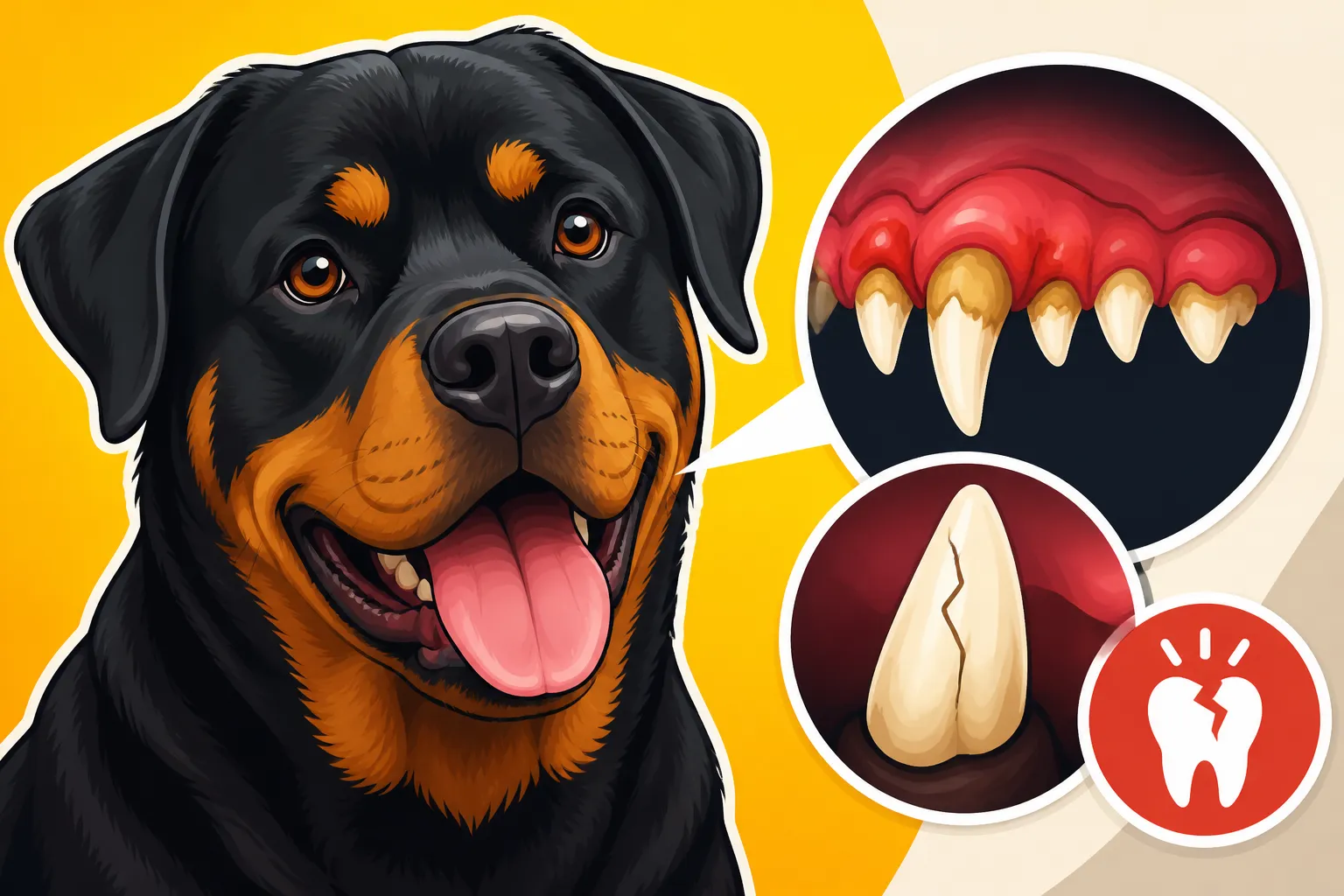
Common culprits for fractured teeth include hard bones (raw or cooked), antlers, ice cubes, nylon bones that are too hard, and even rocks or fence posts. When a Rottweiler clamps down with full force on an object that doesn't give, the tooth can crack. These fractures can range from a small chip in the enamel, which might not cause immediate pain but can expose the dentin and lead to sensitivity, to much more severe breaks. A common and particularly painful type is a "slab fracture," where a large piece of the tooth, often a molar, breaks off, exposing the sensitive pulp chamber filled with nerves and blood vessels. This is acutely painful and an open invitation for bacteria to enter, leading to infection and abscess formation. It's truly eye-opening to realize Cracked Teeth in a Rottweiler That Chews Hard are a significant concern.
Periodontal Disease Progression
As mentioned earlier, periodontal disease is a progressive condition that starts with gingivitis and, if left untreated, becomes much more destructive. The bacteria under the gum line don't just stay there; they provoke an inflammatory response that actively destroys the ligament holding the tooth in place and erodes the surrounding bone. As this destruction continues, pockets form around the tooth, collecting more bacteria, food, and debris, exacerbating the problem.
This isn't just about losing teeth; the chronic infection and inflammation in the mouth can have systemic health implications. Bacteria from severe periodontal disease can travel through the bloodstream to other organs, potentially impacting the heart, kidneys, and liver. For a large breed like a Rottweiler, whose health is already a focus with concerns like Rottweiler Heart Disease and Subaortic Stenosis, maintaining excellent oral hygiene becomes even more critical for their overall well-being.
Other Less Common but Serious Issues
While fractured teeth and periodontal disease are at the forefront, Rottweilers can also experience other less common but equally serious oral health problems. Stomatitis, a severe, painful inflammation of the oral mucosa, can occur, though it's often linked to an extreme immune reaction to plaque bacteria. Malocclusions, or misaligned bites, while more common in brachycephalic breeds, can still occur in Rottweilers and lead to teeth rubbing or puncturing soft tissues.
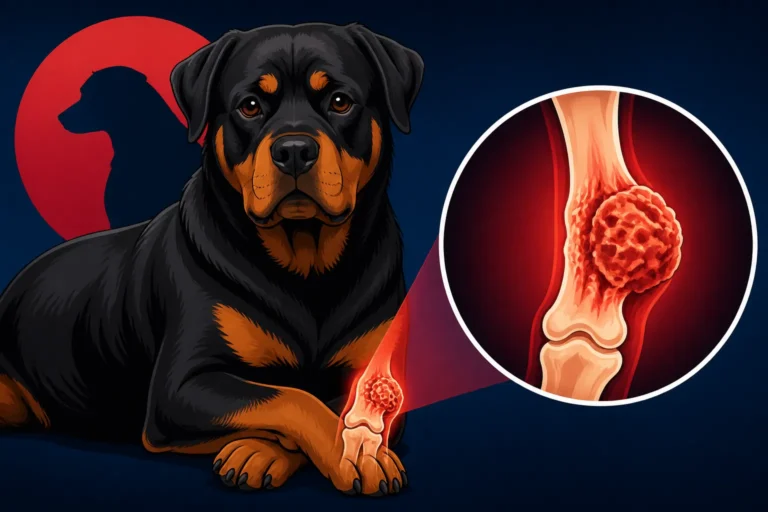
Perhaps one of the most concerning, albeit rarer, issues is the development of oral tumors. These can be benign or malignant and can manifest as unexplained lumps or swellings in the mouth, changes in gum color, or difficulty eating. Any persistent swelling, abnormal growth, or discoloration inside your Rottweiler's mouth should always warrant an immediate veterinary visit, especially since Lumps on a Rottweiler That Need Testing can indicate a range of serious conditions, not just in the mouth. Early detection is key for the best prognosis.
Recognizing the Subtle Signs of Dental Pain in a Rottweiler
Rottweilers are notoriously stoic dogs, a trait that makes them excellent working animals but also means they are masters at hiding pain. This stoicism can unfortunately delay detection of dental problems, allowing them to progress to a more severe stage before symptoms become obvious. As a devoted owner, learning to spot these subtle cues is paramount.
Behavioral Changes and Reluctance
One of the first, yet often overlooked, indicators of dental pain is a change in your Rottweiler's behavior. They might suddenly become less enthusiastic about their favorite chew toys or even refuse them altogether. If your dog loves to gnaw on a particular item and then abruptly stops, or starts dropping it after only a few seconds, it’s a big red flag. You might also notice them struggling to eat their regular kibble, preferring softer foods, or eating more slowly.
Sometimes, they might start eating only on one side of their mouth, tilting their head in an unusual way while chewing. A general decrease in playfulness, increased lethargy, or even a slight grumpiness when you approach their head could all be subtle signs that something is bothering them, and dental pain is a frequent culprit. This is especially true as Rottweilers get older; dental issues often worsen with age, making it crucial to adjust your care approach as part of Senior Rottweiler Care After the Age of Seven.
Visible Oral Symptoms
While Rottweilers are good at hiding pain, some dental issues will eventually manifest with visible symptoms. Bad breath, or halitosis, is by far the most common sign, and it's not just "dog breath" – it's often a pungent, rotten odor that indicates a bacterial infection in the mouth. Red, swollen, or bleeding gums are also clear indicators of gingivitis or more advanced periodontal disease. You might even see visible tartar buildup, often appearing as yellowish-brown crusts on the teeth, particularly on the back molars.
Other visible signs can include excessive drooling, which might sometimes be tinged with blood, or pawing at their mouth or rubbing their face against furniture. In severe cases, swelling on one side of the face, often under an eye or along the jawline, could indicate a tooth root abscess, a very painful infection that requires urgent veterinary attention. Regular, gentle mouth checks at home can help you catch these signs early.
The Importance of Professional Examination
Even with diligent home observation, many significant dental problems in Rottweilers occur below the gum line, hidden from plain sight. This is why professional veterinary examinations are absolutely critical. Your vet can perform a visual assessment during a routine check-up, but a truly thorough dental examination often requires sedation or general anesthesia.
Under anesthesia, your veterinarian can perform a complete oral exam, probing for periodontal pockets, checking for mobility in teeth, and, most importantly, taking dental X-rays. These X-rays are invaluable because they reveal what's happening beneath the gums – issues like bone loss, root abscesses, unerupted teeth, or fractured tooth roots that are otherwise impossible to detect. Delaying these professional checks can lead to prolonged pain for your Rottweiler and more complex, costly treatments down the line.
Preventive Strategies and Home Care for Robust Rottweiler Teeth
Preventing dental disease is always preferable to treating it, especially for a large breed like the Rottweiler, where advanced issues can be costly and painful. Establishing a consistent routine of home dental care, coupled with smart choices about their diet and chews, is your best defense.
Daily Brushing and Oral Hygiene Products
The gold standard for at-home dental care for any dog, including your Rottweiler, is daily tooth brushing. Yes, daily! It might sound daunting, especially with a powerful dog, but starting early and making it a positive experience can yield incredible results. Use a soft-bristled toothbrush designed for dogs, or even a finger brush, and always use dog-specific enzymatic toothpaste – never human toothpaste, which can contain xylitol or fluoride that is toxic to dogs.
Start slowly, introducing the toothbrush and toothpaste gradually, praising and rewarding generously. Focus on the outside surfaces of the upper canine teeth and molars first, as these areas tend to accumulate the most plaque. If daily brushing isn't feasible, aiming for every other day is still far better than nothing. Beyond brushing, dental wipes can help, and veterinary-approved oral rinses or water additives can be beneficial, acting as an extra layer of defense against plaque bacteria.
Safe Chews and Dental Diets
Choosing appropriate chews for your Rottweiler's powerful jaws is critical to preventing fractured teeth. This is where many well-meaning owners inadvertently cause harm. Avoid anything that is harder than your dog's teeth. A good rule of thumb is: if you can't indent it with your thumbnail, or if it would hurt to hit your knee with it, it's too hard for your dog's teeth. This means steering clear of real bones (cooked or raw), antlers, hooves, nylon bones that feel rock-hard, and definitely ice cubes. For more specific guidance on what works, exploring resources like Chews That Do Not Crack a Rottweiler Molar can be incredibly helpful.
Instead, opt for softer, pliable rubber toys (like those made by Kong or Nylabone's flexible lines), veterinary-approved dental chews that have been scientifically shown to reduce plaque and tartar, or even rope toys (under supervision). Dental diets, specifically formulated with a unique kibble design that scrapes teeth clean as the dog chews, or ingredients that reduce plaque accumulation, can also be a valuable part of your preventive strategy. Always consult your vet for recommendations on safe chews and appropriate dental diets that suit your Rottweiler's specific needs, especially if they are prone to issues like Rottweiler Obesity and the Load It Adds.
Regular Veterinary Check-ups
Even with the most diligent home care, professional veterinary check-ups remain indispensable. Your veterinarian can monitor your Rottweiler's oral health during their annual wellness exams, noting any early signs of plaque buildup, gingivitis, or developing issues. They can also advise you on the best time to schedule a professional dental cleaning.
For most Rottweilers, professional dental cleanings under anesthesia are recommended annually or every other year, starting around two to three years of age, depending on their individual dental health. Don't wait until you see significant problems or smell terrible breath; by then, the disease is often advanced. Proactive professional care is an investment that can save your Rottweiler from significant pain, prevent the need for costly extractions, and contribute to their overall long-term health, potentially helping them live a full Rottweiler Lifespan and the Eight to Ten Year Average.
Professional Dental Care and Treatment Options
When home care isn't enough, or when dental disease has already taken hold, professional veterinary intervention becomes necessary. Modern veterinary dentistry offers a range of safe and effective treatments to restore your Rottweiler's oral health.
The Professional Dental Cleaning Process
A professional dental cleaning, often referred to as a dental prophylaxis or "prophy," is a thorough procedure performed under general anesthesia. It's much more than just scraping visible tartar. Before anesthesia, your vet will typically recommend pre-anesthetic bloodwork to ensure your Rottweiler is healthy enough for the procedure, considering factors like Anesthesia Risk for a Dog a Rottweiler's Size. Once safely anesthetized, the process involves:
- Full Oral Examination: A detailed inspection of every tooth and the surrounding gum tissue.
- Scaling: Using ultrasonic and hand scalers to remove plaque and tartar from above and, critically, below the gum line, where most disease occurs.
- Polishing: Smoothing the tooth surfaces after scaling to help prevent new plaque from adhering quickly.
- Fluoride Treatment: Applied to strengthen enamel and reduce tooth sensitivity.
- Dental X-rays: Essential for evaluating the health of the tooth roots and surrounding bone, revealing hidden problems like root abscesses, fractured roots, or bone loss that wouldn't be visible to the naked eye.
Addressing Fractured Teeth and Periodontal Disease
If dental X-rays or the examination reveal fractured teeth or advanced periodontal disease, your vet will discuss specific treatment options. For fractured teeth, the approach depends on the severity. Minor chips might sometimes be smoothed or sealed. More significant fractures that expose the pulp chamber require either a root canal procedure (saving the tooth) or extraction (removing the tooth). The decision often depends on the tooth's importance, the extent of damage, and the owner's budget and willingness for specialized care.
Advanced periodontal disease might necessitate more than just cleaning. Teeth with severe bone loss or deep periodontal pockets may need to be extracted to eliminate infection and pain. In some cases, specialized procedures like guided tissue regeneration or even bone grafting might be possible, although extractions are generally the most common and effective solution for severely affected teeth. The goal is always to remove sources of pain and infection and restore comfort.
Post-Procedure Care and Monitoring
After a professional dental procedure, your Rottweiler will typically be sent home with pain medication and, if extractions were performed, possibly antibiotics. You'll likely need to offer soft food for a period, and your vet will provide specific instructions for their recovery. The key to maintaining the results of a professional cleaning is to recommit to your home care routine, including daily brushing and appropriate chew selection.
Regular follow-up checks with your vet will help monitor healing and ongoing oral health. While professional dental care can be a significant expense, understanding that it's a critical part of your Rottweiler's overall health budget can help. Planning for these costs can be easier with financial tools; for instance, many owners find that pet insurance, such as what Healthy Paws offers, can significantly offset the bills associated with dental surgeries and other unexpected veterinary care, making a big difference in the financial aspects of The Yearly Cost of Feeding and Keeping a Rottweiler and managing emergency situations. It’s worth looking into how Rottweiler Pet Insurance and the $204 Average might cover these necessary procedures.
| Chew Type | Safety for Rottweilers | Notes |
|---|---|---|
| Real Bones (Raw/Cooked) | Unsafe | High risk of fractured teeth, blockages, or splintering. |
| Antlers | Unsafe | Too hard; frequently cause fractured teeth due to their inflexibility. |
| Ice Cubes | Unsafe | Can cause slab fractures, especially in powerful chewers. |
| Hard Nylon Bones (e.g., original Nylabone) | Borderline | Can be too hard; check if it can be indented with a thumbnail. Avoid if rock-hard. |
| Pliable Rubber Toys (e.g., Kong) | Safe | Excellent for mental enrichment and moderate chewing without tooth damage. |
| Veterinary Dental Chews | Safe | Scientifically formulated to reduce plaque and tartar, soft enough to flex. |
| Rope Toys | Safe (supervised) | Good for play and can help clean teeth, but supervise to prevent ingestion of strands. |
| Soft Edible Chews | Safe | Ensure they are digestible and don't pose a choking hazard. Choose appropriate size. |
Disclaimer
The information provided in this article is for general informational purposes only and is not intended as a substitute for professional veterinary advice. Always consult with a qualified veterinarian regarding any health concerns or before making any decisions about your Rottweiler's care or treatment.