Whether a Rottweiler Is Naturally Aggressive
It's a question that weighs heavily on the hearts of many considering a Rottweiler, and even those who already share their lives with one: are Rottweilers naturally aggressive? The media often paints a picture of inherent danger, causing undue worry and sometimes leading to breed-specific bans that misunderstand these incredible dogs entirely. This guide aims to peel back the layers of misconception, revealing the true temperament of the Rottweiler and the vital factors that shape their behavior, helping you understand if aggression is truly part of their genetic makeup or a product of environment and training.
Understanding the Rottweiler's True Nature
Let's get one thing straight right from the start: no dog breed is "naturally aggressive" in the way many people fear. Aggression in dogs, especially powerful breeds like the Rottweiler, is almost always a learned behavior, a reaction to fear, pain, lack of socialization, or improper training. To understand the Rottweiler, we need to look at their history and the traits they were bred to possess.
Historical Purpose and Working Drive
Rottweilers, or "Rottweiler Metzgerhund" (butchers' dogs) as they were once known, hail from Rottweil, Germany. Their ancestors were Roman drover dogs, tasked with guarding cattle and driving them to market. This wasn't a job for a shy or timid dog. They needed to be brave, strong, intelligent, and possess a natural guarding instinct to protect their herd and their owner's money from bandits. Think about that for a moment: their job was to deter, to protect, not to indiscriminately attack everything in sight.
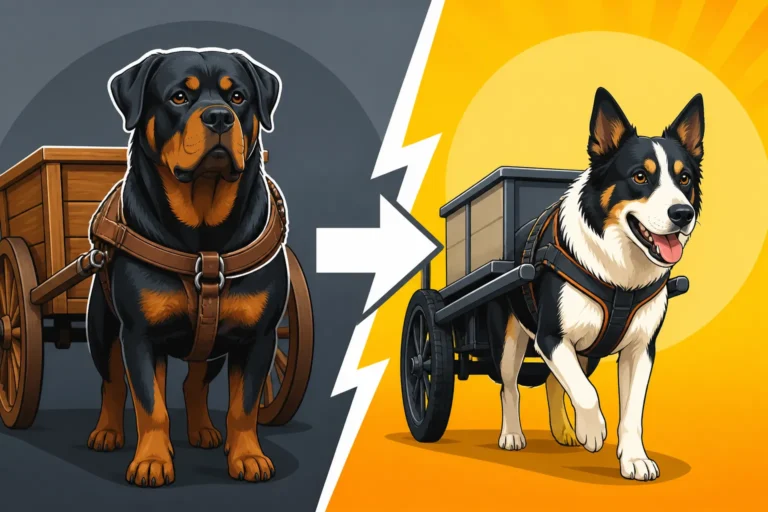
This historical role ingrained in them a deep sense of loyalty and a strong protective drive. They had to be confident enough to stand their ground against a threat, but also discerning enough to know when to act and when to simply observe. This means a Rottweiler's natural inclination is often to assess a situation calmly before reacting, rather than to jump to aggression. Their working drive is often best channeled through activities like obedience, tracking, or even Rottweiler Carting and Draft Work, which fulfills their historical purpose of pulling.
The Wait-and-See Temperament
One of the most defining characteristics of a well-bred Rottweiler is their "wait-and-see" temperament. They aren't the type of dog to rush up to every stranger with boundless enthusiasm, nor are they typically nervous and flighty. Instead, they observe. They take in their surroundings, analyze new people and situations, and only then decide how to react. This can often be misinterpreted as being aloof or even cold, particularly by those accustomed to more outwardly friendly breeds.
A Rottweiler standing calmly, watching a newcomer to the home, isn't necessarily being aggressive. They're processing. They're using their natural intelligence and guarding instincts to determine if there's a threat. Once they've decided a person is acceptable, they can be incredibly affectionate and playful with their family. Understanding Why a Rottweiler Waits Before Deciding is crucial to correctly interpreting their behavior and not mistaking caution for malice. They are self-assured, often reserved, and this quiet confidence is a hallmark of the breed.
Confidence, Not Belligerence
A truly well-bred Rottweiler possesses immense self-confidence. They carry themselves with an air of composure and strength. This confidence means they rarely feel the need to posture or display overt aggression unless they perceive a genuine threat to their family or territory. A confident dog is typically a stable dog, less prone to fear-based aggression, which is a common type of aggression seen in many breeds.
Belligerence, on the other hand, implies an eagerness to fight or an aggressive attitude without provocation. This is not a natural trait of the Rottweiler. A Rottweiler that exhibits unprovoked belligerence or excessive fear is likely suffering from poor breeding, inadequate socialization, or a lack of proper training, rather than simply fulfilling a "natural" aggressive instinct. We want our Rottweilers to be brave and protective, but always under our guidance and control.
Factors Influencing Rottweiler Behavior
While no dog is born "bad," a Rottweiler's powerful physique and natural guarding instincts mean that responsible ownership is paramount. Their behavior is heavily influenced by several key factors throughout their lives.
The Critical Role of Socialization
Proper socialization is arguably the single most important factor in raising a well-adjusted Rottweiler. This isn't just about letting your puppy play with other dogs (though that's part of it!). It means exposing your Rottweiler puppy to a wide variety of sights, sounds, people, and experiences in a positive and controlled manner during their critical developmental window, typically before 16 weeks of age. A puppy that misses out on this crucial period can grow up fearful, anxious, and prone to reactivity.
Imagine a scenario: a young Rottweiler puppy, eager to explore but held back, rarely leaves the backyard. When it finally encounters a bustling park full of children, bicycles, and strange dogs, the overload can be terrifying. This fear, if unaddressed, can manifest as barking, lunging, or even snapping – all defensive behaviors stemming from insecurity, not inherent aggression. Socializing a Rottweiler Puppy Properly ensures they learn to navigate the world with confidence and curiosity, rather than fear. Without it, even the most well-meaning Rottweiler can become a liability due to apprehension.
Training for a Large, Powerful Breed
Consistent, positive reinforcement training is non-negotiable for a Rottweiler. This is a breed that will easily outweigh many adults, and their strength is considerable. Basic obedience commands aren't just for show; they are critical safety tools. A "stay" command can prevent a potential incident with an unexpected guest, and a solid "recall" can be lifesaving. Training needs to begin early, ideally the moment your puppy comes home.
It's a common mistake to think you can put off training until a Rottweiler is older, but by then, they've already developed habits and are much harder to physically manage. Training a Rottweiler Before It Outweighs You is not just smart, it's essential. This means investing time in puppy classes, perhaps even seeking private training from a professional experienced with large, working breeds. Websites like Chewy offer a wide range of training treats and durable toys that can be invaluable in these sessions, providing positive rewards for good behavior. The goal isn't to break their spirit, but to channel their intelligence and drive into desired behaviors, ensuring they understand their place in the family hierarchy and trust your leadership.
Genetics and Responsible Breeding
While environment and training are huge, we cannot completely ignore genetics. A responsible breeder meticulously screens their dogs for health issues and also for sound temperament. They strive to produce Rottweilers that are confident, stable, and free from undue nervousness or aggression. A Rottweiler from a reputable breeder will have parents with verifiable health clearances and a history of stable temperaments.
Conversely, Rottweilers from backyard breeders or puppy mills, where profit often trumps health and temperament, are more likely to inherit undesirable traits like fearfulness, shyness, or even neurotic tendencies. These traits can predispose a dog to aggressive behaviors, as fear is a primary driver of aggression. When seeking a Rottweiler puppy, asking to meet both parents and observing their temperaments is crucial. Look for parents who are calm, confident, and approachable, even if a bit reserved with strangers. A good breeder will be transparent about their lines and breeding practices.
Health and Pain as Triggers
An often overlooked factor contributing to aggression in dogs is pain or underlying medical conditions. A dog that is constantly uncomfortable, whether from chronic arthritis, an injury, or even a hidden illness, might lash out if touched unexpectedly or if its pain is exacerbated. This isn't aggression stemming from malice; it's a defensive reaction to protect itself from perceived harm.
For a large breed like a Rottweiler, conditions like hip or elbow dysplasia, Osteosarcoma, the Cancer That Takes Most Rottweilers, or even dental pain can make them sensitive and reactive. If your Rottweiler suddenly displays uncharacteristic aggression, the first step should always be a thorough veterinary check-up to rule out any medical causes. Pain management can dramatically change a dog's demeanor. Regular vet visits, especially as they age, are vital to catch these issues early.
Debunking Common Misconceptions
The Rottweiler's imposing appearance and historical working roles have unfortunately contributed to a persistent negative stereotype. It's time to set the record straight on some common myths.
The "Aggressive Breed" Label
The media loves a sensational headline, and a story involving a powerful dog breed can quickly spread misinformation. Rottweilers, along with a handful of other breeds, have unjustly earned the label of "aggressive breed" in popular culture, leading to breed-specific legislation in many areas. This label ignores the nuanced reality that any dog, regardless of breed, can exhibit aggression if poorly bred, untrained, or mistreated.
It's a narrative that overlooks the thousands of well-behaved, loving Rottweilers who are cherished family members and excellent ambassadors for their breed. The truth is, a breed is defined by its potential and tendencies, not by an absolute guarantee of behavior. A Rottweiler has the potential to be a formidable guard dog, but also a gentle, loyal companion. The outcome depends far more on the owner than on the dog's genetics alone. Why Rottweiler Reputation and Reality Diverge is a complex issue, but it often boils down to misunderstanding and fear.
Fear-Based Reactions vs. True Aggression
It's vital to differentiate between a fear-based reaction and true, unprovoked aggression. Many instances where a dog "snaps" or "lunges" are rooted in fear. A dog might bark wildly at a stranger because it's scared, not because it wants to attack. This is particularly true for dogs that haven't been adequately socialized and find new experiences overwhelming.
Consider a Rottweiler walking on a leash, encountering a boisterous off-leash dog. If the Rottweiler feels threatened and has no escape, it might react aggressively to create distance or deter the perceived threat. This is a survival mechanism. True aggression, without any identifiable trigger or context, is exceedingly rare in any breed and usually points to severe behavioral issues or neurological problems, often linked to poor breeding. Learning to read Reading a Still Rottweiler That Is Not Relaxed or other subtle body language cues can help you identify fear before it escalates.
Resource Guarding vs. Malice
Rottweilers, by their very nature as guarding dogs, often have a strong instinct to protect their "resources"—be that their food bowl, a favorite toy, a prime sleeping spot, or even their people. This is called resource guarding, and while it can lead to aggressive displays, it's a natural behavior, not a sign of malice. It stems from a deep-seated instinct to ensure their survival and maintain control over valuable items.
Managing Rottweiler Resource Guarding at Home is about clear boundaries, consistent training, and teaching your dog that sharing and handling of their resources is a positive experience, not a threat. For example, regularly practicing "trading up" (offering a higher value treat for a guarded item) can teach your Rottweiler that letting go of something is rewarding. It's about respecting their instinct while teaching them appropriate responses, rather than punishing the guarding behavior itself, which can escalate the problem. You can find durable toys and high-value treats suitable for this type of training readily available from retailers like Chewy.
Cultivating a Well-Adjusted Rottweiler
So, how do you ensure your Rottweiler grows up to be a shining example of the breed – confident, loyal, and stable – rather than falling into the aggressive stereotype? It comes down to a proactive and consistent approach to their care, training, and environment.
Starting Early with a Plan
The journey to a well-adjusted Rottweiler begins the day you bring your puppy home. This means having a clear plan for socialization, house training, and basic obedience. Enroll in puppy classes immediately. These classes not only provide crucial socialization with other puppies and people in a controlled setting but also arm you with the fundamental training skills you'll need. Don't underestimate the power of positive early experiences.
Expose your puppy to different types of people – men, women, children (supervised!), people in hats, people with canes, etc. Take them to various safe environments like parks (after vaccinations), pet-friendly stores, and quiet public spaces. Focus on creating positive associations. Offer treats and praise whenever they encounter something new calmly. Remember, a Rottweiler Puppy Training Through the First Year is a marathon, not a sprint, and these early months lay the foundation for a lifetime of good behavior.
Ongoing Education and Engagement
Training doesn't stop when your Rottweiler graduates from puppy class or even when they turn two. Rottweilers are intelligent dogs who thrive on having a "job" to do and consistent mental engagement. Continued training, whether through advanced obedience classes, scent work, agility (when joints are mature), or even just daily puzzle toys, helps keep their minds sharp and prevents boredom-related behavioral issues.
A bored Rottweiler with excess energy is more likely to invent its own (often undesirable) entertainment. Mental stimulation is just as important as physical exercise for a breed like this. Consider interactive feeders, like those found on Chewy, which make them work for their meals. Practicing commands daily, even for just a few minutes, reinforces their learning and strengthens your bond. It reminds them that you are the leader and that listening to you is rewarding.
Seeking Professional Guidance
Sometimes, despite our best efforts, a Rottweiler might develop behavioral challenges. This is not a failure on your part, but an indication that professional guidance is needed. If you notice signs of fear, reactivity, or aggression that you can't manage on your own, don't hesitate to consult a certified professional dog trainer or a veterinary behaviorist. These experts can assess the situation, identify the root cause of the behavior, and develop a tailored plan to help.
Early intervention is key. The longer a problem behavior persists, the harder it is to modify. A trainer experienced with powerful breeds can offer invaluable tools and techniques to address specific issues, from Rottweiler Leash Pulling at Adult Weight to more complex reactivity. They can also help you understand your dog's body language better and teach you how to respond effectively. Remember, seeking help is a sign of responsible ownership, demonstrating your commitment to your Rottweiler's well-being and the safety of your community.
| Behavior Type | Description | Common Triggers | How It's Misinterpreted |
|---|---|---|---|
| Protective | Guarding family or territory from perceived threats. | Strangers approaching property, unfamiliar individuals near family members. | "Aggressive" or "Mean" without understanding context. |
| Fear-Based | Defensive reaction to perceived danger, lack of confidence, or overwhelming stimuli. | Loud noises, unfamiliar people/dogs, sudden movements, new environments. | Unprovoked aggression, inherent viciousness. |
| Resource Guarding | Protecting valued items (food, toys, space) from others. | Someone approaching their food bowl, attempting to take a high-value chew. | Selfish, disobedient, inherently aggressive. |
| Play Aggression | Overly rough play, hard bites, excessive growling during interaction. | Excitement during play, lack of proper bite inhibition training as a puppy. | Actual aggression; dog is trying to hurt. |
| Pain-Induced | Lashing out when touched or moved due to physical discomfort. | Being petted in a sensitive area, attempts to move a sore limb, vet examinations. | Unpredictable, bad temperament. |
| Territorial | Defending specific area from perceived intruders. | Mail carriers, delivery drivers, strangers at the door/fence line. | General aggression towards all outsiders. |
Disclaimer
This article is for general informational purposes only and does not constitute professional advice. Laws, prices and regulations vary by location and change over time. Consult a qualified professional for guidance on your specific situation.