The Rottweiler Head Under the Standard
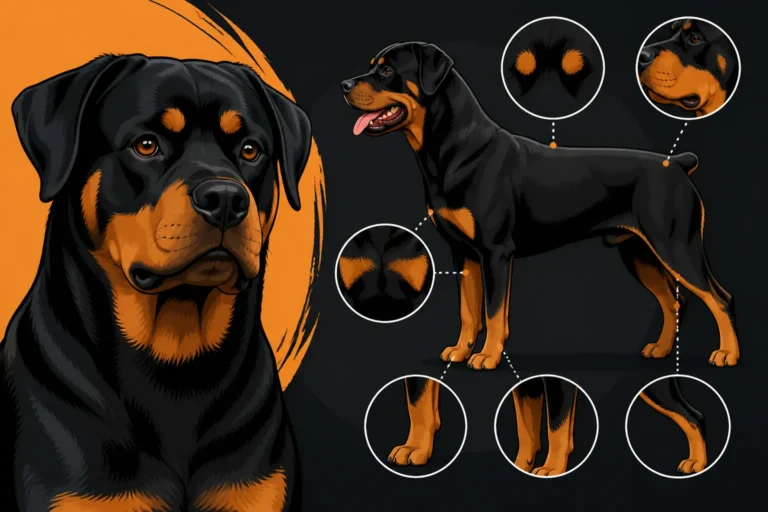
One of the most defining characteristics of a Rottweiler, and often a point of confusion for those unfamiliar with the breed, is its head. People might assume that a strong dog simply has a "big head," but there's so much more nuance to it. The breed standard, whether from the American Kennel Club (AKC) or the Allgemeiner Deutscher Rottweiler-Klub (ADRK), outlines very specific characteristics for the Rottweiler head, reflecting its heritage, function, and temperament. This guide will take you through what makes a Rottweiler's head truly "standard," from its overall proportions to the smallest details of its eyes, ears, and formidable jaw.
The Overall Impression and Proportionality of the Rottweiler Head
When you look at a Rottweiler, the head shouldn't appear too small, too delicate, or too clunky for the rest of its powerful physique. It needs to convey strength and purpose, but also balance. A well-bred Rottweiler's head immediately tells a story of its working lineage and its self-assured temperament. It's not just about size, it's about how that size fits into the whole picture of a substantial, muscular dog.
Head in Proportion to Body
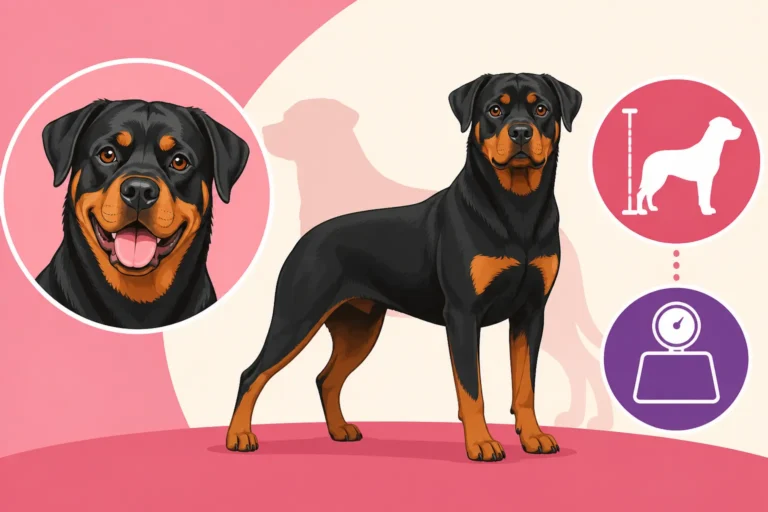
The Rottweiler's head should always be in harmonious proportion to its body. Imagine a dog with an enormous, heavy head on a slight frame, or a tiny, refined head on a massive, blocky body – neither would look quite right, and more importantly, neither would function as effectively. The standard calls for a head that is neither coarse nor too fine. It should be broad between the ears, with a distinctly strong lower jaw, giving the dog a powerful, yet noble, expression. When you see a Rottweiler, the head should immediately convey its robust nature, yet fit seamlessly with its deep chest and strong neck. It’s a bit like a well-built engine; every part is exactly where it needs to be to contribute to the whole. This balance is crucial not just for aesthetics but for the dog's movement and overall health.
This proportional balance is a hallmark of good breeding. A dog with a head too large might struggle with excessive weight on its neck and spine, potentially exacerbating conditions like Spondylosis Along a Rottweiler's Spine. Conversely, a head that's too small can give the impression of weakness or an atypical breed type, which is a major fault in the show ring and can sometimes indicate a departure from the desired temperament. The overall impression should always be one of robust substance, without being cumbersome or unwieldy.
Forehead and Stop
Moving closer, the forehead is a significant feature. It should be moderately arched, not flat like a board, but certainly not domed like some toy breeds. The bone structure underneath is substantial. From the side profile, you'll notice a clear but not overly pronounced stop – that's the indentation where the muzzle meets the forehead. Think of it as a clear transition, not a sharp 90-degree angle, nor a smooth, continuous line. The stop gives the Rottweiler its characteristic serious and thoughtful expression.
The forehead itself should be free of excessive wrinkling when the dog is at rest, although a thoughtful furrowing might appear when the dog is concentrating. The stop is critical for defining the planes of the head, giving it depth and character. A weak or absent stop can make the head look "plain" or lacking in breed type, while an exaggerated stop can give a perpetually worried or startled expression, which isn't characteristic of the calm confidence the breed is known for. The Rottweiler Skull and Stop in the Standard delves deeper into these specific measurements and expectations outlined by the various clubs. It's a subtle but important detail that contributes significantly to the dog's overall head type and expression.
The Skull and Its Distinctive Features
The skull of a Rottweiler is a powerhouse, designed to house a strong brain and anchor formidable jaws. It's broad and deep, embodying the breed's strength and intelligence. When you run your hand over a Rottweiler's head, you should feel solid bone, not a delicate structure. This broadness isn't just for show; it provides ample room for powerful jaw muscles and contributes to the overall impression of a capable working dog.
Broadness and Flatness
The top of the skull, specifically between the ears, should be broad and relatively flat. It's not rounded or apple-domed. This broadness gives the Rottweiler its distinctive look and provides the necessary space for powerful muscle attachments. When viewed from above, the skull should appear wider than the muzzle is long, creating a trapezoidal shape that tapers slightly towards the eyes. This broad, flat plane between the ears is a key identifier of the breed.
A skull that is too narrow or too rounded is considered a serious fault, as it deviates significantly from the desired breed type. It can also hint at potential issues with brain capacity or muscular development that are necessary for the breed's function. The bone structure is heavy, and this contributes to the dog's overall substantial bone, not just in the head but throughout its body. It’s a design element that speaks to the Rottweiler’s history as a drover and guard dog, requiring strength and resilience in every part of its anatomy.
Occiput and Zygomatic Arches
Behind the broad, flat skull, you'll find the occipital bone. While present, the occiput (the bony prominence at the back of the skull) should not be overly pronounced. A very prominent occiput can indicate a head that is too narrow or too domed. Similarly, the zygomatic arches – the cheekbones – should be well-developed and visible, but not bulging excessively. These arches provide crucial attachment points for the powerful chewing muscles.
When a Rottweiler is stressed or focused, you might see these muscles flex, emphasizing the broadness of the head. The zygomatic arches contribute to the overall strength and depth of the head, framing the eyes and giving definition to the face. The balance between the occiput and the zygomatic arches is another subtle detail that defines the correct head type, ensuring that the skull is strong without appearing cumbersome or unbalanced. A well-constructed skull allows for proper function of the jaws and protection of the brain, essential for a working dog.
The Muzzle, Jaws, and Bite
The muzzle and jaws of a Rottweiler are perhaps their most defining functional features. They are built for purpose: to herd cattle, to guard, and to hold. This means immense strength, broadness, and a very specific bite configuration are required. It’s not just about looking tough; it’s about having the physical capability to perform its original duties effectively.
Muzzle Length and Depth
The muzzle should be broad at its base and taper only slightly towards the nose. It should be well-developed, deep, and not appear pinched or snipey. The ratio of the muzzle length to the skull is also important. Generally, the muzzle should be shorter than the skull, with the ideal length being about two-fifths of the length of the entire head. It should also have good depth, meaning there's a substantial distance from the top of the muzzle to the bottom of the lower jaw. This depth is vital for providing leverage and power to the jaws.
A long, narrow muzzle (sometimes called a "snipey" muzzle) or one that lacks depth is considered a serious fault. It detracts from the powerful impression and indicates a compromise in jaw strength. The lips should be black and close-fitting, not pendulous or droopy, and the corners of the mouth should be tight. This prevents slobbering and maintains a clean profile. When looking for appropriate chews for your Rottweiler, especially for dental health, you might find a robust selection on Chewy, designed to withstand this powerful muzzle and jaw without splintering.
Jaw Strength and Full Dentition
Beneath that broad muzzle lie incredibly strong jaws. The lower jaw, in particular, should be very well-developed and deep, providing a powerful lever for the teeth. The muscles around the jaws should be visibly strong and well-developed. A weak or underdeveloped jaw is a serious fault, as it compromises the Rottweiler's ability to bite and hold, which was central to its historical role.
Equally important is a full set of 42 teeth, strong and correctly placed. Missing teeth, other than the first premolars, are typically considered faults, and significant missing teeth can be a disqualification in the show ring. The teeth should be healthy, clean, and ideally, regularly maintained. This means using appropriate dental chews, perhaps sourced from Chewy, or regular brushing. Without proper dental care, a Rottweiler can develop Rottweiler Dental Disease and Cracked Teeth, which can lead to pain and difficulty eating. The integrity of the jaw and teeth is paramount for the health and functional capability of the breed.
Scissor Bite Requirement
The Rottweiler standard unequivocally calls for a scissor bite. This means that when the mouth is closed, the outside of the lower incisors (front teeth) should just meet the inside of the upper incisors. It’s a clean, efficient bite designed for gripping and holding. Any deviation from this, such as an overshot bite (where the upper jaw extends too far beyond the lower) or an undershot bite (where the lower jaw extends too far beyond the upper), is considered a fault. A level bite, where the incisors meet edge-to-edge, is also a fault because it leads to accelerated wear on the teeth.
The scissor bite ensures maximum efficiency and strength in the bite. It’s a hallmark of many working breeds for a reason – it provides the best grip. A dog with an incorrect bite might struggle to properly chew its food or could even experience jaw pain. Serious bite faults can be hereditary and are therefore highly undesirable in breeding. The structure of The Rottweiler Bite and Jaw Under the Standard is very precise, and breeders pay close attention to ensure their dogs exhibit the correct bite.
Eyes and Expression
The eyes of a Rottweiler are often described as intelligent, calm, and self-assured. They are the windows to the soul, and for the Rottweiler, they convey a great deal about its temperament and character. A Rottweiler's expression should never be shy, fearful, or aggressive, but rather watchful and confident.
Eye Shape, Color, and Placement
Rottweiler eyes should be medium-sized, almond-shaped, and set neither too deeply nor too prominently. They should be dark brown in color; lighter eyes, often referred to as "yellow eyes" or "bird of prey eyes," are a serious fault and greatly detract from the breed's characteristic expression. The eyelids should be close-fitting and entirely black, with no visible haw (the red inner membrane of the eyelid). Loose eyelids can lead to health problems like Rottweiler Entropion and Eyelid Problems or ectropion, which are both undesirable.
The placement of the eyes is also important. They should be reasonably spaced, looking directly forward, not set too wide apart or too close together. The overall effect should be one of directness and intensity without being harsh. The Rottweiler Eye Color the Standard Accepts emphasizes the importance of that deep brown shade, as it contributes significantly to the dog's characteristic noble and self-assured look. Anything less suggests a deviation from the desired breed standard.
Expression and Character
The expression conveyed by the eyes is perhaps one of the most vital aspects of the Rottweiler head. It should be one of confidence, alertness, and a certain aloofness, not fear, anxiety, or unprovoked aggression. The Rottweiler is known for its "wait-and-see" attitude, and this is clearly communicated through its eyes. They might watch a stranger calmly, assessing the situation without immediate engagement.
This calm, intelligent gaze is central to The Calm Confidence a Rottweiler Standard Asks For. It's a reflection of the breed's stable temperament and its inherent guarding instinct – a dog that knows its job and is secure in its presence. Any expression that indicates timidity, hyperactivity, or malice is highly undesirable. The eyes, combined with the set of the ears and the general posture of the head, create the overall impression of a balanced, capable, and discerning dog. A genuine Rottweiler gaze is unmistakable and deeply reassuring to those who know and love the breed.
Ears and Their Set
The ears of a Rottweiler, though relatively small for the size of its head, play a crucial role in its overall expression and adherence to the breed standard. They are often overlooked but are key elements that contribute to the dog's signature look and communicate its mood and attentiveness.
Ear Size and Position
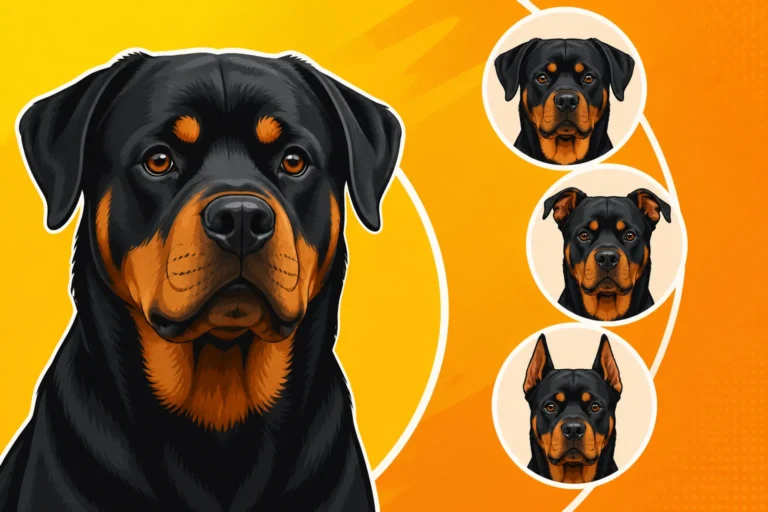
Rottweiler ears should be medium-sized, triangular, and set high on the skull. When the dog is alert, the ears should lie flat against the head, carried close to the cheeks. They should appear to broaden the top of the skull when viewed from the front, forming a clean, rather neat frame for the face. The inner edge of the ear should be relatively close to the cheek, giving a compact appearance.
Ears that are too large, too small, or set too low are considered faults. Ears that "fly" or stand off the head can give a Rottweiler a less serious or attentive expression, straying from the ideal. The correct size and position ensure that the ears function optimally for hearing, while also contributing to the characteristic broad-skulled appearance. Maintaining Rottweiler Ear Care Under a Drop Ear is also important, as the folded ear flap can sometimes trap moisture, leading to infections if not regularly cleaned.
Correct Ear Carriage
The correct ear carriage is a defining feature. When at attention, the top line of the skull should appear to be widened by the ears, which are carried rather flat against the head. The inner edge should follow the line of the cheek, giving the head a square, powerful look from the front. The tips of the ears should reach approximately to the middle of the cheek.
This specific carriage contributes to the "serious" look of the Rottweiler. Ears that are too high (prick ears) or too low (hound-like ears) are definite faults, as are ears that are constantly flopping or unevenly carried. The way a Rottweiler carries its ears, much like its eyes, communicates its attentiveness and emotional state. A Rottweiler with correctly set and carried ears will convey the calm confidence and watchfulness that is so characteristic of the breed. The standard for Rottweiler Ear Set and How They Are Carried is quite precise because it’s not just about what the ear looks like, but how it’s positioned and used.
Common Head Faults and Disqualifications
Understanding the ideal Rottweiler head means also understanding what is considered a fault or even a disqualification. These deviations from the standard can range from minor cosmetic issues to structural problems that affect the dog's health or ability to perform its duties. Breeders strive to eliminate these faults to maintain the integrity and health of the breed.
Common Structural Faults
Many common faults relate to deviations from the desired proportions or structure. For instance, a muzzle that is too long, too short, too pointed (snipey), or lacking in depth is a structural fault. The same goes for an insufficient stop or a skull that is too narrow, too rounded, or domed. Eyes that are too light (yellow), round, or prominent, or loose eyelids, are also considered faults. Similarly, ears that are too large, too small, or incorrectly set or carried would be faulted.
Often, these faults are not just aesthetic. A weak jaw or incorrect bite, as discussed, can impact a dog's ability to eat and chew properly. Loose eyelids can predispose a dog to chronic eye irritation and infections. Faults in head structure can also indicate a departure from the desired functional traits of the breed. Reputable breeders screen diligently for these issues, sometimes employing genetic testing or careful structural evaluations. When purchasing items like durable chew toys, especially for a dog with an already strong bite, it's a good idea to check product reviews on sites like Chewy to see what holds up best.
Serious Deviations and Disqualifications
Some deviations are so significant that they lead to disqualification from the show ring and indicate a serious departure from the breed type. These often include severe bite problems such as a grossly overshot or undershot bite, or a wry mouth (where the jaws are misaligned). Missing more than one or two teeth, especially critical ones, can also be a disqualification. Extreme shyness or unprovoked aggression, often reflected in the dog's expression and head carriage, are also disqualifications as they directly contradict the breed's stable temperament.
Other disqualifications might include non-standard eye colors (e.g., blue eyes) or the presence of a "mask" (lighter shading on the muzzle). The overall balance is key; a head that is entirely out of proportion with the body, or one that displays multiple severe faults, would likely be disqualified. These strict standards exist to preserve the working ability, health, and distinct appearance of the Rottweiler, ensuring that the breed continues to embody the characteristics for which it is renowned. This meticulous attention to detail within the standard ensures the quality and consistency of the Rottweiler breed for future generations.
| Feature | Ideal Description (Standard) | Common Faults | Serious Faults/Disqualifications |
|---|---|---|---|
| Overall Balance | Proportional to body, powerful but not cumbersome | Too small/large for body, too fine/coarse | Gross disproportion, head that appears unhealthy |
| Skull | Broad between ears, moderately arched forehead, clear stop | Narrow, rounded, domed skull, insufficient stop | |
| Muzzle | Broad at base, tapering slightly, deep, 2/5 head length | Snipey, long, short, lacking depth, pendulous lips | |
| Jaws & Teeth | Strong, well-developed jaws, full dentition (42 teeth) | Missing certain teeth, weak lower jaw | Grossly overshot/undershot bite, wry mouth, extensive tooth loss |
| Bite | Scissor bite | Level bite, slight over/undershot | Severe over/undershot bite (disqualification) |
| Eyes | Medium, almond-shaped, dark brown, tight black eyelids | Light eyes ("yellow"), round, prominent, loose eyelids | Blue eyes, different colored eyes, obvious health issues |
| Expression | Intelligent, calm, self-assured, watchful | Anxious, fearful, dull, overtly aggressive | Extreme shyness, unprovoked aggression |
| Ears | Medium, triangular, high set, carried close to cheeks | Too large/small, low set, "flying" ears | Prick ears, hound-like ears, uneven carriage |
Disclaimer
This article is for general informational purposes only and does not constitute professional advice. Laws, prices and regulations vary by location and change over time. Consult a qualified professional for guidance on your specific situation.