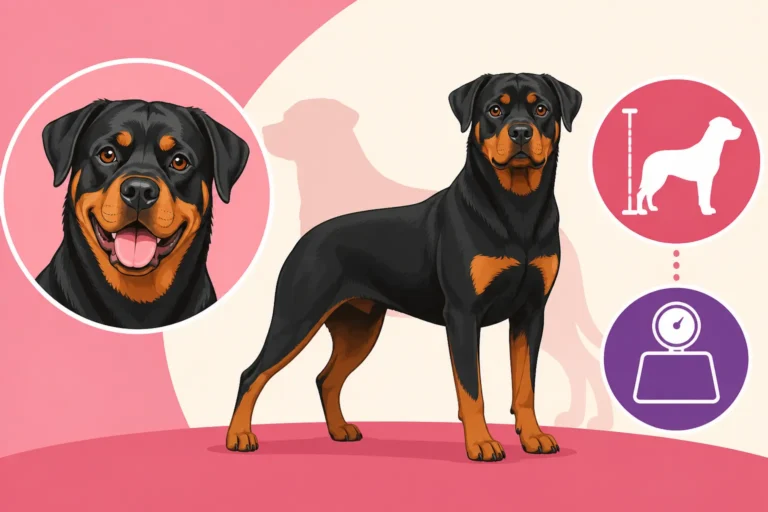
The Rottweiler Wait-and-See Response Explained
It can be quite bewildering when you're out with your beautiful Rottweiler, and instead of a wagging tail and an eager greeting, they simply stand there, observing the world with a calm, almost impassive gaze. People often mistake this reserved demeanor for coldness, fear, or even aggression, leaving owners feeling misunderstood and a little frustrated. This guide will help you understand "the wait-and-see response" that is so characteristic of the Rottweiler breed, demystifying their calm, observant nature and offering insights into how to best support your magnificent companion.
What the "Wait-and-See" Response Actually Is
When we talk about a Rottweiler's "wait-and-see" response, we're describing a deliberate, measured approach to new situations, strangers, or unfamiliar objects. It's not outright aggression, nor is it shyness in the typical sense. Instead, it's an assessment, a period of calm evaluation before they decide how to interact, or even if they should interact at all. They are taking in information, processing cues, and determining the nature of the situation and the intentions of those involved.
Imagine you're at a gathering, and a new person enters the room. Some dogs might bound over immediately, tail wagging, demanding attention. A Rottweiler, however, is more likely to pause. They might stand still, perhaps lean their head slightly, or shift their weight imperceptibly. Their eyes will be focused, taking in everything from body language to vocal tones. They aren't aloof because they don't care; they're aloof because they are calculating. This is a fundamental part of their temperament, a hallmark of their self-assured nature. They are assessing whether this new person or situation poses a threat, requires their intervention, or is simply not worth their energy to engage with. It's a hallmark of their discerning nature.
This behavior is often described as A Rottweiler That Ignores a Visitor Completely at first, and it’s a crucial aspect of responsible ownership to understand, especially when managing public perception or introducing your dog to new individuals. It's not rudeness; it's a deep-seated instinct.
Why Rottweilers Exhibit This Behavior
To truly grasp the "wait-and-see" response, we need to delve into the historical roots and inherent traits of the Rottweiler breed. Their past roles have deeply imprinted this characteristic into their very being.
The Breed's Working History
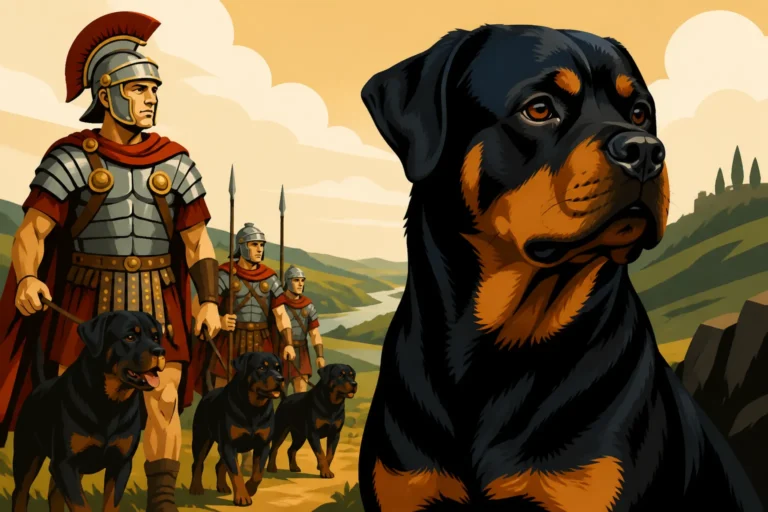
The Rottweiler's ancestors were Roman drover dogs, accompanying legions across Europe. Their job wasn't just to move cattle; it was to protect the herd and the drover from various threats – bandits, wild animals, or even just strange dogs on the road. This required a dog that wasn't impulsively reactive but was intelligent enough to assess situations and act decisively when necessary.
Later, in the German town of Rottweil, these dogs became known as "Metzgerhunds," or "butcher dogs." Their duties evolved to include guarding the butcher's money pouches and carts laden with meat, often from the cattle they had just driven to market. This further honed their discerning nature. A good butcher dog couldn't be overly friendly or easily distracted. It needed to be watchful, calm, and able to distinguish between a harmless passerby and a genuine threat. This history is why The Rottweiler Name as It Appears in German Records is so closely tied to their working past. They had to weigh situations, observing from a distance before engaging.
Inherent Temperament and Guarding Instincts
The breed standard for the Rottweiler speaks to this exact temperament. It describes a dog that is calm, confident, and courageous, with a strong guarding instinct. These aren't traits found in a dog that greets every stranger with exuberance. Instead, they manifest as a discerning nature, a dog that trusts its own judgment over immediate emotional responses.
This calm confidence is often what reads as Rottweiler Aloofness and Why It Reads as Cold. They aren't trying to be unfriendly; they are simply fulfilling their genetic programming to be vigilant. This can be particularly apparent when meeting new people. They might stand slightly behind their owner, observing, processing, and only when they feel comfortable or have received a clear signal from their trusted human, will they consider an approach. This is why understanding Reading a Still Rottweiler That Is Not Relaxed is so important—their stillness is often a sign of active assessment, not necessarily relaxation. This ingrained behavior is part of The Temperament Clause in the Rottweiler Standard, emphasizing their stable and watchful nature.
Interpreting and Managing the Wait-and-See Response
Understanding your Rottweiler's natural inclination to observe before acting is the first step. The next is learning how to interpret their signals and manage situations to ensure their comfort and the safety of others. This isn't about changing who your Rottweiler is, but rather about working with their innate nature.
Reading Your Rottweiler's Cues
A Rottweiler engaged in a "wait-and-see" response will display specific body language. Look for:
- Stillness: They might stand very still, sometimes with a slight forward lean.
- Focused Eyes: Their gaze will be direct, steady, and unblinking, but generally not hard or staring aggressively. They are taking everything in.
- Closed Mouth: Often, their mouth will be closed, indicating focus rather than panting or a relaxed grin.
- Subtle Tail Movement (if natural tail): If your Rottweiler has a natural tail, it might be held in a neutral position, or if there's very subtle interest, a low, slow wag might occur, but it's not the full-body wag of an overly excited dog. For docked tails, you'll need to rely more on other cues, as Rottweiler Tail Language After Docking is less expressive.
- Calm Demeanor: The overall impression should be one of calm, not tension or fear. There's no cowering, excessive lip licking, yawning, or averted gaze that would indicate anxiety.
If you see these signs, it's your cue to give them space and time. Don't push them to interact immediately. This patient observation is a healthy trait. However, if their body language shifts to Rottweiler Whale Eye and Other Warning Signs (where the whites of their eyes are visible), lip curling, stiff posture, or a low growl, they might be moving from assessment to feeling genuinely uncomfortable or threatened. This is when you need to intervene and create distance.
Managing Introductions and Encounters
When introducing your Rottweiler to new people or situations, always prioritize slow, controlled interactions.
New People in Your Home
- Set the Scene: When guests arrive, your Rottweiler should ideally be in a "place" command or crated in another room until the initial excitement dies down. This allows them to observe from a distance, rather than being overwhelmed at the door.
- Controlled Introductions: Once your guests are settled, bring your Rottweiler in on a leash. Keep the leash loose, allowing them to approach your guests on their own terms. Advise your guests to ignore your dog initially, letting the dog make the first move. No direct eye contact, no reaching out for pets.
- Positive Reinforcement: Have high-value treats (perhaps something your Rottweiler loves from Chewy!) ready. If your Rottweiler calmly approaches or even just observes politely, reward them. If they choose to sniff a guest, that's progress! Let the guest offer a treat without forcing interaction. This process teaches your dog that new people bring good things.
Encounters in Public
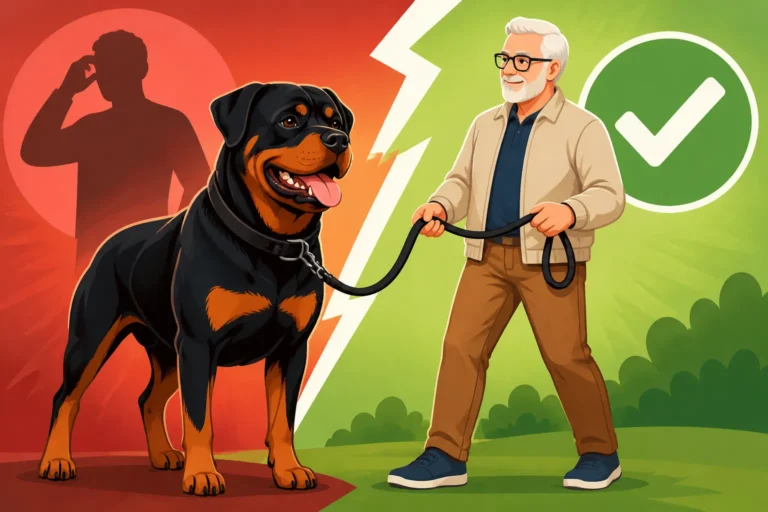
- Be Your Dog's Advocate: On walks, if someone wants to pet your Rottweiler, be honest. "He's friendly, but he's a guardian breed and takes a moment to warm up. Please let him approach you." This manages expectations.
- Maintain Distance: If your Rottweiler is showing their "wait-and-see" response to another dog or person from a distance, allow them to observe without forcing an interaction. Sometimes, observation is enough. Crossing the street to create more space is perfectly acceptable and often the wisest course of action.
- Continue Socialization: Even with their natural aloofness, continuous, positive Rottweiler Socialization Before Sixteen Weeks and throughout their life is vital. Exposing them calmly to various sights, sounds, and neutral people helps them learn that most things are not a threat. Puppy classes, like those discussed in Puppy Classes That Accept Rottweilers, offer structured environments for this.
Distinguishing Calm Aloofness from Fear or Aggression
It's crucial for every Rottweiler owner to differentiate between their dog's natural "wait-and-see" and genuine fear or aggression. The line can seem blurry to an untrained eye, but the distinctions are significant for your dog's well-being and public safety.
Signs of Calm Observation
As we discussed, a Rottweiler that is calmly observing will appear self-composed. Their body might be still, but not stiff or rigid. Their ears might be alert but not pinned back in fear or pushed forward in aggression. Their tail, if natural, will be neutral or offering a slow, soft wag. Their eyes will be focused, intelligent, and assessing, not wide with fear or narrowed with malice. They are processing information, taking their time to understand the situation. This is Why a Rottweiler Watches Before It Approaches. They might even offer a soft grumble, which, for a Rottweiler, can be a sign of contentment or acknowledgement, not a threat, as explored in The Rottweiler Grumble That Is Not a Growl.
Think of it this way: a calm Rottweiler is like a security guard carefully scanning a room. They're present, aware, and ready to act if needed, but not actively looking for trouble. They're simply doing their job of assessing their environment. They embody the phrase "quiet confidence."
Signs of Fear or Anxiety
Fear and anxiety in a Rottweiler can manifest in ways that might initially look like aloofness, but upon closer inspection, they tell a different story.
- Avoidance: A fearful Rottweiler might try to hide behind you, turn their head away, or actively try to move away from the stimulus. This is different from merely standing still to observe.
- Body Language: Look for a tucked tail (if natural), ears flattened against the head, lip licking, yawning (out of context), panting when not hot, trembling, or holding their body low to the ground. Their pupils might be dilated, and they might exhibit Rottweiler Whale Eye and Other Warning Signs.
- Tension: The muscles in their face and body will appear tense and rigid, not relaxed. They might be frozen in place, but it's a freeze born of fear, not calm calculation.
- Hyper-vigilance: Instead of calm observation, they might be darting their eyes, looking for an escape route, or showing signs of extreme hyper-vigilance, indicating they are overwhelmed.
A fearful dog, if pushed past its limits, can resort to defensive aggression, which is a very different scenario from a Rottweiler's natural guarding instinct.
Signs of Aggression
True aggression is a serious concern and needs immediate professional intervention from a qualified behaviorist. It's distinct from the wait-and-see.
- Stiff Body Posture: An aggressive Rottweiler will often have a very stiff, tense body, often leaning forward into the stimulus. Their hackles might be raised.
- Direct, Hard Stare: Their gaze will be unblinking and intense, often described as a "hard stare."
- Lip Curling and Snarling: They might raise their lips to show teeth, accompanied by growling or snarling.
- Low, Threatening Growl: Unlike a soft grumble, an aggressive growl is deep, guttural, and clearly a warning. Why You Should Never Punish a Rottweiler Growl is an important concept here, as a growl is communication; punishing it can lead to a dog who bites without warning.
- Lunging or Snapping: If the situation escalates, they might lunge forward, snap, or even bite.
It's paramount to understand that the Rottweiler's natural "wait-and-see" is a self-controlled, confident response. It's a sign of their breed's intelligence and discernment, not an indicator of fear or malice. With proper socialization, consistent training (like what's available from Chewy's array of training tools and positive reinforcement treats), and an owner who understands and respects their nature, a Rottweiler will be a stable, devoted, and discerning companion. Embracing their unique communication style is key to building a strong bond and helping them navigate our human world with grace and confidence.
| Behavior Trait | "Wait-and-See" Response (Calm Observation) | Fear/Anxiety | Aggression (Offensive/Defensive) |
|---|---|---|---|
| Body Posture | Calm, self-assured, often still | Lowered body, crouched, possibly trembling | Stiff, rigid, often leaning forward |
| Eye Contact | Focused, assessing, direct but not staring | Averted, wide, darting, whale eye | Hard, unblinking stare |
| Tail Position | Neutral, slow, soft wag (if natural) | Tucked low, clamped between legs | Stiff, held high or low, fast, stiff wag |
| Ears | Alert, attentive | Flattened, pulled back | Forward, stiff, sometimes flattened |
| Mouth/Lips | Closed, relaxed | Lip licking, yawning, panting (out of context) | Curled, snarling, teeth bared |
| Vocalization | Quiet, possibly soft grumble | Whining, whimpering, nervous bark | Growling, snarling, loud, aggressive bark |
| Movement | Measured, deliberate, or still | Retreating, cowering, freezing | Lunging, snapping, charging |
| Overall Demeanor | Confident, watchful, processing | Anxious, insecure, overwhelmed | Threatening, confrontational |
Disclaimer
This article is for general informational purposes only and does not constitute professional advice. Laws, prices and regulations vary by location and change over time. Consult a qualified professional for guidance on your specific situation.