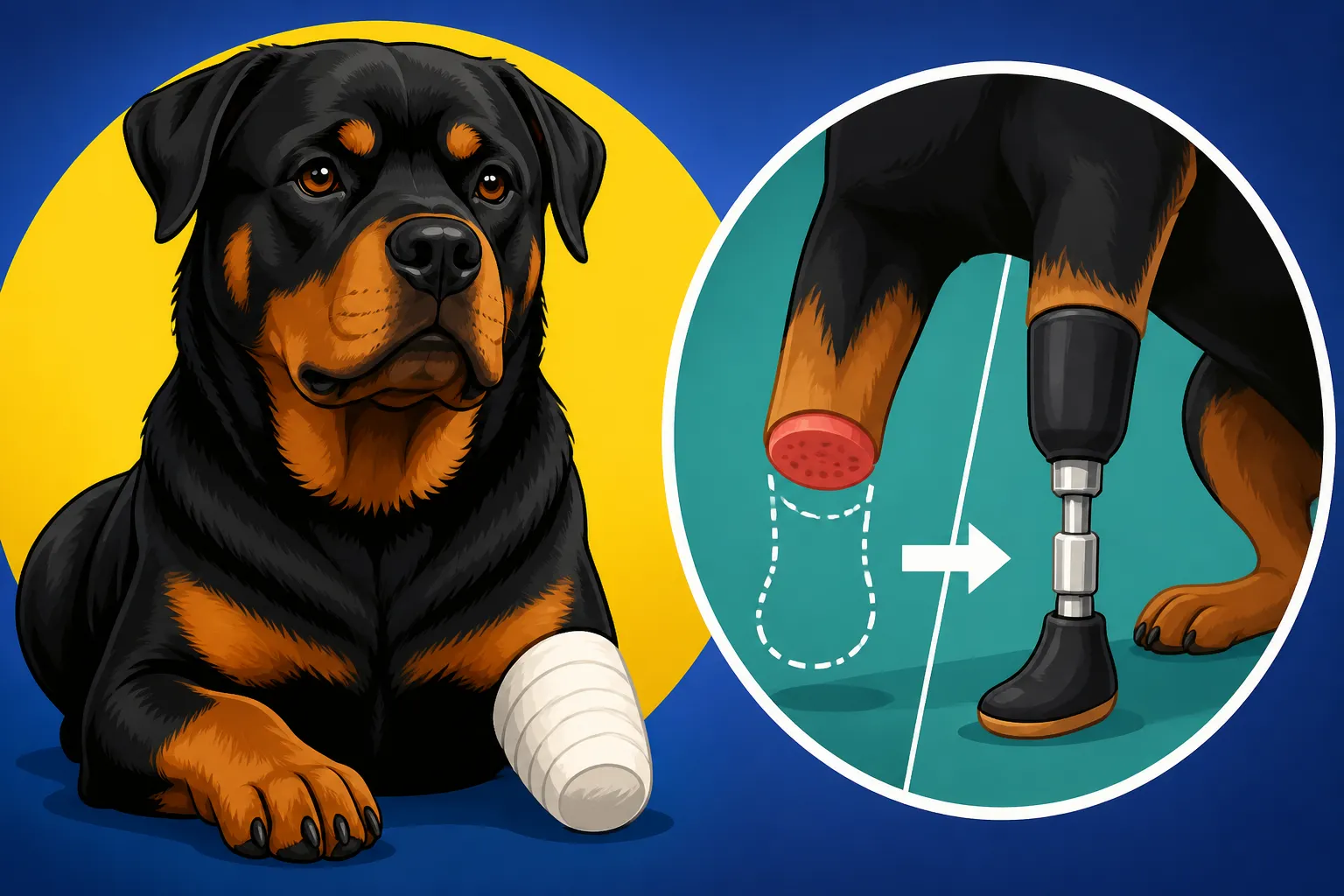
What Amputation Actually Involves for a Rottweiler
Facing the difficult decision of limb amputation for your beloved Rottweiler is an incredibly heavy burden, often brought on by unexpected and devastating health crises. It’s natural to feel overwhelmed, anxious, and perhaps even guilty about such a significant change to your dog's body and life. This guide is here to walk you through exactly what amputation involves for a Rottweiler, from the initial diagnosis through the surgery itself, and into the comprehensive recovery and adaptation period, helping you prepare for every step.
Understanding the 'Why' Behind Amputation
The decision to amputate a limb is never taken lightly. For a dog as large and powerful as a Rottweiler, it represents a monumental change, and veterinarians will only recommend it when it offers the best chance for pain relief, disease control, and an improved quality of life. Often, this difficult choice comes after exhausting other treatment options or when the condition poses an immediate threat to the dog's well-being.
Common Reasons for Limb Amputation in Rottweilers
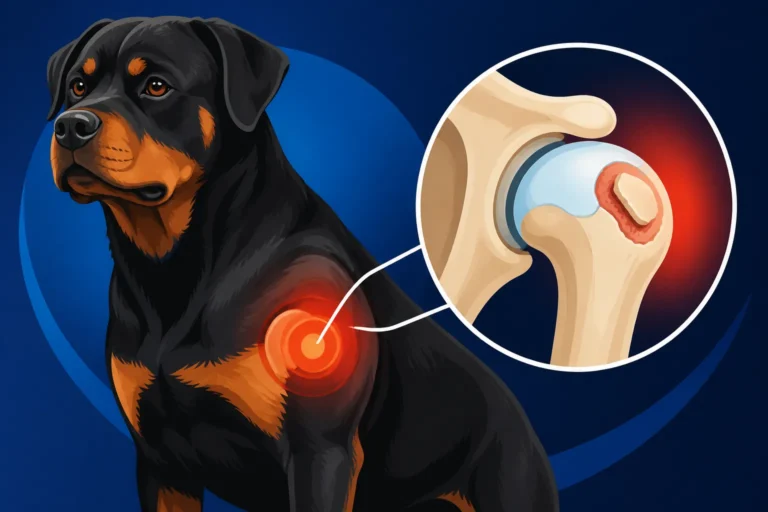
When a Rottweiler faces a limb amputation, it's typically due to a few critical reasons, with bone cancer being tragically prominent. Rottweilers, like many large and giant breeds, have a higher predisposition to certain types of aggressive cancers, particularly osteosarcoma. This devastating primary bone tumor most commonly affects the long bones of the limbs – the radius, ulna, tibia, or femur. When caught early, before significant metastasis, amputation offers the best chance to remove the diseased bone and eliminate the excruciating pain associated with the tumor. If you've ever observed The First Limp That Turns Out to Be Bone Cancer, you know how quickly it can progress, and amputation often becomes a necessary intervention to halt the relentless pain and spread of the disease.
Beyond cancer, severe trauma can also necessitate amputation. This might include injuries sustained in a car accident, a catastrophic fracture that cannot be repaired, or a crushing injury that has led to irreparable nerve damage or infection. While less common in a breed as robust as a Rottweiler compared to, say, a tiny toy breed, such incidents can happen, leaving veterinarians with no viable option to save the limb. Chronic, untreatable infections that fail to respond to antibiotics and debridement, or severe neurological deficits where a limb becomes a source of self-mutilation or chronic pain without function, are also potential, albeit rarer, causes. The common thread in all these scenarios is that the limb itself has become a liability, a source of intractable pain, or a threat to the dog's overall health, rather than a functional part of their anatomy.
When Amputation Becomes the Best or Only Option
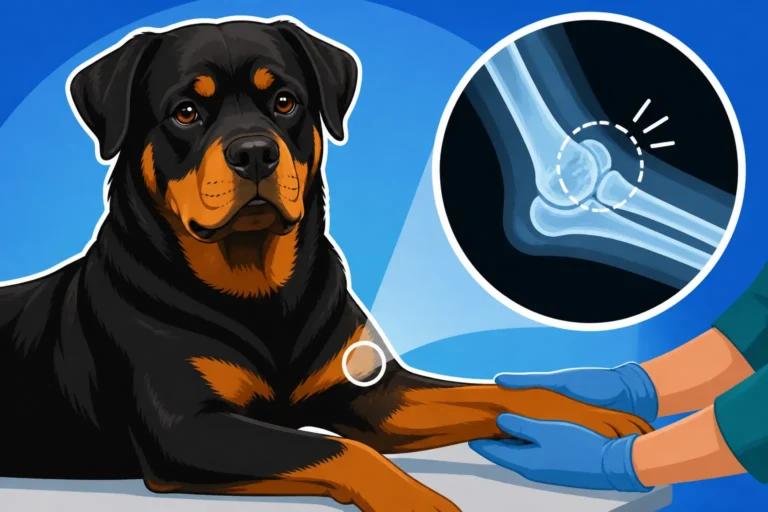
Making the call for amputation is harrowing. It's often preceded by extensive discussions with your veterinary team, including your primary vet and potentially an oncologist or orthopedic specialist. For cases like osteosarcoma, time is often of the essence. You might have received a diagnosis after seeing The X-Rays That Confirm Rottweiler Osteosarcoma, and the grim reality sets in. While there might be other palliative options like radiation or pain medication, these are often temporary solutions that don't address the primary tumor and the intense pain it causes. Amputation, in these situations, becomes the most direct and effective way to remove the source of pain and prevent further local tumor growth.
It's about weighing the quality of life. A Rottweiler in constant, severe pain, even with medication, is not truly living. Amputation, though radical, can completely alleviate that specific source of suffering. For many owners, the fear is that their large, powerful dog won't cope on three legs. However, dogs are remarkably adaptable. They don't have the same emotional attachment to their limbs as humans do; their primary concern is typically pain relief and mobility. If the limb is non-functional or severely painful, removing it can paradoxically improve their mobility and overall demeanor. This is especially true for Osteosarcoma, the Cancer That Takes Most Rottweilers, where the aggressive nature of the disease often means that delaying amputation can lead to more widespread cancer and more suffering. The goal is to provide your Rottweiler with the best possible outcome, maximizing their comfort and ability to enjoy life, even if it's on three legs.
The Pre-Surgical Journey: Preparing for Amputation
Once the decision for amputation has been made, there's a crucial preparatory phase that involves diagnostic work, emotional processing, and significant practical planning. This isn't just about getting ready for surgery; it's about setting your Rottweiler, and yourself, up for the best possible recovery and future.
Diagnostic Workup and Staging
Before any amputation surgery, especially for cancer, a thorough diagnostic workup is paramount. This isn't just to confirm the primary diagnosis, but critically, to assess if the cancer has spread to other parts of the body. For Rottweilers, given their predisposition to aggressive cancers like osteosarcoma, metastasis is a major concern. The veterinarian will typically perform chest X-rays to check for lung metastasis, which is very common with osteosarcoma. They might also recommend an abdominal ultrasound to check for spread to other organs. Blood tests, including a complete blood count and a biochemistry panel, are essential to assess overall organ function and ensure your Rottweiler is healthy enough to undergo anesthesia and surgery.
In some cases, especially if the initial diagnosis was less clear, a biopsy of the affected limb might have been performed to definitively identify the type of tumor. This staging process is vital because if the cancer has already spread extensively, the benefits of amputation might be outweighed by the dog's prognosis. Your vet will discuss these findings with you transparently, explaining what they mean for your Rottweiler's Rottweiler Osteosarcoma Survival Times and overall quality of life post-amputation. This comprehensive evaluation ensures that the decision to proceed with amputation is well-informed and offers the most realistic chance of improving your dog's comfort and extending their life.
The Emotional and Practical Considerations for Owners
The emotional toll of facing amputation for your Rottweiler cannot be overstated. It's perfectly normal to feel heartbroken, scared, and even overwhelmed by the prospect of your large dog losing a limb. You might worry about Whether a Three-Legged Rottweiler Copes at That Size or how you'll manage their care. It's important to allow yourself to feel these emotions and to lean on your support system – family, friends, and your veterinary team. They can provide reassurance and practical advice.
Practically, you'll need to start thinking about adjustments at home. Consider things like ramps for stairs or for getting into the car, non-slip rugs on slick floors, and potentially a supportive harness to help with initial mobility. Your Rottweiler, particularly if it's a front leg amputation, will need help getting around at first. Think about their sleeping arrangements – a comfortable, easily accessible bed is key. It's also a good time to research local physical therapists who specialize in canine rehabilitation, as post-operative therapy will be crucial. Remember, while the adjustment is significant for you, your Rottweiler will often adapt with remarkable speed, driven by their instinct for comfort and the removal of pain.
Financial Planning for a Major Surgery
Let's be realistic: a major surgery like limb amputation for a Rottweiler comes with a significant cost. The overall bill can vary widely depending on factors like the specific veterinary hospital (specialty centers often have higher fees), the extent of the diagnostic workup, the surgical technique used, the length of hospitalization, and post-operative medications. You're looking at costs that encompass everything from initial consultations and X-rays to the surgery itself, anesthesia, pain management, IV fluids, monitoring, and typically several nights of inpatient care. These expenses quickly add up. For context, Rottweiler Surgery Costs From Bloat to Bone Cancer can range into the many thousands of dollars.
This is where pet insurance can be a lifesaver, assuming your policy was in place before the diagnosis. Companies like Healthy Paws are well-known for their comprehensive coverage, which can dramatically offset the financial burden of such unexpected and extensive treatments. If you have pet insurance, contact your provider immediately to understand what portion of the costs they will cover, what your deductible is, and what your reimbursement percentage will be. If you don't have insurance, or if the condition is considered pre-existing, you'll need to discuss payment options with your vet clinic. Many offer payment plans, or you might explore third-party financing options like CareCredit. Understanding the financial commitment upfront is a critical part of the preparation, ensuring you can provide the best care for your Rottweiler without added stress during an already difficult time.
The Amputation Procedure Itself
When the day of surgery arrives, it's a whirlwind of emotions. Trusting your veterinary team and understanding the actual procedure can help alleviate some of the anxiety. Modern veterinary medicine has made incredible advancements in surgical techniques and pain management, making these procedures safer and more effective than ever before.
Surgical Techniques for Rottweiler Limb Amputation
The specific surgical technique for a Rottweiler's limb amputation depends largely on which limb is being removed and why. For front limb amputations, which are quite common due to osteosarcoma often appearing in the radius or humerus, the procedure usually involves a scapulothoracic disarticulation. This means removing the entire forelimb, including the scapula (shoulder blade). While it might sound drastic, removing the entire shoulder blade provides a much cleaner, smoother contour that allows the dog to adapt more comfortably. A portion of the scapula left behind could cause discomfort or interfere with the new movement patterns.
For rear limb amputations, the procedure is typically a femoral head ostectomy or, more commonly, a coxofemoral disarticulation, removing the entire leg at the hip joint. Sometimes, a high amputation through the femur (thigh bone) might be performed if the disease is distal enough, but disarticulation at the hip generally provides a better cosmetic and functional outcome, reducing the likelihood of residual bone causing issues. The goal of any amputation technique for a Rottweiler is not just to remove the diseased or damaged limb, but to create a well-padded, comfortable stump that will allow for optimal mobility and prevent future complications. The surgeon will meticulously manage muscle and skin flaps to ensure proper closure and minimize tension.
Anesthesia and Pain Management During Surgery
Given the size and sometimes age of a Rottweiler undergoing amputation, anesthesia is a significant consideration. A pre-anesthetic blood panel is always run to check organ function, and the vet team will select an anesthetic protocol tailored specifically to your dog's health status. During the surgery, your Rottweiler will be under constant monitoring by a dedicated veterinary technician. This involves tracking heart rate, respiratory rate, blood pressure, oxygen saturation, and body temperature. Maintaining a stable body temperature is crucial for large dogs, as they can lose heat quickly under anesthesia.
Pain management is a cornerstone of modern amputation surgery. It starts before the incision is even made. Your Rottweiler will receive a multimodal pain management approach, meaning a combination of different pain medications that work in various ways to provide comprehensive relief. This might include opioids, non-steroidal anti-inflammatory drugs (NSAIDs), local anesthetic blocks (such as epidurals for hindlimb amputations or nerve blocks for forelimb), and continuous rate infusions of pain medications. This proactive approach not only keeps your Rottweiler comfortable during and immediately after surgery but also helps prevent "wind-up" pain, where the nervous system becomes hypersensitive. This aggressive pain control continues into the recovery period, ensuring your dog wakes up as comfortably as possible and can begin their healing journey with minimal suffering.
Immediate Post-Operative Care in the Clinic
The hours immediately following amputation surgery are critical. Your Rottweiler will be closely monitored in the recovery area, often in a quiet, comfortable space where they can slowly wake up from anesthesia. The veterinary team will continue to track all vital signs, assess pain levels, and ensure the incision site is clean and dry. It's normal for dogs to be a bit disoriented or wobbly as they come out of anesthesia, and the team will provide support to prevent falls, especially crucial for a large breed like a Rottweiler who suddenly has an altered center of gravity.
Intravenous fluids will continue to be administered to maintain hydration and support blood pressure. The multimodal pain management protocol started during surgery will be meticulously continued, often through injectable medications or patches that deliver continuous pain relief. The surgical site will be regularly checked for any swelling, bleeding, or discharge. While your Rottweiler will likely be very sore, the goal is to keep them as comfortable as possible, allowing them to rest and begin the healing process. The veterinary staff will also begin to gently assist them with standing and short potty breaks, always ensuring their safety and stability. Typically, Rottweilers stay in the hospital for a few days post-amputation, allowing the team to manage their immediate pain and mobility, ensuring they are stable and comfortable before discharge.
Navigating the Recovery: Life on Three Legs
Bringing your Rottweiler home after amputation is a huge milestone, but it also marks the beginning of the real work: the recovery and adaptation phase. This period requires immense patience, dedication, and a commitment to helping your dog adjust to their new way of moving.
The Critical First Weeks of Home Recovery
The first two to four weeks at home are crucial for healing and adjustment. Your Rottweiler will still be recovering from the trauma of surgery and learning to balance and move on three legs. The incision site needs diligent care. You'll likely be sent home with instructions for keeping it clean and dry, and a cone (Elizabethan collar) is almost always necessary to prevent licking, which can lead to infection or reopening the wound. Limiting activity is essential to allow the surgical site to heal properly. No jumping, running, or strenuous play. Short, controlled leash walks are typically allowed for potty breaks, but always with close supervision.
For a large dog, managing their mobility can be challenging. You might need to physically support them, especially for the first few days, using a towel sling under their belly or a specialized harness designed for amputees. Ramps for stairs or for getting in and out of the car will be invaluable. Non-slip rugs are a must on all hard floors to prevent slips and falls, which can injure the remaining limbs. It’s a lot to manage, but consistent, gentle support during these initial weeks will build confidence and help your Rottweiler quickly adapt. Remember, Amputation Recovery Week by Week for a Rottweiler is a process, and there will be good days and challenging days.
Managing Pain and Preventing Complications
Effective pain management doesn't end when your Rottweiler leaves the hospital. You'll be sent home with a regimen of oral pain medications, which might include NSAIDs, gabapentin, or other adjunct pain relievers. It's absolutely vital to administer these medications exactly as prescribed, even if your dog seems to be doing well. Stopping pain meds too soon can lead to discomfort, anxiety, and a reluctance to move, hindering recovery. Watch for signs of pain, such as restlessness, whining, panting, reluctance to eat, or guarding the surgical site, and communicate any concerns to your vet.
Beyond pain, preventing complications is paramount. The primary concerns are infection at the surgical site and excessive swelling. Keep the incision clean and dry, and monitor for redness, heat, swelling, or discharge. If you notice any of these, contact your vet immediately. Constipation can also be an issue due to pain medication and reduced activity, so ensure your Rottweiler is drinking plenty of water and eating a suitable diet. Protecting the remaining limbs is also critical; a three-legged dog puts more strain on their other limbs, so watching for new limps or soreness is important. Regular follow-up appointments with your vet will be scheduled to check the incision, remove sutures, and assess overall progress.
Mobility Aids and Home Modifications
Adapting your home for a tripawd Rottweiler is essential for their safety and comfort. Since Rottweilers are already a heavy breed, managing them with one less leg requires proactive steps.
Consider the following:
- Ramps: Investing in sturdy ramps for stairs, couches, or getting into vehicles will save strain on both you and your dog. A high-quality, non-slip ramp can be a game-changer for maintaining their independence.
- Harnesses and Slings: A rear-support harness or a full-body harness with a handle (like those from Ruffwear or Help 'Em Up) can be invaluable, especially for front-limb amputees needing help with balance or hind-limb amputees needing assistance with rear lift. These are not just for the immediate post-op period but can be useful for years, especially as your dog ages.
- Non-Slip Flooring: Hardwood, tile, or laminate floors can be incredibly challenging and dangerous for a three-legged Rottweiler. Lay down plenty of non-slip rugs, runners, or carpet tiles in high-traffic areas to provide traction and prevent slips that could lead to further injury.
- Orthopedic Beds: A good quality orthopedic bed will provide excellent joint support for their remaining limbs, which will be bearing more weight. Elevated feeders can also make meal times more comfortable by reducing strain on their neck and back.
- Outdoor Adaptations: Ensure your yard is free of obstacles, uneven terrain, or steep steps. If you have steps, consider building a small ramp. For walks, consider a well-fitting, comfortable harness designed for large breeds, as their center of gravity has shifted.
Transitioning to life on three legs is a process of learning for everyone involved. Your Rottweiler will surprise you with their resilience, but providing them with the right environment and tools will make their adaptation much smoother.
Long-Term Adaptation and Quality of Life
The initial recovery is just the first chapter. The long-term success of an amputation relies on continuous support, maintaining physical health, and addressing any emotional or behavioral changes. The goal is to ensure your Rottweiler enjoys a high quality of life as a tripawd.
Physical Therapy and Maintaining Strength
Physical therapy (PT) is often a critical component of a Rottweiler's long-term adaptation after amputation. Even if you think Whether a Three-Legged Rottweiler Copes at That Size is an immediate concern, with proper conditioning, they can thrive. A certified canine rehabilitation therapist can develop a tailored program to strengthen the remaining limbs, improve balance, and maintain core strength. This is particularly important for a heavy breed like the Rottweiler, as their remaining joints will be under increased strain. Exercises might include therapeutic exercises, hydrotherapy (swimming or underwater treadmill), massage, and passive range of motion.
Regular, controlled exercise, as prescribed by your vet or physical therapist, is vital. This helps build muscle mass, improves cardiovascular health, and prevents obesity, which would put even more stress on their remaining joints. Think about daily walks on varied, safe terrain (avoiding steep hills or slippery surfaces), and incorporating simple balance exercises at home. The long-term health of their remaining joints is paramount, so consider discussing joint supplements with your vet early on. If your pet insurance, like Healthy Paws, includes rehabilitation coverage, this can significantly help with the ongoing costs of these beneficial therapies.
Addressing Behavioral and Emotional Changes
While dogs generally adapt well physically, some behavioral and emotional changes can occur post-amputation. Some Rottweilers might initially be withdrawn or appear depressed, especially if they were in chronic pain before surgery and are now experiencing a different kind of discomfort or confusion. Others might become more anxious or clingy. The key is to be patient, understanding, and provide consistent reassurance.
Maintain routines as much as possible, as this provides a sense of security. Positive reinforcement for successful movement and cooperation during care can build confidence. Watch for signs of phantom limb pain, where the dog acts as if the missing limb is still there and painful; this is a real phenomenon and can be managed with medication under veterinary guidance. Some dogs might also become more protective or wary in new situations due to their perceived vulnerability. Continued socialization in controlled environments and gentle, positive interactions can help them adjust. If you notice persistent anxiety, aggression, or other concerning behavioral shifts, consulting with your vet or a certified veterinary behaviorist is advisable.
Ensuring a Full and Happy Life for Your Tripawd Rottweiler
The ultimate goal after amputation is for your Rottweiler to live a full, happy, and pain-free life. With thoughtful care, a supportive environment, and ongoing attention to their needs, this is absolutely achievable. Many tripawd Rottweilers go on to enjoy many years of joyful activity.
Beyond physical care, mental stimulation is crucial. Continue with training, puzzle toys, and enrichment activities to keep their minds sharp and engaged. Regular vet check-ups are more important than ever to monitor for any new health issues, especially joint problems in the remaining limbs, or for rechecks if the amputation was due to cancer. If your Rottweiler had osteosarcoma, your vet might recommend additional treatments, such as Chemotherapy Protocols Used on Rottweilers, to help prevent metastasis, even after the primary tumor has been removed. Consistent attention to their diet, weight management, and overall well-being will contribute significantly to their longevity and quality of life. Embrace their uniqueness, celebrate their resilience, and provide them with all the love and support they need to thrive as a wonderfully unique tripawd.
Key Considerations for Rottweiler Amputation
To help summarize the main points and provide a quick reference, here's a table outlining key considerations throughout the amputation journey for a Rottweiler.
Phase Key Considerations
The decision to amputate a limb for a Rottweiler, or any dog, is never taken lightly. It's a significant surgical intervention often considered after extensive diagnosis, and usually for severe, life-threatening conditions or to alleviate intractable pain. Owners grappling with this decision for their large, powerful companions have a myriad of concerns, from immediate surgical risks to the long-term quality of life for a three-legged Rottweiler. This guide aims to thoroughly explore what amputation actually involves for a Rottweiler, covering the reasons behind such a decision, the surgical process, the intricate recovery phase, and the journey toward long-term adaptation.
Why Amputation Becomes a Necessary Step for Your Rottweiler
The emotional weight of contemplating limb amputation for your Rottweiler is immense. No one wants to see their dog undergo such a drastic change. However, when veterinarians recommend amputation, it is always with the primary goal of improving your dog's quality of life by eliminating pain, removing a source of disease, or preventing further suffering.
The Overriding Threat of Osteosarcoma
Tragically, one of the most common and devastating reasons for limb amputation in Rottweilers is osteosarcoma, an aggressive form of bone cancer. Rottweilers, along with other large and giant breeds, are genetically predisposed to this particular type of cancer. It typically develops in the long bones of the limbs – the radius, humerus, tibia, or femur – causing excruciating pain and rapidly progressing. The initial signs can be subtle, perhaps just a slight limp that comes and goes, leading many owners to initially suspect a minor injury or arthritis. However, this intermittent lameness soon gives way to constant, severe pain as the tumor grows and weakens the bone.
When a veterinarian identifies a suspicious lesion, often the first step involves X-rays. If you've observed The First Limp That Turns Out to Be Bone Cancer, understanding the urgency behind definitive diagnosis becomes paramount. The progression of osteosarcoma can be startlingly fast, often making amputation the most immediate and effective way to remove the primary source of pain. While other palliative treatments exist, such as radiation therapy or potent pain medications, these typically offer temporary relief and do not remove the cancerous cells or prevent the spread of the disease. Therefore, amputation stands as a crucial intervention to provide the best chance at a pain-free existence, even if it's on three legs. The difficult truth is that How Fast Rottweiler Bone Cancer Progresses often dictates the rapid need for such aggressive treatment.
Beyond Cancer: Trauma and Untreatable Conditions
While osteosarcoma looms large as a reason for amputation, it's not the only one. Severe trauma can also lead to the irreversible damage of a limb, making amputation the only viable option. Imagine a severe car accident resulting in a catastrophic fracture that is beyond repair, or a crushing injury that has damaged nerves and tissues so extensively that the limb is no longer viable or functional. In such cases, despite all efforts, the limb becomes a source of chronic pain and infection, or simply a hindrance.
Furthermore, chronic, severe infections that resist aggressive antibiotic treatment and surgical debridement, or deeply embedded foreign bodies that cause intractable pain and infection, can also eventually necessitate amputation. Less commonly, severe congenital deformities that impede mobility or cause constant discomfort, or neurological conditions that result in a limb becoming a source of self-mutilation or useless appendage, might also lead to this difficult choice. In all these non-cancerous scenarios, the limb has essentially become a detriment to the Rottweiler's well-being, and its removal offers the only path to a comfortable, functional life. The goal is always to improve the animal's overall welfare when no other reasonable treatment options remain.
The Pre-Surgical Preparations: Setting the Stage for Success
Once the decision for amputation is made, there’s a critical period of preparation that involves comprehensive medical assessments, emotional readiness for the owner, and practical adjustments to your home environment. This phase is about minimizing risks and maximizing the chances of a smooth recovery and successful adaptation.
Comprehensive Diagnostic Workup and Staging
Before any amputation surgery, particularly for suspected cancer, an exhaustive diagnostic workup is absolutely essential. This isn't just about confirming the initial diagnosis; it's crucially about staging the disease to determine if it has spread elsewhere in the body. For Rottweilers, especially with osteosarcoma, the primary concern is metastasis, most commonly to the lungs.
This comprehensive evaluation typically includes:
- Chest X-rays: Multiple views of the chest are taken to meticulously search for any signs of lung metastasis. The presence of significant metastatic disease can sometimes alter the prognosis and the decision-making process for amputation.
- Abdominal Ultrasound: An ultrasound of the abdominal organs might be performed to check for any spread to the liver, spleen, or lymph nodes.
- Blood Work: A full blood panel, including a complete blood count (CBC) and a biochemistry profile, assesses your Rottweiler's overall health, organ function (especially liver and kidneys), and red blood cell count, ensuring they are a suitable candidate for anesthesia and surgery.
- Urinalysis: A basic urinalysis can provide additional insights into kidney function and rule out urinary tract infections.
- Biopsy (if not already performed): If the initial diagnosis was not definitive, a biopsy of the affected bone or soft tissue mass will be taken to confirm the exact nature of the disease. Knowing the specific type of cancer is vital for understanding its aggressiveness and guiding any subsequent treatments.
The results of this staging are pivotal. If extensive metastasis is found, your veterinary oncologist will discuss the realistic prognosis and whether amputation still offers a significant improvement in quality of life. For instance, Rottweiler Osteosarcoma Survival Times are often greatly influenced by whether the cancer has spread. This thorough investigation ensures that the amputation is a truly beneficial intervention and not just an arduous procedure with little long-term gain.
Emotional and Practical Readiness for Owners
The emotional impact of facing amputation for your Rottweiler is profound and can be overwhelming. It's completely normal to feel a mix of grief, guilt, fear, and apprehension. Your dog is a family member, and imagining them without a limb can be deeply distressing. It's important to acknowledge these feelings and to seek support from your family, friends, and your veterinary team, who have experience guiding owners through this process. Don't hesitate to connect with online communities or support groups for owners of "tripawd" dogs; hearing from others who have gone through similar experiences can be incredibly reassuring and provide valuable practical advice.
Beyond the emotional aspect, there are significant practical adjustments to consider for your home environment. Rottweilers are large and heavy dogs, and losing a limb will fundamentally alter their balance and mobility.
Key home modifications to consider include:
- Non-Slip Flooring: This is perhaps the most crucial adjustment. Hardwood, tile, or laminate floors will become challenging and potentially dangerous. Invest in non-slip rugs, carpet runners, or temporary carpet tiles in all high-traffic areas to provide crucial traction and prevent slips and falls.
- Ramps: Consider sturdy, non-slip ramps for any stairs, for access to furniture (if your dog is allowed on it), or for getting into and out of vehicles. This reduces strain on their remaining limbs and your back.
- Support Harnesses: A good quality support harness, particularly one with handles (like the Help 'Em Up Harness), can be invaluable for assisting your Rottweiler during the initial recovery phase, helping them up, down, and around.
- Comfortable, Accessible Bedding: Ensure their bed is easily accessible and offers excellent orthopedic support for their remaining joints. Elevated dog beds can also make it easier for them to get up and down.
- Clear Pathways: Remove clutter and obstacles from your Rottweiler's usual pathways to prevent bumps and falls during their adaptation.
Addressing these practical aspects beforehand can significantly reduce stress during the recovery period and make the transition much smoother for both you and your Rottweiler. Remember, your Rottweiler's resilience is incredible; they adapt to pain and physical changes much differently than humans do, often focusing on immediate comfort and mobility rather than the "loss."
Navigating the Financial Landscape of Major Surgery
Let's not shy away from the reality: a major surgery like limb amputation for a Rottweiler is a significant financial undertaking. The total cost can vary widely based on several factors: the type of veterinary facility (a specialty surgical center will have higher fees than a general practice), the complexity of the specific amputation, the extent of pre-operative diagnostics, the length of hospitalization, and the required post-operative medications and rehabilitation. All told, you can expect the bill to run into several thousands of dollars, easily. For example, Rottweiler Surgery Costs From Bloat to Bone Cancer often include the initial diagnostics, the surgical procedure itself (anesthesia, surgeon's fees, operating room time), extensive pain management, intravenous fluids, around-the-clock monitoring, and typically several days of inpatient recovery.
This is precisely why pet insurance can be an absolute lifeline. If you have pet insurance, and crucially, if the policy was in place before the diagnosis, it can dramatically alleviate the financial strain. Many reputable pet insurance providers, such as Healthy Paws, offer comprehensive coverage that includes major surgeries, hospital stays, diagnostics, and often even rehabilitation therapy. It's vital to contact your insurance provider as soon as possible after diagnosis to understand your coverage details, deductible, and reimbursement rate. This upfront clarity helps you budget and make informed decisions without added financial stress. If you don't have pet insurance or if the condition is considered pre-existing (which means it developed before your policy started or during a waiting period), discuss payment options with your veterinary hospital. Many offer payment plans, or you might explore third-party financing solutions like CareCredit, which allow you to spread the cost over several months. Financial planning is a crucial, if often overlooked, part of preparing for such a major event in your Rottweiler's life.
The Amputation Procedure: What Happens on Surgery Day
When surgery day arrives, it’s understandable to feel anxious. Knowing what to expect regarding the surgical techniques, anesthesia, and immediate post-operative care can provide some reassurance and help you prepare for your Rottweiler's return home.
Surgical Techniques for Rottweiler Limb Amputation
The specific surgical approach for a Rottweiler's limb amputation depends primarily on which limb is affected and the underlying reason for the amputation (e.g., location of a tumor).
- Forelimb Amputation (Scapulothoracic Disarticulation): This is the most common technique for front limb amputations, especially when dealing with osteosarcoma in the upper arm bones (humerus, radius, ulna). This procedure involves removing the entire forelimb, including the scapula (shoulder blade). While it sounds extensive, removing the entire shoulder blade creates a much cleaner, smoother contour along the chest wall. This is functionally superior because leaving a portion of the scapula behind can result in a bony prominence that might rub or cause discomfort, especially for a large, muscular dog like a Rottweiler. By removing the entire structure, the remaining muscles can be neatly closed over the area, providing a well-padded and comfortable stump that is less prone to irritation and allows for better adaptation.
- Hindlimb Amputation (Coxofemoral Disarticulation or High Femoral Amputation): For rear limb amputations, the most common technique is a coxofemoral disarticulation, which involves removing the leg at the hip joint. This allows for removal of the entire femur (thigh bone). In some cases, if the disease or injury is located very far down the leg, a high amputation through the femur might be considered. However, disarticulation at the hip often provides the best functional and cosmetic outcome. The surgeon meticulously works to preserve as much skin and muscle as possible to create a well-padded stump, ensuring proper wound closure and minimizing tension. For a heavy dog like a Rottweiler, creating a comfortable and well-supported closure is vital to prevent pressure sores or other complications.
Regardless of the limb, the surgeon's primary objectives are to completely remove the diseased or damaged tissue, achieve excellent pain control, and create a functional stump that allows for optimal mobility and prevents future complications. This involves careful dissection, ligation of blood vessels, and meticulous closure of muscle and skin layers.
Anesthesia and Comprehensive Pain Management
Anesthesia for a large breed dog like a Rottweiler undergoing major surgery requires a highly skilled veterinary anesthesia team. Before the procedure, your Rottweiler will undergo a thorough pre-anesthetic evaluation, including a physical exam and review of the diagnostic blood work to identify any potential risks. An individualized anesthetic protocol will be carefully chosen, considering your dog's age, overall health, and any pre-existing conditions.
During the surgery, your Rottweiler will be under continuous, vigilant monitoring by a dedicated veterinary technician. This monitoring includes:
- Heart Rate and Rhythm: Using an electrocardiogram (ECG).
- Respiratory Rate and Oxygen Saturation: Via pulse oximetry.
- Blood Pressure: Crucial for maintaining organ perfusion.
- Body Temperature: Large dogs can lose heat quickly, so warming blankets or forced-air warmers are typically used.
- Carbon Dioxide Levels: To ensure adequate ventilation.
Pain management is paramount and begins before the first incision. This "multimodal" approach involves using a combination of different pain medications that act on various pain pathways, providing synergistic and comprehensive relief. This might include:
- Opioids: Powerful pain relievers administered intravenously.
- NSAIDs (Non-Steroidal Anti-Inflammatory Drugs): To reduce inflammation and pain.
- Local Anesthetic Blocks: For hindlimb amputations, an epidural can provide excellent pain control to the entire rear end. For forelimb amputations, regional nerve blocks might be used.
- Continuous Rate Infusions (CRIs): Constant infusions of pain medications throughout and after surgery to maintain steady pain relief.
This aggressive and proactive pain management strategy is critical for your Rottweiler's comfort, not only during the surgery but also immediately after. It helps prevent "wind-up" or chronic pain, where the nervous system becomes hypersensitive, making post-operative recovery smoother and less stressful.
Immediate Post-Operative Care in the Veterinary Clinic
The hours and days immediately following an amputation are crucial for your Rottweiler's initial recovery. After surgery, they will be moved to a recovery area where they are closely monitored as they slowly wake up from anesthesia. The veterinary team will continue to track all vital signs, assess their pain levels, and observe the surgical incision for any swelling, bleeding, or discharge.
Key aspects of immediate post-operative care include:
- Continued Pain Management: The multimodal pain protocol will be maintained, often through injectable medications or transdermal patches that deliver continuous relief.
- Intravenous Fluids: To ensure hydration and support blood pressure.
- Wound Care: The incision site will be kept clean and dry. A surgical drain might be placed to prevent fluid accumulation, which would be monitored and removed after a few days.
- Mobility Assistance: As your Rottweiler recovers from anesthesia, they might be disoriented and unsteady. The veterinary staff will gently assist them with standing and short potty breaks, providing physical support to prevent falls, which are especially dangerous for a large dog learning to balance on three legs.
- Comfort and Observation: Your Rottweiler will be kept in a quiet, comfortable space to rest. The team will observe for any signs of discomfort, anxiety, or complications.
For a Rottweiler, hospitalization typically lasts a few days. This allows the veterinary team to manage the most acute pain, monitor for immediate complications, and help your dog begin the process of adapting to their new body. They will ensure your Rottweiler is stable, comfortable, and capable of moving safely (even with assistance) before discharge, giving you comprehensive instructions for home care.
Navigating Recovery: Life on Three Legs and Beyond
Bringing your Rottweiler home after an amputation is a major milestone, but it also signifies the beginning of the most intensive part of their journey: long-term recovery and adaptation. This phase demands immense dedication, patience, and a commitment to helping your dog adjust to their new reality.
The Critical First Weeks of Home Recovery
The first two to four weeks at home are absolutely crucial for proper healing of the surgical site and for your Rottweiler to begin adapting to life on three legs. You'll be sent home with detailed instructions, which are vital to follow meticulously.
- Incision Care: The surgical incision needs diligent care. You’ll be instructed on how to keep it clean and dry, and a protective Elizabethan collar (cone) is almost always necessary to prevent your Rottweiler from licking, chewing, or interfering with the wound, which can lead to infection or dehiscence (reopening). Inspect the incision daily for any signs of redness, swelling, discharge, or foul odor, and report any concerns to your vet immediately.
- Activity Restriction: Rest is paramount for proper healing. Strenuous activities like running, jumping, playing roughly, or going up and down stairs unsupervised must be strictly avoided. Short, controlled leash walks are generally permitted for potty breaks, but keep them brief and on flat, even surfaces.
- Mobility Assistance: Your Rottweiler, especially in the first few days and weeks, will need physical assistance. If a front limb was amputated, they will rely heavily on their hindquarters for propulsion and balance. For hind limb amputations, the front end will bear more weight. You'll likely use a towel sling under their belly or a specialized recovery harness to help them stand, walk, and navigate steps. Learning Amputation Recovery Week by Week for a Rottweiler can help set realistic expectations.
- Home Environment: Reiterate the need for non-slip surfaces on all hard floors. Ramps for stairs, access to the car, or elevated beds will be invaluable in reducing strain on their healing body and your back. Ensure their resting area is easily accessible and free of obstacles.
This initial period requires immense patience and hands-on care. Your Rottweiler might be confused, a bit wobbly, or even grumpy as they adjust to the new sensations and limitations. Consistency, gentle encouragement, and vigilant monitoring are key to building their confidence and ensuring a smooth recovery.
Managing Ongoing Pain and Preventing Complications
Effective pain management remains a top priority even after discharge. You will be sent home with a regimen of oral pain medications, which might include NSAIDs (like carprofen or galliprant), gabapentin, or other adjuvant analgesics. It is absolutely crucial to administer these medications exactly as prescribed, for the full duration recommended by your vet, even if your Rottweiler seems to be doing well. Stopping pain medication too soon can lead to increased discomfort, anxiety, and a reluctance to move, which can hinder their physical recovery. Pay close attention to subtle signs of pain, such as restlessness, whining, panting, reluctance to bear weight on the remaining limbs, or guarding the surgical site.
Beyond pain, other complications can arise:
- Infection: As mentioned, vigilant wound care and preventing licking are essential. If an infection does set in, it will require prompt veterinary attention and likely a course of antibiotics.
- Swelling: Some swelling around the surgical site is normal initially, but excessive or increasing swelling, especially with heat or pain, warrants a vet visit.
- Constipation: Pain medications, reduced activity, and stress can sometimes lead to constipation. Ensure your Rottweiler has access to fresh water, maintains adequate hydration, and follows a regular, appropriate diet.
- Compensatory Injuries: A three-legged Rottweiler places increased stress on their remaining limbs and spine. Over time, this can lead to new aches, pains, or even injuries in the remaining joints. Closely monitor for any new limping, stiffness, or changes in gait.
Regular follow-up appointments with your veterinarian are critical during this phase. They will assess the healing of the incision, remove sutures, evaluate your Rottweiler's comfort levels, and make adjustments to pain management or activity restrictions as needed. If your pet insurance, like Healthy Paws, covers post-operative care, be sure to file claims promptly to help manage these ongoing costs.
Mobility Aids and Home Modifications for Long-Term Comfort
Beyond the initial recovery, strategic use of mobility aids and thoughtful home modifications will significantly enhance your Rottweiler’s long-term comfort and independence as a tripawd.
- Specialized Harnesses: A well-fitting support harness designed for amputees (e.g., the Help 'Em Up Harness, or a good quality lifting harness like those from Ruffwear) will be invaluable. These harnesses distribute weight evenly and provide a handle for you to assist your Rottweiler when navigating stairs, getting into a car, or simply offering a little extra stability on walks, particularly if they are a front limb amputee.
- Ramps: Continue to utilize ramps for cars, beds, or any steps inside or outside the house. This reduces the impact on their remaining joints, which bear more weight, and helps prevent future orthopedic issues.
- Non-Slip Footwear: For walks, especially in inclement weather or on slippery surfaces, consider paw protection or anti-slip boots for their remaining paws to enhance traction and prevent slips.
- Orthopedic Support: Invest in high-quality orthopedic dog beds to provide superior cushioning and support for their joints, which will be working harder. Elevated food and water bowls can also make meal times more comfortable, reducing strain on their neck and back.
- Weight Management: Maintaining an ideal body weight is absolutely paramount. Every extra pound places exponentially more stress on their remaining limbs and spine. Work closely with your vet on a precise feeding plan to keep your Rottweiler lean and fit.
- Physical Therapy Equipment at Home: Your physical therapist might recommend specific tools like balance discs, wobble boards, or therapeutic exercise bands that you can use at home to continue strengthening exercises.
Remember, Whether a Three-Legged Rottweiler Copes at That Size is less about their physical ability and more about the proactive support you provide. With the right tools and environment, they can not only cope but truly thrive.
Long-Term Adaptation and Thriving as a Tripawd Rottweiler
The journey doesn't end after the incision heals. The long-term success of an amputation is measured by your Rottweiler's ongoing quality of life. This means continued focus on physical conditioning, emotional well-being, and proactive health management.
The Role of Physical Therapy and Maintaining Strength
For a heavy breed like the Rottweiler, consistent physical therapy (PT) and strength training are not just for immediate recovery; they are a critical component of long-term health and mobility. A certified canine rehabilitation therapist can assess your Rottweiler's gait, muscle mass, and joint health, then develop a tailored program to maximize their strength, balance, and endurance.
- Targeted Exercises: These might include specific therapeutic exercises to strengthen core muscles and the remaining limbs, balance work using wobble boards or balance balls, and proprioceptive exercises to improve body awareness.
- Hydrotherapy: Swimming or using an underwater treadmill is often incredibly beneficial. The buoyancy of the water reduces weight-bearing stress on their joints while still allowing for excellent muscle conditioning and cardiovascular exercise.
- Massage and Stretching: Regular massage can help alleviate muscle soreness and tension in compensatory areas, while gentle stretching can maintain flexibility.
Regular, controlled exercise, adapted to your Rottweiler’s new physical capabilities, is vital. This helps build and maintain muscle, prevents obesity (which is even more detrimental for a tripawd), and keeps their cardiovascular system healthy. Avoid activities that involve sharp turns, high-impact jumps, or sudden stops that could strain their remaining limbs. Continuous monitoring for signs of new lameness or discomfort is important, as their remaining joints will experience increased wear and tear. Discuss joint supplements with your vet as a proactive measure.
Addressing Behavioral and Emotional Adjustments
While dogs often adapt remarkably well physically, some behavioral and emotional changes can manifest over time. Your Rottweiler might become more reserved, anxious, or even clingy after the surgery, especially if they were previously in chronic pain and are now experiencing a different kind of discomfort or perceived vulnerability.
- Patience and Reassurance: Provide consistent, calm reassurance. Maintain routines as much as possible, as predictability offers a sense of security.
- Positive Reinforcement: Celebrate every small victory – a confident walk, navigating a ramp, or comfortable rest. Positive reinforcement builds confidence and reinforces desired behaviors.
- Watch for Phantom Limb Pain: This is a real phenomenon where the dog acts as if the missing limb is still present and painful. Signs can include licking the air where the limb used to be, sudden yelps, or unusual agitation. If suspected, discuss it with your vet, as specific medications can help manage this.
- Socialization: Continue gentle, controlled socialization. While some tripawd dogs might become more wary in novel situations, isolating them can worsen anxiety. Gradual, positive exposure to familiar places and calm dogs can help them maintain confidence.
- Enrichment: Mental stimulation is just as important as physical. Continue with training, puzzle toys, and interactive games to keep their minds engaged and prevent boredom, which can lead to destructive behaviors.
If you observe persistent anxiety, aggression, or other concerning behavioral shifts that impact your Rottweiler’s quality of life, consulting with your veterinarian or a certified veterinary behaviorist is highly recommended.
Ensuring a Full and Happy Life for Your Tripawd Rottweiler
The ultimate goal of amputation is to provide your Rottweiler with a pain-free existence and the best possible quality of life. With attentive care, a supportive environment, and a commitment to their ongoing needs, most tripawd Rottweilers go on to live joyful, active lives.
- Proactive Health Monitoring: Regular veterinary check-ups are essential, even more so for a tripawd. Your vet will monitor their overall health, assess the condition of their remaining joints, check for any compensatory issues in the spine, and address any other age-related concerns. For cancer patients, ongoing monitoring for metastasis is also crucial.
- Weight Management: Reiterate the importance of maintaining an ideal body weight. Every extra pound puts undue stress on their remaining limbs and can lead to orthopedic problems or worsen existing ones.
- Nutrition: A high-quality diet tailored to their age, activity level, and specific health needs (e.g., joint support formulas) will contribute significantly to their well-being.
- Celebrating Their Resilience: Embrace your Rottweiler's unique journey. They are incredibly resilient creatures who live in the moment. Your unwavering love, support, and dedication will empower them to thrive. Seeing a tripawd Rottweiler running, playing, and enjoying life is a testament to their spirit and the care they receive.
A Rottweiler who has undergone amputation can truly live a full and happy life, often with more joy and comfort than before the surgery, as the source of their pain or disease has been removed.
Disclaimer
The information provided in this guide is intended for educational and informational purposes only, and does not constitute veterinary medical advice. Always consult with a qualified veterinarian for any health concerns or before making any decisions about your Rottweiler's medical care, diagnosis, or treatment.