The First Call When a Rottweiler Swallows Something
That moment of pure panic when you realize your big, powerful Rottweiler has swallowed something it shouldn't have is truly terrifying. It's a gut-wrenching feeling, instantly flashing through your mind: Is he choking? Is it toxic? Will he be okay? This guide is here to walk you through the critical steps to take immediately, what to look for, and how to prevent these heart-stopping incidents in the future.
Immediate Action When You See It Happen
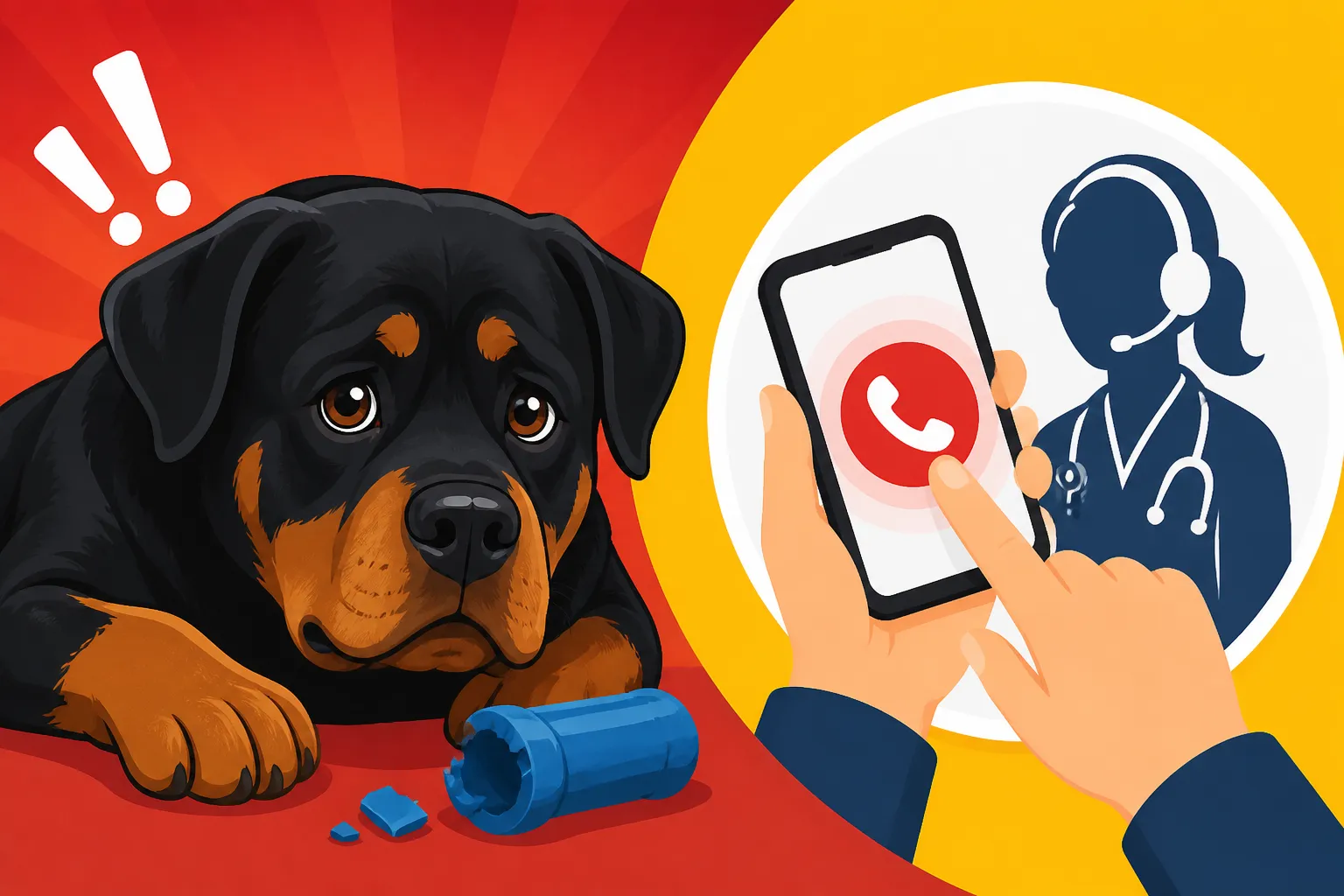
If you're right there, watching your Rottweiler gulp down something they shouldn't, your heart probably leaps into your throat. It's easy to freeze, but quick, calm action is your best bet. The very first call you make should be to your veterinarian. Do not delay, even for a second, to get professional advice.
Assessing the Immediate Danger: Choking Versus Ingestion
There's a big difference between an object getting lodged in your Rottweiler's throat and one that makes it down the esophagus into the stomach. Choking is an immediate, life-threatening emergency, demanding quick action to dislodge the item. If your Rottweiler is choking, they might be pawing at their mouth, struggling to breathe, making loud gasping noises, or even collapsing. In this scenario, you might need to attempt the Heimlich maneuver or a finger sweep if you can safely do so and see the object. This is a very real concern with their powerful jaws and sometimes haphazard eating habits.
However, if they've swallowed the item and it's gone down, the immediate danger of choking has passed, but a new, equally serious one begins: internal obstruction or toxicity. This is where most foreign body incidents land. The item might pass, it might get stuck in the stomach or intestines, or it might be something poisonous. The critical thing here is that you saw it happen. This crucial piece of information helps your vet immensely.
The All-Important Call to Your Veterinarian
As soon as you realize your Rottweiler has swallowed something, pick up the phone and call your vet or the nearest emergency veterinary clinic. Don't waste time looking up symptoms online or trying to decide if it's "bad enough." Even if it's after hours, an emergency vet clinic is equipped to handle these calls and guide you. When you call, be ready to provide as much detail as possible:
- What was swallowed? Be as specific as you can. Was it a sock, a toy, a piece of corn cob, a battery, a medication? Knowing the material, size, and potential toxicity is paramount. If it's a part of a larger item, how much is missing?
- When did it happen? The time elapsed is crucial for determining options like inducing vomiting.
- How is your Rottweiler acting right now? Are they normal? Are they coughing? Lethargic? Trying to vomit?
- Your Rottweiler's size and general health. This helps the vet assess risk and dosage if medication is needed.
This information helps the veterinary team triage the situation and prepare for your arrival, should they advise you to come in. They are the experts who can make the best judgment call, not a search engine.
Why You Should Never Induce Vomiting Without Vet Instruction
It’s tempting to think, "If I can just make him throw it up, everything will be fine!" But this is rarely the right first step and can actually make things much worse. Inducing vomiting at home, especially with large breeds like Rottweilers, carries significant risks.
For instance, if the object is sharp (like a piece of bone or a broken toy), inducing vomiting could cause it to tear the esophagus on the way back up, leading to severe internal damage. If the object is caustic (like certain cleaning products or batteries), bringing it back up can cause a second burn to the esophagus and mouth. And for objects like corn cobs or large stones, they might get stuck in the esophagus during vomiting, turning a potentially ingested problem into an immediate choking hazard. Additionally, some common home remedies for inducing vomiting are ineffective or downright dangerous for dogs. Your vet might decide to induce vomiting at the clinic using safe, controlled methods and appropriate medications, but this is a decision only they can make after a thorough assessment. The First Call When a Rottweiler Swallows Something is always to your vet, not your medicine cabinet.
When You Suspect But Didn't See It Happen
Often, we don't witness the actual swallowing. Instead, we walk into a room to find a shredded toy, a missing item, or worse, our Rottweiler starts showing signs that something isn't right. This is arguably more stressful because you're playing detective, trying to figure out what happened.
Subtle and Overt Signs of Internal Obstruction
Your Rottweiler might be a master of hiding discomfort, but eventually, signs of a foreign body will start to appear. These can range from very subtle to overtly distressing.
- Changes in Appetite and Energy Levels: One of the first things you might notice is a refusal to eat or drink, or only nibbling at food. They might seem unusually tired, listless, or just "off." A previously boisterous Rottweiler might not want to play or go for their usual walk.
- Vomiting: This is a classic sign. It could be intermittent or frequent, sometimes containing bile or undigested food. If the obstruction is high up in the small intestine, vomiting might be more frequent and severe. Projectile vomiting is a particular red flag, indicating a severe blockage. You might also notice your dog retching repeatedly without producing anything, which can also be a sign of a partial obstruction or even something like bloat, a separate but equally urgent emergency for Rottweilers. Recognizing Bloat in a Rottweiler is crucial as symptoms can sometimes overlap.
- Diarrhea or Constipation: Depending on where the object is lodged, you might see changes in bowel movements. A partial obstruction might lead to soft stool or diarrhea as some liquid can get around the object, while a complete obstruction often results in no stool production at all.
- Abdominal Pain or Discomfort: Your Rottweiler might guard their belly, whimper when touched, or adopt unusual postures (like a "praying" stance with front paws down and hindquarters up) to relieve pressure. They might also pace restlessly or be unable to get comfortable.
- Changes in Behavior: Beyond lethargy, they might become irritable, withdrawn, or even snappy if they're in pain. Always approach a Rottweiler with caution if you suspect they are in pain.
- Drooling or Regurgitation: If an object is stuck in the esophagus (before it even reaches the stomach), your Rottweiler might drool excessively or regurgitate food shortly after eating, often without the heaving associated with vomiting.
It’s critical to remember that Rottweilers are tough, and they can mask pain well. Even subtle changes in their normal routine warrant a call to the vet if you suspect ingestion.
The Hidden Dangers of Partial Obstructions
A complete obstruction is terrifying because it blocks everything. But a partial obstruction can sometimes be even more insidious. With a partial blockage, some food or fluid can still get past the offending item, meaning your Rottweiler might not show the most dramatic signs of distress immediately. They might eat a little, vomit occasionally, or seem only mildly uncomfortable. This can lull owners into a false sense of security, delaying veterinary intervention.
However, a partial obstruction can still cause significant damage over time, leading to inflammation, infection, or even necrosis (tissue death) of the intestinal wall. It can also, at any moment, become a complete obstruction. So, even if your Rottweiler seems "mostly" okay but you have a strong suspicion they swallowed something, a vet visit is paramount. The longer an object remains in the digestive tract, especially if it's causing an obstruction, the more severe the complications can become.
Gathering Information for the Vet Detective Work
When you head to the vet for a suspected ingestion, be prepared to answer many questions, even if you didn't see it happen.
- When did symptoms start?
- What exactly are the symptoms you're seeing? (e.g., "He vomited twice last night, clear liquid, no food," or "He hasn't touched his food since yesterday morning.")
- What items are missing from your home? Walk through the house, check trash cans, look for chewed-up items. Did you leave socks out? A child's toy? A hair tie? A chew that broke into pieces?
- Any recent changes in diet or routine? (Though usually not relevant for foreign bodies, it helps rule out other issues).
- Does your Rottweiler have a history of eating non-food items? This helps the vet understand their propensity for such incidents.
A helpful strategy is to take photos or videos of any vomit, unusual behaviors, or the scene where you suspect the item went missing. This concrete evidence can be incredibly valuable to your vet.
The Vet Visit: What to Expect and Potential Outcomes
Once you're at the vet, they'll launch into a series of diagnostic steps to determine what's going on inside your Rottweiler. This isn't just about finding the object; it's about assessing the damage and determining the best course of action.
Diagnostics: From Physical Exam to Imaging
The first step will always be a thorough physical examination. The vet will feel your Rottweiler's abdomen, check for pain, listen to their heart and lungs, and assess their overall hydration and demeanor. They'll also review the history you provided.
Next comes imaging, which is crucial for identifying foreign objects.
- X-rays (Radiographs): These are often the first line of defense. Some objects, like metal, bone, or dense plastic, show up clearly on X-rays. Others, like fabric, certain plastics, or wood, can be much harder to see. However, X-rays can still reveal indirect signs of an obstruction, such as gas patterns or fluid buildup in the intestines.
- Contrast X-rays: If a foreign object isn't visible on plain X-rays but suspicion is high, your vet might administer a contrast material (like barium). Your Rottweiler drinks the barium, and a series of X-rays are taken over several hours. The barium coats the digestive tract, highlighting any blockages or abnormalities.
- Ultrasound: This imaging technique uses sound waves to create real-time images of internal organs. It's excellent for seeing soft tissue obstructions that X-rays might miss and can also help assess the viability of the intestinal tissue around a blockage.
- Endoscopy: In some cases, if the object is in the esophagus or stomach, your vet might recommend an endoscopy. This involves inserting a thin tube with a camera and light down your Rottweiler's throat. It allows the vet to visualize the object directly and, if possible, retrieve it using special instruments passed through the endoscope. This is less invasive than surgery, but not all objects are suitable for endoscopic removal.
The diagnostic process can be intense and sometimes requires sedation for your big, powerful Rottweiler, especially for lengthy procedures like contrast studies.
Treatment Options: From Watchful Waiting to Emergency Surgery
Once the problem is identified (or strongly suspected), your vet will discuss treatment options.
- Watchful Waiting: For very small, smooth objects, or items that might pass naturally, your vet might recommend conservative management. This involves closely monitoring your Rottweiler at home for signs of passage or worsening symptoms. They might prescribe a bulk-forming agent to help cushion the object. This is typically only an option if the object is not sharp, toxic, or causing immediate distress.
- Induced Vomiting (Veterinary Supervised): If the object was just swallowed (usually within 1-2 hours) and is not sharp, caustic, or too large, the vet might administer medication to induce vomiting. This is done in a controlled environment where the vet can monitor your Rottweiler and intervene if there are complications.
- Endoscopic Retrieval: As mentioned, if the object is in the esophagus or stomach and is small enough and shaped appropriately, an endoscope might be used to grasp and remove it. This avoids abdominal surgery.
- Surgery: This is often the necessary path for objects that are causing a complete obstruction, are sharp, toxic, too large to pass, or cannot be removed endoscopically. Foreign body removal surgery is a major abdominal procedure. The vet will open the abdomen, locate the obstruction, make an incision into the stomach or intestine, remove the object, and then carefully suture the digestive tract. In severe cases where the intestine has been damaged beyond repair, a section of bowel might need to be removed. Rottweiler Bloat Surgery and the Odds of Survival is another major surgery, and while different, it gives a sense of the gravity and recovery involved for such a large dog.
The choice of treatment depends heavily on the object, its location, the duration of the problem, and your Rottweiler's overall health.
The Financial and Emotional Toll of an Emergency
Dealing with a foreign body ingestion is not only emotionally taxing but can also be financially demanding. Diagnostic tests, emergency visits, and especially surgery can lead to significant veterinary bills. It's important to be realistic about this. Emergency surgeries, particularly for large breeds, require extensive anesthesia, specialized surgical equipment, and often overnight hospitalization for monitoring and pain management. Financing a Rottweiler Surgery You Did Not Plan For is a topic many owners unfortunately have to consider.
Knowing what to expect regarding potential costs, even without specific numbers, can help you make informed decisions in a stressful situation. Many owners find themselves grappling with the emotional weight of their Rottweiler's pain and the stress of the financial implications. Remember, your vet is there to help guide you through these tough choices.
Preventing Future Swallowing Incidents
The best "cure" for a swallowed foreign object is preventing it in the first place. With a powerful breed like a Rottweiler, prevention isn't just a good idea; it's a necessity. Their strength, determination, and sometimes indiscriminate chewing can turn ordinary household items into serious hazards.
Rottweiler-Proofing Your Home and Yard
Think like a Rottweiler. What's within reach? What looks interesting to chew? What smells like something they might want to investigate further?
- Secure Trash Cans: Rottweilers are smart and strong. A regular kitchen trash can is no match for a determined Rottie. Invest in heavy-duty, locking trash cans or keep them in a secured pantry or garage. Food scraps, wrappers, and even small bones from your dinner are prime targets and can be very dangerous.
- Clear the Floor: Small items like socks, underwear, children's toys (especially small plastic ones), hair ties, jewelry, coins, and even bottle caps are commonly swallowed. Get into the habit of picking up everything from the floor that could become a chew toy.
- Store Medications and Chemicals Safely: Any human medications, pet medications, cleaning supplies, or automotive fluids must be kept in high, secured cabinets. A Rottweiler can chew through plastic containers surprisingly quickly.
- Check Plants: Many common house and garden plants are toxic to dogs. Know what you have and ensure your Rottweiler can't access them.
- Secure Food Storage: Keep food items, especially human snacks, on high shelves or in sturdy, sealed containers. A Rottweiler can easily counter surf or chew through thin packaging.
Regularly walk through your home and yard from a dog's perspective, especially if you have a new puppy or a particularly curious adult. What hazards are lurking?
Choosing Appropriate Chew Toys and Supervision
Rottweilers need to chew. It's a natural behavior and helps with dental health and mental stimulation. The key is providing safe, appropriate outlets.
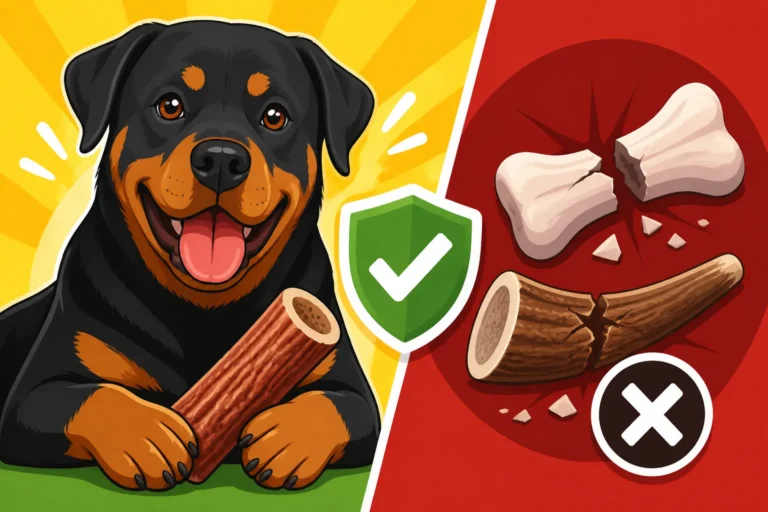
- Durable and Size-Appropriate: Forget those flimsy plush toys or small rubber chews. Your Rottweiler needs toys built for their powerful jaws. Look for brands known for extreme durability. Check out options on Chewy or Amazon for heavy-duty rubber, nylon, or natural antler chews that are sized specifically for giant breeds. The toy should be too large for them to swallow whole, and durable enough not to break into small, ingestible pieces. Rottweiler Chew Toys That Survive the Jaw are a wise investment.
- Regular Inspection: No toy is indestructible. Regularly inspect all of your Rottweiler's toys for damage. If a toy is cracked, shredded, or has pieces missing, it's time to discard it.
- Supervised Play: Even with the most durable toys, supervision is key. If your Rottweiler is a super chewer, it's always best to be present to ensure they aren't tearing off and ingesting pieces. When you're not there to supervise, put away toys that could become a hazard.
- Avoid Rawhides and Edible Chews with Caution: Some rawhides and edible chews can soften and become large, gelatinous blobs that are easily swallowed whole, leading to choking or obstructions. If you give edible chews, choose high-quality, digestible options and always supervise closely. Consider high-quality, human-grade treats from brands like Ollie as a safe alternative to risky edible chews.
Training for "Leave It" and Strong Recall
Training is a powerful tool in prevention. A solid "leave it" command can literally be a lifesaver.
- "Leave It": Teach your Rottweiler to immediately disengage from an object they're interested in, whether it's a dropped pill, a piece of trash on a walk, or something they found in the yard. Start training in a low-distraction environment and gradually increase the difficulty. Reward heavily for success.
- Strong Recall: A reliable "come" command is important for those moments when you see your Rottweiler investigating something dangerous from a distance. You need to be able to call them away from potential hazards quickly. Rottweiler Recall Training That Holds is an essential skill.
- Impulse Control Games: Games that teach impulse control, like waiting for a treat or toy, can translate to better behavior around forbidden items. Your Rottweiler needs to learn that waiting and listening to you brings better rewards than instantly grabbing something.
Diet and Feeding Practices to Reduce Risk
While not directly about foreign objects, good feeding practices can generally contribute to a healthier digestive system, and indirectly reduce some risks.
- Appropriate Food: Ensure your Rottweiler is on a high-quality, large-breed dog food. A balanced diet supports overall health, including gut health. Why a Rottweiler Puppy Needs Large Breed Formula highlights the importance of correct nutrition from a young age.
- No Scraps from the Table: Not only can many human foods be toxic or cause digestive upset, but they also teach your Rottweiler to look for food on the floor or tables, increasing the risk of ingesting something dangerous.
- Supervised Feeding: If you have multiple pets, feed them separately to prevent competition and gulping food too quickly.
- Slow Feeder Bowls: For Rottweilers who tend to inhale their food, a slow feeder bowl can help them eat at a more measured pace, potentially reducing the risk of swallowing air (which can contribute to bloat) or accidentally ingesting small foreign objects along with their meal.
Taking these proactive steps will not only make your home safer but also give you greater peace of mind knowing you've done everything you can to protect your big, beloved Rottweiler from accidental ingestion.
Disclaimer
This article is for general informational purposes only and does not constitute professional advice. Laws, prices and regulations vary by location and change over time. Consult a qualified professional for guidance on your specific situation.