Feeding a Rottweiler on Cancer Treatment
Watching your beloved Rottweiler battle cancer is heartbreaking, and one of the biggest challenges many owners face is simply getting them to eat enough to maintain strength and a decent quality of life. The treatments can wreak havoc on their appetite and digestive system, leaving you wondering how on earth to provide the nourishment they desperately need. This guide will walk you through the complex nutritional landscape of canine cancer treatment, offering practical, empathetic advice to help your Rottie eat well during this difficult time.
Understanding the Nutritional Challenges of Cancer in Rottweilers
When a Rottweiler is diagnosed with cancer, it's not just the tumor itself that poses a threat; the disease, and often its treatments, can fundamentally alter their body's nutritional needs and ability to process food. This creates a unique set of challenges that can leave even the most dedicated owner feeling overwhelmed. It's a cruel twist when the very thing meant to help them – food – becomes a struggle.
Why Appetite Changes Are So Common
It's absolutely gut-wrenching when your big, food-loving Rottie suddenly turns their nose up at their favorite meal. Appetite loss, or anorexia, is one of the most common and frustrating side effects of cancer and its therapies. The disease itself can release inflammatory chemicals that suppress hunger signals, making your dog feel constantly full or nauseated. Imagine feeling perpetually unwell, and then someone puts a plate of food in front of you – it's just not appealing.
Chemotherapy and radiation therapy, while vital for attacking cancer cells, often come with unpleasant side effects like nausea, vomiting, mouth sores, and a metallic taste in the mouth. These can make eating a truly miserable experience. Sometimes, the issue isn't a lack of hunger, but rather the anticipation of discomfort after eating, which can create an aversion to food. It's a vicious cycle where a lack of nutrition further weakens their body, making them even less inclined to eat.
The Impact of Cancer and Treatments on Metabolism
Cancer isn't just a localized problem; it's a systemic disease that can dramatically shift your Rottweiler's metabolism. Cancer cells are greedy, often redirecting nutrients away from healthy tissues for their own rapid growth. This phenomenon, known as cancer cachexia, can lead to significant muscle wasting and weight loss, even if your dog seems to be eating a reasonable amount. It's like having a silent thief stealing energy from within.
Treatments can further complicate this. Steroids, sometimes used in cancer protocols, might initially boost appetite, but prolonged use can lead to muscle breakdown. Other medications might affect nutrient absorption or increase the rate at which certain vitamins and minerals are used up. It's a delicate balancing act to ensure their body is getting all it needs to support healing and maintain essential functions, especially when fighting such a formidable foe.
Common Dietary Pitfalls to Avoid
In our desperation to get our Rotties to eat, it's easy to fall into traps that, while well-intentioned, can actually do more harm than good. One common pitfall is simply offering anything they'll eat, without considering the nutritional balance. While a temporary boost from table scraps might seem helpful, an unbalanced diet over time can lead to further nutritional deficiencies, hindering recovery and overall well-being. Think about giving them a lot of high-fat foods; this might cause digestive upset and pancreatitis, adding another problem to an already complex situation.
Another mistake is constantly changing their food. While variety can be good, too many sudden shifts can upset a sensitive stomach, especially one already compromised by illness or medication. It's also important to avoid relying on unproven supplements or "miracle cures" from online sources without consulting your veterinary oncologist. These can sometimes interfere with prescribed medications or treatments, or simply provide no benefit at all. Remember, your vet is your best resource for navigating What a Rottweiler Should Never Be Fed and understanding appropriate dietary choices.
Tailoring the Diet to Support Your Rottweiler's Fight
When your Rottweiler is undergoing cancer treatment, their diet becomes more critical than ever. It's no longer just about meeting basic needs; it's about providing targeted nutrition to support their immune system, maintain muscle mass, and help them cope with the rigors of therapy. This means being very intentional about what goes into their bowl.
Prioritizing Palatability and Calorie Density
The first hurdle is often getting them to eat at all. This means focusing on foods that are highly palatable – things that smell good and taste delicious to your dog, even when their senses are dulled by illness. High-quality wet foods, often richer in scent and moisture, can be more appealing than dry kibble. Warming food slightly can also enhance its aroma and make it more enticing. You might even find your Rottie, who usually eats Feeding a Hundred Twenty Pound Rottweiler for a Month of dry kibble, prefers something completely different.
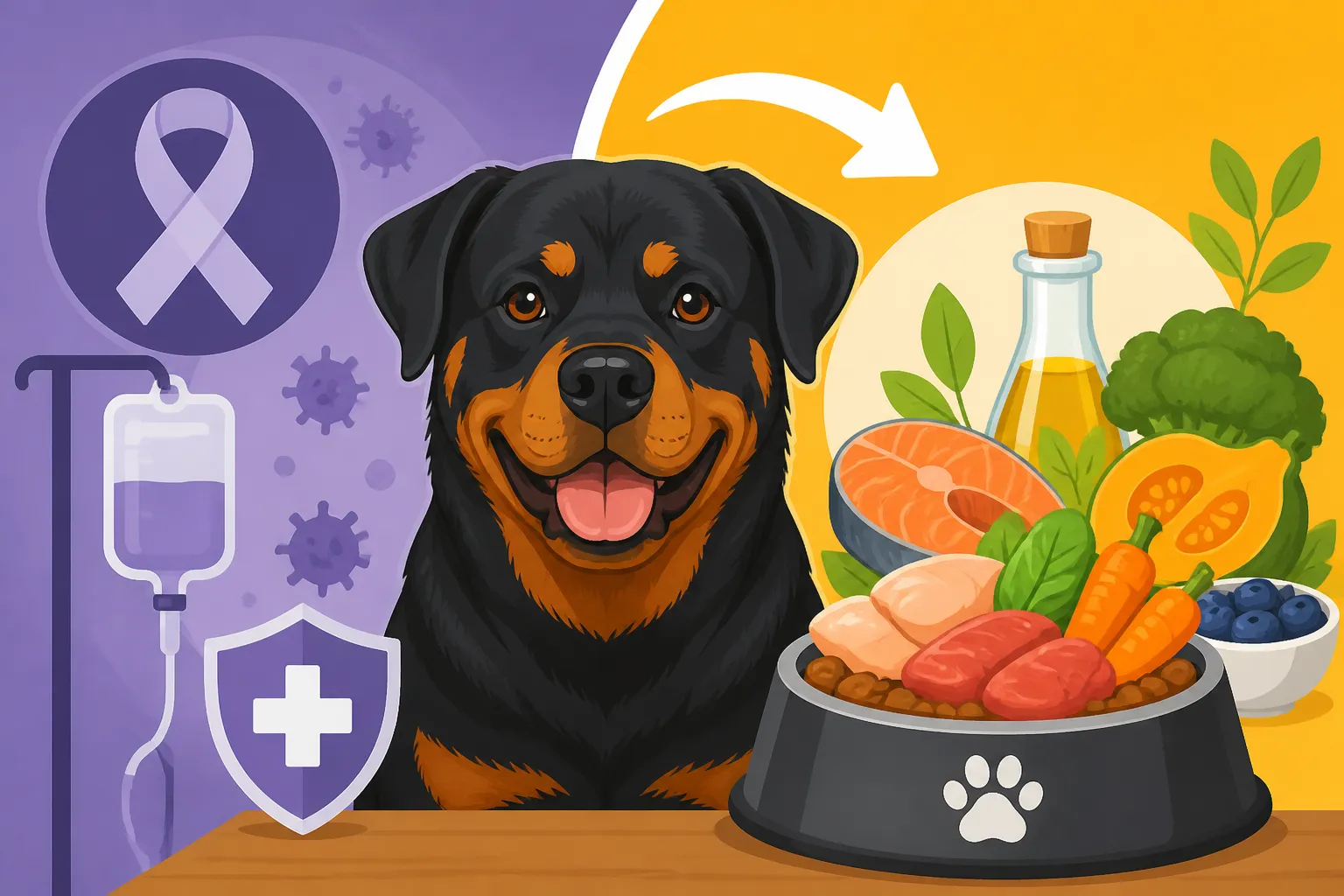
Alongside palatability, calorie density is key. Many cancer dogs lose weight rapidly, so every bite needs to count. Foods that pack a lot of calories into a smaller volume are ideal. This could mean adding healthy fats like fish oil or small amounts of cooked, lean meats to their regular diet, always in consultation with your vet. Sometimes, even baby food (plain meat varieties, without onion or garlic powder) can be a temporary solution to get some calories in. Consider exploring options from brands like Ollie, which offers fresh, human-grade meals that are often more appealing to dogs with suppressed appetites due to their texture and aroma.
Protein Needs for Muscle Maintenance
Maintaining muscle mass is crucial for Rottweilers battling cancer. Cancer cachexia, as we discussed, often involves the breakdown of muscle tissue. To counteract this, your dog needs a diet rich in high-quality protein. This isn't just any protein; it needs to be easily digestible and biologically available to their body. Lean meats like chicken, turkey, and beef (cooked and unseasoned, of course) are excellent sources.
Your vet might recommend a diet with a protein content higher than what's found in typical adult maintenance formulas, sometimes aiming for the higher end of the Protein Between Twenty-Two and Twenty-Six Percent range, or even above. The goal is to provide the building blocks necessary for tissue repair and to support immune function, without overtaxing their kidneys, which is a consideration your vet will monitor. For a dog that's losing muscle, a protein-rich diet is literally helping them fight from the inside out.
The Role of Fats and Carbohydrates
Fats are an incredibly important calorie source for dogs with cancer because they are highly energy-dense. Unlike cancer cells, which often prefer carbohydrates, many healthy cells can efficiently use fat for energy. Healthy fats, such as those found in fish oil (rich in Omega-3 fatty acids), can also have anti-inflammatory properties, which can be beneficial. However, too much fat can cause digestive upset, especially in dogs already prone to pancreatitis, so balance is essential.
Carbohydrates provide quick energy and fiber. Complex carbohydrates like sweet potatoes, pumpkin, and brown rice can be good sources, offering sustained energy without causing rapid blood sugar spikes. However, some veterinary oncologists suggest a moderate approach to carbohydrates, focusing more on protein and fats, to potentially starve the cancer cells of their preferred fuel. This is a nuanced area, and the best balance for your Rottie will depend on the specific type of cancer, their overall health, and their individual metabolic response.
Practical Strategies for Encouraging Eating and Managing Side Effects
Getting your Rottweiler to eat during cancer treatment often requires more than just changing their food; it demands creativity, patience, and a keen eye for their comfort. It's about making mealtime as stress-free and appealing as possible, while also addressing the uncomfortable side effects that can deter them.
Making Mealtime Appealing
If your Rottie is turning away from their food, try to make the entire experience more inviting. Instead of putting a huge bowl down, offer small, frequent meals throughout the day. A few bites every couple of hours can often be more manageable than one large, overwhelming portion. You might find that feeding them in a quiet, undisturbed area helps, rather than the bustling family kitchen.
Consider hand-feeding or sitting with them while they eat; sometimes, just your presence and gentle encouragement can make a difference. Experiment with different textures and temperatures – some dogs prefer warm, mushy food, while others might tolerate a slightly cooler, firmer texture. Adding palatable toppers, like a sprinkle of nutritional yeast, low-sodium broth, or a small dollop of plain yogurt, can sometimes pique their interest. Chewy offers a wide variety of meal toppers and high-quality wet foods that can be helpful for this very purpose.
| Strategy | Benefit | Example |
|---|---|---|
| Small, Frequent Meals | Less overwhelming, easier to digest | Offer 1/2 cup every 2-3 hours instead of 2 cups twice a day |
| Warm Food | Enhances aroma, increases palatability | Microwave wet food for 10-15 seconds (check temp!) |
| Quiet Feeding Area | Reduces stress and distractions | Feed in a spare room or a calm corner |
| Hand-Feeding | Personal connection, gentle encouragement | Offer small pieces from your hand |
| Palatable Toppers | Boosts appeal, adds flavor and nutrients | Low-sodium chicken broth, nutritional yeast, plain pumpkin |
| Elevated Bowls | Can aid comfort, especially with joint pain | Reduces neck strain for a large dog. (Note: current advice suggests this might increase bloat risk for some dogs, so discuss with your vet.) |
Addressing Nausea and Vomiting
Nausea and vomiting are incredibly common and debilitating side effects of cancer treatment. If your Rottweiler is struggling with these, it's paramount to work with your vet to manage them proactively. There are excellent anti-nausea medications available that can make a huge difference, often allowing them to keep food down and feel more comfortable. Don't wait until they're severely ill; discuss these options with your vet at the first sign of trouble.
Once nausea is controlled, introducing bland, easily digestible foods might be necessary. Boiled chicken or turkey (skinless, boneless), plain white rice, or cooked sweet potato are often well-tolerated. Gradually transition back to their prescribed diet as their stomach settles. Sometimes, providing access to fresh water at all times can help prevent dehydration, but if they're vomiting frequently, your vet might recommend specific hydration solutions.
Hydration and Supplementation Considerations
Just as important as food, adequate hydration is critical for a Rottweiler undergoing cancer treatment. Illness can lead to dehydration quickly, especially if they're experiencing vomiting or diarrhea. Make sure fresh, clean water is always available. You can also add water to their wet food or offer low-sodium broths or ice chips if they're reluctant to drink. Sometimes, flavored water (a tiny bit of juice or broth mixed in) might encourage them to drink more.
Regarding supplements, it's a tricky area. While certain supplements like Omega-3 fatty acids (fish oil) can be beneficial for their anti-inflammatory properties, others can interfere with chemotherapy or have unknown effects on cancer cells. Never start any supplement, even seemingly benign ones, without first discussing it with your veterinary oncologist. They can advise on what's safe and potentially helpful for your specific Rottweiler and their particular cancer. You might find a good selection of vet-approved supplements on sites like Amazon or Chewy, but always get that professional green light first.
Working with Your Veterinary Team for Optimal Nutrition
Navigating the complexities of feeding a Rottweiler with cancer is not a journey you should take alone. Your veterinary team, particularly a veterinary oncologist if your dog is seeing one, is your most valuable resource. They have the expertise to help you create a nutritional plan that supports both the cancer treatment and your dog's overall well-being.
The Importance of a Custom Nutritional Plan
Every Rottweiler is unique, and every cancer is different. What works for one dog might not work for another. This is why a custom nutritional plan, developed in close consultation with your vet or a veterinary nutritionist, is absolutely essential. They will consider the type of cancer, the stage of the disease, the specific treatments your dog is receiving, and any other health conditions (like Rottweiler Heart Disease and Subaortic Stenosis or Rottweiler Hip Dysplasia and the OFA Grade) that might influence dietary choices.
This plan isn't static; it will likely evolve as your Rottie progresses through treatment. What they can tolerate during an intensive chemotherapy cycle might be different from what they need during a period of remission or palliative care. Your vet can recommend specific therapeutic diets, discuss protein and fat ratios, and guide you on when and how to introduce new foods or supplements safely. Don't underestimate the power of tailored nutritional support in their fight.
Knowing When to Seek Specialist Advice
While your general veterinarian is a fantastic partner, there are times when consulting a board-certified veterinary nutritionist, especially one with experience in oncology, can be incredibly beneficial. These specialists have advanced training in the intricate science of animal nutrition and can formulate highly specific diets for complex medical cases like cancer. They can help you understand nuances like the ideal balance of Omega-3 to Omega-6 fatty acids, or how specific antioxidants might interact with treatments.
Your veterinary oncologist is also a specialist whose advice should always be prioritized. They understand the specific metabolic demands placed on a body fighting cancer and can guide you on dietary adjustments that complement the medical treatments. Knowing when to reach out for more specialized input can make a significant difference in your Rottweiler's comfort and response to therapy. If your dog has profound appetite loss, significant weight loss, or persistent digestive issues, it's definitely time to ask for a referral.
Monitoring Progress and Adapting the Diet
Feeding a Rottweiler on cancer treatment is an ongoing process of observation and adjustment. You'll need to closely monitor your dog's appetite, energy levels, weight, and any digestive upset. Keep a journal of what they eat, how much, and any symptoms they experience. This detailed information will be invaluable for your veterinary team in assessing the effectiveness of the current diet and making necessary changes.
Regular weigh-ins are crucial to track weight stability or loss, which can be a key indicator of how well their body is coping. Your vet may also recommend periodic blood work to check for nutritional deficiencies or organ function. Based on these observations and diagnostic results, the nutritional plan can be adapted. It might mean trying a new food, adjusting medication timings, or even considering different meal preparation methods. Remember, this journey is a marathon, not a sprint, and flexibility in their diet plan is vital to support them every step of the way, especially as you consider Palliative Care for a Rottweiler With Cancer if their condition advances.
Disclaimer
This article is for general informational purposes only and does not constitute professional advice. Laws, prices and regulations vary by location and change over time. Consult a qualified professional for guidance on your specific situation.