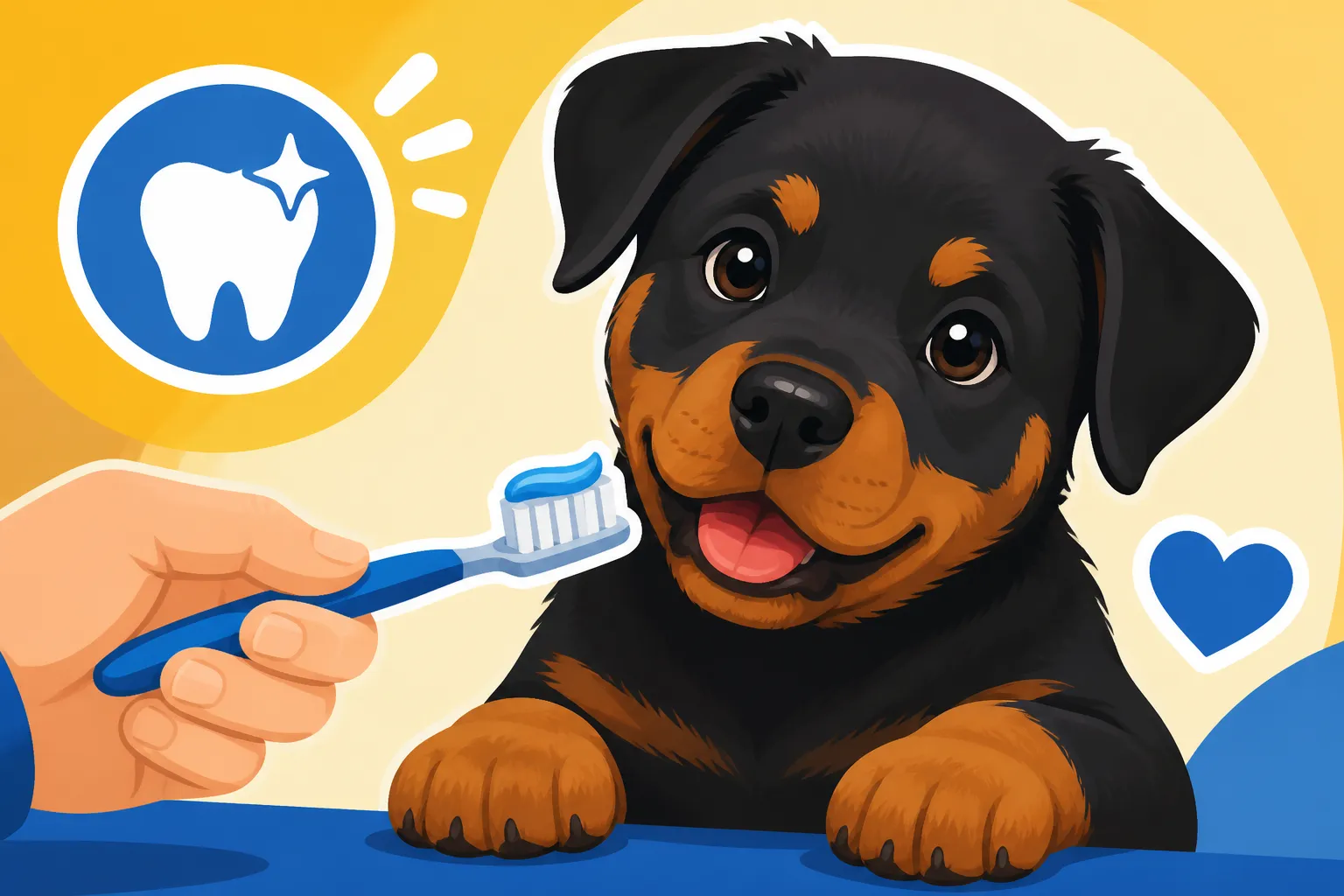
Getting a Rottweiler Used to a Toothbrush Early
Getting your Rottweiler used to having their teeth brushed might feel like an impossible feat, especially when they grow into such formidable, strong-willed adults. Many of us put off dental care until our dogs are older, only to face resistance and expensive vet visits for cleanings under anesthesia. This comprehensive guide will walk you through a gentle, positive, step-by-step approach to introduce your Rottweiler puppy to a toothbrush early, setting them up for a lifetime of better oral health and saving you a lot of heartache (and money) down the road.
Why Early Dental Care is Crucial for Your Rottweiler
It's easy to overlook dental care when you have a bouncy, healthy Rottweiler puppy, but establishing good habits early is one of the best investments you can make in their long-term health. The truth is, dental disease isn't just about bad breath; it's a silent threat that can significantly impact your Rottweiler's entire body.
The Silent Threat of Dental Disease
Periodontal disease, or dental disease, is one of the most common health problems in dogs, affecting most by the time they are three years old. It starts with plaque, a sticky film of bacteria, food particles, and saliva, building up on the teeth. If not removed, plaque hardens into tartar, which is much more difficult to remove and provides a rough surface for even more plaque to adhere to. This buildup irritates the gums, leading to gingivitis (inflamed gums) and eventually periodontitis, where the infection spreads below the gum line.
For a large, robust breed like the Rottweiler, the consequences of untreated dental disease can be particularly severe. The bacteria from infected gums can enter the bloodstream and travel to major organs, causing serious issues like heart disease, kidney problems, and liver damage. Imagine the strain on a powerful Rottweiler's heart if it's constantly battling systemic inflammation originating from their mouth. Beyond internal organs, chronic pain from advanced dental disease can also impact their behavior and overall quality of life. They might become withdrawn, less enthusiastic about playing or eating, and you might mistakenly attribute these changes to aging rather than the agony in their mouth. Many owners don't realize how much their dog is suffering because dogs are masters at hiding pain.
Preventing Future Pain and Expense
The financial burden of neglecting your Rottweiler's dental health can be substantial. When plaque and tartar build up beyond what home brushing can handle, professional veterinary dental cleanings become necessary. These procedures require general anesthesia, which carries its own set of risks, especially for a large breed like a Rottweiler. Costs for a professional cleaning, often including bloodwork, X-rays, and the anesthesia itself, can add up quickly. If extractions are needed for teeth that are too far gone, the bill can skyrocket. Imagine paying for several extractions every few years, all of which could have been mitigated with consistent home care.
More importantly than the expense is preventing your dog from experiencing unnecessary pain. Dogs with advanced dental disease often suffer from chronic pain, making eating difficult and even causing behavioral changes. They might shy away from being touched around the mouth, or drop food because it hurts to chew. Prevention, through regular brushing, is truly the best medicine here. It dramatically reduces the frequency and intensity of professional cleanings your Rottweiler will need throughout their life, ensuring their mouth remains comfortable and healthy. You're giving them the gift of a pain-free bite, which is invaluable for a breed that loves to chew and explore the world with their mouth. For more on the specifics of the health challenges, you might want to read about Rottweiler Dental Disease and Cracked Teeth.
Building a Foundation for Lifelong Health
Starting dental care early, ideally when your Rottweiler is a puppy, does more than just clean their teeth. It establishes a routine that they accept, and even enjoy, as they grow. Puppies are much more adaptable and open to new experiences than adult dogs. If you can make brushing a positive, consistent part of their puppyhood, they will be much less likely to resist as adults.
Think of it as training. Just like you teach them Rottweiler Puppy Training Through the First Year or how to walk politely on a leash, you're teaching them that mouth handling is a normal, even pleasant, part of their day. This positive association is crucial. A Rottweiler can reach well over 100 pounds, and trying to force dental care on an uncooperative adult of that size is not only difficult but potentially dangerous for both of you. By the time their Rottweiler Growth Plates Closing at Eighteen to Twenty-Four Months and they've matured, brushing should be second nature. Early introduction also means you get to examine their mouth regularly, allowing you to spot potential issues like Bad Breath in a Rottweiler With a Cracked Molar or other problems early, before they become emergencies. This proactive approach saves stress, pain, and money in the long run.
The Step-by-Step Approach to Toothbrush Introduction
Introducing a toothbrush to your Rottweiler puppy should be a gradual, positive process, building trust and comfort over time. Patience is your most powerful tool here. Remember, you're aiming for a pleasant experience, not a wrestling match.
Starting With Touch and Trust
Before you even think about a toothbrush, focus on getting your Rottweiler puppy comfortable with having their mouth handled. Start slowly, during a quiet time when they are relaxed, perhaps while cuddling on the couch. Gently stroke their muzzle, gradually moving your fingers towards their lips. Lift their lips slightly to expose their gums and teeth, praising them calmly and giving a small, high-value treat (like a tiny piece of cheese or cooked chicken) after each successful touch. Keep these sessions very short—just a few seconds—and always end on a positive note.
The goal here is to create a positive association with mouth handling. You want them to think, "Oh, when mom/dad touches my mouth, good things happen!" As they become more accepting, you can gradually increase the duration and the level of intrusion. Move your fingers inside their mouth, gently touching their gums and the outer surfaces of their teeth. Always be gentle and never force it. If they show any signs of discomfort or resistance, back off and try again later with a less intrusive touch. Consistency is key, even if it’s just for 15-30 seconds a day. This foundational trust will make all subsequent steps much easier.
Introducing Flavored Toothpaste as a Treat
Once your Rottweiler is comfortable with you touching their gums and teeth, the next step is to introduce dog-specific enzymatic toothpaste. Crucially, never use human toothpaste, as it contains fluoride and xylitol, which are toxic to dogs. Pet toothpastes come in appealing flavors like poultry, beef, peanut butter, or even mint, which can make the experience more palatable for your pup.
Start by letting your Rottweiler lick a tiny dab of toothpaste directly off your finger. For many dogs, the taste itself is a huge motivator. Praise them enthusiastically when they do, and you can even offer another small treat as a reward. Repeat this for a few days, letting them get excited about the flavor. The idea is for them to associate the taste of the toothpaste with a positive reward, making them more eager for the next step. You can easily find these specialized toothpastes on sites like Chewy or Amazon, which offer a wide variety of flavors. This stage is less about cleaning and more about making the entire concept of "toothpaste" a delicious proposition.
Graduating to Finger Brushes and Soft Brushes
With your Rottweiler now associating mouth handling with good feelings and toothpaste with tasty treats, you're ready to introduce the actual brushing tool. Many owners find finger brushes, which fit over your fingertip, to be a great starting point. They allow you to maintain direct contact and control, which can be reassuring for both you and your puppy. Apply a small amount of the flavored toothpaste to the finger brush and gently rub it over the outer surfaces of their teeth and gums. Focus on the canine teeth and the large molars at the back, as these tend to accumulate the most plaque.
As your puppy tolerates the finger brush, you can gradually transition to a soft-bristled pet toothbrush, or even a child's toothbrush (ensure it's extra soft). The key is the softness of the bristles and a head size appropriate for their mouth. For a growing Rottweiler, you'll need something more substantial than a tiny cat toothbrush. Again, apply toothpaste and brush gently in small circular motions. Aim for short sessions, perhaps 30-60 seconds initially, focusing on the outside surfaces of the teeth, as this is where most plaque builds up. You don't need to scrub hard; gentle brushing is sufficient to disrupt plaque. Always follow up with praise and a reward. Remember, if your Rottweiler puppy is still in the "mouthy" stage, reading Teaching a Rottweiler Puppy That Teeth Hurt might give you some insights on how to manage their nipping during this process.
| Toothbrush Type | Description | Pros | Cons |
|---|---|---|---|
| Finger Brush | Small, flexible brush that slips over your index finger. | Allows direct control and tactile feedback; good for puppies and dogs new to brushing. | Limited reach for back teeth; can be chewed on easily by strong chewers. |
| Pet Toothbrush | Designed specifically for dogs, often with angled heads and soft bristles. | Appropriate size and shape for a dog's mouth; better reach than finger brushes. | Some larger Rottweilers might need an extra-large version; can still be intimidating initially. |
| Double-Headed Toothbrush | Features two brush heads angled to clean both sides of the tooth at once. | Efficient for cleaning large teeth; speeds up the brushing process. | Can be bulky for smaller mouths or if your dog is not fully cooperative. |
| Child's Toothbrush | Soft-bristled, small-headed toothbrushes designed for human children. | Readily available; soft bristles are gentle on gums. | May not have the ideal angle for a dog's teeth; might be too small for an adult Rottweiler. |
Making it a Routine: Consistency is Key
Establishing a routine is absolutely critical for long-term success. Just like a dog expects their meal at a certain time, they will come to expect their brushing session. Pick a time of day that works best for you and your Rottweiler—perhaps after their last walk, or during a quiet evening snuggle session. Consistency helps them mentally prepare and makes the process feel less like a surprise and more like a normal part of their day.
Even if you can only manage a minute or two each day, that regular engagement is far more beneficial than sporadic, longer sessions. If you miss a day, don't fret; just pick it up again the next day. The key is to keep it positive and short. Always end the session with praise, a favorite toy, or that special treat they love. This reinforces the idea that brushing is a good thing and something to look forward to. As your Rottweiler grows, you'll find that their tolerance for brushing increases, making the task quicker and easier for both of you.
Choosing the Right Tools for Your Rottweiler's Dental Health
Having the right tools makes a world of difference when it comes to effective and enjoyable dental care for your Rottweiler. Just like with any other aspect of their care, generic solutions often fall short for a breed of their size and strength.
Selecting the Best Toothbrush
The market offers a surprising variety of pet toothbrushes, and finding the right one for your Rottweiler might involve a little trial and error. For puppies, as mentioned, finger brushes are an excellent starting point due to the control they offer. They help your puppy get accustomed to the sensation of something rubbing against their teeth and gums without the bulk of a full brush. As your Rottweiler grows, you'll want to graduate to a proper pet toothbrush. Look for brushes specifically designed for large breeds. These typically have larger heads and longer handles to reach those back molars more easily. The bristles should always be soft to avoid irritating their gums.
Some owners even find success with child-sized toothbrushes, as their smaller heads and softer bristles can be gentle. However, ensure the handle is still comfortable for you to grip. There are also double-headed brushes that can clean both sides of the tooth at once, making the process faster for cooperative dogs. The most important factor is what works for you and your dog. You might try a few different types to see which one your Rottweiler tolerates best and which gives you the most control. Websites like Chewy and Amazon offer a vast selection, so you can easily compare options and read reviews from other large dog owners.
Dog-Specific Toothpaste is Non-Negotiable
This point cannot be stressed enough: you must use toothpaste formulated specifically for dogs. Human toothpaste is incredibly dangerous for dogs because it often contains fluoride, which is toxic if ingested, and sometimes xylitol, an artificial sweetener that is highly poisonous and can cause a rapid drop in blood sugar and liver failure. Dogs don't rinse and spit; they swallow the toothpaste, making these ingredients a serious hazard.
Dog toothpastes are designed to be safe to swallow and often contain enzymatic ingredients that help break down plaque even after the brushing action. They come in flavors that dogs love, making the experience more appealing. Poultry, beef, or peanut butter flavors can turn brushing into a tasty treat rather than a chore. These enzymatic toothpastes work by breaking down bacteria in the mouth, providing an added layer of protection against plaque and tartar buildup. Invest in a good quality, dog-specific toothpaste, as it's a vital component of your Rottweiler's dental hygiene regimen.
Other Dental Aids and Chews
While daily brushing with a proper toothbrush and toothpaste is the gold standard, other dental aids can supplement your routine and offer additional benefits. Dental chews can help mechanically scrape plaque from teeth as your dog chews, and many contain ingredients that help freshen breath or reduce bacteria. However, not all dental chews are created equal. Be cautious about giving your Rottweiler anything too hard that could cause damage. For a powerful chewer like a Rottweiler, you'll want to explore options like those discussed in Chews That Do Not Crack a Rottweiler Molar to prevent cracked teeth.
Water additives are another option. These are typically tasteless solutions you add to your dog's drinking water, which release enzymes or antibacterial agents into their mouth every time they drink. While they won't replace brushing, they can offer a continuous low-level attack on oral bacteria. Finally, appropriate chew toys, especially those with textured surfaces, can provide some mechanical cleaning and satisfy your Rottweiler's natural urge to chew. Just ensure they are durable and safe for their size and jaw strength, and always supervise playtime with new chew toys. Remember, these are supplementary; they don't negate the need for regular brushing.
Maintaining a Consistent Dental Routine
Once you've established the initial steps, the real challenge becomes maintaining that consistency over the lifespan of your Rottweiler. Dental care isn't a one-time fix; it's an ongoing commitment to their health.
Scheduling and Consistency
Integrating teeth brushing into your daily life can feel like another chore, but for your Rottweiler's sake, it's a vital one. The best way to ensure consistency is to treat it like any other non-negotiable part of their routine, such as meal times or potty breaks. Choose a specific time of day that usually works for you and stick to it. Perhaps it's right after their evening meal, or during your nightly wind-down time. This predictable schedule helps your Rottweiler anticipate the session and makes them more cooperative.
You might find it helpful to set a reminder on your phone or integrate it into an existing daily activity. For instance, if you always give them a puzzle feeder or a special treat at a certain time, do the brushing just before it. The anticipation of the reward will make them much more amenable. Even just a minute or two of focused brushing daily makes a significant impact over time. Think of it as a small daily investment that pays huge dividends in their overall well-being and longevity. This dedication will save you headaches as they age, especially as issues like Rottweiler Tartar Between Cleanings become more prevalent.
Dealing With Resistance and Setbacks
Let's be real: not every session will be perfect. There will be days when your Rottweiler isn't in the mood, or when they suddenly become resistant even after weeks of cooperation. Don't get discouraged! This is normal. If your dog is showing significant resistance, don't force it. Forcing them can undo all the positive association you've built. Instead, shorten the session, go back a step or two (maybe just finger brushing or just letting them lick the toothpaste), and try again later or the next day.
Patience is paramount. Sometimes, a change in routine or even an underlying discomfort might be making them less cooperative. Rule out any pain or oral injury by checking their mouth for anything unusual. If resistance persists, or if you notice any bleeding, excessive drooling, or changes in eating habits, a vet visit is in order. A professional trainer or a veterinary behaviorist might also offer valuable insights and techniques for a particularly challenging dog. Remember, the goal is positive reinforcement. Never punish your Rottweiler for resisting; simply make the experience less demanding and more rewarding.
When Professional Cleanings are Still Needed
Even with the most diligent home brushing routine, most Rottweilers will still need professional dental cleanings at the vet occasionally. Home brushing is fantastic for removing plaque, but it's less effective at removing hardened tartar, especially below the gum line. Your vet has specialized tools and can perform a thorough examination, including dental X-rays, which reveal problems hidden beneath the gums, such as abscesses or bone loss.
Consider home brushing as essential preventive maintenance, like changing the oil in your car. Professional cleanings are the comprehensive tune-ups. Your vet can advise you on how often your individual Rottweiler might need a professional cleaning, usually based on their age, breed predisposition, and the effectiveness of your home care. As your Rottweiler enters their senior years, the need for regular dental check-ups and potential cleanings becomes even more important. Senior Rottweiler Care After the Age of Seven emphasizes comprehensive care, and dental health is a significant part of that picture. Consistent home care will extend the intervals between these professional cleanings and make them less invasive, but they remain a crucial part of a complete dental health plan for your magnificent Rottweiler.
Disclaimer
This article is for general informational purposes only and does not constitute professional advice. Laws, prices and regulations vary by location and change over time. Consult a qualified professional for guidance on your specific situation.