Undercoat Rakes for a Short Rottweiler Coat
Oh, the joy of a Rottweiler's short, sleek coat! It looks so low-maintenance, doesn't it? Then you bring one home, and suddenly your house is coated in a fine layer of black and rust hair, especially during shedding season. Many new Rottie parents are truly surprised by just how much these seemingly short-haired dogs can shed. This guide is here to unravel that mystery and show you how a simple undercoat rake can become your secret weapon in managing the glorious, but sometimes overwhelming, Rottweiler shed.
The Myth of the "Short-Haired, No-Shed" Rottweiler
It’s a common misconception that because a Rottweiler's coat is short, they don’t shed much. I've heard it countless times from new owners, usually followed by a slightly frantic description of the tumbleweeds of fur rolling across their floors. The truth is, Rottweilers are far from low-shedding, and understanding their unique coat structure is the first step toward managing it.
Understanding the Rottweiler Double Coat
Unlike single-coated breeds, your Rottweiler boasts a magnificent double coat. This means they have two distinct layers of fur, each with its own purpose. The outer coat, often called the guard coat, is comprised of straight, coarse hairs that are medium-short in length. These hairs are quite tough and provide protection from the elements, like rain, dirt, and minor scrapes. They also contribute to that distinctive black and rust coloring we all adore.
Beneath this protective outer layer lies the unsung hero of the Rottweiler coat: the undercoat. This layer consists of soft, dense, downy fur that's much finer than the guard hairs. Its primary job is insulation, keeping your Rottie warm in colder temperatures and, perhaps surprisingly, helping to regulate body temperature in warmer weather too. It’s this dense undercoat that creates the bulk of the shedding you experience. While it’s short, there's just so much of it, and it cycles through regularly, often more intensely during seasonal changes.
Why Regular Brushing is Essential Even with a Short Coat
Because of this double-layered design, dead hair from the undercoat doesn't just fall out neatly. It often gets trapped within the denser outer coat, forming mats close to the skin, especially if not regularly removed. This accumulation can lead to a host of problems. Imagine wearing a heavy, shedding sweater that you can't take off – that’s a bit what it feels like for your Rottie. The trapped dead hair prevents proper air circulation to the skin, which can lead to skin irritations, hot spots, and a dull, unhealthy-looking coat.
Beyond health concerns, there's the sheer volume of hair to contend with. If you don't actively remove the loose undercoat, it will find its way onto your furniture, clothes, and pretty much every surface in your home. Regular brushing, even for a short-coated breed like a Rottweiler, isn't just about aesthetics; it’s a crucial part of their overall hygiene and comfort. It's especially important during those heavy shedding periods, usually twice a year, where you might feel like you're brushing enough fur to knit another dog! Don't be surprised when you discover how much hair your Rottie can lose, despite their seemingly manageable coat; it’s all part of Rottweiler Undercoat Shedding Twice a Year.
How Undercoat Rakes Work for a Rottweiler
Given the unique challenges of a Rottweiler’s double coat, you might find that your everyday pin brush or slicker brush just isn't cutting it. That's where the mighty undercoat rake steps in, designed specifically to tackle that dense, often stubborn, underlayer.
What is an Undercoat Rake and How Does It Differ?
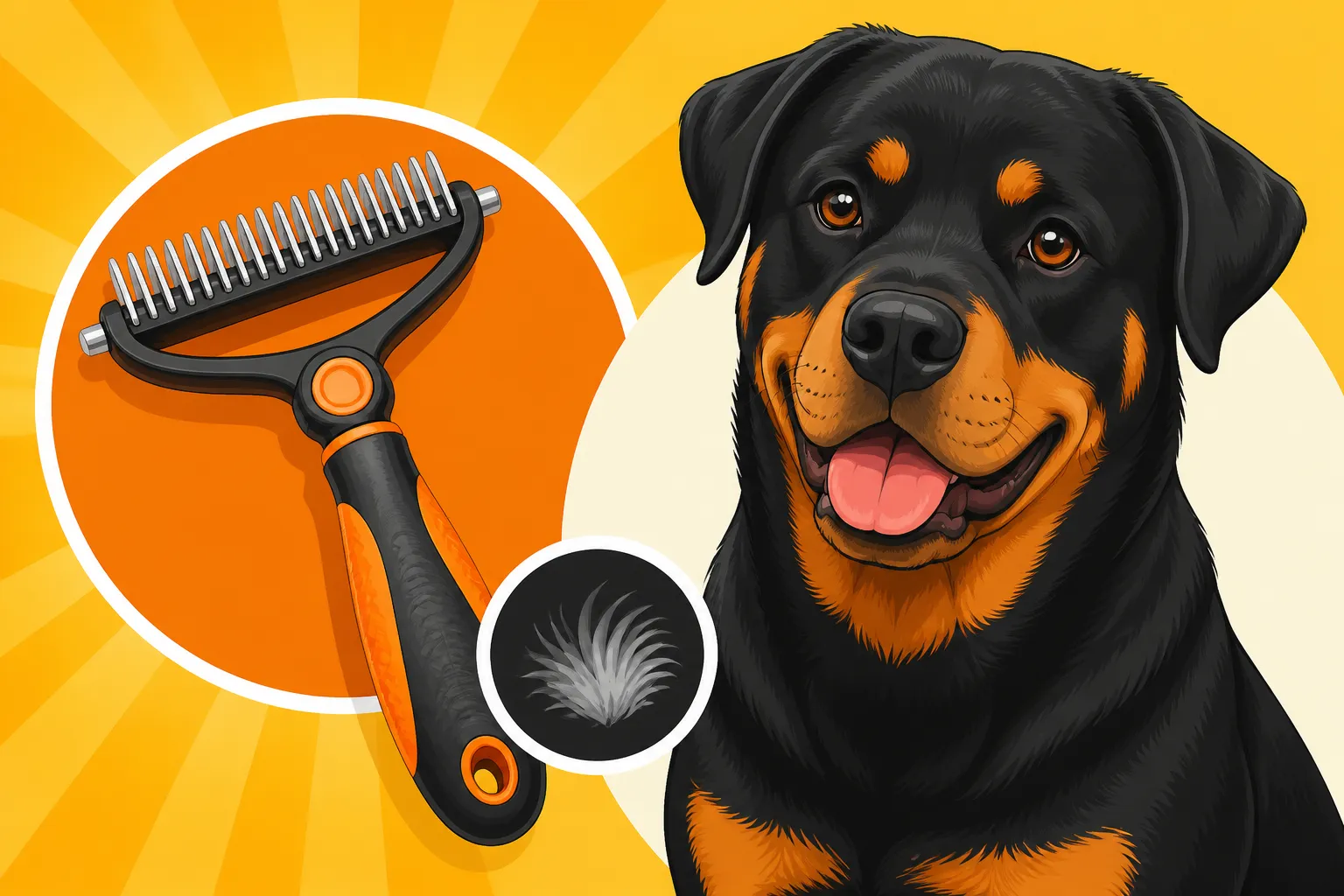
An undercoat rake isn't your average dog brush. Instead of bristles or fine pins, it features a single or double row of sturdy, widely spaced teeth, often with rounded ends to protect your dog’s skin. The design allows these teeth to penetrate through the coarser outer guard hairs without damaging them, reaching deep into the undercoat where the loose, dead fur is trapped. Regular brushes tend to glide over the top of the coat, only grabbing surface-level shedding or creating static. A good undercoat rake, however, is engineered to gently "rake" out the dead undercoat, lifting it away from the skin and preventing it from shedding all over your house.
Think of it this way: a slicker brush is great for general tidying and smoothing the topcoat, while an undercoat rake is a specialized tool for deep-cleaning the hidden layer. Brands like FURminator are well-known for their deshedding tools, which are essentially specialized undercoat rakes designed to remove significant amounts of loose hair. While there are many types, the core function remains the same: to efficiently and safely remove the dead, fluffy undercoat that contributes most to shedding.
Choosing the Right Rake for a Rottweiler's Coat
Selecting the perfect undercoat rake for your Rottweiler means considering a few key features. The goal is effectiveness without causing discomfort. Look for a rake with firm but not overly sharp teeth. The spacing of the teeth is also important; wider-spaced teeth are usually better for starting if your dog has a very dense undercoat or if you're dealing with a lot of shedding, as they can pull through more easily without snagging. Finer-toothed rakes can then be used for a more thorough finish. Many rakes come in different sizes, so ensure you choose one appropriate for a large breed like a Rottweiler, giving you enough surface area to work efficiently.
Handle comfort is surprisingly important. You’ll be doing a lot of raking, especially during peak shedding times, so an ergonomic, non-slip handle will save your hand and wrist from fatigue. You might find a good selection of options on online retailers like Chewy or Amazon, where you can read reviews from other large dog owners to gauge effectiveness. It's often a bit of trial and error to find the one that feels best in your hand and works most effectively on your particular Rottie's coat.
Technique for Effective Undercoat Removal
Using an undercoat rake effectively isn't about brute force; it's about technique and patience. Start by ensuring your Rottweiler's coat is dry and free of any large tangles or mats, which you might need a comb or a different brush for first. Then, begin with gentle, long strokes, always moving in the direction of hair growth. Avoid pressing down too hard, as the teeth can irritate or scratch your dog’s skin, leading to "rake burn."
Work in small sections, lifting the hair slightly with one hand as you rake with the other to ensure you're getting deep into the undercoat. You'll be amazed at the amount of loose fur that comes out, especially during spring and fall shedding seasons. It might feel like you're never going to stop pulling out hair, but consistency is key. Aim for a few dedicated raking sessions each week during heavy shedding, and perhaps once a week during lighter periods.
Always watch your dog’s reactions. If they show any signs of discomfort – pulling away, yelping, or trying to nip – lighten your touch or take a break. Grooming should be a positive experience that strengthens your bond, not a dreaded chore. Remember, the goal is to remove the loose, dead undercoat, not to pull or cut healthy hair. If you’re struggling to remove a lot of hair, it means the rake is doing its job. This commitment to regular grooming, including undercoat raking, is a major part of Rottweiler Hair Everywhere and How to Manage It.
Benefits Beyond Just Less Shedding
While reducing the amount of hair floating around your home is a huge win, the benefits of incorporating an undercoat rake into your Rottweiler's grooming routine extend far beyond just cleaner floors.
Promoting Skin Health and Air Circulation
One of the most significant advantages of regular undercoat raking is the positive impact it has on your Rottweiler's skin health. A dense, trapped undercoat can become a breeding ground for problems. The dead hair can mat close to the skin, trapping moisture and debris, which then creates an ideal environment for bacteria and yeast to flourish. This can lead to itching, irritation, and even painful skin infections. By consistently removing this dead undercoat, you're allowing the skin to breathe.
Improved air circulation helps to keep the skin dry and healthy, significantly reducing the risk of hot spots, dandruff, and other dermatological issues. You'll often notice a much shinier, healthier-looking coat once the heavy, dull undercoat has been thinned out. This proactive approach to skin care can also help mitigate issues like Rottweiler Allergies and Recurring Skin Infections, as a healthy skin barrier is better able to resist environmental irritants. It's not just about looking good; it's about feeling good, too.
Strengthening Your Bond Through Grooming
Grooming, when done correctly and gently, can be a wonderful bonding experience for you and your Rottweiler. Many dogs learn to enjoy the sensation of being brushed, especially when they associate it with positive attention and gentle strokes. The rhythmic motion of raking can be soothing, and it provides a dedicated time for focused interaction away from training commands or active play.
Regular grooming sessions also offer an invaluable opportunity for you to perform a hands-on health check. As you run the rake over their body, you'll naturally feel for any new lumps, bumps, skin lesions, or tender spots that might indicate an underlying issue. This early detection can be critical for prompt veterinary attention, potentially catching problems before they become more serious. Making grooming a routine, positive part of your dog's life helps them become accustomed to handling, which is also beneficial for vet visits and professional grooming sessions. Getting your Rottie comfortable with being handled and groomed, from nose to tail, is part of managing their full Rottweiler Grooming and Deshedding Tools kit.
Common Mistakes and What to Avoid
Even with the best intentions, it's easy to make a few common blunders when using an undercoat rake. Knowing what to avoid can save your Rottie discomfort and you some frustration.
Over-Raking and Skin Irritation
One of the biggest pitfalls is over-raking, especially if you're thrilled with how much hair is coming off. While it's satisfying to see those piles of fur, too much enthusiasm can lead to skin irritation, often referred to as "rake burn." This happens when you apply too much pressure, rake too aggressively, or go over the same spot repeatedly. The rake's teeth, even with rounded ends, can chafe or scratch the skin, leaving it red, tender, or even causing small abrasions.
Symptoms of over-raking include your dog flinching or pulling away, visible redness on the skin, or excessive licking of the area after grooming. It's crucial to use a light touch and allow the rake to do the work. Remember, the goal is to gently lift dead hair, not to scrape the skin. If your Rottie has sensitive skin, start with shorter sessions and observe their reaction. A good rule of thumb is to stop when you're no longer pulling out large amounts of loose undercoat, or if you feel any resistance beyond the normal pulling of dead hair.
Using the Wrong Tool for the Job
The market is flooded with grooming tools, and it can be tempting to use a single brush for everything. However, using the wrong tool for your Rottweiler's double coat won't be as effective and might even be counterproductive. A standard slicker brush, for example, is fantastic for detangling and smoothing the topcoat, but its fine, short pins often don't reach deep enough to extract the dense undercoat efficiently. Similarly, a deshedding tool that has blades designed to cut the hair, rather than gently remove loose fur, can damage the integrity of the coat over time.
Always ensure the tool you're using is appropriate for a double-coated breed and specifically designed for undercoat removal. Read product descriptions carefully, whether you're browsing at your local pet store or looking online at retailers like Chewy or Amazon. Look for tools that emphasize "undercoat removal" or "deshedding" rather than just "brushing" or "detangling." Investing in the right tools makes the job easier for you and more comfortable for your Rottweiler.
Neglecting Other Grooming Needs
While an undercoat rake is a fantastic addition to your grooming arsenal, it's just one piece of the puzzle. A comprehensive grooming routine involves more than just managing shedding. Neglecting other essential grooming tasks can lead to health issues or discomfort for your Rottweiler. For example, regular nail trims are vital, as overgrown nails can cause pain, affect gait, and even lead to paw problems. Rottweilers have notoriously strong, thick nails, so mastering Trimming Thick Rottweiler Nails is a skill worth developing.
Similarly, their drop ears can trap moisture and debris, making Rottweiler Ear Cleaning Under a Heavy Flap a regular necessity to prevent infections. Dental hygiene is another often-overlooked area. A Rottweiler's powerful jaw can crack teeth on hard chews, and plaque buildup can lead to serious dental disease. Starting early with tooth brushing helps, so getting your Rottweiler used to a toothbrush early is a smart move. Remember, a well-groomed Rottweiler is a happy and healthy Rottweiler, inside and out.
| Grooming Tool Type | Primary Use for Rottweilers | What It Won't Do Well | Frequency of Use |
|---|---|---|---|
| Undercoat Rake | Removes loose, dead undercoat; reduces shedding | Detangle surface mats; smooth topcoat | 1-3 times weekly, more during shedding |
| Slicker Brush | Smooths topcoat; removes light surface shedding; detangles | Reach deep into dense undercoat | Daily to several times weekly |
| Pin Brush | General brushing; gentle detangling; stimulates skin | Efficiently remove undercoat | Daily |
| Rubber Curry Brush | Loosens dead hair and stimulates skin (good for baths too) | Deep undercoat removal; fine detangling | Daily, especially helpful during baths |
| Wide-Tooth Comb | Checks for tangles/mats after brushing; gentle finishing | Primary shedding tool | As needed, or after brushing |
| Nail Clippers/Grinder | Keeps nails short to prevent pain and mobility issues | – | Every 2-4 weeks, as needed |
| Ear Cleaner | Prevents infections by removing wax and debris from ear canal | – | Weekly or as directed by vet |
Disclaimer
This article is for general informational purposes only and does not constitute professional advice. Laws, prices and regulations vary by location and change over time. Consult a qualified professional for guidance on your specific situation.