Building Rottweiler Fitness After Eighteen Months
It's incredibly frustrating when your Rottweiler, who's still very much a young adult, seems to have boundless energy but you're also acutely aware of their developing body and the long-term health implications of over-exertion. You want to give them the best life, full of joyful activity, but you also worry about their heavy joints and the risks associated with a powerful, fast-growing breed. This guide is here to help you navigate building a robust, lasting fitness regimen for your Rottweiler once they've passed that critical eighteen-month developmental milestone, ensuring their physical and mental well-being for years to come.
Understanding the "Why" Behind the Eighteen-Month Mark
Many Rottweiler owners feel a sense of relief mixed with a touch of trepidation when their puppy approaches 18 months old. The chaos of early puppyhood is usually behind them, but the sheer size and power of their now adolescent dog means that any misstep in exercise or training can have significant consequences. This age isn't just an arbitrary number; it’s a crucial physiological benchmark for large breeds like Rottweilers, marking a transition point from rapid growth to physical maturation.
Growth Plate Closure and Joint Maturity
The primary reason why the eighteen-month mark is so important for Rottweiler fitness is the gradual closure of their growth plates. These cartilaginous areas at the ends of long bones are responsible for bone lengthening. In Rottweilers, these plates close much later than in smaller breeds, often not fully fusing until 18 to 24 months of age, and sometimes even later. Prior to full closure, high-impact activities, repetitive jumping, or sustained hard running can cause irreversible damage to these vulnerable areas, leading to lifelong joint problems. We often talk about Rottweiler Growth Plates Closing at Eighteen to Twenty-Four Months for a reason – it's a critical window.
Imagine your Rottweiler puppy, all gangly and full of bounce, still having "soft" spots in their bones. Pushing them too hard with intense jogging on pavement or having them repeatedly leap off high surfaces before these plates are solidified is like building a house on a shifting foundation. The damage might not show up immediately, but it can contribute to issues like hip and elbow dysplasia later in life, even if they have good genetics. It’s a silent, cumulative impact that we, as responsible owners, need to be hyper-aware of. Until those growth plates are completely closed, the focus should always be on controlled, moderate exercise that supports healthy development rather than pushing for peak athletic performance.
Transitioning from Puppy Care to Adult Expectations
Before 18 months, your exercise strategy was likely all about short, frequent bursts of play, gentle walks, and plenty of mental stimulation without overdoing it physically. You were probably adhering to rules like the "five-minute rule" for walks, ensuring you weren't putting undue stress on their developing frame. You understood A Growing Rottweiler's Joints and Overexercise can be detrimental. Once they hit that 18-month milestone, however, the playing field changes. Your Rottweiler is physically more robust and capable, and their energy reserves are often quite high. This transition means moving away from the ultra-cautious puppy exercise protocols and slowly introducing more challenging and sustained activities.
This isn't a sudden leap into marathon running, though! It's about a thoughtful, gradual progression. Your Rottweiler is no longer a fragile puppy, but they are also not an indestructible adult. Their muscular development is still progressing, and their cardiovascular system is ready for more, but their joints, while more resilient, still benefit from careful conditioning. This period is also about refining their obedience and leash manners, because a well-trained dog is a safer and happier exercise companion. You can expect them to have more endurance and a greater capacity for learning complex physical tasks, making it an exciting time to explore new activities together.
Effective and Safe Exercise Options for Your Adult Rottweiler
Once your Rottweiler is past that crucial 18-month mark, you can start to expand their exercise repertoire significantly. The goal is to build fitness in a way that respects their large, powerful physique, focusing on activities that promote muscle development, cardiovascular health, and mental well-being without undue stress on their joints. Remember, a fit Rottweiler isn't just about physical prowess; it's about a well-rounded, happy companion.
Structured Walks and Controlled Running
Regular, structured walks are still the backbone of any Rottweiler's fitness routine, but after 18 months, their duration and intensity can increase. Instead of just a stroll around the block, think about brisk walks that challenge them and cover more ground. A good target for an adult Rottweiler, free of underlying health issues, might be 45-60 minutes, once or twice a day. This helps maintain muscle tone, burns energy, and provides ample mental stimulation through sniffing and observing their environment. For more specific guidance, you can explore How Far an Adult Rottweiler Should Walk.
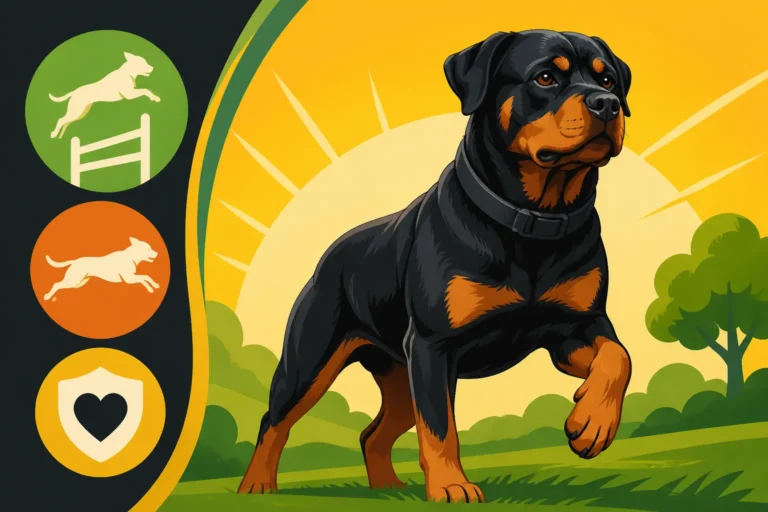
When it comes to running, the key word is "controlled." Off-leash running in a safe, enclosed area where they can set their own pace is ideal. This allows them to sprint, slow down, and sniff as they please, which is far better for their joints and overall engagement than forced, sustained jogging alongside a bicycle or human runner for long periods. If you do enjoy running with your dog, gradually introduce it and monitor their gait closely. Avoid hard surfaces like concrete for extended runs; softer ground like grass or dirt trails is much kinder to their heavy joints. A strong, comfortable harness can make a huge difference here, distributing pressure evenly rather than relying solely on a collar, especially when using a long lead for controlled running in open spaces. Many excellent options are available from retailers like Chewy or Amazon, designed specifically for large breeds.
Low-Impact Activities for Joint Health
Even for a fully mature Rottweiler, prioritizing low-impact activities is always a smart move to protect those precious joints throughout their life. Swimming is arguably one of the best exercises for Rottweilers, as it provides a fantastic full-body workout without any concussive force. Many Rottweilers adore the water, and a good swim session can leave them pleasantly tired without putting any strain on their hips, elbows, or knees. Swimming as Low-Impact Rottweiler Exercise is something every Rottweiler owner should consider.
Other fantastic low-impact options include hiking on varied, soft terrain – think forest trails rather than paved paths. The uneven ground engages different muscle groups and improves balance and proprioception without the repetitive impact of running on flat surfaces. This can be an incredibly enriching experience for both of you, offering new smells and sights. Just be mindful of the intensity and duration, especially in warmer weather, due to their thick black coats. For more on this, check out Hiking With an Adult Rottweiler. Introducing activities like carting or drafting (pulling a lightweight cart) can also be excellent for building core and rear-end strength in a controlled, low-impact manner, tapping into their historical working roots. Always ensure proper equipment and training for these specialized activities.
Mental Engagement and Training as Fitness
It's easy to forget that fitness isn't just about physical exertion; mental engagement plays a huge role in a Rottweiler's overall well-being and can be just as tiring as a long walk. A Rottweiler that is mentally challenged is less likely to exhibit destructive behaviors born of boredom and more likely to be a calm, content companion. Incorporating advanced obedience training, trick training, or dog sports like Rally Obedience or scent work can be incredibly beneficial.
Think about it: learning a new sequence of commands, tracking a hidden treat, or solving a puzzle toy engages their brain in a way that burns mental energy. This mental workout strengthens your bond, builds their confidence, and contributes to their overall fitness by keeping them sharp and responsive. For instance, practicing complex recall cues in different environments, or working on precise heeling during walks, requires focus and sustained effort from your dog. Brands like Chewy offer a wide variety of interactive toys and puzzle feeders that can turn mealtime into a mental exercise, slowing down their eating and engaging their problem-solving skills. These are great for rainy days or when physical activity needs to be slightly reduced.
Building Stamina and Strength: Duration and Intensity
Once your Rottweiler is fully mature, typically around 18-24 months, and you've confirmed with your vet that their growth plates are closed and they have no underlying joint issues, you can really begin to focus on building their stamina and strength. This is where you start to push their capabilities a bit more, but always with a thoughtful approach, recognizing their size and potential for injury if pushed too hard, too fast.
Gradual Increase in Activity Levels
The key word here is "gradual." Just like a human athlete, a Rottweiler needs to be conditioned slowly to avoid injury. If your Rottweiler has primarily been engaging in moderate activity until now, don't suddenly launch into an hour-long, high-speed bike ride. Start by increasing the duration of your walks by 10-15 minutes each week, or introducing short bursts of controlled jogging (5-10 minutes) within a longer walk. Build up the intensity over several weeks or even months. For instance, if you usually walk for 30 minutes, try 40 minutes for a week, then 50 the next.
Once they handle that well, you can start to incorporate inclines into your walks or introduce interval training – alternating periods of brisk walking with short bursts of faster trotting or running. This progressive overload helps their cardiovascular system and muscles adapt without overwhelming their joints or causing excessive soreness. Always warm up with a slow walk and cool down similarly. Pay attention to how they recover. Are they still energetic the next day, or do they seem stiff or unusually tired? That's your cue to slow down.
Monitoring for Overtraining and Fatigue
Rottweilers are stoic dogs by nature, and sometimes they'll push themselves to keep up with you even when they're tiring or uncomfortable. It’s crucial for you to learn to read their subtle cues for fatigue or pain. Signs of overtraining can include excessive panting, lagging behind, reluctance to engage in activities they normally enjoy, stiffness after exercise, or changes in gait (e.g., limping or bunny hopping). Watch for changes in their demeanor too – a normally playful dog might become irritable or withdrawn if they're physically drained.
Especially in warmer weather, be extra vigilant for signs of overheating, as their black coats absorb a lot of heat. Always carry water for both of you, and offer frequent breaks in the shade. If you suspect your Rottweiler is overheated, stop immediately, get them to a cool place, and offer water. Don't be afraid to cut a session short if your dog isn't feeling it. Their long-term health is far more important than hitting a daily mileage goal. Understanding Rottweiler Heat Exhaustion Warning Signs is paramount.
Incorporating Strength-Building Exercises
Beyond stamina, strength is vital for a Rottweiler's joint stability and overall power. This isn't about lifting weights, but about exercises that engage and build their core, hindquarters, and forelimb muscles. Hill sprints (short, intense bursts of running up a moderate incline) are fantastic for building explosive power in the rear legs. Working on uneven terrain, as mentioned with hiking, also forces their muscles to stabilize their body, which builds strength.
Controlled activities like "bear crawls" (where you encourage them to walk slowly on all fours, perhaps by luring them under low obstacles) can engage their core and shoulder muscles. Short periods of controlled tug-of-war (with proper technique to avoid injury to their neck or jaw) can also build muscle in their shoulders and chest. Even simple obedience exercises, performed precisely and with good form, like "stands" and "downs" on different surfaces, contribute to body awareness and muscle strength. For those interested in specialized training, some facilities offer treadmill work or hydrotherapy (under supervision) for controlled muscle development. You might also consider starting joint supplements early to support their developing cartilage and connective tissues as you increase their activity.
Nutrition, Recovery, and Long-Term Fitness Goals
A well-designed fitness plan for your adult Rottweiler doesn't end when the walk is over. It's a holistic approach that integrates proper nutrition and adequate recovery with physical activity to ensure their long-term health and vitality. After all, a highly active dog has different dietary and recuperation needs than a couch potato.
Fueling an Active Adult Rottweiler
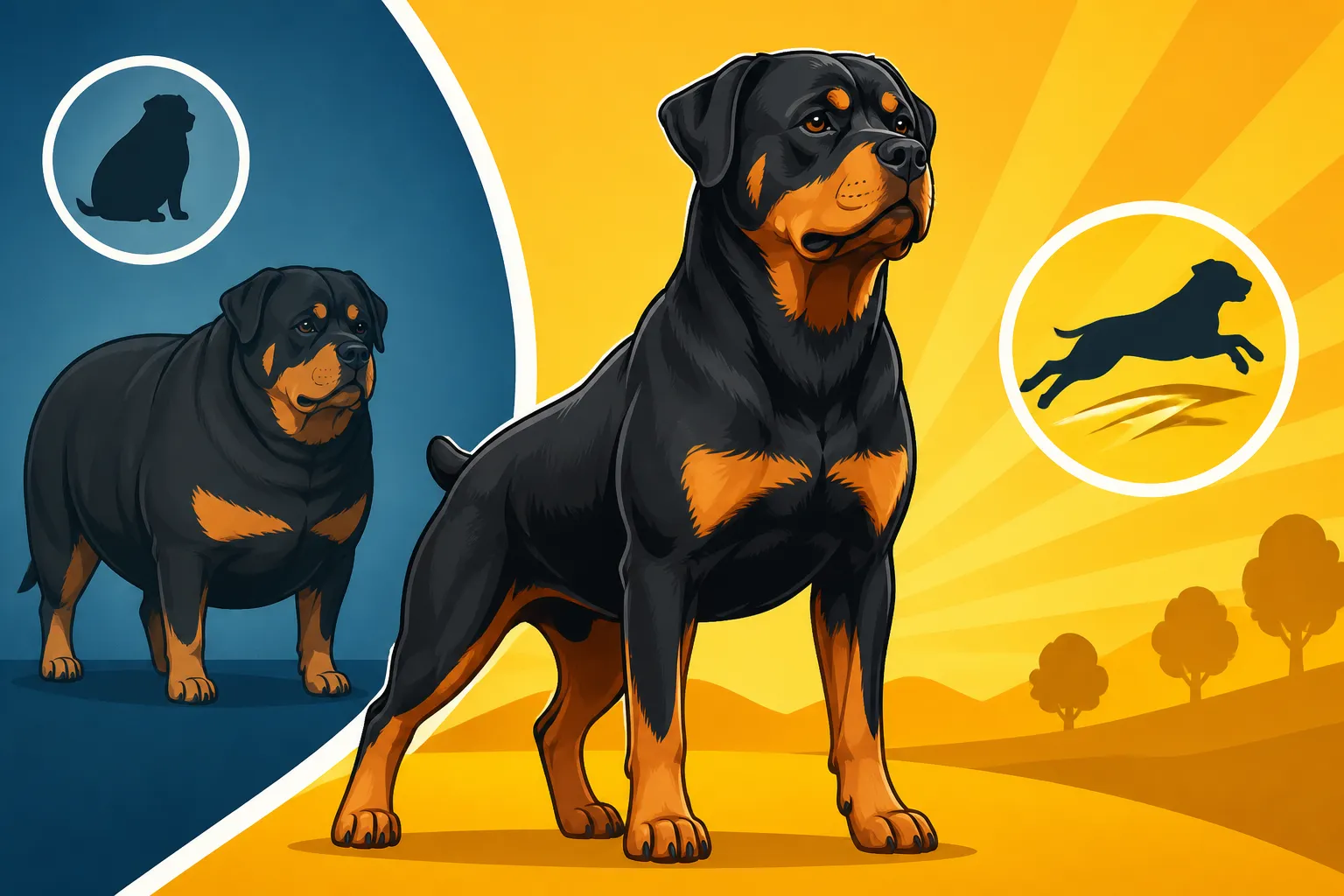
The right nutrition is the foundation of an active Rottweiler's health. High-quality dog food designed for large breeds is essential, providing the correct balance of protein, fats, and carbohydrates to fuel their energy needs and support muscle repair. For an adult Rottweiler, you'll need to carefully monitor their body condition score to ensure they're maintaining a lean, healthy weight. A good rule of thumb is that you should be able to easily feel their ribs without seeing them, and they should have a discernible waist when viewed from above. Remember, Rottweiler Obesity and the Load It Adds to their joints can be devastating.
The actual quantity of food will depend on their activity level, metabolism, and the specific food's caloric density. Consult your veterinarian for guidance on portion sizes, and don't be afraid to adjust based on their activity. If you're really upping their game with more intense exercise, they might need a bit more fuel. Brands like Ollie offer fresh food options that can be tailored to your dog's activity level and weight goals, providing high-quality, easily digestible nutrition. Remember, portioning correctly is key; you can read more about Daily Calories for a Hundred Twenty Pound Rottweiler to get a better sense of their needs.
The Importance of Rest and Recovery
Just as critical as exercise is allowing your Rottweiler ample time to rest and recover. Muscles grow and repair during periods of rest, and their joints need downtime to recuperate from activity. A general guideline is that an adult Rottweiler should get between 12-14 hours of sleep per day, though this can vary. This includes their nighttime sleep and any naps they take during the day.
Ensure they have a comfortable, supportive bed that cushions their large frame and protects their joints from pressure points. This is especially important as they age. A good quality orthopedic bed can make a world of difference. Providing a calm, quiet space for them to relax and decompress after vigorous exercise is also beneficial. Think of a comfortable crate (if they are crate trained) or a specific quiet corner. Hydration is also a huge part of recovery; always ensure fresh water is available, especially after exercise.
Adjusting Fitness Plans as Your Rottweiler Ages
Rottweilers, like all dogs, will experience changes in their physical capabilities as they age. What worked for a two-year-old might be too much for an eight-year-old. After around age seven, a Rottweiler is generally considered senior, and their fitness plan will need to evolve. You might notice a decrease in stamina, a slower pace, or increased stiffness. Regular veterinary check-ups become even more crucial, often twice a year, to catch any emerging health issues like arthritis, heart conditions, or other age-related concerns early. In fact, you should be discussing Senior Rottweiler Mobility Decline with your vet well before it becomes a major issue.
| Age Stage | Exercise Focus | Example Activities | Key Considerations |
|---|---|---|---|
| Puppy (Up to 18 mo) | Healthy Growth, Low Impact, Mental Stimulation | Short walks, supervised play, puzzle toys, basic obedience | Protect growth plates, avoid hard surfaces, no forced runs |
| Young Adult (18 mo – 4 yrs) | Build Stamina, Strength, Controlled Intensity | Brisk walks, controlled running, swimming, hiking, advanced obedience, carting | Gradual increase, monitor for fatigue, consider joint supplements |
| Mature Adult (4 – 7 yrs) | Maintain Fitness, Prevent Weight Gain | Consistent routine, varied activities, continued mental challenges | Prevent obesity, monitor joint health, adjust as needed |
| Senior (7+ yrs) | Joint Support, Moderate Activity, Quality of Life | Gentle walks, swimming, massage, brain games, physical therapy | Vet check-ups, pain management, soft surfaces, shorter durations |
For older Rottweilers, focus shifts to maintaining mobility, managing any existing pain, and keeping them mentally engaged. Shorter, more frequent walks, warm-water swimming, and gentle massage can be incredibly beneficial. Always tailor the exercise to your individual dog's needs and consult with your veterinarian about appropriate levels of activity and any necessary supplements or medications to support their joints and overall health. If you know your dog has a condition like Rottweiler Heart Disease and Subaortic Stenosis, you'll need to know Exercise Limits for a Rottweiler With Heart Disease from your vet. The goal is always to provide a life of joy and comfortable movement, for as long as possible.
Disclaimer
This article is for general informational purposes only and does not constitute professional advice. Laws, prices and regulations vary by location and change over time. Consult a qualified professional for guidance on your specific situation.