Treat Allowance for a Rottweiler in Daily Training
It’s a struggle so many Rottweiler owners know intimately: you want to train your magnificent, intelligent dog, and treats are absolutely essential for motivation and positive reinforcement. But then you look at that big, powerful body, you recall how prone Rottweilers can be to joint issues and weight gain, and suddenly you’re riddled with worry. How many treats are too many? How do you ensure you’re rewarding effectively without accidentally packing on the pounds or unbalancing their diet? This guide is here to walk you through exactly how to manage your Rottweiler's treat allowance in daily training, ensuring they stay motivated, healthy, and happy without the extra bulk.
The Training Treat Dilemma: Balancing Motivation and Health for Your Rottweiler
Training a Rottweiler is a commitment that requires consistency, patience, and often, high-value rewards to keep their attention and drive. These dogs are smart, powerful, and can be strong-willed, meaning those tasty morsels aren't just a bonus; they're a vital tool in shaping desired behaviors. From teaching a solid "stay" to perfecting a loose-leash walk, treats are your primary currency for communicating "yes, that's what I want!"
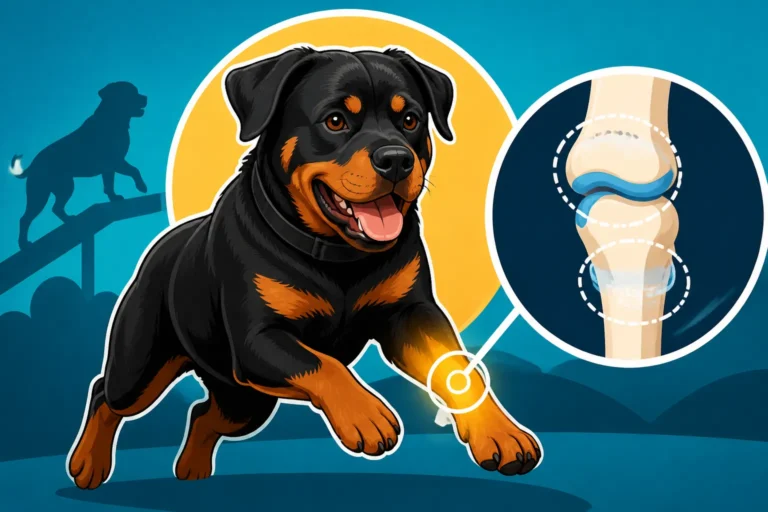
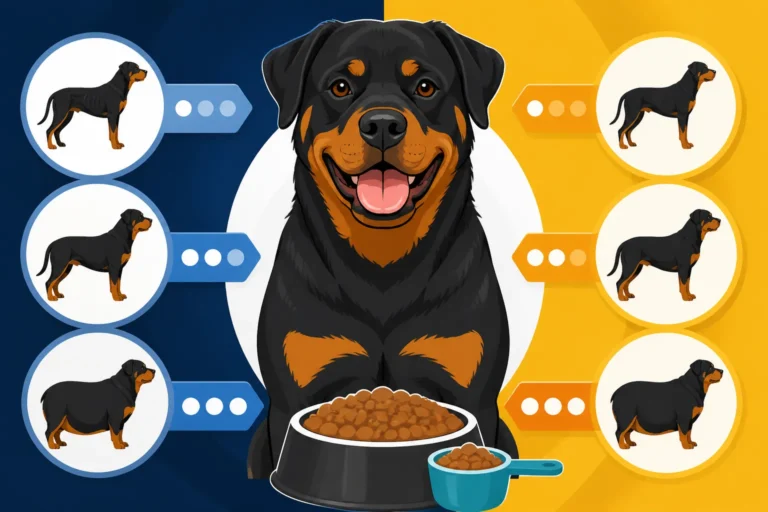
The flip side of this effective training method is the very real concern about your Rottweiler's waistline. These are large dogs, often weighing over a hundred pounds, and even a small excess of calories daily can quickly accumulate into unhealthy weight gain. We know that conditions like Rottweiler Hip Dysplasia and the OFA Grade and Cruciate Tears in a Heavy Rottweiler are exacerbated by extra weight, making this isn't just about aesthetics; it's about their long-term comfort and mobility. The frustration is palpable: you need the treats to train, but you fear the consequences of giving too many. This balancing act is why understanding a treat allowance is so crucial for Rottweiler owners.
It’s easy to fall into the trap of using larger treats or too many during a single session, especially when your dog is doing exceptionally well or you’re tackling a particularly difficult behavior. You want to reward generously! However, a Rottweiler’s metabolism and growth plates, which close later than many smaller breeds, mean that their nutritional needs and susceptibility to certain health issues are quite specific. Even in their puppyhood, Why a Chubby Rottweiler Puppy Is a Problem is a critical concern that can impact their development for life. We need to be strategic, not just generous, with our rewards.
Crafting a Daily Treat Budget for Your Large Dog
Figuring out exactly how much "extra" a Rottweiler can have in treats boils down to understanding their overall daily calorie intake and then making smart allocations. This isn't about rigid rules that drain the joy from training, but rather about informed choices that support your dog's health. Think of it as a calorie budget for the day, and treats are a line item.
Understanding Your Rottweiler's Calorie Needs
The first step is to know your Rottweiler's approximate daily caloric requirements. This isn't a one-size-fits-all number, as it depends on their age, activity level, whether they're spayed or neutered, and their current body condition. A lean, active 100-pound male Rottweiler will need more calories than a spayed, less active 95-pound female. Your veterinarian is truly your best resource here, as they can assess your specific dog and provide a tailored recommendation. However, generally, an adult Rottweiler weighing around 100-120 pounds might need anywhere from 2,000 to 2,800 calories per day to maintain a healthy weight, assuming a moderate activity level. For a detailed look into this, consider Daily Calories for a Hundred Twenty Pound Rottweiler.
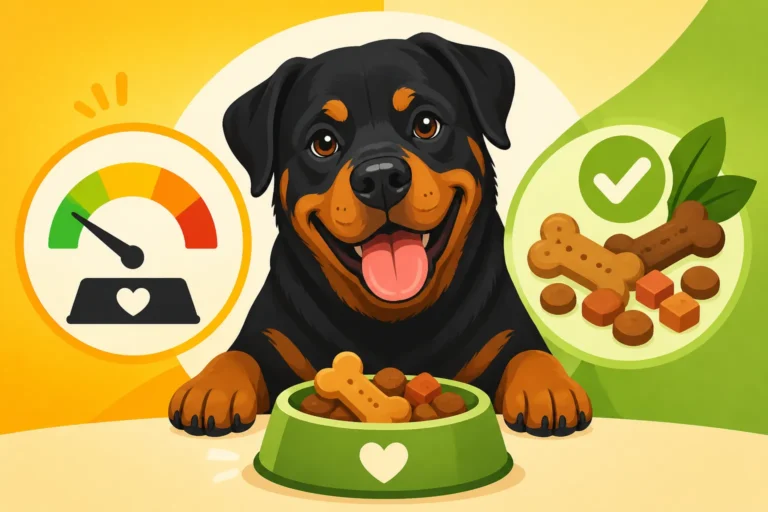
Once you have this baseline, you can then designate a small percentage of those daily calories for training treats. A good rule of thumb is to aim for no more than 10% of their total daily calories to come from treats. Exceeding this often means you're displacing essential nutrients from their balanced dog food diet or, more commonly, adding excess calories that lead to weight gain. This 10% rule gives you a practical ceiling to work within for your daily training sessions. If your vet advises a 2500-calorie daily intake, then your treat budget would be around 250 calories.
Calculating Treat Calories and Making Adjustments
Now that you have a calorie budget for treats, you need to know how many calories are in the treats you're using. This is where a little label-reading comes in handy. Most commercial dog treats will have calorie information listed, often as "calories per treat" or "calories per cup." If it's not on the bag, a quick search for the brand and product online can usually yield the information. Remember, those soft, chewy treats might seem small, but some can be surprisingly calorie-dense, while crunchy biscuits can also pack a punch.
Let's say your Rottweiler's treat budget is 250 calories, and each training treat you use is 10 calories. That means you have about 25 "treat units" for the day. This might sound like a lot, but a full training session can go through them quickly. This is precisely why strategic treat choice and usage are so important. If you find yourself needing more treats for training, you'll need to adjust your dog's main meal portions accordingly to stay within their total daily calorie limit. For instance, if you give 100 calories worth of treats, you'd subtract 100 calories from their kibble portion for that day. This proactive adjustment prevents Rottweiler Obesity and the Load It Adds.
Consider this simple table to help visualize calorie contributions:
| Treat Type | Approx. Calories per Treat (example) | How Many for a 250 Calorie Budget | Considerations |
|---|---|---|---|
| Small Training Kibble | 3-5 calories | 50-83 pieces | Excellent for high-volume rewards, low impact. |
| Standard Store-Bought Treat | 10-15 calories | 16-25 pieces | Moderate impact, easy to overdo. |
| Large Biscuit | 30-50 calories | 5-8 pieces | Use sparingly, best for jackpot rewards. |
| Freeze-Dried Meat Bits | 2-4 calories | 62-125 pieces | High value, low calorie, but can be pricier. |
| Plain Cooked Chicken/Lean Beef | ~1 calorie per tiny cube | 250+ pieces | Excellent high-value, low-calorie option, DIY. |
This table highlights why selecting the right treat is paramount. Small, low-calorie options give you more "bang for your buck" in terms of repetitions and reinforcement without blowing the calorie budget.
Making Every Training Treat Count: Smart Choices and Strategies
Once you have your daily treat budget, the next step is to maximize its impact. This involves not only choosing the right treats but also employing smart training strategies to get the most out of every single morsel.
Opting for Low-Calorie, High-Value Options
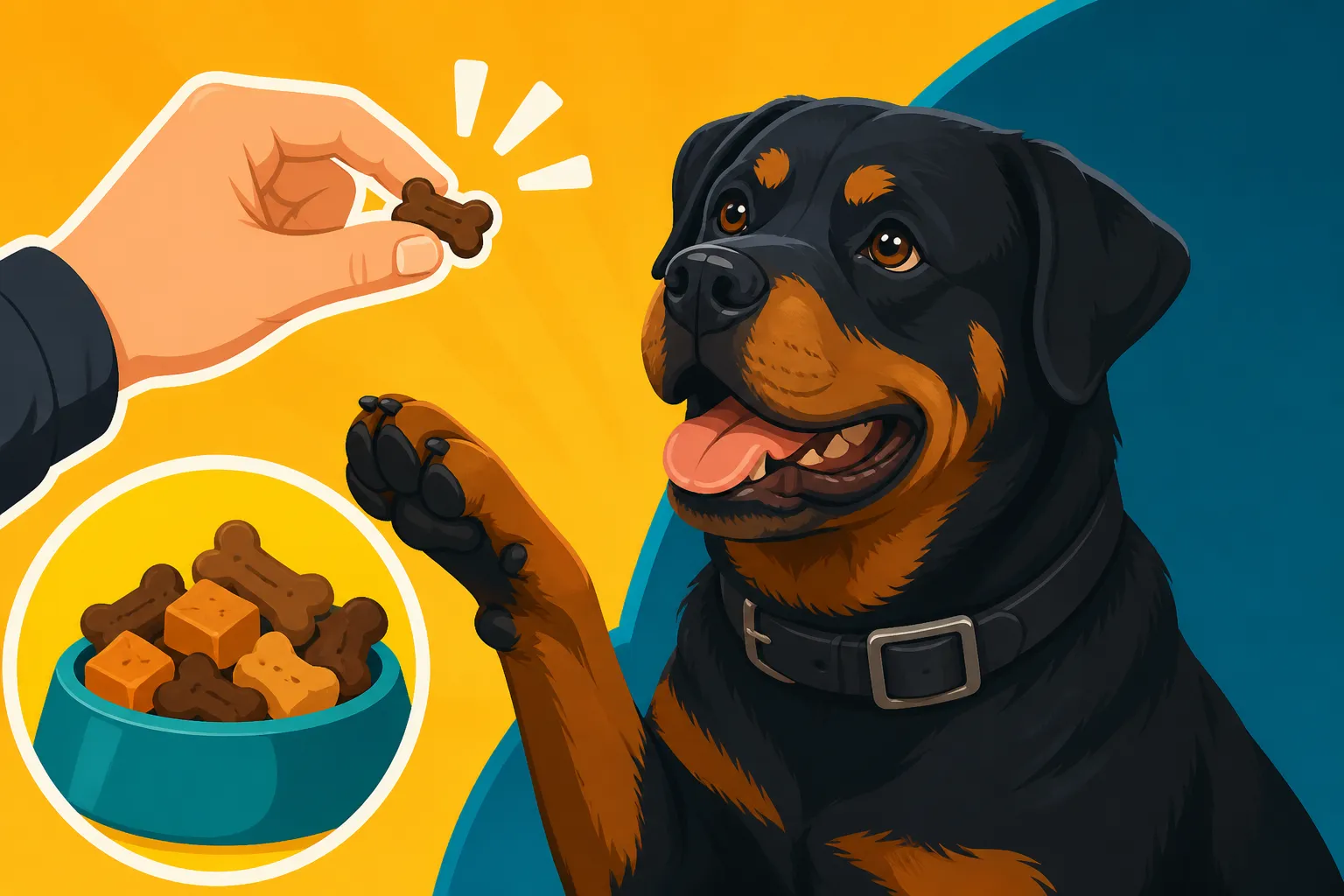
For general daily training, especially for behaviors that require many repetitions like loose-leash walking or recall practice, lean heavily on low-calorie treats. Think small, pea-sized pieces of boiled chicken breast, lean roast beef, or even small pieces of your dog’s regular kibble. Many brands offer dedicated "training treats" that are specifically designed to be tiny and low in calories. You can find a huge variety of these on platforms like Chewy or Amazon, allowing you to compare calorie counts and ingredients easily. The key here is quantity over density – your Rottweiler feels rewarded by the number of treats, not necessarily the size of each individual one. Training Treats Small Enough for a Rottweiler Session are a game changer in this regard.
For higher-stakes training, like working on reactivity around other dogs or proofing a rock-solid stay in a distracting environment, you'll want to pull out the "jackpot" rewards. These can be slightly higher-value but still used in moderation. Think tiny cubes of cheese, hot dogs (cut into microscopic pieces), or special freeze-dried liver treats. The key is to make these truly special so they retain their high-value status and aren't overused. Even with these, portion control is vital; break them into the smallest possible pieces.
Strategic Treat Delivery and Management
Beyond what you feed, how you feed it matters immensely.
First, break treats into smaller pieces. A single commercial training treat can often be broken into two, three, or even four smaller pieces for your Rottweiler. Your dog doesn't know you just broke it in half; they just know they got a treat. This simple trick can effectively double or quadruple your treat allowance without increasing calorie intake.
Second, vary your rewards. Not every correct response needs a food treat. Sometimes a verbal "good boy!" with enthusiastic praise, a quick game of tug, or a few seconds of petting can be just as rewarding, especially for behaviors they've already mastered. This helps transition your Rottweiler away from needing a food reward every single time, making them more resilient in real-world scenarios.
Third, use a treat pouch. Wearing a treat pouch keeps treats easily accessible, allowing for immediate reinforcement the moment your Rottweiler performs the desired behavior. This immediate delivery strengthens the association between the action and the reward, making training more effective and reducing the need for multiple attempts (and thus, more treats). It also prevents you from fumbling for a bag, which can delay the reward and dilute its impact.
Finally, know when to stop. If your Rottweiler isn't focused, or if you've already had a very productive session, don't force more repetitions just to use up treats. Save them for later in the day or for another session. Overworking a dog, especially a large breed with a strong work ethic like a Rottweiler, can lead to frustration for both of you.
Seamless Integration: Treats as Part of Your Rottweiler's Overall Nutrition
The goal isn't just to manage treats during training; it's to integrate them thoughtfully into your Rottweiler's entire dietary landscape. This holistic approach ensures their nutritional needs are met, their weight stays healthy, and training remains a positive, productive experience.
Adjusting Meal Portions to Account for Treats
This is perhaps the most critical part of the integration. If you're giving 10% of your Rottweiler's daily calories as training treats, you must reduce their regular meal portions by an equivalent amount. Failing to do so is the most common reason Rottweilers gain weight, even when owners are diligent about healthy food. For example, if your dog gets two meals a day, and you've fed 200 calories worth of treats, you'd subtract 100 calories from each of their main meals. This requires a bit of math but becomes second nature once you get into the habit.
Using a consistent measuring cup or, even better, a kitchen scale to portion out your Rottweiler’s food by weight (not volume) ensures accuracy. This is especially important for a large breed where an extra quarter-cup of kibble here and there can quickly add up. If you're using a fresh food delivery service like Ollie, their portioning guides can be very helpful, but you’ll still need to factor in your treat allowance and adjust their suggested meal amounts. Open communication with your vet about these adjustments is always a good idea, especially if you have an unspayed female Rottweiler, as Rottweiler Weight Gain After Neutering is a common concern that can be pre-empted with careful nutritional planning even before a spay.
Considering the Nutritional Quality of Treats
Just like their main diet, the nutritional quality of your Rottweiler's treats matters. Look for treats with wholesome ingredients, ideally without excessive fillers, artificial colors, or preservatives. Brands often found on Chewy have clear ingredient lists, allowing you to choose wisely. For instance, freeze-dried single-ingredient treats (like liver or chicken) are fantastic because they're essentially pure protein, often low in calories, and universally loved by most dogs.
If your Rottweiler has specific dietary sensitivities or allergies, their treats must adhere to those same restrictions. This might mean making your own treats from approved ingredients or meticulously checking labels for novel proteins. Remember, every bite contributes to their overall health. If you are exploring different types of food or treats, always introduce new items slowly and monitor for any digestive upset.
Consulting Your Veterinarian Regularly
Never underestimate the value of your veterinarian's input. They can provide precise guidance on your Rottweiler's ideal weight range, current body condition score, and daily caloric needs. They can also help you troubleshoot if you're struggling to maintain a healthy weight despite your best efforts. Sometimes, a medical condition like Rottweiler Hypothyroidism and Unexplained Weight Gain can be a factor, making regular check-ups and open discussions about diet essential.
Your vet can help you adjust your Rottweiler's food and treat plan as they age or as their activity levels change. A growing puppy will have different caloric needs than a senior dog, just as an active working Rottweiler will differ from a couch potato. By treating your Rottweiler's daily training treats as an integral, but controlled, part of their complete nutritional picture, you ensure they remain enthusiastic learners and healthy companions for many happy years.
Disclaimer
This article is for general informational purposes only and does not constitute professional advice. Laws, prices and regulations vary by location and change over time. Consult a qualified professional for guidance on your specific situation.