How Long to Rest a Rottweiler After Eating
One of the most terrifying things a Rottweiler owner can face is the sudden, life-threatening emergency of bloat, also known as Gastric Dilatation-Volvulus. That gut-wrenching worry about doing everything right to keep our big, lovable companions safe is real, and it often starts with what and how we feed them. This guide will walk you through the crucial resting period your Rottweiler needs after eating to help mitigate the risk of this scary condition.
The Critical Link Between Eating and Bloat in Rottweilers
Let's be honest, the thought of bloat sends a shiver down every Rottweiler owner's spine. It's not just a little tummy ache; it's a genuine emergency that can turn fatal in a matter of hours. Understanding why and how eating plays a role is the first step in being proactive.
Understanding Gastric Dilatation-Volvulus (GDV)
Gastric Dilatation-Volvulus, or GDV, is a nightmare scenario where your dog's stomach fills with gas, food, or fluid, and then twists on its axis. Imagine your dog's stomach as a balloon attached by two tubes – one to the esophagus and one to the small intestine. When it twists, both ends are pinched off, trapping everything inside. The gas can't escape, the blood supply to the stomach is cut off, and it starts to die. This can quickly lead to shock and death if not treated immediately. Bloat in a Rottweiler and the Hours That Matter is something no owner ever wants to experience.
Rottweilers, being large, deep-chested breeds, are unfortunately predisposed to this terrifying condition. Their chest conformation creates more space for the stomach to distend and twist. While we don't know the exact cause of bloat, a combination of factors is usually at play, and what happens around mealtime is a huge one. It's not just the food itself, but the timing, the quantity, and what your dog does immediately after eating that can tip the scales.
Why Activity After Meals is a Risk Factor
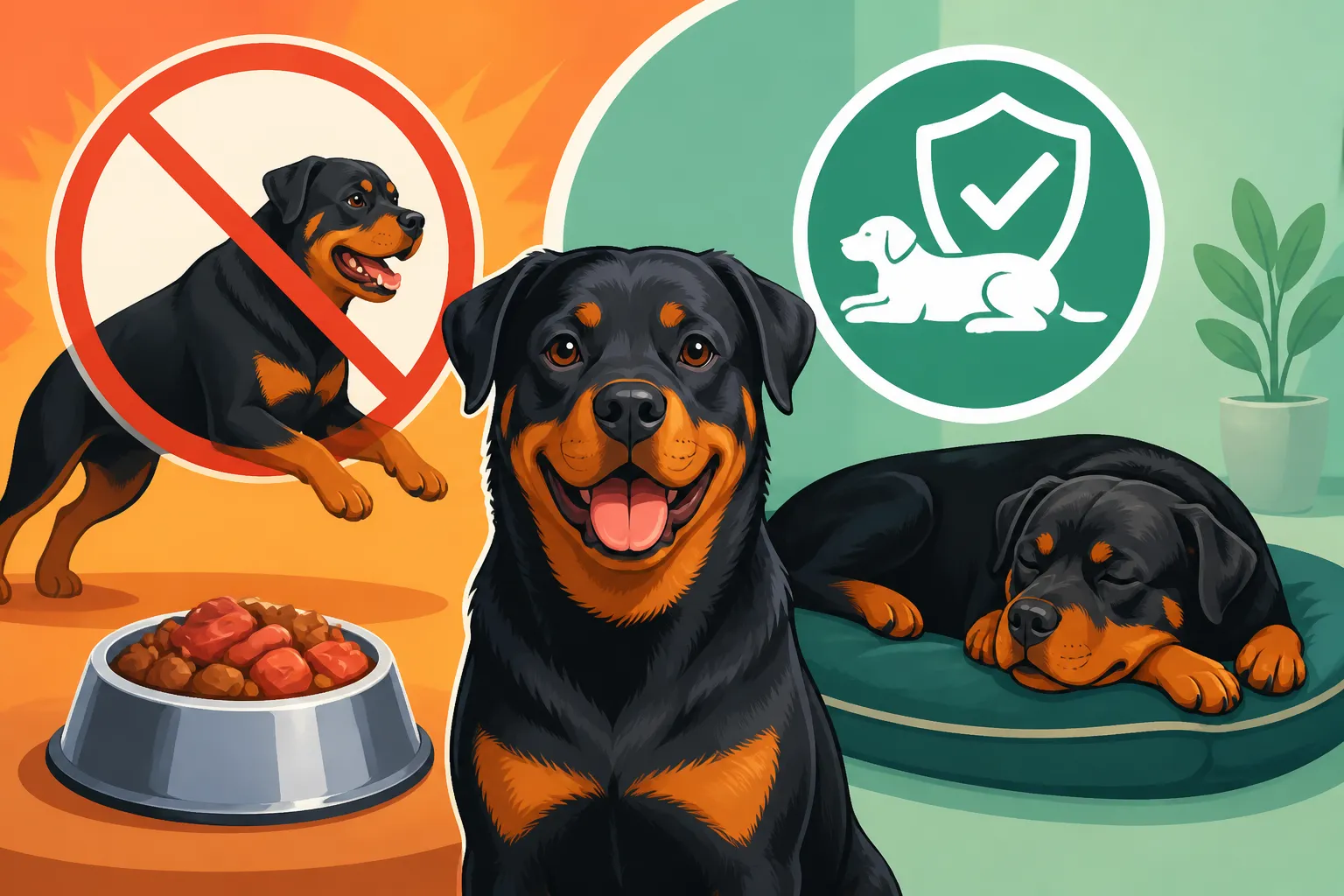
Picture this: your Rottweiler just wolfed down a delicious meal. Their stomach is full and heavy. Now, imagine them immediately going out to run zoomies in the yard, jump off the porch, or engage in a vigorous game of tug-of-war. That kind of intense physical activity can jostle a full stomach, causing it to swing and, in the worst-case scenario, twist. The mechanical forces from jumping, twisting, and sudden stops create an environment where the stomach is much more likely to rotate.
It's similar to how you might feel after a big holiday dinner – you want to recline on the couch, not go for a sprint! For a Rottweiler, whose stomach is already suspended in a deep chest, that post-meal exercise creates a dangerous situation. The churning and jostling can lead to excessive gas accumulation or, more critically, directly initiate the gastric torsion. This isn't just about making them uncomfortable; it's about potentially triggering a life-threatening event. We always advise clients that a calm digestive period is non-negotiable for our big dogs.
Recommended Resting Periods and Best Practices
So, what's the magic number when it comes to resting your Rottweiler? While there's no absolute, one-size-fits-all answer, there are clear guidelines that every Rottweiler owner should follow diligently to minimize bloat risk.
The Golden Hour Rule and Beyond
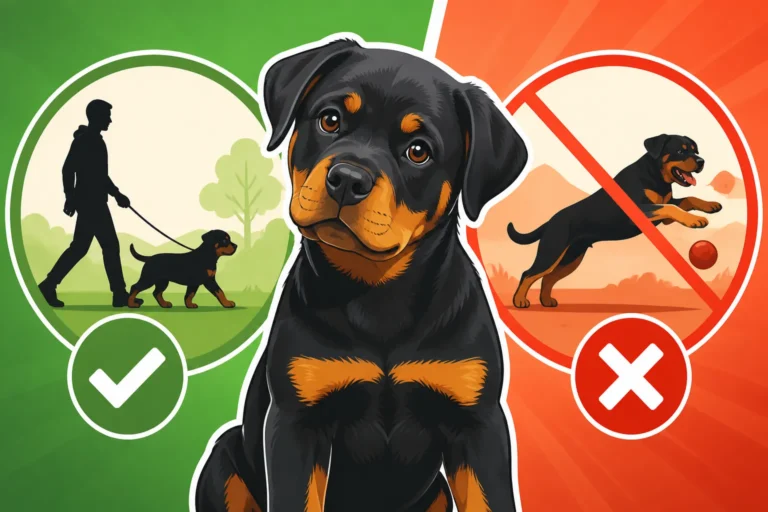
A widely accepted rule of thumb, and one I preach regularly, is the "golden hour" rule: at least one hour of rest before eating and at least one hour after eating. For many Rottweilers, especially those that are particularly active or prone to gulping, extending that post-meal rest period to 90 minutes or even two full hours is an even safer bet. During this time, "rest" means calm, quiet behavior. No running, no jumping, no intense play, and ideally, no excited greetings from visitors. It means a gentle walk on a leash to relieve themselves, then back indoors for a nice long snooze or quiet chew session.
Think of it as critical digestion time. During these crucial 60-120 minutes, your Rottweiler's body is focused on processing the food, and their stomach needs to remain stable. Disrupting this process with vigorous activity can cause gas to build up or, as we discussed, physically move the stomach into a twisted position. This rest period also applies before meals, as an excited, panting dog can gulp air right before eating, adding to potential gas buildup. How Long to Wait After a Rottweiler Meal Before Exercise is a question with a very important answer for your dog's health.
Creating a Calm Post-Meal Environment
Ensuring your Rottweiler actually rests after eating takes some intentional effort, especially if you have a busy household. Designate a specific, quiet area for them to eat and relax afterward. This might be their crate in a low-traffic part of the house, a dog bed in a quiet corner, or a sectioned-off area where they won't be disturbed by children or other pets. Providing a safe, non-active chew toy (not something that encourages vigorous chewing and air gulping) can sometimes help them settle.
If you have multiple dogs, feed them separately to prevent competition, which often leads to fast eating and more air ingestion. After everyone is done, guide your Rottweiler to their designated relaxation spot. It's important to keep them calm. Avoid exciting situations like ringing doorbells, boisterous family play, or even training sessions that involve a lot of movement. The goal is to let their digestive system do its work undisturbed.
Practical Feeding Strategies to Further Reduce Risk
Beyond the crucial resting period, how you feed your Rottweiler can also significantly impact their risk of bloat. Small adjustments to their feeding routine can make a world of difference.
Splitting Meals and Slowing Consumption
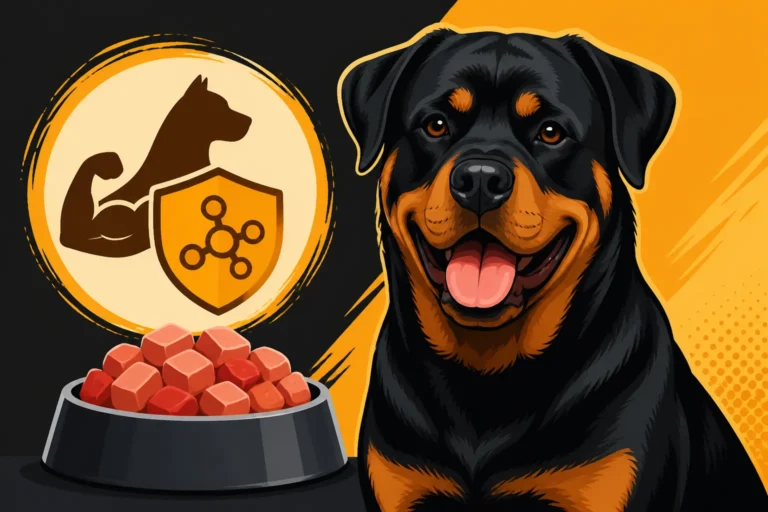
One of the most effective strategies is to split your Rottweiler's daily food ration into two or even three smaller meals rather than one large one. This prevents their stomach from becoming overly full at any single time, reducing the sheer volume that could potentially distend and twist. For instance, if your Rottweiler eats six cups a day, break it into three cups in the morning and three in the evening, rather than all six at once. This strategy is highlighted in Splitting a Rottweiler's Food Into Two Meals.
Another excellent tool is a slow feeder bowl. These bowls have ridges or obstacles that force your dog to eat around them, preventing rapid gulping of food and air. Brands like Outward Hound, available through retailers like Chewy or Amazon, offer a variety of slow feeder designs that can significantly extend mealtime. For really fast eaters, you might even scatter their kibble across a clean floor or a snuffle mat, making them "hunt" for each piece. Puzzle feeders can also work, but make sure they don't cause frustration that leads to excessive panting and air intake.
Hydration and Raised Bowls
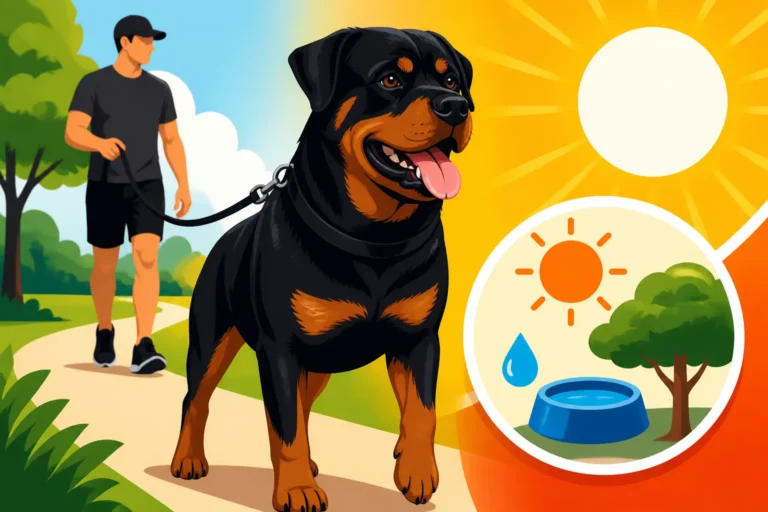
Proper hydration is vital for overall health, and Rottweilers, given their size, need plenty of water. However, caution is advised regarding excessive water intake immediately before or after meals. While always providing fresh water is non-negotiable, try to ensure your Rottweiler isn't gulping down huge amounts of water right before or after eating, as this can also contribute to stomach distention. If they're particularly thirsty after a walk, offer smaller amounts of water over a short period before feeding.
Now, about raised bowls. For years, conventional wisdom suggested that raised food bowls were beneficial for large breeds, supposedly reducing bloat risk. However, more recent studies have actually indicated the opposite: raised bowls might increase the risk of bloat in deep-chested dogs. This finding surprised many, including me! The theory is that eating from a raised bowl might encourage more air swallowing. Given this conflicting information, it's generally recommended to feed your Rottweiler from a bowl on the floor. Always discuss specific feeding setups with your veterinarian, especially for a breed as prone to bloat as the Rottweiler. The Raised Bowl Argument in Rottweiler Bloat delves into this in more detail.
Recognizing Trouble and When to Act
Even with the best preventative measures, bloat can still happen. Knowing the signs and acting immediately is literally a matter of life or death.
Early Signs of Bloat to Watch For
Bloat often comes on suddenly, and the symptoms can escalate quickly. As a Rottweiler owner, you need to be constantly vigilant, especially after meals. The most common and critical signs to watch for include:
- Retching without bringing anything up: This is often the first and most telling sign. Your dog looks like they're trying to vomit, their body heaves, but nothing comes out. A Rottweiler Retching Without Bringing Anything Up is a sign that must never be ignored.
- Distended or hard abdomen: Your dog's belly might look swollen, especially on the left side, and feel tight or drum-like to the touch.
- Restlessness and pacing: They can't get comfortable, they might pace, whine, or repeatedly try to lay down and get back up.
- Excessive drooling: Bloat can cause discomfort and nausea, leading to increased salivation.
- Pain indicators: These can range from a hunched posture, looking at their side, groaning, or being reluctant to move.
- Weakness or collapse: As the condition progresses, your dog may become weak, collapse, or have pale gums.
Any of these signs, particularly after a meal, should trigger immediate alarm bells. Time is of the essence.
Emergency Action Plan
If you suspect your Rottweiler is bloating, do not wait. This is a true emergency. Immediately contact your veterinarian or the nearest emergency veterinary hospital. Do not try to "wait and see" if it gets better, and do not attempt any home remedies. Every minute counts. Seriously, grab your keys, call them on the way, and get moving.
Knowing the location and phone number of your nearest 24/7 emergency vet is something every Rottweiler owner should have memorized or stuck on the fridge. When you call, clearly state that you suspect bloat in your Rottweiler and you're on your way. This allows them to prepare for your arrival. Recognizing Bloat in a Rottweiler can mean the difference between life and death. While prophylactic gastropexy, a surgical procedure that tacks the stomach to the abdominal wall to prevent twisting, can significantly reduce the risk of future bloat events, it does not prevent the initial gas distention, and your dog can still bloat. However, it’s a preventative measure many Rottweiler owners consider, and Whether Preventive Gastropexy Is Worth It is a common discussion with vets.
Here's a quick reference for post-meal management:
| Activity Level | Before Meal Rest | After Meal Rest (Minimum) | After Meal Rest (Recommended for Active Dogs) | Key Actions |
|---|---|---|---|---|
| Low/Moderate | 1 hour | 1 hour | 90 minutes | Quiet time, gentle potty break, no vigorous play |
| High Activity | 1 hour | 90 minutes | 2 hours | Strictly calm, crating, no excitement, separate from other pets |
Always prioritize calm digestion for your Rottweiler. It's a small habit change that can have a massive impact on their well-being and potentially save their life.
Disclaimer
This article is for general informational purposes only and does not constitute professional advice. Laws, prices and regulations vary by location and change over time. Consult a qualified professional for guidance on your specific situation.