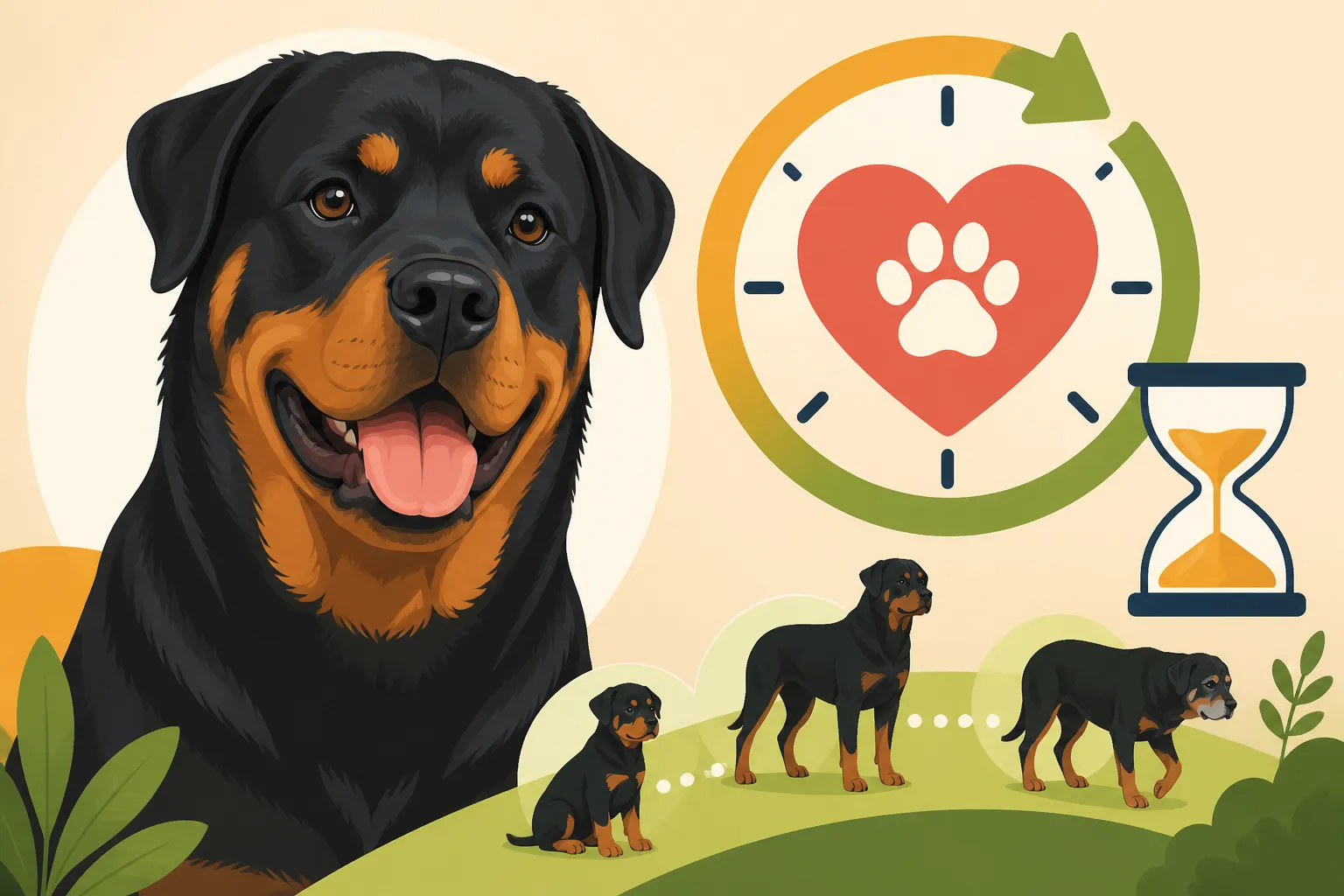
Rottweiler Lifespan and the Eight to Ten Year Average
It's an undeniable heartache for any Rottweiler owner to realize that these magnificent, loyal companions often have a shorter journey with us than we'd wish. The average lifespan for a Rottweiler, often cited as eight to ten years, can feel incredibly brief when you've fallen so deeply in love with their steadfast presence and goofy charm. This guide isn't here to sugarcoat that reality, but rather to explore the factors influencing this timeframe and, more importantly, to empower you with comprehensive knowledge and actionable steps to help your cherished Rottweiler live the longest, healthiest, and happiest life possible.
Understanding the Rottweiler Lifespan Average
When you bring a Rottweiler into your home, you're signing up for a lifetime of devotion, protectiveness, and endless love. It's a heavy thought, then, that their "lifetime" is often condensed into roughly a decade. This eight to ten-year average is a common statistic, but it doesn't tell the whole story. Many factors contribute to this figure, and understanding them is the first step toward advocating for your dog's longevity. It's a statistic that often leaves new owners feeling a mix of sadness and determination, wanting to beat the odds for their own furry family member.
The Heartbreak of a Short Lifespan
The realization that your beloved Rottweiler might only be with you for a relatively short time compared to smaller breeds is a tough pill to swallow. We connect so deeply with these dogs, forming bonds that feel unbreakable, and the thought of saying goodbye prematurely is profoundly painful. This isn't just a number; it represents years of memories, companionship, and an irreplaceable presence in our lives. Many owners feel a crushing weight when they hear this average, wondering if they'll have enough time to cherish every moment. It's a sentiment that fuels our desire to provide them with the best care possible, hoping to stretch those precious years out as far as they can go. We want to defy the statistics, armed with knowledge and unwavering commitment.
Breed Size and Longevity
There's a well-documented, albeit frustrating, inverse relationship between a dog's size and its lifespan. Generally, the larger the dog, the shorter its expected life. This phenomenon is often attributed to several factors. Larger breeds tend to grow at an accelerated rate, which can lead to increased cellular damage and a higher risk of diseases like cancer. Their bodies simply age faster on a cellular level. Additionally, the sheer mass of a Rottweiler puts more strain on their joints, organs, and cardiovascular system over time. Imagine the extra workload on a heart pumping blood through a much larger body, or the constant impact on hips and elbows. This rapid growth and immense size contribute significantly to why a majestic Rottweiler won't typically live as long as a tiny Chihuahua, despite both being cherished members of a family.
Factors Influencing the Average
The eight to ten-year average isn't a hard and fast rule; it's a statistical representation influenced by a multitude of variables. Genetics play an enormous role, with certain lines being predisposed to particular health conditions. However, daily care and environment are just as crucial. A Rottweiler fed a high-quality diet, maintained at a healthy weight, receiving appropriate exercise, and getting consistent veterinary care will likely fare better than one subjected to poor nutrition, obesity, and neglect. The lifestyle you provide—from the quality of their food to the amount of mental stimulation they receive—directly impacts not just their current well-being, but their long-term health prospects. Even factors like stress levels and exposure to environmental toxins can incrementally chip away at their potential lifespan. It's a complex interplay, and every choice we make as owners contributes to the bigger picture of their health.
Common Health Issues That Impact Longevity
Rottweilers, for all their strength and resilience, are prone to several significant health challenges that can unfortunately shorten their lives. Being aware of these common ailments is not about dwelling on the negative, but about empowering yourself to recognize early signs, seek prompt veterinary intervention, and implement preventive measures. Early detection and proactive management are key allies in extending your Rottweiler's time with you. Understanding these risks means you can have informed conversations with your veterinarian and tailor a health plan specifically for your dog.
Cancers in Rottweilers
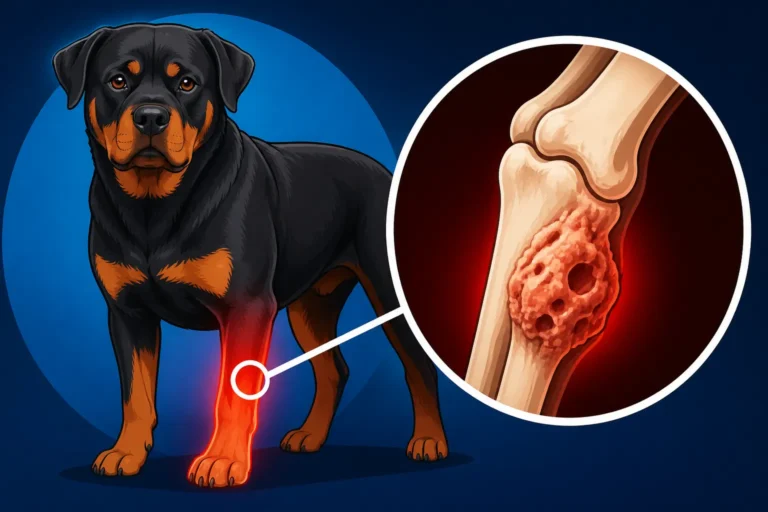
One of the most devastating realities for Rottweiler owners is the breed's high predisposition to various cancers. Cancer is a leading cause of death in Rottweilers, often striking them in their middle to senior years, sometimes even earlier. The types of cancer vary, but several are particularly prevalent. Osteosarcoma, the Cancer That Takes Most Rottweilers is a particularly aggressive bone cancer that frequently affects larger breeds like Rottweilers, often appearing as a persistent limp. This can be heartbreakingly sudden, progressing rapidly and requiring difficult decisions about amputation or palliative care.
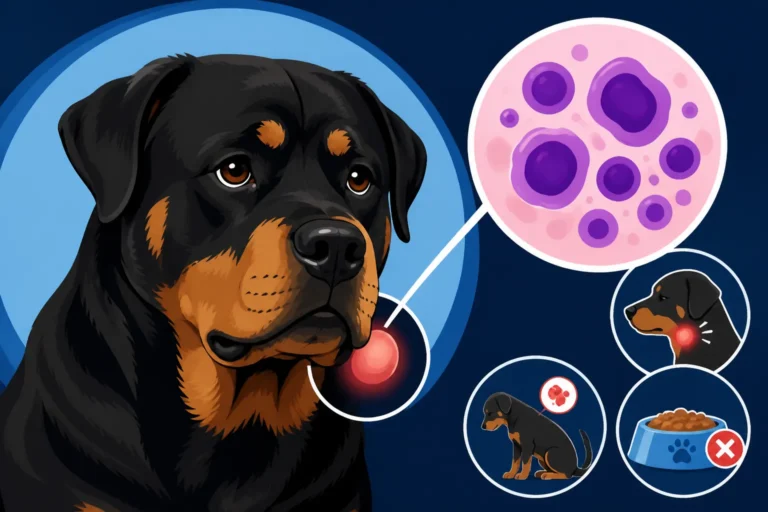
Beyond bone cancer, Rottweilers are also susceptible to other forms. Lymphoma, a cancer of the lymphatic system, can manifest in swollen lymph nodes, lethargy, and loss of appetite. Hemangiosarcoma, a highly aggressive cancer of the blood vessel lining, is another insidious threat, often going undetected until it causes sudden collapse due to internal bleeding, especially if it affects the spleen or heart. Mast cell tumors, which can appear as seemingly innocuous skin lumps, also require prompt biopsy as they can be malignant and metastasize. Given this high risk, regular veterinary check-ups that include thorough physical examinations and, for older dogs, even proactive cancer screenings, become incredibly important in catching these diseases early when treatment options are most effective. You can learn more about these in Rottweiler Cancers Beyond the Bone.
Orthopedic Concerns
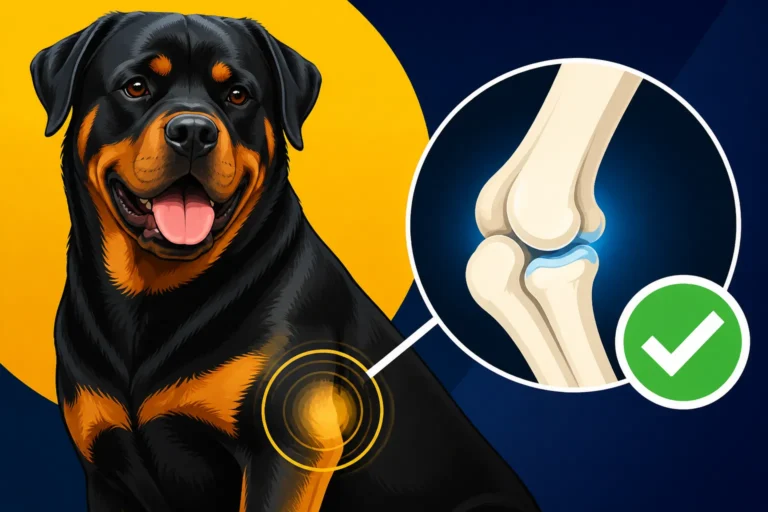
The sheer size and robust build of a Rottweiler, while impressive, also make them prone to a host of orthopedic issues. These conditions, if left unmanaged, can significantly impact their quality of life, mobility, and in turn, their overall lifespan due to chronic pain or reduced activity. Hip and elbow dysplasia are perhaps the most well-known. Rottweiler Hips and Elbows and the 24-Month Rule discusses how these genetic conditions cause malformation of the hip or elbow joints, leading to arthritis and debilitating pain. Affected dogs may display lameness, reluctance to exercise, or difficulty rising.
Cruciate ligament tears, similar to an ACL injury in humans, are also common, especially in active, heavy Rottweilers, often requiring complex and costly surgery like TPLO (Tibial Plateau Leveling Osteotomy). Then there's osteochondritis dissecans (OCD), a condition affecting cartilage development in joints like the shoulder. All of these conditions underscore the critical importance of responsible breeding practices, ensuring that parent dogs are properly screened and cleared before reproduction. Even with sound genetics, the way a Rottweiler puppy is raised, particularly regarding appropriate exercise and nutrition to support healthy bone and joint development, is paramount. Avoiding excessive jumping or forced, long-distance running during their formative years is crucial, as their Rottweiler Growth Plates and Why They Close So Late are vulnerable until they fully close around 18-24 months of age.
Cardiovascular Health
Heart disease is another serious concern that can unfortunately impact a Rottweiler's lifespan. While they are a strong, athletic breed, they are genetically predisposed to certain cardiac conditions. The most common and serious of these is Subaortic Stenosis (SAS). Rottweiler Heart Disease and Subaortic Stenosis is a congenital condition where a fibrous ring forms just below the aortic valve, narrowing the outflow tract from the heart. This forces the heart to work harder to pump blood to the body, leading to thickening of the heart muscle and eventually heart failure.
Symptoms can include exercise intolerance, fainting, or sudden death, even in seemingly healthy, young dogs. Dilated Cardiomyopathy (DCM), a disease of the heart muscle itself where the heart becomes enlarged and weakened, is also seen in Rottweilers, leading to inefficient pumping of blood and eventual congestive heart failure. Regular veterinary check-ups, including listening to the heart for murmurs, are vital for early detection. If a murmur is detected, further diagnostics like an echocardiogram performed by a veterinary cardiologist are essential for an accurate diagnosis and to determine the severity, guiding appropriate management and medication to extend their life and improve its quality.
Bloat and Gastric Dilatation-Volvulus
Gastric Dilatation-Volvulus (GDV), commonly known as bloat, is a life-threatening emergency that can strike Rottweilers and other deep-chested breeds with terrifying speed. It's a condition where the stomach fills with gas, dilates, and then often twists on its axis, cutting off blood supply to the stomach and spleen. Bloat in a Rottweiler and the Hours That Matter explains why this is so critical; without immediate veterinary intervention, often surgical, the prognosis is grim.
The exact cause of bloat isn't fully understood, but risk factors include eating one large meal a day, eating rapidly, exercising vigorously before or after meals, stress, and a genetic predisposition. Symptoms include restlessness, pacing, unproductive retching (trying to vomit but nothing comes up), drooling, and a distended abdomen. This is not a "wait and see" situation; bloat requires an emergency trip to the nearest veterinary hospital. Many owners choose to have a preventive surgery called a gastropexy performed, often at the time of spay or neuter, which tacks the stomach to the abdominal wall to prevent it from twisting, though it doesn't prevent dilation. This proactive step can significantly reduce the risk of GDV, a major concern for Rottweiler owners and a factor that can tragically shorten their lives.
The Role of Genetics and Responsible Breeding
When it comes to your Rottweiler's potential lifespan and health, genetics are arguably the most foundational element. While good care can certainly mitigate risks, starting with a dog from a line known for health and longevity provides a significant advantage. This is where responsible breeding truly shines, and why understanding a breeder's practices is paramount for any prospective owner. Skimping on this initial research can lead to heartbreak and extensive veterinary bills down the line, fundamentally impacting your dog's journey.
Importance of Health Clearances
A reputable Rottweiler breeder will be transparent and proud of their dogs' health clearances. These aren't just fancy pieces of paper; they are objective evaluations performed by veterinary specialists to screen for inherited diseases common in the breed. For Rottweilers, critical clearances include OFA (Orthopedic Foundation for Animals) evaluations for hips and elbows, cardiac evaluations (often an echocardiogram by a board-certified cardiologist to rule out Subaortic Stenosis), and eye certifications by a board-certified veterinary ophthalmologist. Importantly, they should also screen for JLPP (Juvenile Laryngeal Paralysis & Polyneuropathy), a debilitating neurological condition, with a DNA test. The Five Clearances a Rottweiler Breeder Must Have outlines these vital checks.
These clearances are performed on the parents of a litter, providing a scientific assessment of their genetic health and their likelihood of passing on undesirable traits. A breeder who dismisses these tests as unnecessary or too expensive is a red flag. While clearances don't guarantee a puppy will never develop an issue, they significantly reduce the risk and demonstrate a breeder's commitment to improving the health of the breed. Insist on seeing official paperwork, not just a breeder's word, and verify the results on public databases like the OFA website. This due diligence is one of the most powerful tools you have to choose a healthy puppy. Don't be afraid to ask for copies or look up the registered names of the parent dogs.
Understanding Pedigrees and Lineage
Beyond individual health clearances, a responsible breeder will also have a deep understanding of their dogs' pedigrees and the health history of the entire lineage. This means looking beyond just the immediate parents to grandparents and even great-grandparents. A pedigree tells a story, not just of champions and titles, but hopefully of healthy, long-lived ancestors. Breeders who carefully research and select breeding partners based on health, temperament, and longevity statistics within their lines are actively working to produce healthier puppies. They can discuss common health issues that might appear in certain family lines, even if the direct parents are clear.
This deep knowledge allows them to avoid breeding dogs with a history of early-onset cancers, severe orthopedic issues, or other hereditary conditions, even if those specific dogs managed to pass their clearances. For example, if a dog's siblings or half-siblings died young from cancer, a responsible breeder would be hesitant to use that dog in their program. This holistic view of lineage health is a hallmark of ethical breeding and is crucial in striving for a longer, healthier average lifespan for the breed as a whole. They are invested in the future of the breed, not just the current litter.
The Impact of Backyard Breeder Practices
Unfortunately, the demand for Rottweiler puppies often outstrips the supply from responsible breeders, leading to a proliferation of "backyard breeders" (BYBs) and puppy mills. These individuals often breed purely for profit, with little to no regard for health testing, temperament, or the overall well-being of their animals. They often don't bother with expensive health clearances for hips, elbows, hearts, eyes, or genetic tests like JLPP and the Rottweiler DNA Test. The result is puppies that are far more likely to inherit serious genetic conditions, leading to devastating health problems and significantly shortened lifespans.
Purchasing a puppy from a BYB might seem cheaper upfront, but the long-term emotional and financial costs can be astronomical. A puppy from questionable origins is much more likely to develop severe hip dysplasia requiring costly surgery, or succumb to early-onset cancer. This puts an immense burden on owners, both financially and emotionally, and contributes to the perception of Rottweilers as a breed plagued by health issues. Supporting ethical breeders, even if it means a higher initial cost or a longer wait, is an investment in your Rottweiler's health and a direct vote against practices that perpetuate suffering and shorten these wonderful dogs' lives.
Nutrition for a Long and Healthy Life
Proper nutrition is not just about filling a bowl; it's the bedrock of your Rottweiler's long-term health, directly impacting their growth, immune system, energy levels, and even their ability to fight off disease. Feeding a large, rapidly growing breed like a Rottweiler correctly, from puppyhood through their senior years, requires careful consideration and adherence to specific dietary principles. Getting it right can literally add years to their life and improve their overall vitality.
Puppy Nutrition for Healthy Growth
The first two years of a Rottweiler's life are crucial for skeletal development, and incorrect nutrition during this period can have lasting, detrimental effects on their joints and overall health. Rottweiler puppies grow at an astounding rate, and their diet needs to support this without promoting excessively fast growth. This means feeding a high-quality "large breed puppy formula," specifically designed with controlled calcium and phosphorus levels. Feeding a Rottweiler Puppy That Grows for Two Years explains why this is so critical. Excess calcium, often a well-intentioned but misguided supplement from owners, can interfere with proper bone development, leading to conditions like osteochondrosis or hypertrophic osteodystrophy.
Protein content should be moderate, typically between 22-26%, and the overall calorie intake needs to be carefully managed to keep the puppy lean. A chubby Rottweiler puppy, while adorable, is at a higher risk of developing joint problems later in life due to the extra stress on their immature joints. Splitting their daily ration into three to four smaller meals also aids digestion and can potentially reduce the risk of bloat in the future. Consult your breeder and veterinarian for specific recommendations on brands and portion sizes, as these can vary based on individual growth rate and activity levels.
Adult Diet and Weight Management
Once your Rottweiler reaches maturity, typically around 18-24 months, their nutritional needs shift. They transition from growth support to maintenance, and the focus turns to sustaining a healthy weight and providing balanced nutrition for ongoing vitality. An adult Rottweiler weighing anywhere from 80 to 135 pounds requires a significant amount of food, but overfeeding can be incredibly detrimental. Obesity in Rottweilers puts immense strain on their already susceptible joints, exacerbates conditions like arthritis, increases the risk of heart disease and diabetes, and can significantly shorten their lifespan. This is why Rottweiler Obesity and the Load It Adds is such a critical topic for responsible owners.
Measuring food by weight, not just by cups, ensures accuracy. Regularly assess your dog's body condition score; you should be able to easily feel their ribs without seeing them, and they should have a discernible waistline when viewed from above. High-quality adult large breed formulas are often appropriate, or some owners opt for fresh food diets after consulting with a veterinary nutritionist to ensure complete and balanced nutrition. Splitting the daily food allowance into two meals, rather than one large one, is also highly recommended to aid digestion and help mitigate the risk of bloat.
Senior Diet Considerations
As your Rottweiler enters their senior years, typically around age seven, their metabolism slows, activity levels often decrease, and their bodies may begin to experience age-related changes. This is when their diet needs to be adjusted again to support their evolving health. Senior formulas are specifically designed to be lower in calories to prevent weight gain, while often higher in fiber to aid digestion and maintain gut health.
These diets often include added joint support ingredients like glucosamine, chondroitin, and omega-3 fatty acids, which can help manage the inevitable onset of arthritis and improve mobility. As their sense of smell or taste might diminish, some seniors may become pickier eaters, and warming their food or adding a palatable topper can encourage consumption. Monitoring their weight closely and making small, gradual adjustments to their food intake is crucial to prevent both obesity and unhealthy weight loss. Regular veterinary check-ups for senior Rottweilers, as detailed in Senior Rottweiler Care After the Age of Seven, will include discussions about diet and potential supplements to support their aging bodies, helping them remain comfortable and active for as long as possible.
Exercise and Mental Stimulation for Longevity
A well-exercised and mentally engaged Rottweiler is a healthier, happier Rottweiler. Their robust build and intelligent minds demand more than just a quick trot around the block. Appropriate physical activity and consistent mental stimulation are vital components of their overall well-being, directly contributing to muscle tone, joint health, cardiovascular fitness, and stress reduction—all factors that play a role in how long and how well they live.
Appropriate Exercise for Growing Pups
When you have a Rottweiler puppy, it's easy to get caught up in their boundless energy and desire to play. However, during their critical growth phases, over-exercising can be incredibly detrimental to their still-developing bones and joints. Their Rottweiler Growth Plates and Why They Close So Late are particularly vulnerable, remaining open until around 18-24 months of age. High-impact activities like excessive jumping, long-distance running on hard surfaces, or prolonged, strenuous play sessions should be strictly avoided.
Instead, focus on short, controlled walks (following the "five-minute rule" per month of age – e.g., a 4-month-old puppy gets a 20-minute walk), gentle play in a soft yard, and supervised socialization with other calm, well-mannered dogs. Stairs, especially frequently used ones, should also be limited for very young puppies. The goal is to build strength and coordination gradually, without putting undue stress on their fragile growth plates. This careful approach in puppyhood is an investment in their long-term orthopedic health, potentially preventing debilitating issues like hip or elbow dysplasia later in life.
Maintaining Fitness in Adult Rottweilers
Once your Rottweiler has reached skeletal maturity (around 18-24 months), their exercise routine can safely become more vigorous. Adult Rottweilers thrive on consistent, moderate-to-high levels of activity. Daily walks, runs, or hikes of at least 30-60 minutes, combined with engaging play sessions, are essential to maintain muscle mass, cardiovascular health, and a healthy weight. Swimming is an excellent low-impact exercise option that provides a full-body workout without stressing joints.
These dogs are working animals at heart and enjoy having a purpose. Engaging in activities like obedience training, tracking, carting, or even competitive sports like Rally or Agility (once fully mature and with careful consideration for joint impact) can provide both physical and mental outlets. The key is consistency and tailoring the exercise to your individual dog's fitness level and health. A fit, muscular Rottweiler is less likely to suffer from joint problems and maintains a healthier heart, directly contributing to a longer, more active life. Remember, a bored Rottweiler is often a destructive Rottweiler, and adequate exercise also prevents behavioral issues that can indirectly impact their well-being.
Mental Enrichment and Stress Reduction
Physical exercise alone is not enough for a Rottweiler; their intelligent and observant minds require just as much stimulation. A mentally bored Rottweiler can develop behavioral problems like excessive barking, destructive chewing, or anxiety, all of which contribute to a poorer quality of life and even physiological stress. Incorporating daily mental enrichment activities is crucial. This can include puzzle feeders that make them work for their food, interactive toys, scent work games (like hiding treats around the house for them to find), or regular training sessions that teach new commands or reinforce old ones.
Stress, whether from boredom, lack of routine, or an unstable environment, can also have a tangible negative impact on a dog's physical health, affecting their immune system and exacerbating existing conditions. Providing a predictable routine, a safe and comfortable home environment, and plenty of positive interactions with their human family contributes significantly to their emotional well-being. A Rottweiler who feels secure, loved, and challenged mentally is not only a joy to live with but also a dog whose body is better equipped to handle the stresses of aging, potentially extending those precious years.
Proactive Veterinary Care and Early Detection
Think of your veterinarian not just as someone you call when your Rottweiler is sick, but as your primary partner in maintaining their health and longevity. Proactive veterinary care, focused on prevention and early detection, is arguably one of the most impactful strategies you have to extend your Rottweiler's lifespan. Waiting for obvious symptoms to appear often means a disease is already advanced, making treatment more challenging and prognosis less favorable.
Regular Check-ups and Screenings
Annual or even bi-annual (for senior dogs) veterinary check-ups are non-negotiable for a Rottweiler. These visits are not just for vaccinations; they are comprehensive health assessments. Your vet will perform a thorough physical examination, checking everything from their teeth and gums (issues like Rottweiler Dental Disease and Cracked Teeth can lead to systemic infections if left untreated) to their skin, ears, lymph nodes, and abdominal palpation. They'll listen to their heart and lungs, looking for early signs of issues like a heart murmur indicative of conditions like Subaortic Stenosis.
Beyond the physical exam, your vet may recommend routine screenings such as fecal tests for parasites, heartworm tests, and increasingly, annual bloodwork. Blood panels can reveal early indicators of kidney or liver disease, diabetes, or thyroid issues long before clinical signs become apparent. For large breeds like Rottweilers, baseline bloodwork can be particularly valuable around age two or three, establishing what's "normal" for your dog and making it easier to spot deviations as they age. This proactive monitoring allows for intervention at the earliest possible stage, significantly improving outcomes and potentially adding years to their life. It's like having a regular maintenance schedule for a cherished classic car – you catch small issues before they become major breakdowns.
Recognizing Early Warning Signs
As devoted owners, you are often the first to notice subtle changes in your Rottweiler's behavior or physical condition. Learning to recognize these early warning signs is critical. A slight limp that comes and goes could be the first indication of an orthopedic issue or, tragically, even bone cancer. Changes in appetite, thirst, or bathroom habits (like increased urination or straining) warrant investigation. Lethargy, a sudden reluctance to play, or changes in breathing patterns should never be ignored. Even a change in bark, as discussed in A Rottweiler Puppy Whose Bark Has Changed regarding JLPP, can be a symptom.
Small lumps or bumps under the skin should always be checked by a vet, as mast cell tumors are common. Any sign of discomfort, pain when touched, or changes in their normal demeanor, however minor, deserves attention. Trust your instincts; if something feels "off" with your Rottweiler, it probably is. Don't hesitate to contact your vet, even if you feel like you might be overreacting. It's always better to be safe than sorry, and an early diagnosis can make all the difference in treatment success and ultimately, their longevity.
The Value of Diagnostic Testing
When a vet suspects an issue, diagnostic tests are their tools for confirmation and understanding. Don't shy away from these recommendations; they are invaluable in getting an accurate picture of your Rottweiler's health. X-rays are crucial for diagnosing orthopedic problems like hip and elbow dysplasia, as well as detecting bone tumors. Ultrasound imaging can provide detailed views of internal organs, revealing issues like splenic tumors (common with hemangiosarcoma) or changes in kidney or liver structure.
More advanced diagnostics, such as echocardiograms for heart health or MRI/CT scans for complex neurological or oncological cases, though often more expensive, can be life-saving. This is where having pet insurance, such as a policy from Healthy Paws, can be incredibly beneficial. The financial burden of comprehensive diagnostic testing, which can run into thousands of dollars, can be a major stressor for owners, and a good insurance plan helps make these critical tests accessible without compromising your Rottweiler's care. Early and accurate diagnosis through these tests allows for tailored, effective treatment plans, giving your Rottweiler the best possible chance at a longer, healthier life.
| Common Rottweiler Health Issue | Typical Onset Age | Key Preventative Measures | Impact on Lifespan |
|---|---|---|---|
| Osteosarcoma | 6-10 years (can be earlier) | Responsible breeding, lean body weight | Severe (often shortens significantly) |
| Hip/Elbow Dysplasia | Puppyhood, symptoms by 1-2 years | Responsible breeding, controlled puppy exercise, lean body weight | Moderate (can lead to euthanasia due to pain if severe) |
| Subaortic Stenosis (SAS) | Congenital, symptoms by 1-3 years | Responsible breeding (cardiac clearance) | Severe (can cause sudden death or heart failure) |
| Gastric Dilatation-Volvulus (Bloat) | Any age (higher risk 7+ years) | Gastropexy, multiple small meals, slow eating, restricted exercise after eating | Severe (fatal without emergency surgery) |
| Lymphoma | 5-10 years (can be earlier) | Regular vet check-ups, early detection | Moderate to Severe |
| Dilated Cardiomyopathy (DCM) | 4-10 years | Responsible breeding (cardiac clearance), vet monitoring | Severe |
| Cruciate Ligament Tears | 3-8 years | Maintaining lean weight, appropriate exercise | Moderate (can cause chronic pain, arthritis) |
| Obesity-Related Issues | Any age (as a result of poor care) | Portion control, appropriate diet, regular exercise | Moderate (exacerbates other conditions) |
Environmental Factors and Lifestyle Choices
While genetics and veterinary care form the backbone of a long and healthy Rottweiler life, the daily environment and the lifestyle choices you make as an owner are equally significant. Every aspect of their surroundings, from the safety of their home to the air they breathe, can incrementally impact their overall health and resilience. Creating an optimal living situation for your Rottweiler is another powerful way to support their longevity.
Safe Home Environment
Your home should be a sanctuary for your Rottweiler, free from preventable hazards. Given their size and curious nature, Rottweilers can get into trouble quickly. This means ensuring proper containment with secure fencing if they have yard access, as well as supervising them to prevent escapes that could lead to injury from traffic or encounters with other animals. Indoors, pet-proofing is essential. Keep all medications, cleaning supplies, and toxic foods (chocolate, xylitol, grapes, onions, etc.) out of reach. Many common houseplants are also toxic to dogs; be aware of what you have in your home and yard.
Beyond immediate hazards, consider the overall comfort of their living space. A comfortable, supportive bed is crucial for a large breed prone to orthopedic issues, helping to prevent pressure sores and ease joint pain. Providing a quiet, secure crate or den area gives them a safe space to retreat, reducing stress. The physical layout of your home, with non-slip rugs on slick floors, can also prevent falls and injuries, especially for older Rottweilers. These seemingly small details collectively contribute to a safer, less stressful existence, preserving their physical and mental health.
Avoiding Toxins and Hazards
Beyond the obvious household poisons, Rottweilers, being large and often mouthy, can ingest a variety of harmful substances if not carefully monitored. Outdoor environments present their own set of challenges. Pesticides and herbicides used on lawns, rodenticides, and antifreeze are highly toxic and lethal, often with sweet tastes that attract dogs. Always ensure these are stored securely and never accessible to your Rottweiler. Even seemingly harmless items, like certain mushrooms that sprout in yards, can be highly poisonous.
Exposure to secondhand smoke or heavy air pollution can also negatively impact a dog's respiratory health over time. When walking your Rottweiler, be vigilant about what they might pick up or sniff, as many dangers exist at nose-level. Regular flea, tick, and heartworm prevention, dosed specifically for a Rottweiler's weight, is also critical to protect them from vector-borne diseases that can cause chronic illness and shorten lifespan. Investing in a robust parasite prevention plan is a basic, yet profound, act of care. Remember, a single call to Animal Poison Control can be a lifesaver if you suspect your Rottweiler has ingested something harmful.
Stress and Its Physiological Impact
While often overlooked, chronic stress can have a profound physiological impact on a Rottweiler, potentially contributing to a shorter lifespan. Just like in humans, prolonged stress in dogs can suppress the immune system, making them more susceptible to illness, exacerbate existing medical conditions, and even affect cardiovascular health. A Rottweiler thrives on routine, stability, and a clear understanding of their role within the family.
Factors like frequent changes in environment, lack of consistent training, inconsistent social interactions, or even living in a chaotic household can lead to chronic stress. Providing adequate mental stimulation and physical exercise helps burn off nervous energy and reduces anxiety. A safe, predictable environment where their needs are consistently met fosters a sense of security. Positive reinforcement training builds confidence and strengthens the bond between you and your dog, which in itself is a huge stress reducer. Recognizing and addressing sources of stress in your Rottweiler's life is a crucial, often underestimated, aspect of holistic care that supports their overall health and can contribute to a longer, more resilient existence.
Quality of Life in Their Senior Years
As your Rottweiler gracefully transitions into their senior years—typically starting around seven or eight—their needs will inevitably change. This phase of life calls for even greater empathy, patience, and a willingness to adapt your care routine to ensure their comfort, dignity, and continued enjoyment of life. Focusing on their quality of life during this precious time is paramount, even as you navigate the challenges that come with aging.
Adapting to Senior Needs
An older Rottweiler might not be able to keep up with the same level of activity they once enjoyed. Their walks might become shorter and slower, their play sessions less vigorous. It's important not to push them beyond their comfort level, which can lead to pain or injury. Instead, adapt their routine: offer more frequent, gentle strolls, provide comfortable, orthopedic beds to support aching joints, and ensure easy access to food, water, and outdoor potty breaks. Using ramps to help them get into cars or onto furniture can save their joints from painful jumps. Learning how to best support them, whether through a mobility harness or simply by understanding their new limits, is key for Helping a Senior Rottweiler Up the Stairs or managing everyday movements.
Their senses might also start to decline. Vision and hearing loss are common in senior dogs, requiring owners to adapt their communication and home environment. For instance, maintaining furniture placement for a dog with poor vision can prevent bumps and disorientation. Being patient with slower responses or confusion, and providing consistent reassurance, will help them navigate these changes more comfortably. The goal is to make their environment as supportive and stress-free as possible, allowing them to age gracefully within the familiar comfort of their home.
Pain Management and Comfort
Arthritis and other age-related joint conditions are almost inevitable for large breeds like Rottweilers. Managing their pain effectively is crucial for maintaining their quality of life. This often involves a multi-modal approach combining veterinary-prescribed pain medications (NSAIDs), joint supplements (glucosamine, chondroitin, omega-3 fatty acids), and potentially physical therapy, acupuncture, or laser therapy. Don't assume your Rottweiler isn't in pain just because they're not crying out; subtle signs like reluctance to move, stiffness, limping after rest, or even changes in temperament can indicate discomfort.
Beyond medication, ensuring their physical comfort through soft, warm bedding, a calm environment, and gentle massage can make a world of difference. Maintaining a lean body weight throughout their life, and especially in their senior years, is also vital as it reduces the load on compromised joints. Regular vet check-ups will include discussions about pain management strategies, as pain often hides and can progressively worsen. Your vet can provide specific recommendations tailored to your individual Rottweiler's needs, helping to alleviate discomfort and allow them to enjoy their golden years to the fullest.
Making End-of-Life Decisions
This is perhaps the hardest part of owning any beloved pet, especially a Rottweiler with their deep connection to their family. When chronic conditions progress and treatments no longer provide sufficient relief, owners face the agonizing decision of when to say goodbye. This is not about choosing for your dog, but rather choosing to relieve their suffering when their quality of life has significantly diminished. Tools like quality of life scales, which consider factors such as pain levels, appetite, hydration, hygiene, happiness, mobility, and the ability to enjoy favorite activities, can help objectively assess their well-being.
Having open and honest conversations with your veterinarian about your Rottweiler's prognosis, pain levels, and options for Palliative Care for a Rottweiler With Cancer or other conditions is crucial. These conversations can help you understand when "more treatment" might actually mean "more suffering." It's an act of profound love to release them from pain, even when our hearts are breaking. Planning for this difficult time, whether it's considering home euthanasia or burial/cremation options, can alleviate some stress when the moment arrives. The decision is never easy, but focusing on their comfort and avoiding prolonged suffering is the ultimate act of kindness for a faithful companion. You can find support for this incredibly difficult journey in resources like Making End-of-Life Decisions for a Rottweiler.
Disclaimer
The information provided in this article is for general educational purposes only and is not a substitute for professional veterinary advice. Always consult with a qualified veterinarian for any health concerns or before making any decisions related to your Rottweiler's care, diet, or treatment.