Rottweilers With Teenagers and Rough Play
Bringing a powerful, confident breed like a Rottweiler into a home with energetic teenagers can be a wonderfully enriching experience, but it also comes with its own unique set of considerations. The natural boisterousness and physical exuberance of teenagers, combined with a Rottweiler's sheer size, strength, and sometimes misunderstood play style, can create situations that, while often unintentional, carry a real risk. This guide will help you navigate these interactions, setting clear boundaries and fostering a relationship built on mutual respect and safety for everyone in your household.
The Raw Power and Instincts of a Rottweiler in Play
It’s easy to forget, amidst the wagging tail and happy panting, just how much physical presence a Rottweiler truly commands. These dogs were bred for demanding work, herding cattle, and guarding assets, and their physicality reflects that history. When a Rottweiler engages in play, especially with a human, understanding their inherent power and natural instincts is absolutely paramount to ensuring safety.
Understanding Their Physical Capabilities
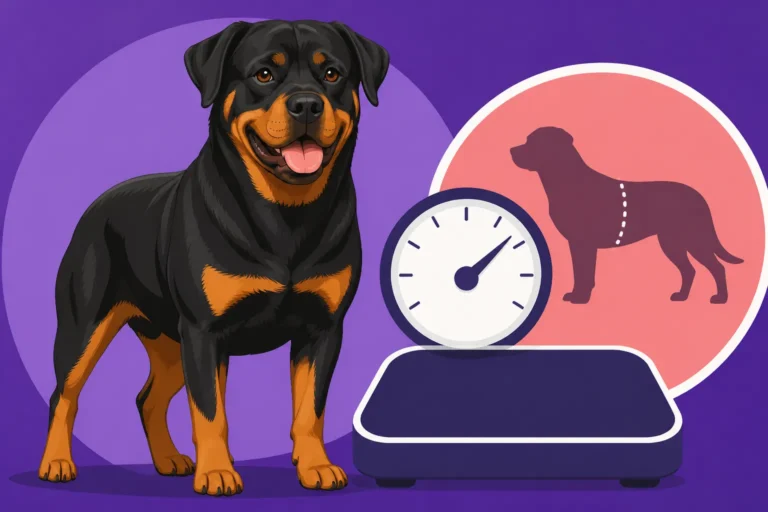
A fully grown male Rottweiler can easily weigh over 100 pounds, with some reaching closer to 130 or even 140 pounds. Females, while smaller, are still substantial, often topping 90 pounds. This isn't just weight; it's dense muscle, powerful jaws, and a solid frame. When a dog of this size gets excited, even an accidental bump or lean can send a smaller person, or even a teenager, sprawling. Imagine your teen running through the house, and your Rottweiler, in playful pursuit, misjudges a turn and collides with them. What might be a minor jostle from a smaller dog becomes a significant impact from a Rottweiler.
Then there's the mouth. Rottweilers have an incredibly strong bite, often cited with a pressure around What 328 Pounds of Bite Pressure Actually Does. While a well-socialized and trained Rottweiler uses a soft mouth in play, and their bite inhibition should be impeccable, the sheer strength of their jaws means that even playful mouthing can be painful if they get overstimulated. A puppy might mouth a hand in play, and it feels like a nibble. An adult Rottweiler, even when trying to be gentle, could inadvertently bruise or scratch a teen's skin if the play gets too frantic. We aren't talking about aggression here, but the simple, undeniable physics of a very large, strong animal.
Natural Play Styles and Boundaries
Rottweilers are working dogs, and their natural play often reflects their ancestral jobs. They might engage in body blocking, leaning, or even a gentle "herding" of family members, pushing them in a certain direction. This isn't aggressive behavior; it's part of their The Rottweiler Droving Instinct and Bumping. For a teenager who might be used to wrestling or roughhousing with friends, these behaviors can be misinterpreted. A playful shove from a Rottweiler, intended as an invitation to engage or as a natural expression of their instinct, could easily knock a teen off balance.
Consider a scenario where your Rottweiler is enjoying a good tug session with a sturdy rope toy – perhaps one you picked up from Chewy specifically designed for strong chewers. They are having a blast, shaking their head, pulling with all their might. If a teenager suddenly tries to take the toy without an established "drop it" command, or if the dog gets too revved up, the force of the pull could easily yank the rope from the teen's hand, possibly injuring their fingers or hitting them in the face. Their play, while often joyful, is full-contact and needs clear, consistent boundaries.
The Fine Line Between Play and Overstimulation
One of the biggest challenges with a strong, driven breed like the Rottweiler is recognizing when play is escalating from fun and appropriate to something more intense and potentially risky. What starts as a game of fetch can, for some dogs, quickly turn into a frantic chase if not managed. Overstimulation in a Rottweiler might manifest as overly vigorous mouthing, jumping up with full body weight, persistent barking, or even a sudden increase in speed and intensity that seems disproportionate to the game.
Imagine your teen playing with the dog in the backyard. The game is lively, and the dog is enjoying itself, but then the Rottweiler starts jumping repeatedly, maybe grabbing at clothing, or becoming difficult to disengage from the game. These are signs that the dog is becoming over-aroused. At this point, the dog's impulse control can diminish, making them less responsive to commands and more prone to accidental injury. It's crucial for both adults and teenagers to understand that a Rottweiler's play doesn't always involve the same cues for "too much" that human play does, and their size amplifies any misjudgment.
Bridging the Gap: Teenager Energy and Rottweiler Temperament
The energy of a teenager can be a fantastic match for a Rottweiler, providing companionship and exercise. However, the type of energy and interaction needs to be carefully aligned with a Rottweiler's unique temperament and how dogs perceive play. Misunderstandings between human and canine play styles are where many issues can arise.
Teenager Rough Play Expectations vs. Dog Reality
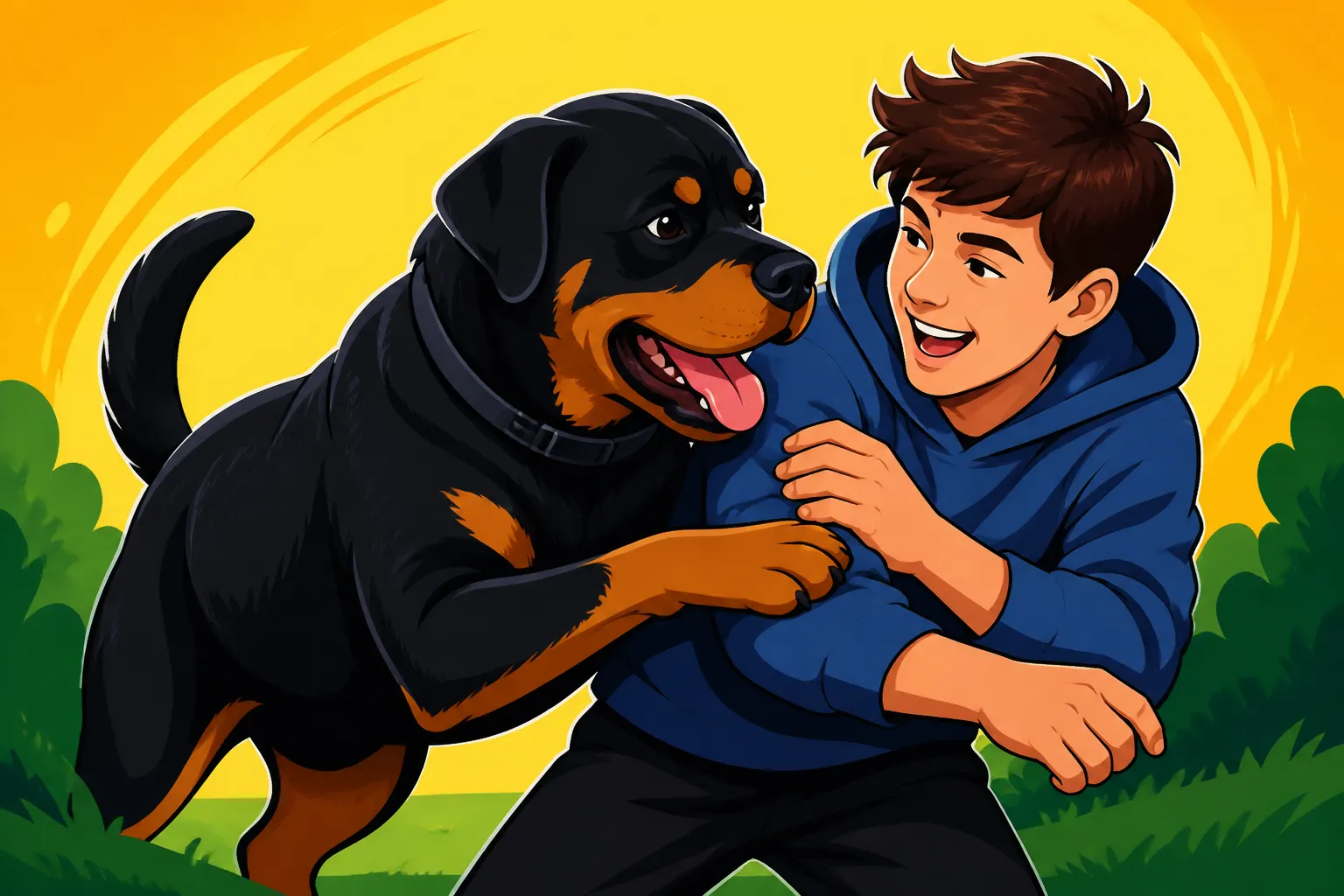
Teenagers often engage in boisterous, physical play with their friends: wrestling, mock-fighting, running, and tackling. They might naturally assume their Rottweiler wants to join in the same way. The problem is, a dog isn't another human. While some dogs tolerate or even enjoy a degree of rough-and-tumble, inviting a Rottweiler to "wrestle" can send a confusing message. Dogs don't understand the concept of a "fake fight." To them, a human engaging in wrestling or mock-aggression might be interpreted as a genuine challenge, a threat, or an invitation to an uncontrolled physical contest.
This can be particularly problematic because a Rottweiler, when engaged in what it perceives as a real physical challenge, will bring its full strength to bear. What starts as a playful push from a teen could lead to the dog pushing back with far more force, or even resorting to a firm mouth if it feels the need to defend itself or "win" the interaction. It's not about malice, but about canine communication and physical capability being vastly different from human interaction. This is why guiding teens to appropriate play is essential, such as using durable toys from Chewy for a game of fetch instead of direct body contact.
The Rottweiler's Self-Assured, Aloof Nature
Rottweilers are known for their confident, self-assured, and often reserved demeanor. They are not typically effusive greeters of strangers, preferring to observe and assess. This Rottweiler Aloofness and Why It Reads as Cold means that a sudden, boisterous approach from a teenager, especially a friend of the teen's who isn't a familiar family member, might be perceived as startling or even threatening by the dog. While they bond deeply with their family, they generally aren't the type to tolerate uncontrolled chaos with strangers.
If a teenager or their friends are running, screaming, and jumping around the house, a Rottweiler's guarding instincts might kick in. They might try to "break up" the perceived commotion through body blocking or barking. This isn't aggression, but an attempt to restore order from their perspective. It's vital that teenagers understand their Rottweiler's nature and learn to approach and interact in a calm, respectful manner. For example, teaching guests to ignore the dog initially until the dog offers an invitation to interact, and then to pet calmly, can make a huge difference.
Consistency in Training and Rules for All Family Members
One of the quickest ways to undermine a Rottweiler's training and create confusion is to have inconsistent rules. If one parent allows rough play and another doesn't, or if teenagers are allowed privileges that adults wouldn't dream of, the dog won't know what to expect. This inconsistency can lead to frustration and push boundaries, which can be dangerous with a powerful dog. Remember, Training a Rottweiler Before It Outweighs You applies to their entire lifespan.
Every member of the household, including teenagers and their friends, needs to be on the same page regarding the dog's rules. If the Rottweiler isn't allowed on the furniture, then no one should encourage it. If specific games are off-limits, that applies to everyone. This creates a predictable and secure environment for the Rottweiler, reducing anxiety and making them more reliable. It’s not about being harsh; it’s about being clear and fair, ensuring that the dog understands its place and boundaries within the family structure.
Implementing Safe Interaction Strategies
Creating a safe and harmonious environment where Rottweilers and teenagers can coexist and even thrive together requires proactive effort. It's all about clear communication, consistent boundaries, and teaching both parties how to interact respectfully and safely.
Establishing Clear Rules for Play
The first step is to sit down as a family and establish crystal-clear rules for how teenagers (and indeed, everyone) should interact with the Rottweiler, especially concerning play. Here are some key points:
- No Roughhousing or Wrestling: This is non-negotiable. No mock-fighting, no tackling, no physical wrestling games. Period. This prevents misinterpretation by the dog and accidental injury to the teen.
- Structured Tug-of-War (Optional): If you allow tug-of-war, it must be highly structured. Use a designated, strong tug toy (Chewy has a great selection of robust toys for power chewers). The game starts and stops on your command (or the teen's, if they are leading the session). The dog must release the toy immediately when asked. This teaches impulse control.
- Controlled Fetch and Retrieve: Games like fetch are excellent outlets for energy. Ensure the Rottweiler has a reliable "drop it" command and retrieves the toy to the person, not just drops it randomly. Avoid frantic, uncontrolled throwing that can lead to collisions.
- No Encouragement of Jumping: A Rottweiler jumping at 100+ pounds is a serious safety risk. Ensure no one, especially teens, encourages jumping or allows the dog to jump on them. Consistent "off" commands are vital.
By setting these boundaries, you're not just protecting your teen, but you're also protecting your dog from situations that could inadvertently put them in a bad light. Give your Rottweiler appropriate outlets, like a Rottweiler Chew Toys That Survive the Jaw, instead of encouraging physical contact that could lead to trouble.
Supervised Interactions and Active Management
Even with clear rules, supervision is key, particularly in the initial stages and with friends who are less familiar with your dog. An adult should always be present during any potentially high-energy interaction between a Rottweiler and teenagers, especially if new games are being introduced or if there are multiple children or guests present.
Active management means more than just being in the same room. It means paying attention to the dog's body language and the teenagers' actions. If play starts to escalate, or if the dog shows signs of becoming overstimulated (e.g., frantic movements, hard staring, persistent mouthing), the adult intervenes immediately. This could involve calling the dog for a "time out," redirecting to a calmer activity, or ending the play session altogether. It's about being the arbiter of safety and the enforcer of boundaries, preventing situations from getting out of hand before they even begin. This is especially true if you have a Rottweiler Puppy Play Biting With Children that needs careful monitoring.
Teaching Respectful Engagement
Perhaps the most important aspect is teaching teenagers how to respectfully engage with their Rottweiler. This means teaching them to read canine body language, understanding when the dog wants to interact versus when it needs space, and how to initiate interaction politely.
- Read the Room (and the Dog): Teach teens to recognize signs that the dog is relaxed and open to interaction versus signs of stress, discomfort, or overstimulation. A wagging tail isn't always an indicator of friendliness; a stiff body with a low, fast wag can be a warning. Rottweiler Whale Eye and Other Warning Signs can be subtle but important.
- Consent Test: Encourage teens to let the dog initiate contact. If the dog approaches calmly, a gentle pat behind the ears or on the chest is usually welcome. Teach them the "pet-pet-pause" rule: pet the dog a few times, then stop. If the dog leans in for more, continue. If it moves away, respect its choice.
- Use Commands: Encourage teens to use the dog's known commands during interaction. "Sit" for a treat, "down" for a calm pet. This reinforces the dog's training and builds the teen's authority in a positive way.
- Respect Meal and Rest Times: A Rottweiler, like any dog, should be left undisturbed while eating or sleeping. Teenagers need to understand this boundary explicitly to prevent potential resource guarding issues.
Recognizing and Preventing Escalation
Even with the best intentions and clear rules, situations can arise where a Rottweiler becomes overstimulated or uncomfortable. Knowing how to read the warning signs and de-escalate is critical to preventing accidents.
Reading Rottweiler Body Language
Rottweilers, like all dogs, communicate constantly through their body language. Teaching teenagers to interpret these signals is a vital safety lesson. Ignoring subtle cues can lead to a dog feeling unheard and escalating its warnings.
Here are some signs to teach your teens to watch for:
- Stiff Body Posture: A sudden rigidity, especially if the dog stops moving during play, can indicate tension.
- Hard Stare or Whale Eye: The dog might fix its gaze intensely, or you might see the whites of its eyes (whale eye), signaling stress or a warning. Reading a Still Rottweiler That Is Not Relaxed is a useful skill.
- Lip Licking, Yawning, Averting Gaze: These are appeasement gestures, often indicating stress or discomfort.
- Growling: This is a crucial warning signal that should never be punished. A growl is the dog saying, "I'm uncomfortable, back off." Punishing it teaches the dog to skip the growl and go straight to a bite. Why You Should Never Punish a Rottweiler Growl is a must-read.
- Freezing: Similar to a stiff body, a dog might freeze in place, often before reacting defensively.
- Raised Hackles: The hair standing up on the back of the neck or along the spine indicates arousal, which can be fear, excitement, or aggression.
These signals are the dog's way of saying, "I'm not okay with this" or "I'm about to lose control." Recognizing them early allows intervention before a situation escalates.
De-escalation Techniques for Teenagers
If a teenager notices any of the warning signs, or if they feel uncomfortable with how play is progressing, they need to know exactly what to do to de-escalate the situation safely.
- Freeze and Disengage: The first and most important rule is to stop all interaction immediately. Freeze in place, avoid eye contact, and slowly turn your body sideways.
- Create Space: If possible, calmly walk away from the dog. Do not run, as this can trigger a chase instinct.
- Call for Adult Help: Teach teens that if they ever feel unsafe or unsure, their immediate action should be to call for an adult. This removes the pressure from them and brings in someone with more experience.
- Redirection: An adult can then calmly redirect the dog to a known command (like "sit" or "down") or to a designated "place" where it can settle.
- Never Punish: Emphasize again that punishing a dog for growling or showing discomfort will only make future warnings less obvious, increasing risk.
The goal is to teach teens to recognize their own limits and the dog's, and to have a clear plan for safely ending interaction when needed.
Proactive Training for Impulse Control
Beyond specific play rules, a well-trained Rottweiler with strong impulse control is a safer Rottweiler, especially in a bustling household with teenagers. Commands like "leave it," "stay," "off," and a solid "settle" command are invaluable.
- "Leave It": This command is critical for preventing the dog from grabbing dropped items, jumping on people, or interacting inappropriately with objects. Practice this with increasingly tempting distractions, rewarding success.
- "Stay" and "Wait": These commands teach patience and control, particularly useful when guests arrive or when the family is eating. A dog that can "wait" calmly for permission to greet or eat is a much more manageable companion.
- "Off": Essential for preventing jumping on people or furniture. Consistent application by everyone in the household is key.
- "Settle" or "Place": Teaching your Rottweiler to go to a designated spot (like their bed or crate) and relax can be a lifesaver during times of high activity or when you need the dog to be out of the way. Reward calm behavior in this spot.
Consider enrolling your Rottweiler in advanced obedience classes, or even exploring Rottweiler Impulse Control Games at home. Consistency, positive reinforcement, and patience from all family members, including teenagers, will build a reliable dog that understands boundaries and responds calmly, making interactions safer and more enjoyable for everyone. Even simple exercises with treats from Chewy can reinforce good behavior and impulse control.
| Interaction Type | Recommended for Rottweilers & Teens | Why or Why Not |
|---|---|---|
| Tug-of-War (controlled) | Yes, with strict rules | Builds bond, provides outlet for natural drive. MUST be supervised. Teen starts/stops game, dog must release on command. Use appropriate, strong toys. |
| Wrestling/Roughhousing | No | Can lead to overstimulation, accidental injury due to size/strength, and challenges the dog's understanding of human vs. canine hierarchy or intent. Dog doesn't understand "play fighting." |
| Chase Games (short, structured) | Yes, with rules | Good exercise, but dog must have reliable recall. Avoid frantic, uncontrolled chasing that can trigger excessive prey drive or lead to collisions. Keep it brief and focused. |
| Fetch/Retrieve | Yes | Excellent mental and physical exercise, teaches impulse control (e.g., waiting for the throw). Use durable balls or toys appropriate for their jaw strength. |
| Body Blocking/Leaning | No (unless initiated by dog, then gently acknowledge) | While natural for Rottweilers, if initiated by the teen, it can be misconstrued as challenging or pushy, potentially leading to defensive reactions or unwanted pressure. |
| High-pitched squealing/yelling | No | Can over-excite or startle the dog, potentially leading to frantic behavior, jumping, or even defensive reactions if perceived as a threat. Teach calm voices. |
| Giving commands/training | Yes | Reinforces dog's training, builds teen's confidence and the dog's respect for them as a handler. Use positive reinforcement and clear cues. |
| Snuggling/Calm Petting | Yes, with dog's consent | Builds trust and bond. Teach teens to recognize when the dog wants space and to approach calmly. Focus on areas the dog enjoys (e.g., chest, shoulders). |
Disclaimer
This article is for general informational purposes only and does not constitute professional advice. Laws, prices and regulations vary by location and change over time. Consult a qualified professional for guidance on your specific situation.