Crating a Rottweiler That Will Triple in Size
Crate training for a Rottweiler puppy provides a safe den, aids house training, and stops destructive chewing as the dog grows.
Work with the temperament you have.
House-training and crate work, recall, leash manners, separation anxiety, and the behaviors this breed is wired for.

Crate training for a Rottweiler puppy provides a safe den, aids house training, and stops destructive chewing as the dog grows.

Rottweiler bumping behavior stems from historical cattle droving instincts. This text explains managing and redirecting physical assertiveness safely.
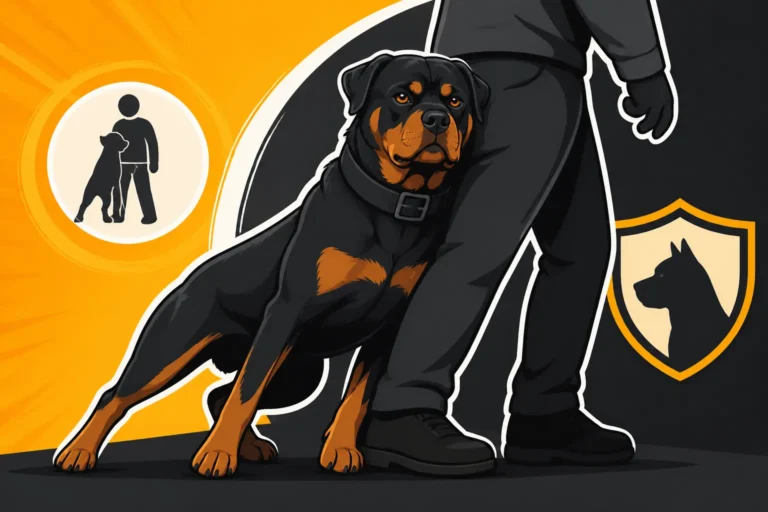
Rottweiler leaning and body blocking stem from herding instincts, reflecting both deep affection and protective assertion in dogs.

Rottweiler recall training methods teach owners how to build reliable obedience and keep their dogs safe during adolescence.
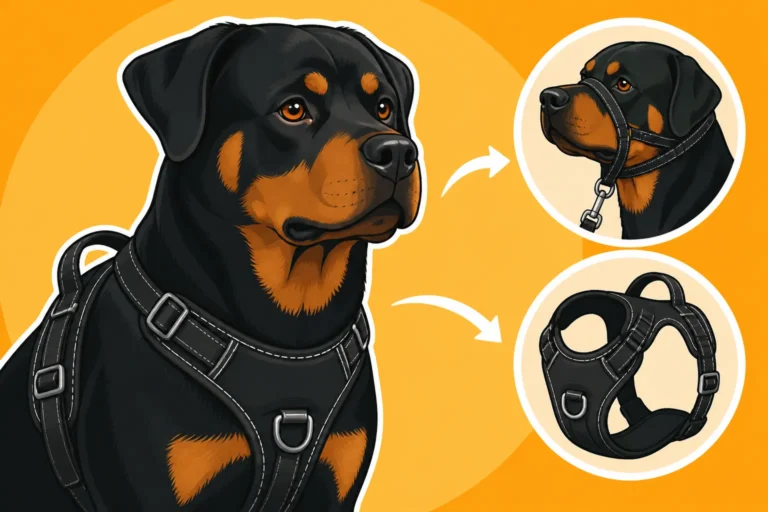
Harnesses and head halters for a hundred-plus-pound Rottweiler prevent neck strain and skeletal damage during daily leash walks.
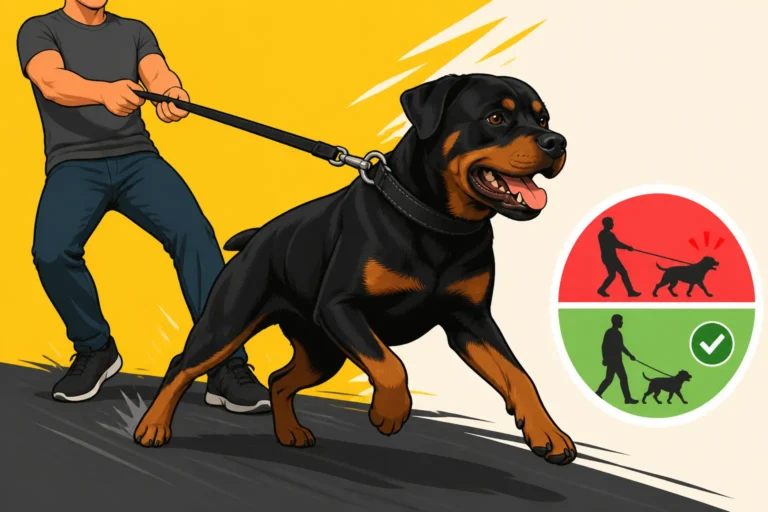
Rottweiler leash pulling creates physical strain and limits daily life, but practical strategies transform walks into loose-leash strolls.

Rottweiler puppies grow from twenty pounds to over one hundred pounds, risking accidental injury to young household children.

Rottweiler introductions to other dogs require understanding natural guarding instincts, same-sex aggression risks, and proper socialization.

Rottweiler puppy socialization before sixteen weeks builds lifelong confidence and prevents fear, anxiety, or aggression.

Rottweiler doorway guarding behaviors stem from ancestral instincts, territory control, or anxiety, requiring empathetic steps to manage.