Trainers Who Will Take On a Rottweiler
Rottweiler training requires finding qualified professionals who understand the immense strength and loyal temperament of this breed.
Work with the temperament you have.
House-training and crate work, recall, leash manners, separation anxiety, and the behaviors this breed is wired for.

Rottweiler training requires finding qualified professionals who understand the immense strength and loyal temperament of this breed.

Rottweiler protection sport training requires rigorous obedience and discipline, distinguishing structured competitive sports from natural guarding instincts.
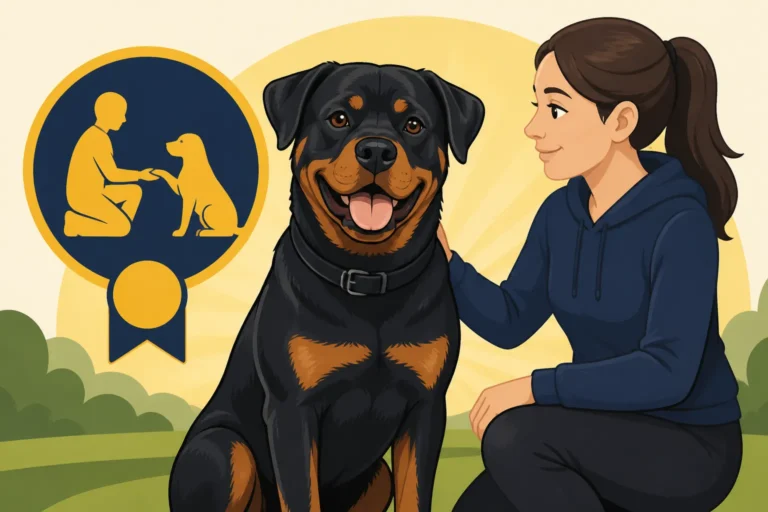
The Canine Good Citizen certification proves Rottweiler good manners, changes public stereotypes, and ensures community safety.
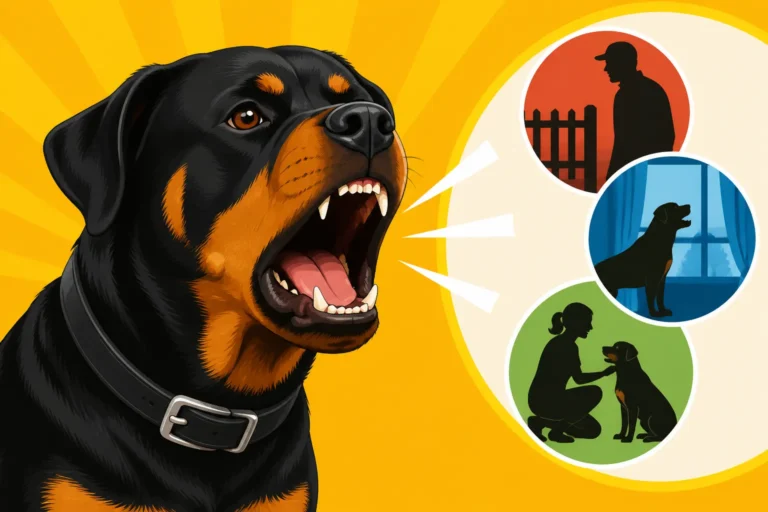
Rottweiler barking behaviors, including guarding instincts and communication signals, explained with management strategies to reduce excessive noise.
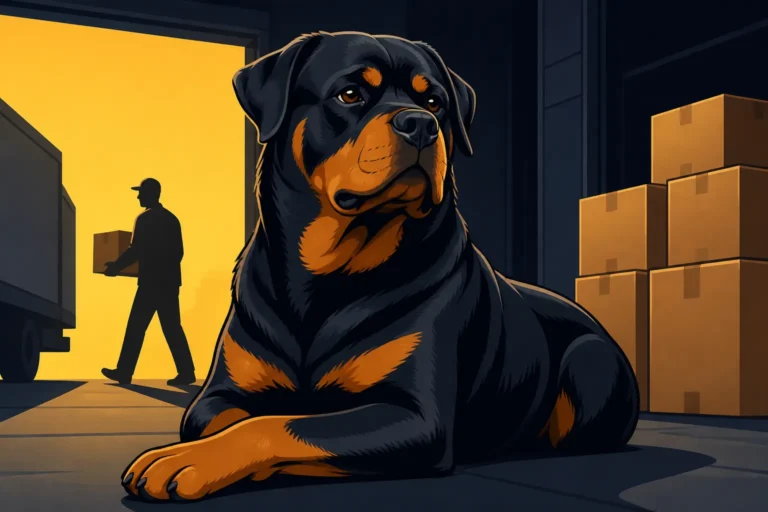
Rottweiler intelligence and working dog instincts explain why alone time leads to destructive furniture chewing and barking.
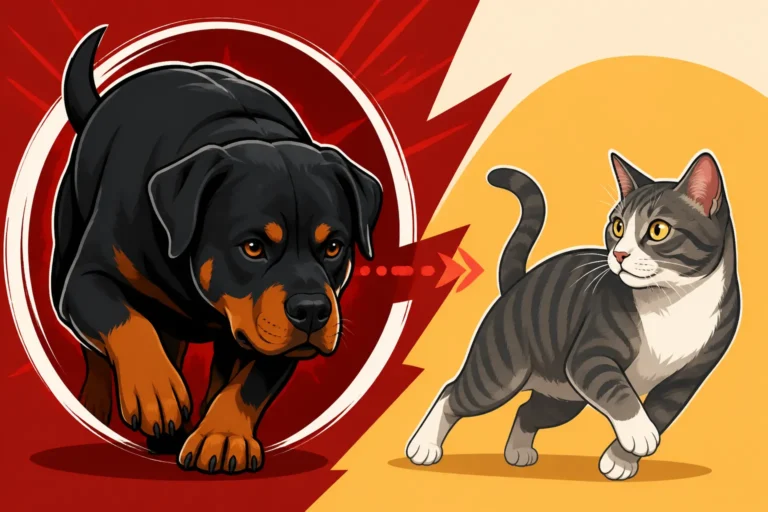
Rottweiler prey drive behavior involving cats stems from ancestral herding instincts and requires understanding and management to ensure safety.

Same-sex aggression in Rottweilers explains why same-sex dogs fight, identifying common triggers and prevention strategies for owners.
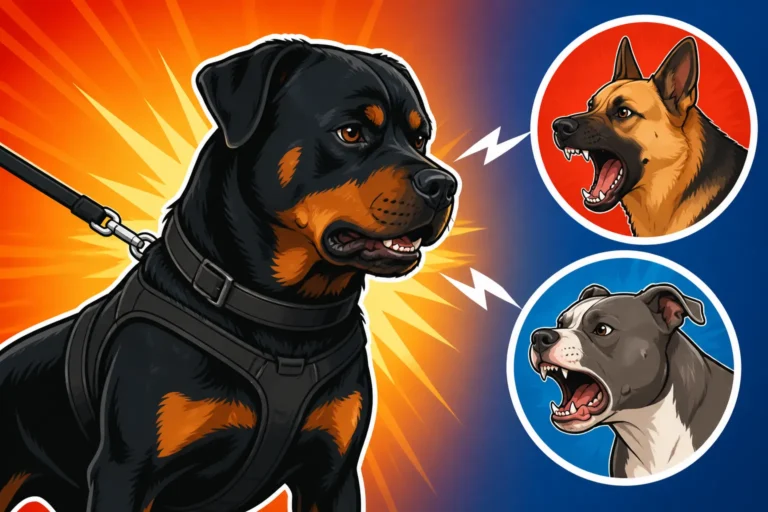
Rottweiler reactivity toward other dogs stems from fear, frustration, pain, or guarding instincts, requiring management and practical steps.
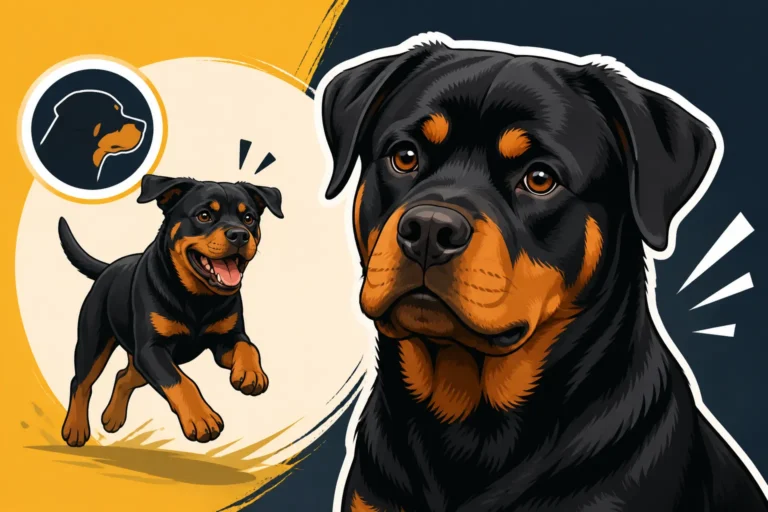
Eight-month Rottweiler adolescence causes boundary testing and hormonal changes, requiring patience, consistency, and ongoing training.
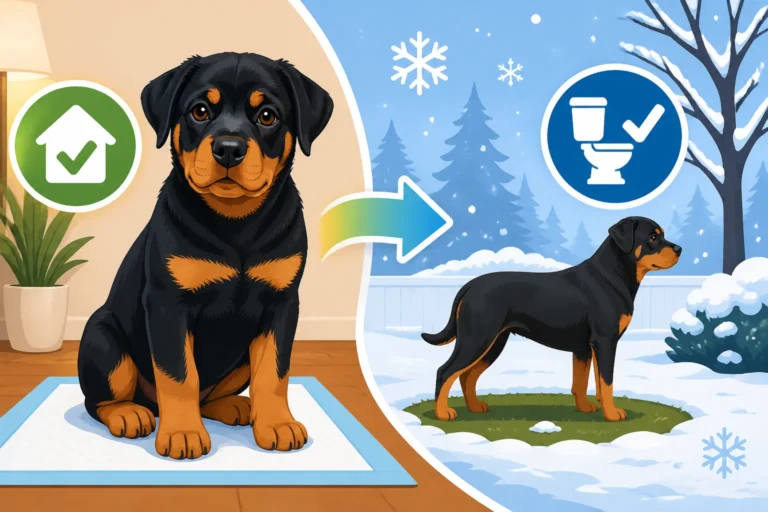
Winter house training for a Rottweiler involves managing snow, ice, and cold weather hurdles to prevent indoor accidents.