The Rottweiler’s Job Before the Railways Arrived
Roman drover dogs managed massive cattle herds for legions and medieval markets before railways transformed the working breed.
Is this the right one for you?
Origins and temperament, size and coat, what living with one is actually like, and how it compares to the breeds people weigh against it.
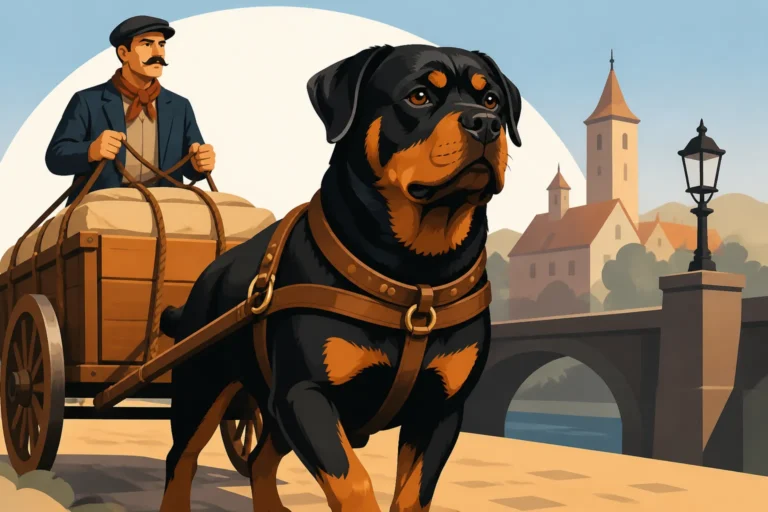
Roman drover dogs managed massive cattle herds for legions and medieval markets before railways transformed the working breed.
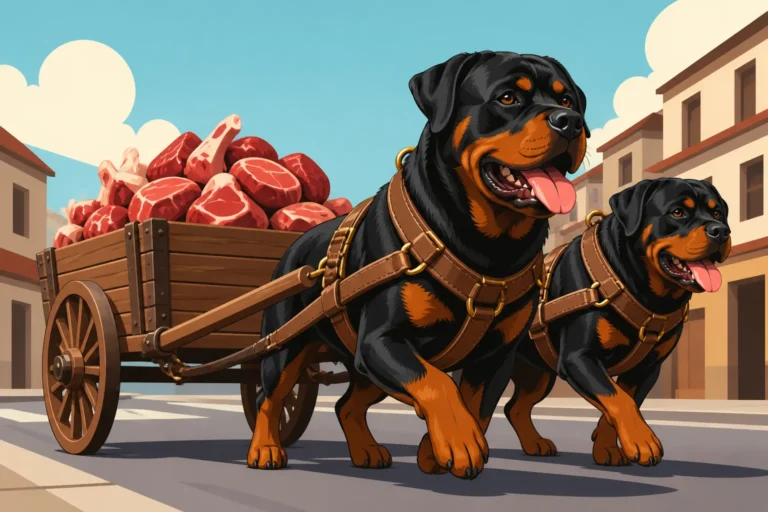
Rottweiler carting history explains how German butcher dogs pulled heavy meat carts and guarded valuable money for traders in Rottweil.
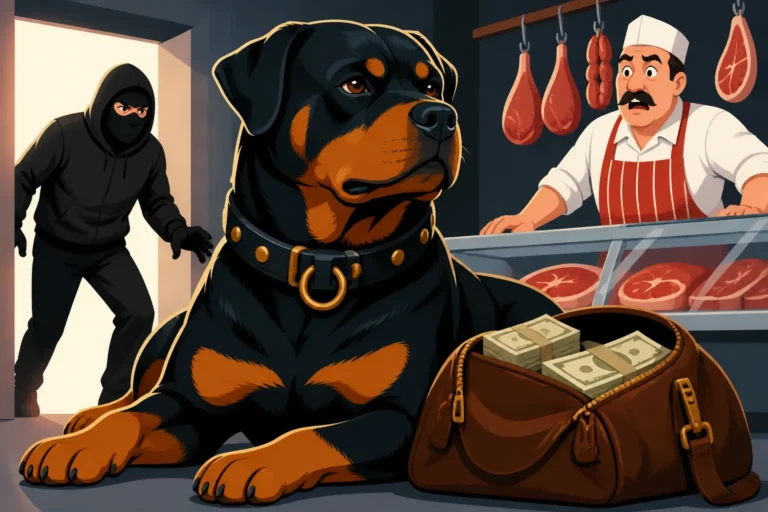
Rottweiler guard dogs in Rottweil Germany carried leather money pouches on their collars and protected butchers against dangerous thieves.
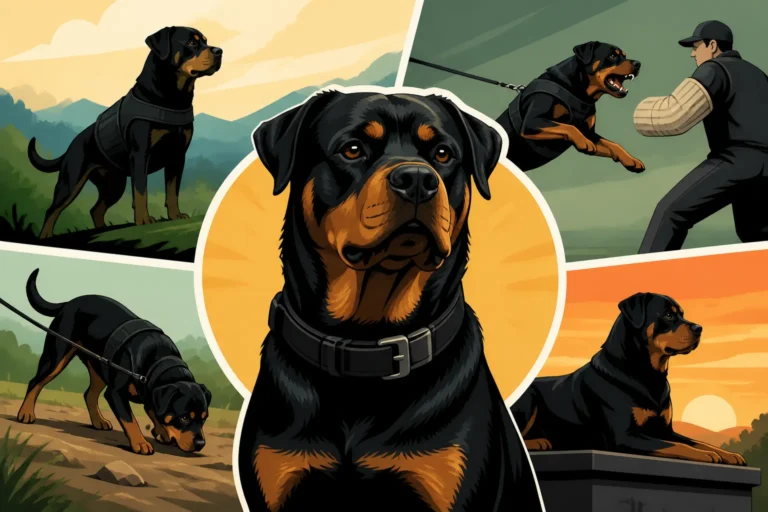
The Metzgerhund guarded livestock droves on treacherous roads and protected butcher stalls in busy market towns.
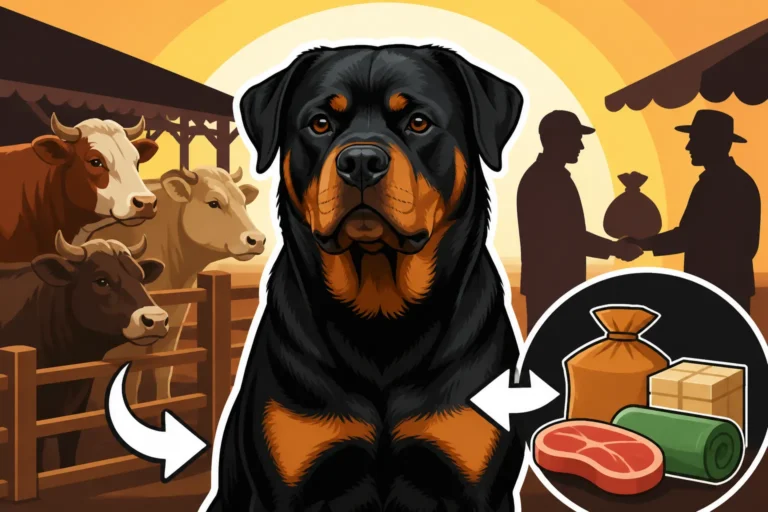
Rottweil cattle market history explains what goods, including livestock, were traded there during the Middle Ages.

The German town of Rottweil gave its name to the dog breed because Roman legions brought cattle droving dogs there two millennia ago.
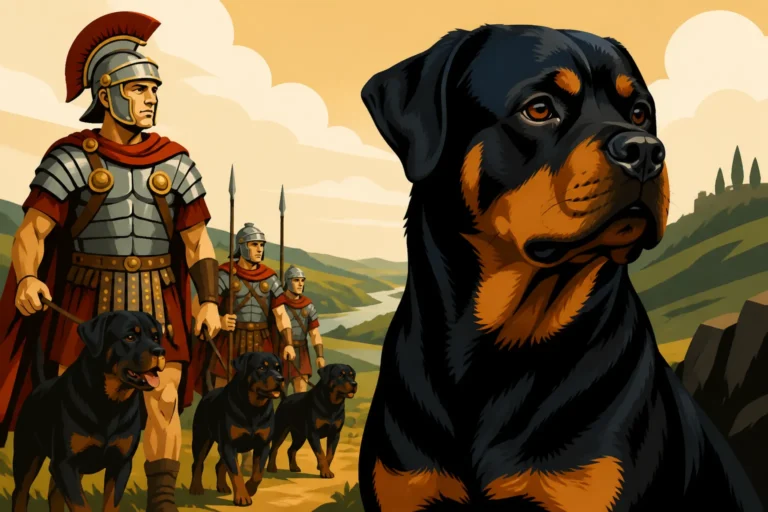
Roman drover dogs traveled with legions across the Alps to establish the ancient origins of the Rottweiler breed.

The Rottweiler breed descends from the powerful Molossus type, an ancient Roman working dog and livestock drover.
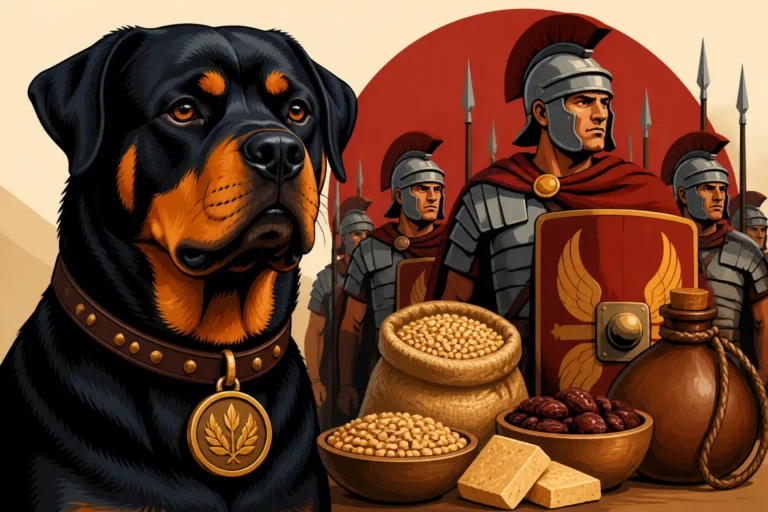
Roman legionary diets consisted of wheat, barley, legumes, and salt, while drover dogs traveled with herds of livestock.
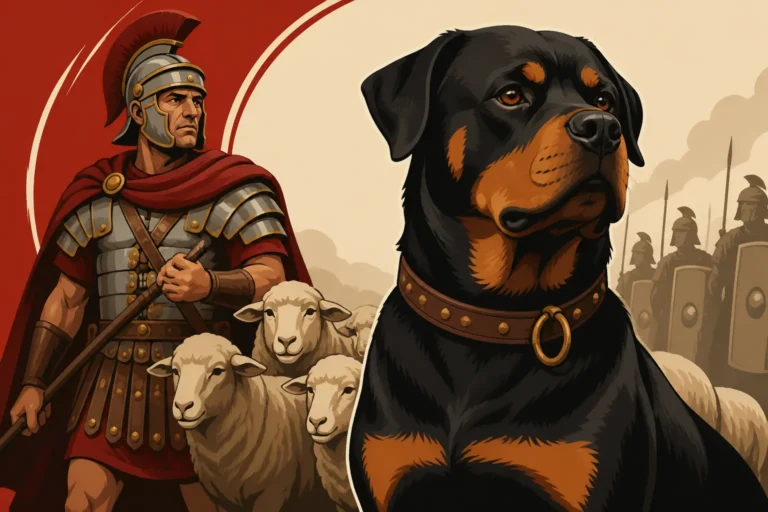
Ancient Roman legions used powerful drover dogs to manage live cattle herds and supply marching armies with fresh meat.