Rottweilers Compared With Other Guarding Breeds
Rottweiler temperament and genetic traits compared with other popular guarding breeds to help choose your family dog.
Is this the right one for you?
Origins and temperament, size and coat, what living with one is actually like, and how it compares to the breeds people weigh against it.

Rottweiler temperament and genetic traits compared with other popular guarding breeds to help choose your family dog.

German and American Rottweilers share history and heritage, but differ in regional breeding philosophies and regulations.

Rottweiler breed popularity rankings by the American Kennel Club reveal public interest, registration statistics, and enduring household appeal.

Rottweiler working roles in police, search and rescue, and therapy show their intelligence, trainability, and calm confidence.

Rottweiler ownership demands assessing breed temperament, working drives, and stranger wariness to match household lifestyles safely.

The breed standard calls for a short, coarse, dense black coat with clearly defined rust or mahogany markings, tied to working heritage and genetic traits.

Rottweiler temperament, shaped by centuries as Roman drover dogs and German butcher dogs, creates loyal and protective working partners.
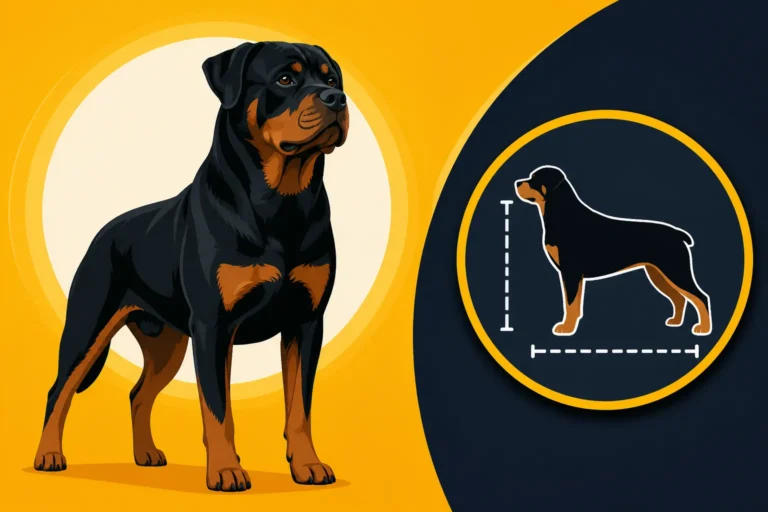
Rottweiler size standards set by the American Kennel Club explain physical dimensions, health implications, and working capabilities.

Roman drover dogs and German breeds interbred in Rottweil, creating working dogs that managed livestock and guarded trade routes.

The Rottweiler history traces the breed from Roman cattle drovers to modern AKC companions through centuries of work in Germany.