Why Protection Training Can Backfire on a Rottweiler
It's completely understandable to feel a strong desire to protect your family and home, and with a powerful breed like a Rottweiler, the thought of formal protection training can feel like a natural extension of their protective instincts. Many people look at their magnificent Rottweilers and think, "Surely, with some specialized training, they could be the ultimate guardian." While a Rottweiler is a natural guardian, formal protection training, especially when pursued by the average pet owner, often carries significant risks and can actually backfire, creating more problems than it solves. This guide will help you understand the true nature of protection training, its potential pitfalls, and how to harness your Rottweiler's inherent protective qualities safely and responsibly.
Understanding What "Protection Training" Truly Means
When most people think of "protection training," they envision a dog that can instantly assess a threat, deter it, and, if necessary, defend. In reality, the world of protection training is incredibly nuanced and often very different from what owners imagine, particularly when comparing sport with actual real-world application.
Sport vs. Real-World Application
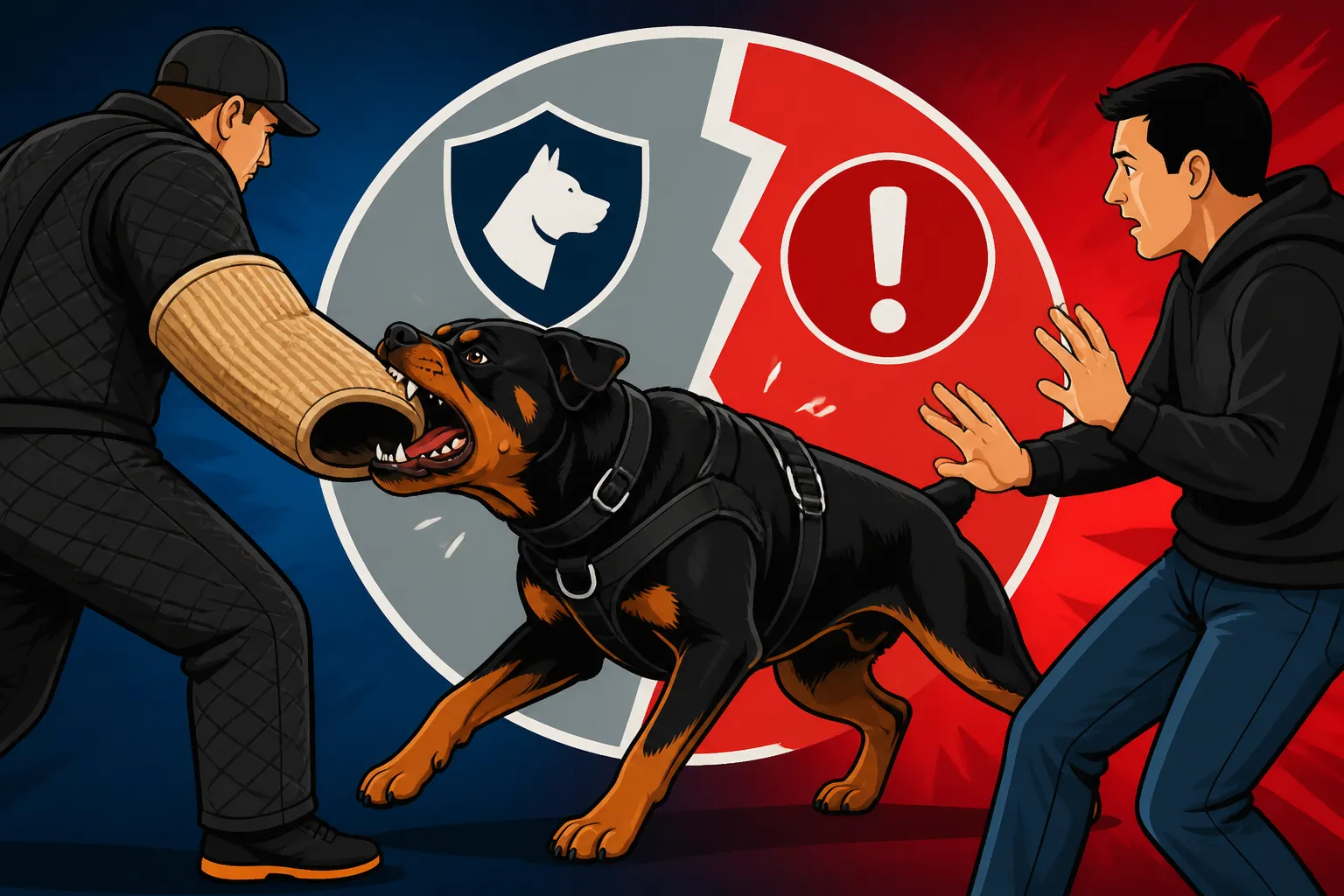
There’s a significant difference between sport protection work and training a dog for real-world personal or property protection. Sport protection, like Schutzhund (now more commonly known as IGP), IPO, or Ring Sport, involves highly structured, rule-bound exercises where dogs learn to bite a padded sleeve or suit worn by a decoy. These events are about control, obedience, and athleticism, demonstrating the dog's courage and trainability under extreme pressure. The dog learns to engage and disengage on command, showing immense handler control.
A Rottweiler excelling in these sports isn't necessarily being trained to attack an intruder indiscriminately. In fact, precisely the opposite is true: they are trained for controlled aggression that is entirely handler-directed. They perform a specific sequence of behaviors on command within a very defined context. This is a highly specialized skill, often requiring years of training with expert handlers and professional decoys. It's an athletic endeavor, a demonstration of a finely tuned working dog.
On the other hand, real-world personal or property protection training is far less predictable and much more dangerous if not handled by professionals with deep experience in law enforcement or military K9s. The real world doesn't have decoys in padded suits or clear rules. A dog trained to bite for "real" without impeccable control, discernment, and constant maintenance training can become an immense liability.
The Intense Commitment Required
Formal protection training isn't something you dabble in. It demands an extraordinary commitment of time, money, and consistent effort. We're talking multiple training sessions per week, often traveling to specialized facilities with experienced decoys and trainers. This isn't just about teaching a dog to bite; it's about building an entire framework of obedience, nerve, and control around that bite.
The cost can be staggering, encompassing training fees, specialized equipment, and potentially travel. More importantly, the time investment required to maintain this level of training throughout a Rottweiler's life is immense. If the training isn't consistently reinforced, the dog's responses can become unreliable, dangerous, or both. Think about the precision required for a police K9; that level of consistency comes from daily, rigorous training by dedicated professionals. An average pet owner simply can't replicate that environment or expertise.
It's Not About Making Your Dog Aggressive
A common misconception is that protection training makes a dog aggressive. A truly well-trained protection dog, whether for sport or legitimate working roles, is actually less likely to be indiscriminately aggressive. Their training emphasizes control, clear decision-making, and responding only to specific commands or genuine, unambiguous threats. A good protection dog needs to be confident and stable, not fear-aggressive or reactive. Rottweiler Reactivity Toward Other Dogs is a separate issue entirely, typically stemming from fear or poor socialization, and it's the opposite of what a protection trainer wants to cultivate.
The goal is to channel a dog's natural drives and territorial instincts into a highly controlled skill. If a dog is already unstable, fearful, or overtly aggressive, legitimate protection trainers will refuse to work with them because it's too dangerous to try and add bite work to an already unsound temperament. They'll tell you to go back to square one with basic obedience and behavior modification.
The Rottweiler's Natural Guarding Instinct
Rottweilers were bred to be guardians, drovers, and protectors. Their ancestors, the Roman drover dogs, guarded cattle and butchers' money. This strong guarding instinct is deeply ingrained in the breed's DNA, and it's one of their most beloved and respected traits. However, this natural instinct is distinctly different from formalized protection training.
Inherent Drive vs. Trained Response
A Rottweiler’s natural guarding behavior usually manifests as a strong territorial sense, a watchful demeanor, and a tendency to evaluate strangers before accepting them. They might bark deeply, stand between you and a perceived threat, or body block. This "wait and see" attitude, which might sometimes be perceived as Rottweiler Aloofness and Why It Reads as Cold, is actually a sign of a stable guardian taking in information before reacting. They are naturally discerning.
Formal protection training, on the other hand, teaches a specific trained response involving bite work and aggression on command. It's about conditioning a dog to perform a specific physical action, not just to deter with presence. When an owner tries to overlay this kind of explicit training onto a naturally protective dog without professional guidance, they risk overriding the dog's natural discernment and turning an instinctively protective dog into an unpredictably aggressive one.
Think of it this way: your Rottweiler naturally knows how to be a bouncer. Formal protection training is like giving that bouncer a specific martial arts technique and telling them exactly when and how to use it. Without a highly skilled martial arts instructor and constant practice, that technique becomes a liability.
The Fine Line Between Confidence and Reactivity
A truly confident Rottweiler is a joy to behold. They are self-assured, calm, and rarely rattled. They exude an air of "I've got this." This confidence, combined with their imposing presence, is often enough to deter most would-be threats. People naturally give a confident, well-behaved Rottweiler a wide berth.
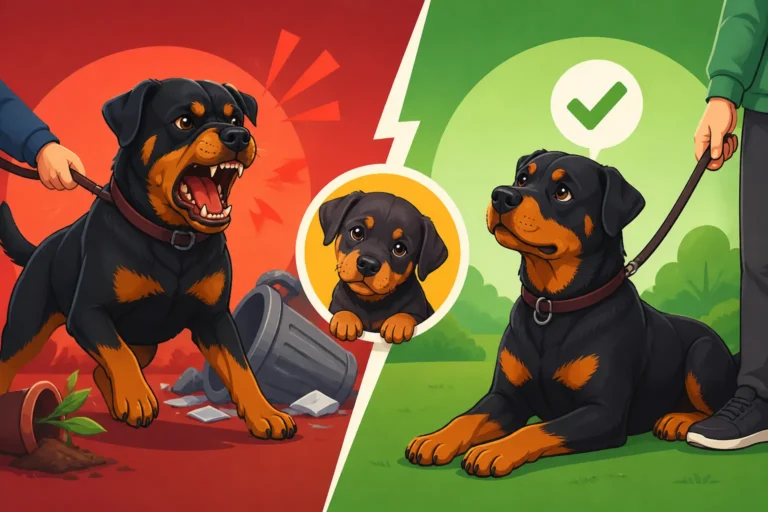
The danger comes when owners, in an attempt to enhance protection, inadvertently foster reactivity or insecurity. Pushing a Rottweiler too hard, too fast, or without the proper foundation can make them more reactive, not more controlled. A reactive dog barks, lunges, or acts out of fear or overstimulation, not calm discernment. This is a massive problem for a large, powerful breed. If you're struggling with behaviors like Rottweiler Reactivity Toward Other Dogs, adding protection training is akin to pouring gasoline on a fire. The goal should always be to build a dog's confidence and stability through consistent training and positive experiences, not to amplify their anxieties into aggression. Programs like those offered by BAXTER & Bella can provide excellent foundational positive reinforcement training to build that crucial confidence from puppyhood.
Reading Your Rottweiler's Cues
One of the most critical skills for any Rottweiler owner is learning to read their dog's body language. A natural guardian will often display subtle cues long before any overt aggression. A stiff posture, a lowered head, a direct stare, or even a deep, rumbling The Rottweiler Grumble That Is Not a Growl can indicate they are assessing a situation. Ignoring these subtle warnings or, worse, encouraging aggressive displays, can lead to dangerous misunderstandings.
For instance, a Rottweiler might "freeze" or become still when a stranger approaches too closely. Many owners might interpret this as calm, but a knowledgeable owner knows that Reading a Still Rottweiler That Is Not Relaxed is vital. It means the dog is on alert, weighing its options. Encouraging a dog to ignore these internal cues and instead rely solely on a "command to bite" can create a dog that suppresses its natural warnings, making its eventual reaction seem sudden and unpredictable. Your Rottweiler's natural ability to communicate discomfort is a gift; learn to understand and respect it.
Common Pitfalls for the Average Owner
The romanticized idea of a "protection dog" often blinds owners to the very real and severe consequences of engaging in formal bite work without the necessary expertise, environment, or lifestyle. For the average family, these pitfalls can be catastrophic.
Liability and Legal Ramifications
This is perhaps the most significant risk. If your Rottweiler bites someone, even if you believe it was justified, you are likely to be held liable. When a dog has been specifically trained for protection or bite work, that liability skyrockets. Courts often view such training as evidence that the owner intended the dog to be dangerous, regardless of the circumstances. This can lead to massive lawsuits, potential criminal charges, and the agonizing decision of whether your dog can be allowed to live.
Many homeowner's insurance policies have specific breed restrictions, and even if they don't, they will almost certainly deny coverage if your dog has a history of bite training or aggression. Homeowners Insurance When You Own a Rottweiler is already complex; adding protection training can make it impossible to get or keep coverage. An umbrella policy might offer some additional protection, but it won't prevent the immediate legal and emotional fallout. Beyond personal injury, consider the legal consequences if your dog bites another animal. The risks are simply too high for most residential settings.
The Danger of Misinterpretation
Humans are notoriously bad at consistency, especially in high-stress situations. What happens if you give a command to "protect" or "bite" in a situation that a court or local animal control officer later deems unjustified? What if a child, a delivery driver, or a maintenance worker is perceived as a threat by a dog whose protective instincts have been amplified by training, but without the discerning human control that elite K9 handlers possess?
The risk of your dog misinterpreting a playful gesture, a startled reaction, or an innocent approach as a genuine threat increases when they've been specifically conditioned for bite work. Without the constant vigilance and precision training of a professional handler, that fine line between appropriate defense and unwarranted aggression can become dangerously blurred. A simple walk could turn into a tragedy if a dog reacts to an unexpected movement or sound from a stranger.
Impact on Daily Life and Socialization
A Rottweiler engaged in formal protection training will have a drastically different life than a well-adjusted family pet. Their socialization will be highly controlled, as every interaction must be carefully managed to prevent accidental triggers or to reinforce undesired behaviors. Taking them to public places, having guests over, or even routine vet visits can become fraught with anxiety and potential danger.
- Visitors: Having friends or family over becomes a calculated risk. Can your dog distinguish between a welcome guest and an intruder? What if a guest makes a sudden movement or raises their voice in excitement?
- Children: While many Rottweilers are wonderful with their own family's children, introducing protection training adds a layer of complexity. What if a child's friend roughhouses too vigorously and your dog misinterprets it? Rottweiler Puppy Play Biting With Children is something you train out; protection training trains in a highly specific form of biting.
- Public outings: Simple trips to the park or a pet supply store become exercises in vigilance. The dog's appearance might already cause apprehension in some, but the knowledge of bite training exacerbates this for owners and the public alike.
- Veterinary care: A dog trained for bite work may be difficult to handle for routine vet exams, vaccinations, or even emergency care, as they might perceive the vet or vet tech as a threat. Muzzle training a Rottweiler, purely for cooperative care, is a crucial skill for all owners, regardless of training choices, but it becomes even more critical for a protection-trained dog. You can find excellent resources on Amazon for soft muzzles and training treats to make muzzle conditioning a positive experience.
It's a huge shift from having a beloved family member to essentially living with a highly specialized, always-on security system that requires constant management. The quality of life for both the dog and the family can significantly diminish under such pressure.
| Feature | Formal Protection Training (Pet Owner) | Responsible Guarding (Natural Instinct) |
|---|---|---|
| Goal | Teach specific bite work on command, often for sport or highly controlled personal defense. | Harness natural protective instincts; deterrence through presence, barking, and body language. |
| Risk of Liability | Extremely High: Intentional training for aggression can be viewed as negligence or malice. | Moderate: Still high due to breed, but usually less severe if bites are reactionary/untrained. |
| Required Expertise | Professional trainer, experienced decoy, deep understanding of dog behavior and specific drives. | Consistent basic and advanced obedience, extensive socialization, handler's ability to read dog's cues. |
| Cost & Time | Very High: Continuous, specialized training sessions, equipment, potential travel. Lifelong commitment to maintenance. | Moderate: Investment in quality basic training, ongoing socialization, good equipment. |
| Dog's Temperament | Must be exceptionally stable, confident, and highly biddable to avoid uncontrolled aggression. | Confident, well-socialized, and obedient. Natural discernment is key. |
| Social Impact | Limited social interactions, high vigilance in public, potential fear from others, restrictive lifestyle. | Can be socialized widely; acceptance depends on individual dog and owner's commitment to good manners. |
| Outcome if Poorly Executed | Unpredictable aggression, severe legal consequences, potential euthanasia. | Reactivity, fear-based aggression, resource guarding, nuisance barking if not properly managed and socialized. |
| Effectiveness | Potentially effective in specific, controlled scenarios; dangerous and unreliable in unpredictable real-world situations for pet owners. | Highly effective as a deterrent for most threats due to size, appearance, and assertive presence, plus clear barking. |
Building a Secure and Confident Rottweiler Without Protection Training
So, if formal protection training is fraught with peril for the average owner, what can you do to ensure your Rottweiler fulfills its role as a magnificent guardian safely and effectively? The answer lies in foundational training, extensive socialization, and channeling their natural instincts constructively.
Foundation of Obedience and Socialization
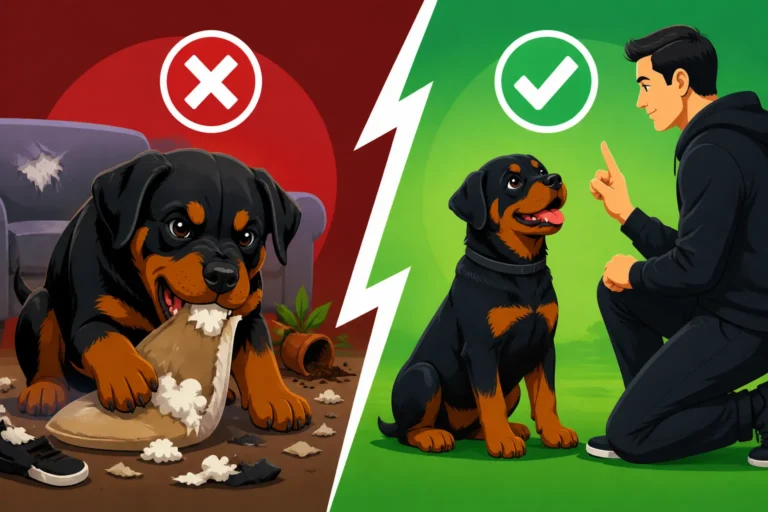
A well-trained Rottweiler that is reliably obedient in all situations is your best defense. This means solid recall, a bomb-proof "leave it," a rock-solid "stay," and excellent leash manners. Training a Rottweiler Before It Outweighs You is not just a suggestion, it's a critical imperative. A 100-pound dog needs to listen, every single time.
Invest in professional obedience classes from a reputable trainer who understands large working breeds. BAXTER & Bella offers online programs that can help you build this foundation from puppyhood, making sure your Rottweiler is a polite and responsive member of society.
Equally important is comprehensive socialization. Socializing a Rottweiler Puppy Properly involves exposing your puppy to a wide variety of sights, sounds, people, and appropriate dog interactions during their critical developmental window (up to 16 weeks). This helps them learn what is normal and not to be feared, building confidence rather than reactivity. A dog that is confident and comfortable in various environments is far less likely to react aggressively out of fear or uncertainty.
Channeling Natural Instincts Positively
Rottweilers thrive when they have a "job" to do, and that doesn't have to mean biting. There are numerous ways to engage their powerful bodies and minds:
- Obedience and Rally: These sports require focus, precision, and teamwork, channeling their drive for purpose and partnership.
- Tracking and Nose Work: Rottweilers have excellent noses. These activities tap into their natural scenting abilities and provide immense mental stimulation.
- Carting and Draft Work: True to their historical roots as drovers and carting dogs, many Rottweilers enjoy pulling weight. This is a controlled, safe way to engage their strength and build muscle. Rottweiler Carting and Draft Work is a fantastic activity that celebrates their heritage.
- Therapy Work: A well-socialized, calm, and confident Rottweiler can make an incredible therapy dog, offering comfort and support to those in need. This is a testament to their gentle nature with people they trust. Therapy Dog Certification for a Rottweiler is a rigorous but rewarding path.
- Agility (with caution): While they are heavy, some Rottweilers enjoy agility on a limited basis, provided it's approached with an understanding of Rottweiler Agility and Its Joint Cost and proper conditioning.
Giving your Rottweiler a job keeps them happy, stimulated, and less likely to invent their own "jobs" like excessive barking or guarding. Puzzle feeders (you can find many options on Amazon) and interactive toys also provide mental enrichment that prevents boredom.
The Best Defense is a Good Offense of Training
Ultimately, the most effective protection your Rottweiler can offer comes from being a well-mannered, confident, and highly obedient dog with a strong presence. A Rottweiler who is calmly sitting by your side, attentive to your commands, and projecting an aura of self-assurance is a powerful deterrent. Most individuals with ill intent are looking for an easy target; a large, well-controlled Rottweiler is anything but.
Your dog's ability to bark a strong warning when a stranger approaches the door, or to calmly sit beside you while you assess a situation, is often all the "protection" you truly need. This comes from consistent training, proper socialization, and a strong bond of trust between you and your dog, not from teaching them to bite. Empower your Rottweiler with the skills to be a magnificent, discerning companion and guardian through positive reinforcement and a clear understanding of boundaries. This approach ensures safety, preserves your dog's wonderful temperament, and keeps you out of legal hot water.
Disclaimer
This article is for general informational purposes only and does not constitute professional advice. Laws, prices and regulations vary by location and change over time. Consult a qualified professional for guidance on your specific situation.