Whether Rottweiler Aloofness Can Be Trained Away
It’s a common scenario for Rottweiler owners, or those considering bringing one into their lives: you introduce your beloved dog to a new person, perhaps a friend or family member, and instead of a wagging tail and an immediate invitation to play, you get… nothing. A calm, watchful stance, perhaps a casual sniff, and then the Rottweiler might just turn its head or walk away. This isn't rudeness, nor is it necessarily a sign of a poorly socialized dog. It’s often what we affectionately, or sometimes frustratingly, call "Rottweiler aloofness." Many new owners wonder if this deeply ingrained trait can simply be "trained away," expecting their Rottie to become a social butterfly. This guide will explore the truth about Rottweiler aloofness, differentiating it from shyness or fear, and discuss what can realistically be achieved through training and socialization to foster a confident, well-adjusted companion.
Understanding the Roots of Rottweiler Aloofness
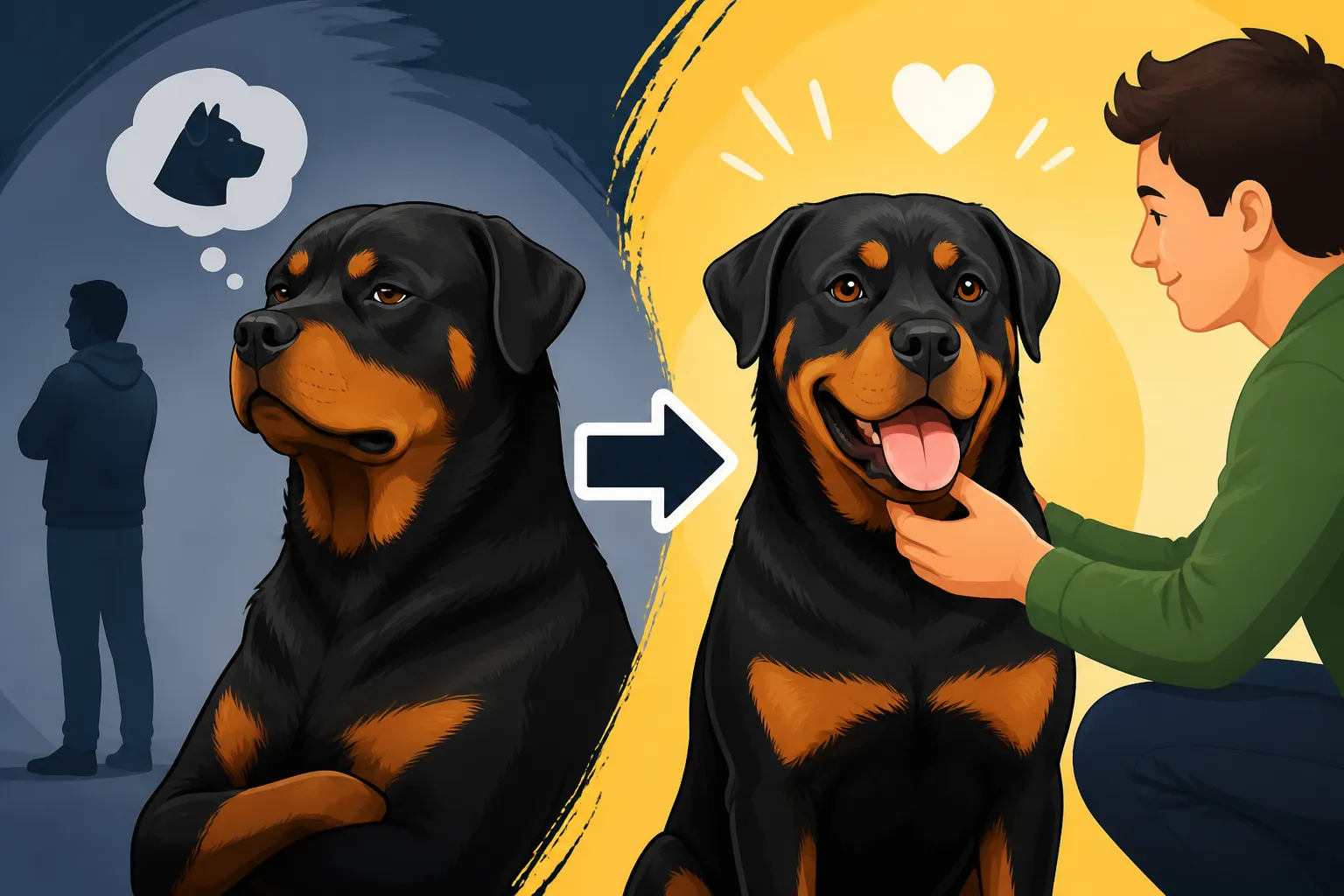
When you first encounter a Rottweiler, especially one you don't know, their reserved demeanor can sometimes be misinterpreted. People expect an instant connection, a joyful greeting, or an eagerness to make friends. When they don't get it, they might assume the dog is unfriendly, shy, or even aggressive. But for a Rottweiler, this initial distance is often a hallmark of their breed — a deliberate, measured approach to new situations and strangers. It’s part of what makes them, well, them.
The Historical Purpose Behind a Reserved Nature
To truly understand Rottweiler aloofness, we have to look back at their history. These magnificent dogs were originally developed in Germany, specifically in the town of Rottweil, as "Metzgerhunds," or butcher dogs. Their job wasn't just to guard the butcher's cattle; it was also to drive them to market and protect the money bag from bandits on the return journey. This was a serious, independent job. A Rottweiler needed to be confident, intelligent, and discerning. They couldn't be easily distracted by every passing stranger or eager for pats from unknown hands. Their very survival, and the livelihood of their owners, depended on their ability to assess situations, remain vigilant, and act only when necessary. The Roman Drover Dogs Behind the Rottweiler is a good read to delve deeper into their ancestry.
Think about it: a dog that's overly friendly with everyone it meets wouldn't make a very effective guardian. They needed to be watchful, sure of themselves, and have a natural "wait-and-see" attitude before deciding if someone was friend or foe. This isn't shyness; it’s self-possession and an innate understanding of their role. This historical imperative is deeply woven into the breed's temperament even today. They're not wired for effusive greetings with every person they encounter, but rather for quiet observation and a strong, protective bond with their immediate family.
Aloofness Versus Genuine Fear or Aggression
It’s absolutely critical to differentiate between true Rottweiler aloofness and behaviors stemming from fear or aggression. Aloofness is generally characterized by a dog that is calm, self-assured, and simply uninterested in interacting with strangers. They might make eye contact, then look away. They might politely sniff a hand, then step back. There’s no cowering, no excessive barking, no lunging, and no frantic attempts to escape. Their body language remains relaxed, or at most, neutral. You might notice The Rottweiler Wait-and-See Response Explained where they take their time to process new stimuli.
However, if a Rottweiler exhibits signs like tucked tail, flattened ears, trembling, excessive drooling, snarling, growling, snapping, or trying to hide behind you when strangers approach, this is not aloofness. These are signs of fear, anxiety, or true aggression, which require a different training approach and potentially the help of a professional behaviorist. A truly aloof Rottweiler is simply discerning, not afraid or ill-tempered. Understanding Reading a Still Rottweiler That Is Not Relaxed is vital for interpreting your dog's true feelings in these situations. The goal isn't to force them to be everyone's best friend, but to ensure they are confident, comfortable, and predictably neutral in the presence of others.
The Realities of Training Away Aloofness
Many owners, understandably, want their dog to be friendly and approachable. When they encounter their Rottweiler's natural reserve, they might ask, "Can I train this away?" The straightforward answer is: you can't truly "train away" an inherent breed temperament trait, much like you can't train a Border Collie not to herd or a Greyhound not to chase. However, you can absolutely shape and manage your Rottweiler's behavior to ensure they are polite, confident, and well-mannered in all situations, even if they never become the life of the party.
Temperament is Hardwired, Not Taught
Just like certain physical traits – coat color, ear set, size – are passed down through generations, so too are many aspects of temperament. While early experiences, environment, and training play an enormous role in how these traits are expressed, the underlying predisposition is genetic. A well-bred Rottweiler from responsible parents will typically possess that characteristic self-assured, watchful, and somewhat reserved demeanor. If a Rottweiler is excessively shy or fearful, or immediately aggressive, it might indicate poor breeding, a lack of early socialization, or a combination of factors.
The goal with an aloof Rottweiler isn't to force them into a personality mold that isn't theirs. It's about respecting their natural inclination while ensuring they are comfortable and safe in a variety of social settings. It’s about building their confidence so that their reserve doesn't tip over into fear or defensiveness. A good breeder will emphasize The Calm Confidence a Rottweiler Standard Asks For, and you'll often see this in their puppies.
Shaping Behavior for Polite Indifference
Instead of trying to make your Rottweiler enthusiastically greet every stranger, aim for "polite indifference." This means they acknowledge a new person or situation calmly, without reacting negatively or excessively, and then simply go about their business. They don't have to be thrilled, but they should be neutral and under your control.
Here’s how you can approach shaping this behavior:
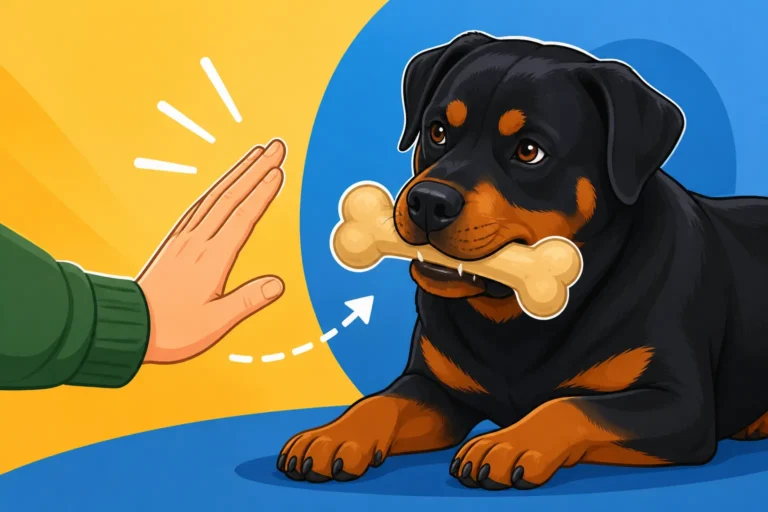
- Positive Association: The key is to create positive associations with new people and experiences. When a stranger approaches (and only if your dog is comfortable), have them toss a high-value treat away from your dog, so the Rottie doesn't feel pressured. This teaches them that strangers can be sources of good things, but without direct, intrusive interaction. You want them to think, "Oh, a person! Maybe a cookie will land nearby. Cool, moving on."
- Controlled Exposure: Don't throw your Rottweiler into overwhelming social situations. Start small, with brief, positive exposures to people at a distance. Gradually decrease the distance as your dog shows comfort. Think about Rottweiler Socialization Before Sixteen Weeks – this critical window sets the stage for how they view the world.
- No Pressure: Never force your Rottweiler to interact with someone if they're uncomfortable. This can backfire and increase their anxiety or make them defensive. Respect their signals.
- Reward Calmness: Whenever your Rottweiler notices a stranger and remains calm and neutral, reward them generously. This reinforces the desired behavior.
- Consistent Training: A structured training program can be incredibly helpful. Online platforms like BAXTER & Bella offer comprehensive puppy and adult dog training courses that emphasize positive reinforcement and help you build a strong foundation of obedience and confidence, which is invaluable for a naturally reserved breed. Their step-by-step guidance can help you navigate social situations effectively.
Remember, you're not trying to change who your Rottweiler is, but rather guiding how they express their natural tendencies in a way that is safe and pleasant for everyone.
Practical Strategies for Socializing an Aloof Rottweiler
Socialization is not just about exposing your dog to as many things as possible; it’s about creating positive, low-stress experiences that build confidence and resilience. For an aloof Rottweiler, thoughtful and strategic socialization is paramount to preventing their reserve from turning into fear or reactivity.
Early, Controlled Exposure is Key
The critical socialization window for puppies closes around 16 weeks. During this time, every positive new experience helps shape your puppy's perception of the world. For a Rottweiler, this means careful and deliberate exposure:
- Variety of People: Introduce your puppy to people of different ages, sizes, genders, and ethnicities. People wearing hats, people with glasses, people with beards, people using wheelchairs or canes – all are important. The key is that these introductions should be positive and non-intrusive. No one should be allowed to overwhelm your puppy. Let your puppy approach on their terms, or simply observe from a distance while you offer praise and treats.
- Different Environments: Take your puppy to various safe environments: quiet parks, pet-friendly stores (if appropriate for their vaccination status), different types of flooring, car rides, and even just sitting outside a coffee shop watching the world go by. Again, the goal is positive exposure, not forced interaction.
- Sounds and Sights: Expose them to common household noises (vacuum cleaners, blenders), city sounds (traffic, sirens), and different visual stimuli. Puppy classes are fantastic for this, as they offer a controlled environment for new experiences. Puppy Classes That Accept Rottweilers can be a great resource for structured socialization.
- Quality Over Quantity: It's not about how many people your puppy meets, but the quality of those interactions. One good, calm, positive interaction is worth ten rushed or stressful ones.
After the critical window closes, continue socialization, but understand that it may take more time and patience. Adult Rottweilers can still learn and adapt, but the foundations laid in puppyhood are incredibly influential.
Building Positive Associations with Strangers
As your Rottweiler matures, or if you're working with an adult rescue, building positive associations becomes your main strategy:
- The "Look at That" Game: This is a simple but powerful technique. When your Rottweiler notices a stranger (or another dog, or anything they might be reserved about), immediately mark the moment (with a clicker or a verbal "yes!") and reward them with a high-value treat. The goal is to change their emotional response from "stranger means caution" to "stranger means treat!" Gradually, they learn to associate the presence of others with good things.
- Treat Deliveries: Ask trusted friends or family members to help. Have them calmly approach (without making direct eye contact or talking to your dog initially, as this can be too intense) and simply drop a very tasty treat on the ground near your dog, then walk away. Repeat this a few times. This teaches your dog that people are generous and non-threatening. For this, having a robust treat pouch, easily accessible, is key. Many trainers recommend options found on Amazon for their durability and convenience, ensuring you're always ready to reward.
- Controlled Greetings: If your dog seems genuinely interested, and the person is willing, allow a brief, calm interaction. Keep it short and positive. Avoid overly enthusiastic greetings from strangers, which can be overwhelming for a reserved dog. Two seconds of a polite sniff and then "good dog, let's go" is far better than a prolonged, high-energy encounter.
- Managing Your Home Environment: When guests come over, manage the situation carefully. Have your Rottweiler on a leash or behind a barrier initially. Guests should ignore your dog at first. Once your Rottweiler is calm, they can offer a treat or a gentle toss of a toy. This allows your dog to process the new presence without feeling cornered or pressured. You might find more tips in A Rottweiler That Ignores a Visitor Completely for managing home introductions.
Setting Expectations for Yourself and Others
It's important for you, as the owner, to adjust your expectations. Your Rottweiler might never be the dog that bounds up to every new person for a belly rub, and that's perfectly okay. What matters is that they are confident, calm, and well-behaved.
Educate your friends and family about your Rottweiler's reserved nature. Explain that it’s not aggression, but part of their personality, and ask them to respect your dog’s space. A simple explanation like, "She's a Rottweiler, so she takes her time to warm up. Please give her some space, and if she approaches you, great! Otherwise, just let her be," goes a long way. This protects your dog from uncomfortable situations and helps others understand.
Building Trust and Respect, Not Forcing Friendliness
The foundation of a good relationship with any dog, especially a Rottweiler, is trust and respect. This means understanding their communication, providing consistent leadership, and honoring their boundaries.
Consistent Leadership and Clear Boundaries
Rottweilers thrive on consistency and clear expectations. They are intelligent dogs who need to know what's expected of them. Consistent training, using positive reinforcement methods, builds trust and confidence. When your Rottweiler understands the rules and knows you are a reliable leader, they feel more secure in their environment. This security reduces anxiety, which can sometimes manifest as exaggerated aloofness or even reactivity.
- Training Routines: Establish regular training sessions, even short ones, to reinforce basic obedience cues. This keeps their mind engaged and strengthens your bond. Programs like the ones offered by BAXTER & Bella provide structured routines that are easy to follow and build upon.
- Predictable Environment: A predictable routine for feeding, walks, and playtime can significantly reduce stress for your dog. They learn what to expect, which fosters a sense of security.
- Calm Demeanor: Your own calm and confident demeanor is crucial. If you are anxious or tense in new situations, your Rottweiler will pick up on that and may become more reserved or stressed themselves.
Observing and Respecting Body Language
Because Rottweilers are often reserved, their communication signals can be subtle. Learning to read your dog's body language is absolutely vital to understanding their comfort levels and respecting their boundaries.
- Subtle Cues: Look for signs of stress or discomfort like lip licking, yawning (when not tired), turning their head away, stiffening of the body, or a hard stare. These are often precursors to more overt signs of fear or aggression. Rottweiler Whale Eye and Other Warning Signs provides excellent insight into these more subtle signals.
- Avoid Forcing Interaction: If your Rottweiler is signaling discomfort, do not force them into an interaction. Remove them from the situation or create more space. Respecting their "no" builds trust and teaches them that you are their advocate.
- Advocate for Your Dog: Be prepared to step in and manage interactions with people who don't understand your Rottweiler's cues. It's your responsibility to protect your dog from uncomfortable or potentially overwhelming situations.
Embracing the "Wait-and-See" Mentality
The "wait-and-see" approach is inherent to many Rottweilers. They observe, assess, and then decide how to react. This isn't a flaw; it's a feature. Embrace it as part of their unique charm.
Instead of wishing they were instantly friendly, appreciate their discerning nature. It means that when they do choose to interact or show affection, it's genuine and meaningful. It shows they've assessed you and found you worthy of their attention and trust. Why a Rottweiler Watches Before It Approaches explains this behavior beautifully.
You can actually use this mentality to your advantage in training. By allowing them time to observe and process without pressure, they are more likely to make a confident, positive choice to engage, rather than being pushed into an uncomfortable situation.
Here's a quick comparison of desired vs. undesired behaviors related to aloofness:
| Behavior Type | Desired (Confident Aloofness) | Undesired (Fear-Based or Reactive) |
|---|---|---|
| Greeting Strangers | Calmly observes, may sniff briefly, then ignores or moves away. | Cowers, hides, growls, barks excessively, lunges, tries to escape. |
| Body Language | Relaxed posture, neutral tail, ears attentive but not flattened. | Tucked tail, flattened ears, trembling, stiff body, whale eye. |
| Response to Touch | Tolerates brief, gentle touch from trusted people; may lean. | Flitches, pulls away, snaps, growls, avoids touch. |
| New Environments | Observes surroundings calmly, may explore cautiously. | Anxious pacing, panting, hyper-vigilance, tries to bolt. |
| Engagement Level | Engages readily with family, performs commands reliably. | Disinterested in interaction, avoids eye contact, struggles to focus. |
In conclusion, while you can't erase your Rottweiler's inherent tendency towards aloofness, you can certainly channel it into polite, confident, and well-managed behavior. Through consistent positive reinforcement, early and thoughtful socialization, clear communication, and a deep understanding of their unique personality, your Rottweiler can become a wonderful, well-adjusted companion who might be reserved with strangers but utterly devoted to you.
Disclaimer
This article is for general informational purposes only and does not constitute professional advice. Laws, prices and regulations vary by location and change over time. Consult a qualified professional for guidance on your specific situation.