When Rottweiler Mouthing Stops Being Cute
Oh, the tiny, needle-sharp teeth of a Rottweiler puppy! They start out so small, so seemingly innocent, a little nip here, a playful grab there. Most new puppy parents find it utterly adorable, a sign of their little land shark exploring the world. But anyone who has lived with a growing Rottweiler knows that the line between "cute puppy nipping" and "this is actually painful" blurs incredibly fast. This guide is all about navigating that critical period, understanding why your Rottweiler puppy mouths, and, most importantly, how to ensure that playful nipping doesn't become a lifelong problem as they grow into a powerful adult.
The Adorable Nipping Phase That Quickly Changes
It's a universal puppy experience: those sharp little teeth exploring everything, including your hands, ankles, and anything else within reach. With a Rottweiler, this phase feels particularly intense, not just because of their robust nature but also because of the sheer speed at which they grow. What might be a tolerable nip from a 10-pound bundle of fluff becomes a much more serious issue from a 50-pound adolescent. Understanding the root cause of this behavior is the first step in addressing it effectively before it escalates.
Why Rottweiler Puppies Mouth So Much
Rottweiler puppies, like all puppies, use their mouths to explore their environment. They don't have hands like we do; their primary way of interacting with new objects, people, and their littermates is by putting them in their mouths. This is completely natural and a crucial part of their development. Think about it: they taste, they feel texture, they test boundaries. If you watch a litter of puppies play, you'll see them constantly mouthing each other, wrestling, and nipping. This is how they learn about bite pressure – a concept known as bite inhibition. When one puppy nips too hard, the other yelps, and play stops, teaching the offender to be softer next time.
Beyond exploration, teething is another huge factor. From around 3 to 6 months old, your Rottweiler puppy is actively losing their 28 sharp baby teeth and growing in 42 much larger, stronger adult teeth. This process is uncomfortable, and chewing on anything and everything, including your fingers, provides much-needed relief to their aching gums. It's like a baby needing a teething ring, but your Rottweiler puppy has the jaw strength to want something a bit more substantial. They're not doing it to be naughty; they're genuinely trying to alleviate discomfort.
The Difference Between Play Biting and Aggression
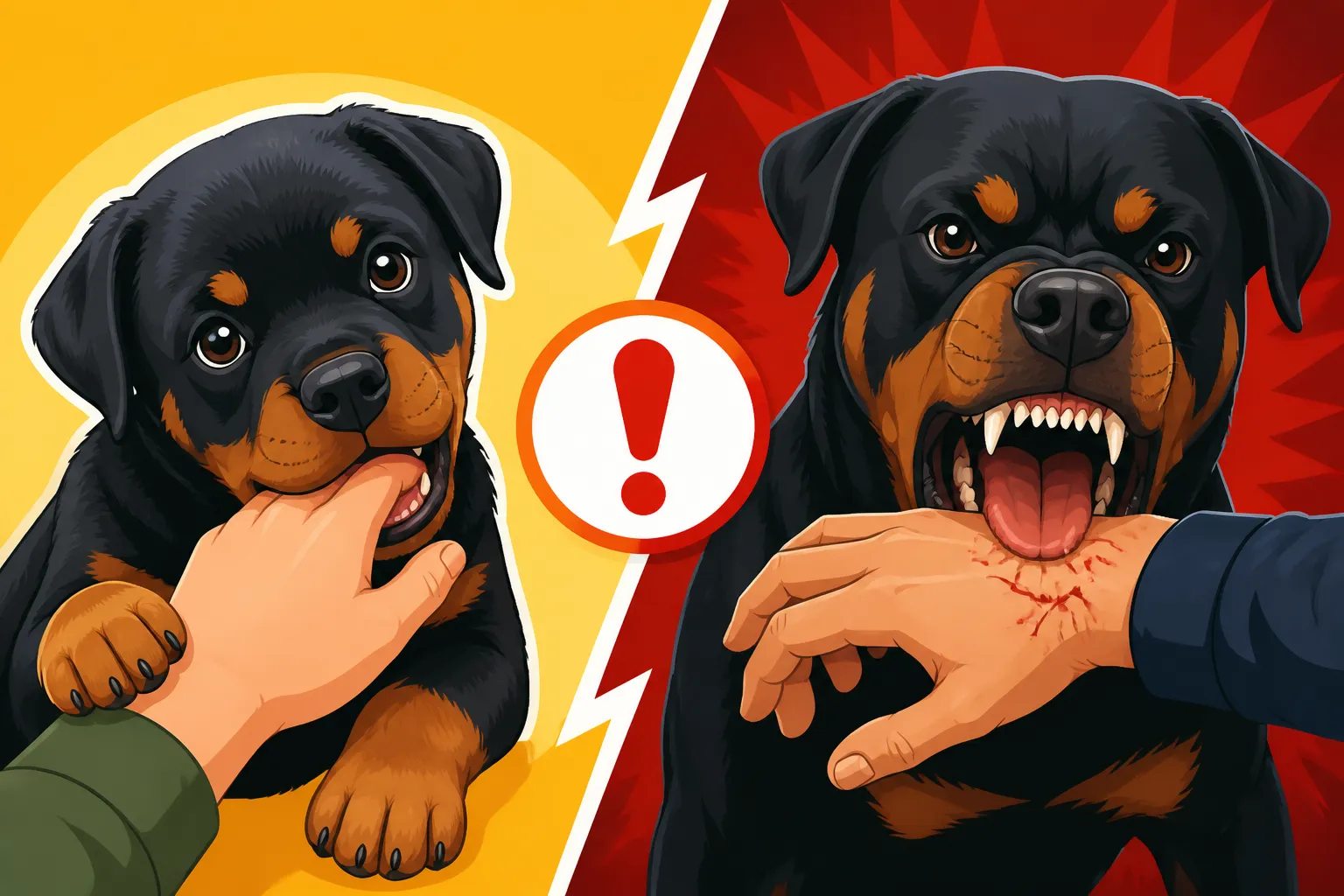
It’s easy for new owners to worry, especially with a breed like a Rottweiler, that every nip is a sign of aggression. However, in puppies, this is rarely the case. Play biting is typically accompanied by a loose, wiggly body, a wagging tail (if not docked), play bows, and often a soft, open mouth. The bites usually aren't meant to cause injury, even if they hurt due to those sharp puppy teeth. The puppy might solicit play, then gently grab your hand, shake their head, and release. They're inviting interaction, learning how to gauge their strength.
True aggression, even in a young puppy, will look very different. You might see a stiff body, a direct stare, growling that isn't playful, raised hackles, or attempts to guard resources. The bite might be harder, sustained, and not followed by an invitation to continue play. It's crucial to understand this distinction. Most puppy mouthing is normal, albeit painful, developmental behavior that needs appropriate guidance, not punishment. If you are concerned about aggression, seeking advice from a professional trainer or veterinary behaviorist early is always the best course of action.
When Those Puppy Teeth Turn Into Adult Jaws
The transition from puppy to adult is marked by many changes, and the growth of adult teeth is one of the most significant. What once felt like a minor inconvenience from a small pup can quickly become a serious concern when those powerful adult jaws come into play. This is the point when "cute" is definitely no longer the word you'd use to describe being mouthed.
The Physical Change from Puppy to Adult Teeth
Around four to six months of age, those tiny, razor-sharp puppy teeth begin to fall out, making way for the much larger and stronger adult teeth. This process can last until your Rottweiler is about seven or eight months old. During this time, your puppy will have a strong urge to chew to help loosen the baby teeth and alleviate the discomfort of new ones pushing through. This is why having appropriate chew toys on hand is absolutely non-negotiable. Without them, your furniture, shoes, and even your hands become fair game.
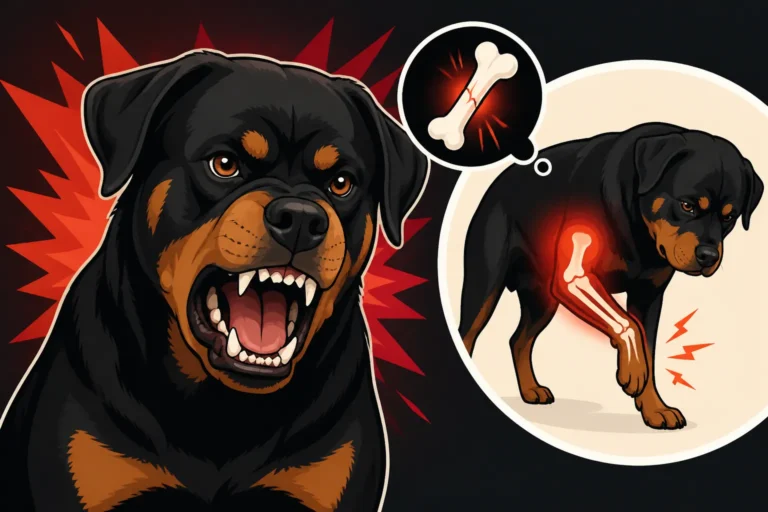
The difference in size and strength between puppy teeth and adult teeth is vast. Adult Rottweiler teeth are designed for crushing bone and tearing flesh – they are formidable tools. A playful nip from a full-grown Rottweiler, even one that means no harm, can inadvertently cause significant injury if they haven't learned proper bite inhibition. This physical change underscores the urgency of addressing mouthing habits early in puppyhood, long before those adult teeth are fully settled in.
Understanding Rottweiler Bite Force and Its Implications
While specific numbers vary depending on the study and methodology, the Rottweiler is consistently ranked among breeds with a very strong bite force. We're talking about a jaw that, when fully developed and engaged, is incredibly powerful. This isn't meant to scare you, but rather to impress upon you the absolute necessity of solid training from day one. The Rottweiler Bite Force and What It Means in Practice is a reality you cannot ignore. A playful nip from a small puppy is a completely different scenario than a "playful" grab from a 100-pound adult with that kind of strength.
The implication here is clear: your Rottweiler must learn to control the pressure of their mouth. They need to understand that human skin is fragile and not a chew toy. This isn't about eliminating their natural instinct to use their mouth, but rather about shaping it so they can differentiate between appropriate and inappropriate targets, and, most importantly, learn to apply very little pressure when interacting with people. This skill, known as bite inhibition, is the single most important lesson regarding mouthing.
Strategies to Manage Mouthing Before It Becomes a Problem
The good news is that mouthing is a normal puppy behavior, and it's highly trainable. The key is consistency, patience, and starting early. You have a critical window to teach your Rottweiler puppy appropriate mouth manners before those cute nips turn into painful grabs from a much larger dog. Why Rottweiler Training Cannot Wait Until Six Months really applies here.
Teaching Bite Inhibition Effectively
This is the cornerstone of managing mouthing. The goal isn't to stop your puppy from ever putting their mouth on you, but to teach them to do so gently. Here’s how you can simulate what their littermates would teach them:
- The "Yelp and Withdraw" Method: When your Rottweiler puppy nips too hard, immediately let out a loud, sharp "yelp!" just like another puppy would. Then, instantly withdraw your hand or whatever part they nipped, and completely ignore them for 10-20 seconds. If they calm down, you can re-engage gently. If they continue to nip, you might need to leave the room for a moment. This teaches them that hard bites make the fun stop.
- Consistency is Key: Every single family member must use the same technique, every single time. One person allowing hard nips will undermine everyone else's efforts. Your Rottweiler needs clear, consistent boundaries.
- Reward Soft Mouths: When your puppy mouths gently, even if it's not ideal, praise them or give them a treat. You're trying to show them what you do want.
- Practice Gentle Taking: Teach your Rottweiler to take treats gently from your open palm. If they grab, close your hand, and wait for a soft mouth. This builds better control. Teaching a Rottweiler to Take Treats Gently is a valuable skill.
Redirecting Chewing to Appropriate Objects
Your Rottweiler puppy needs to chew, especially during teething. Providing an abundance of appropriate, durable chew toys is essential. If your puppy starts to mouth your hands, immediately redirect them to a chew toy. Say "No!" or "Off!" if necessary, then present the toy. When they take the toy, praise them enthusiastically.
Consider a variety of textures and types of chew toys. Some puppies love soft, rubbery toys; others prefer harder, more durable options. Brands like Kong are excellent for durability and can be stuffed with treats to make them even more enticing. You can find a vast array of durable chew toys on Amazon that can stand up to a Rottweiler's powerful jaw. Make sure the toys are safe for their size and won't be easily swallowed or broken into sharp pieces. Having designated chew areas and rotating toys can also keep them engaged. Remember, a bored Rottweiler is often a destructive Rottweiler.
Consistent Training and Handling
Beyond direct bite inhibition, consistent obedience training forms the foundation for good behavior. Teaching commands like "leave it," "drop it," and "sit" gives you tools to manage your Rottweiler's impulses and redirect their attention. Enroll in puppy classes early – it's a great way for them to learn manners around other dogs and people, and for you to learn how to handle their unique challenges. Mouthy Rottweiler Puppies and Human Hands often benefit immensely from structured training.
Handling exercises are also incredibly important. Regularly touch your puppy's paws, ears, tail, and mouth. Make these experiences positive with treats and praise. This not only desensitizes them to handling (important for vet visits and grooming) but also reinforces your role as a gentle leader. If they mouth you during handling, refer back to the bite inhibition techniques. Resources like BAXTER & Bella offer online puppy training programs that cover these essential handling and redirection techniques, providing structured guidance from the comfort of your home. The goal is to build a dog that is confident, well-adjusted, and respectful of human boundaries.
Recognizing Warning Signs and Seeking Professional Help
While most puppy mouthing is normal and manageable with consistent training, there are times when it can escalate or indicate deeper issues. It's vital to know when to seek professional guidance, especially with a powerful breed like a Rottweiler. Ignoring persistent or worsening mouthing can lead to serious problems down the line.
When Mouthing Crosses the Line
You know your Rottweiler puppy best, and you'll likely feel when their mouthing behavior shifts from playful to something more concerning. Here are some red flags that indicate mouthing might be crossing the line:
- Increasing Intensity: The bites are getting harder, even after you've used bite inhibition techniques consistently. They don't seem to be learning to lighten their pressure.
- Lack of Inhibition: Your puppy is not responding to your yelps or withdrawals; they continue to nip hard without pausing or softening.
- Targeting: The mouthing becomes focused on specific, vulnerable body parts (e.g., face, throat) rather than just hands or ankles during play.
- Resource Guarding: They growl or snap when you approach their food bowl, toys, or even a particular sleeping spot. This is a common issue for the breed, and Rottweiler Resource Guarding at Home needs careful attention.
- Unsolicited Hard Bites: They're not just mouthing during play; they're coming up to you and biting hard without any prior playful interaction.
- Fear or Defensiveness: The mouthing is accompanied by stiff body language, whale eye (showing the whites of their eyes), or attempts to snap defensively when corrected.
- Aggression Towards Children: While Rottweiler Puppy Play Biting With Children is normal, any actual biting or persistent hard mouthing towards children should be addressed immediately and professionally. Children are often less consistent with corrections and can be more easily injured.
If you observe any of these behaviors, it's time to act. Don't dismiss them as "just puppy stuff" or assume they will grow out of it. With a Rottweiler, intervention needs to be swift and effective.
Finding the Right Trainer for a Strong-Willed Rottweiler
Not all dog trainers are created equal, and finding the right one is paramount for a Rottweiler, a breed that requires knowledgeable and experienced guidance. When seeking help for persistent mouthing or other behavioral concerns, look for:
- Experience with Large Breeds: A trainer who understands the Rottweiler breed, their guarding instincts, strength, and unique developmental needs is invaluable. They'll know that methods suitable for a smaller, less powerful breed might not be appropriate or safe for a Rottweiler.
- Positive Reinforcement Focus: While some trainers use a balanced approach, prioritize those who primarily use positive reinforcement and reward-based methods. These methods build trust and a strong bond, which is essential for a dog with a Rottweiler's disposition. Avoid trainers who advocate for harsh corrections or pain-based methods, as these can easily backfire, leading to fear-based aggression in a powerful dog.
- Certifications and Credentials: Look for trainers who are certified by reputable organizations. This indicates they have met certain standards of knowledge and experience.
- In-Person Consultations: For behavioral issues, an in-person consultation is often more effective than online advice. The trainer can observe your dog's behavior in your home environment and offer tailored strategies. Ask if they offer observation sessions.
- Clear Communication: The trainer should be able to clearly explain their methods, the rationale behind them, and what results you can expect. They should also be patient and supportive of you as the owner.
Don't hesitate to interview several trainers to find one whose philosophy aligns with yours and who makes you feel comfortable and confident. Investing in professional training early can prevent years of frustration and ensure your Rottweiler grows into a well-mannered, safe companion. Finding a Rottweiler-Experienced Trainer Near You is a critical step for many owners.
| Behavior Trait | Cute Puppy Mouthing | Concerning Adult Mouthing |
|---|---|---|
| Context | Playtime, exploration, teething relief | Any situation, especially when not playing |
| Body Language | Loose, wiggly, play bows, open mouth, happy tail | Stiff, tense, direct stare, growling, raised hackles |
| Bite Pressure | Variable, but learns to soften with "yelp" feedback | Consistently hard, disregard for "yelp," causes injury |
| Response to Correction | Pauses, re-engages gently, seeks alternative chew | Ignores, escalates, snaps defensively, guards resources |
| Motivation | Natural development, curiosity, discomfort | Fear, anxiety, aggression, resource guarding, lack of impulse control |
| Typical Age | Up to 6-8 months | Any age, but more serious in adolescents/adults |
Disclaimer
This article is for general informational purposes only and does not constitute professional advice. Laws, prices and regulations vary by location and change over time. Consult a qualified professional for guidance on your specific situation.